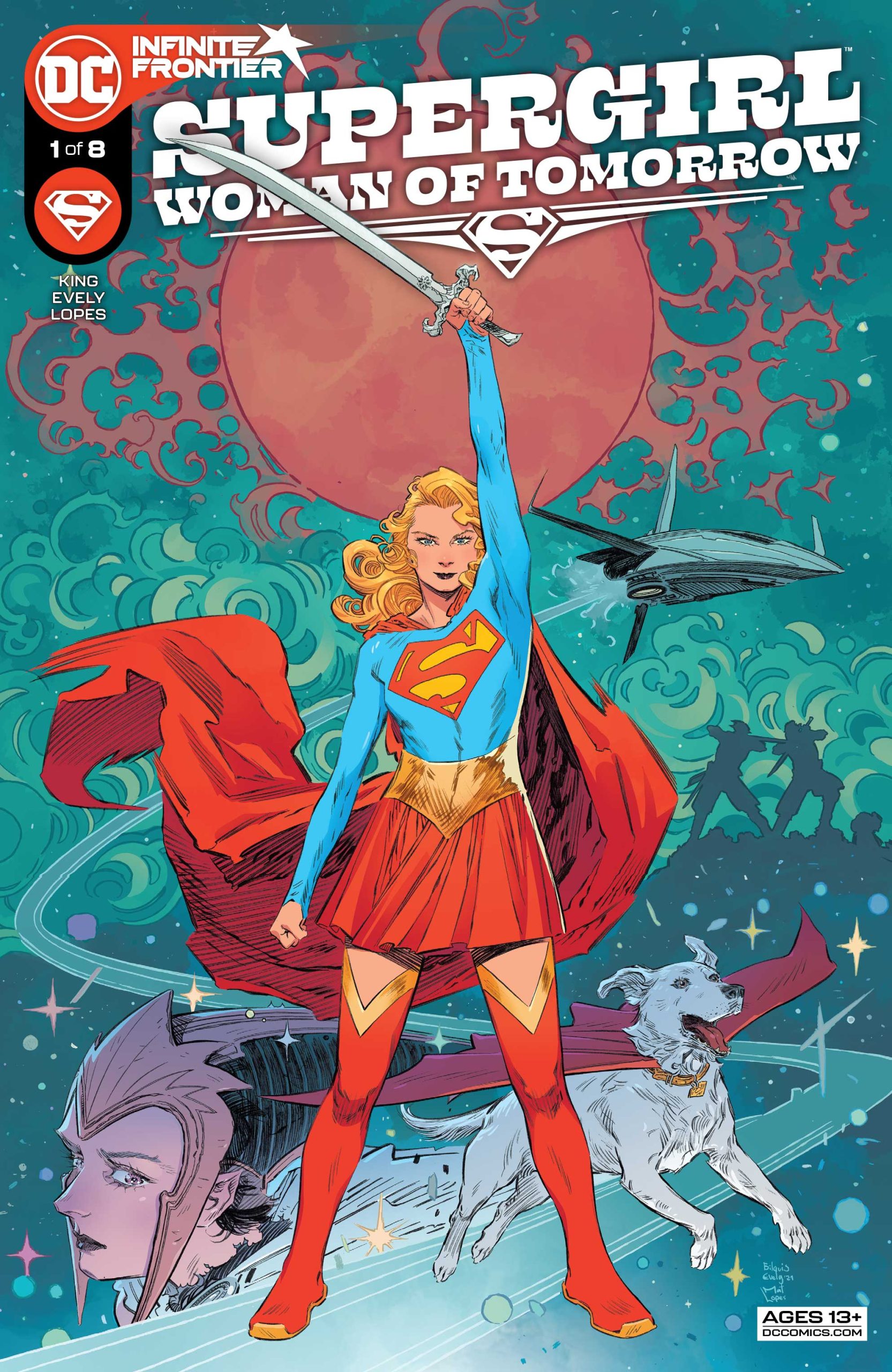
With the highly anticipated live-action adaptation of Supergirl: Woman of Tomorrow slated for a worldwide theatrical release on June 26, 2026, the comic book source material—an eight-issue limited series originally published by DC Comics between 2021 and 2022—has seen a significant resurgence in public discourse. As audiences prepare for the cinematic debut, critics and long-time fans of the DC Universe have engaged in a comprehensive re-evaluation of the narrative, which was written by Tom King and illustrated by Bilquis Evely, with colors by Matheus Lopes. This critical retrospective seeks to move beyond initial reception, examining the thematic depth, character consistency, and structural mechanics of the series in light of its looming transition to the big screen.
The Origin and Narrative Arc of the Series
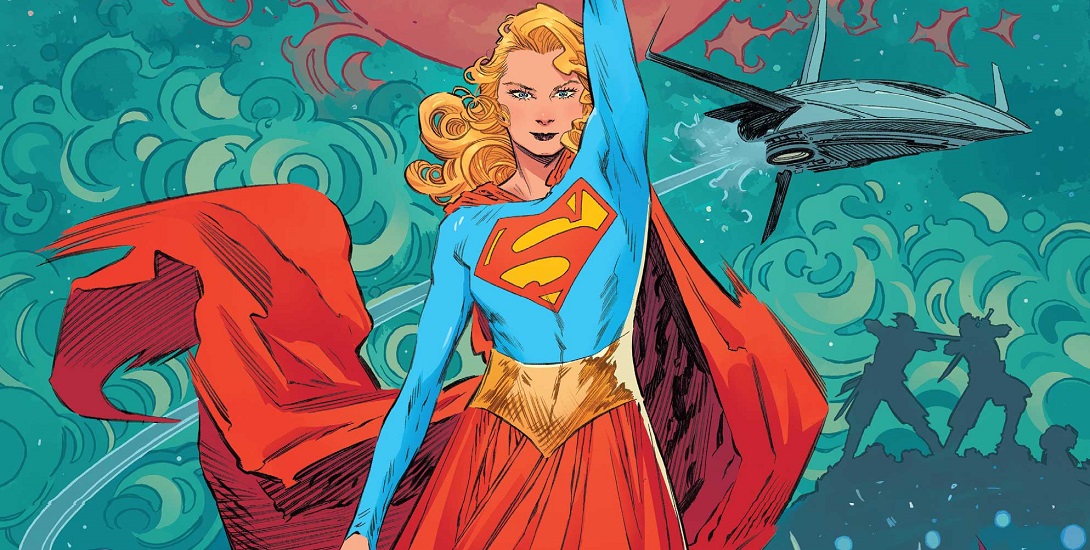
Supergirl: Woman of Tomorrow debuted in September 2021 as a space-faring odyssey that diverged significantly from the traditional "Man of Steel" tone often associated with Kryptonian narratives. The story follows Kara Zor-El as she navigates a grief-stricken, booze-fueled malaise on the outskirts of the galaxy, eventually crossing paths with Ruthye Marye Knoll, a young alien seeking vengeance for the murder of her father at the hands of the villainous Krem of the Yellow Hills.
The series is built upon a foundation of parallel trauma. King utilizes the narrative structure of a "space western" to juxtapose Ruthye’s quest for retribution with Kara’s own internalized, lingering pain stemming from the destruction of Krypton. Throughout the eight issues, the duo traverses various planets and encounters, culminating in a complex moral standoff that forces the reader to question the efficacy of justice versus the permanence of revenge.
Chronology of the 2021-2026 Publication and Media Cycle
The trajectory of this property reflects the shifting priorities of DC Entertainment’s multimedia strategy:
- September 2021: The first issue of Supergirl: Woman of Tomorrow is released to critical acclaim, noted primarily for its distinct artistic style and melancholic tone.
- January 2022: The series concludes with the eighth issue, sparking initial debates regarding the ambiguity of the ending and the characterization of Kara Zor-El.
- January 2023: DC Studios announces a new slate of films, with James Gunn and Peter Safran confirming that a feature film based on King’s series is in active development.
- June 2026: The global theatrical premiere is set, positioning the film as a tentpole release for the studio.
Analytical Perspectives: Characterization and Tone
The primary point of contention among long-time fans remains the portrayal of Kara Zor-El. Critics of the series argue that the opening scenes, featuring a despondent and intoxicated Supergirl on her 21st birthday, stray from the established history of the character as a beacon of hope and resilience. Within the DC canon, Kara is frequently depicted as having successfully integrated into Earth society, often serving as a maternal or sisterly figure within the extended Superman family.

However, a secondary, more analytical perspective suggests that the series intentionally strips away these external support structures to explore a "post-trauma" psychological state. By isolating Kara from the traditional influence of Clark Kent and Lois Lane, King forces a confrontation with the identity of a survivor who has not yet fully processed the loss of her home world. The lack of a specific "Kryptonian milestone" or rite of passage to anchor this mid-life crisis—which might have provided a clearer motivation for her depression—remains a frequently cited critique regarding the series’ script.
Artistic Contributions and Visual Storytelling
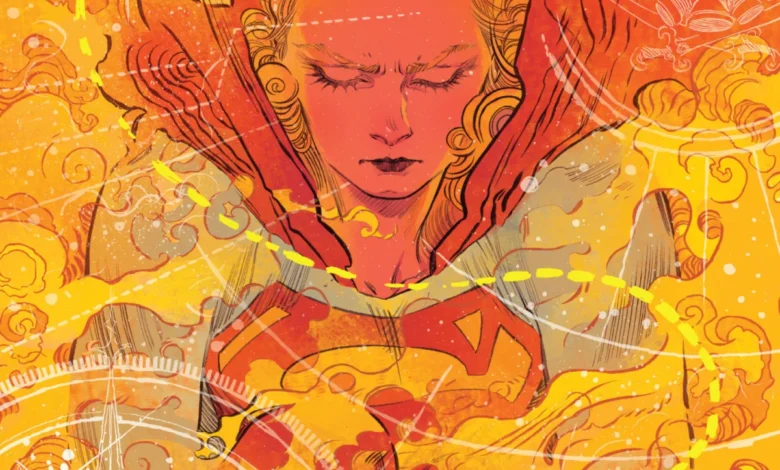
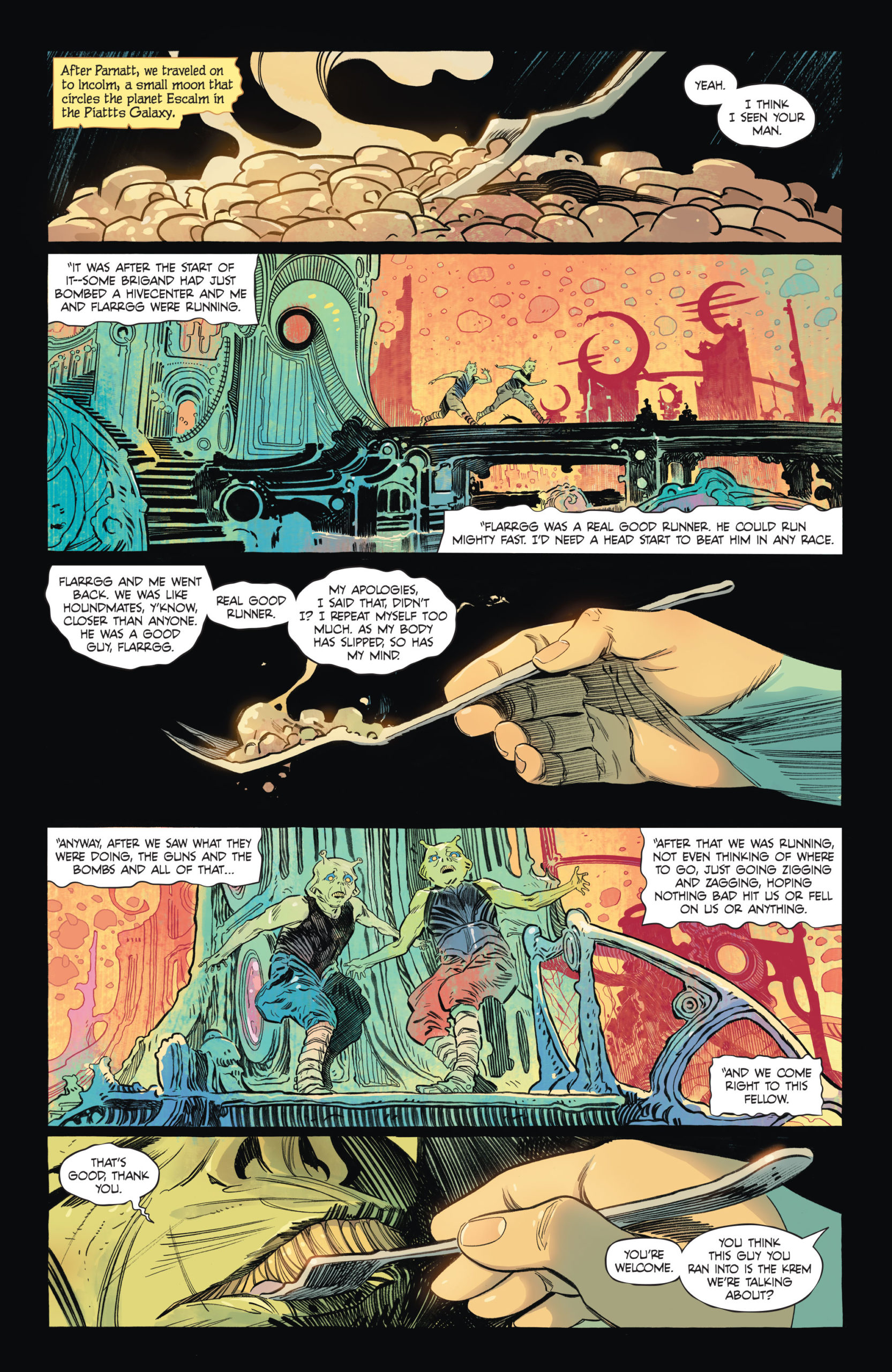
While the narrative remains polarizing, the artistic execution by Bilquis Evely and Matheus Lopes is widely regarded as a high point in modern comic book production. Evely’s intricate, expansive world-building provides a sense of scale that elevates the script’s more philosophical inquiries. The visual language of the series, particularly the use of shadow and color to denote the emotional distance between the protagonist and her environment, has been lauded as a masterclass in comic book composition. This visual pedigree is largely credited with maintaining the title’s relevance, even as narrative debates continue.

The Ambiguity of the Conclusion
The resolution of the series—specifically the final encounter involving Ruthye, Krem, and Supergirl—has been the subject of extensive academic and fan-led scrutiny. The narrative structure relies on a deliberate parallel between the opening page of the first issue and the closing page of the final issue.
In the final scene, Ruthye is depicted striking Krem, a moment that mirrors the earlier murder of her father. Whether this act is interpreted as a violent execution or a symbolic gesture of closure remains a point of intense discussion. If the act is fatal, it suggests that Supergirl, by remaining silent, has implicitly endorsed a path of vengeance—a departure from her traditional heroic code. If the act is non-lethal, the ending is often viewed as structurally inconsistent with the preceding themes of profound, life-altering trauma. The prevailing consensus among critics is that King intended the ambiguity to serve as a reflection of the characters’ descent into a moral grey area, effectively challenging the reader to decide whether the protagonist has found peace or has succumbed to the same nihilism that drove the villain.
Broader Implications for the DC Cinematic Universe
The decision to adapt this specific series for the big screen signals a shift toward more character-driven, tonally dense superhero cinema. By choosing a narrative that explores themes of existential loneliness and the moral complexities of justice, DC Studios is signaling an intent to differentiate its output from traditional origin stories.
The success of the 2026 film will likely hinge on how it balances the source material’s artistic grandeur with the need for a more accessible emotional arc. If the film leans into the "nihilistic" aspects identified in the comic, it may prove to be a landmark moment in superhero cinema; conversely, if the film opts to soften the edges of the character’s journey, it may alienate those who found the original comic’s uncompromising approach to be its most compelling feature. As the June 2026 release date approaches, the industry remains focused on whether this adaptation can synthesize the disparate, often conflicting, interpretations of Supergirl’s legacy into a cohesive and impactful cinematic statement.