Supergirl Woman of Tomorrow Reassessed Ahead of the Highly Anticipated 2026 Feature Film Adaptation

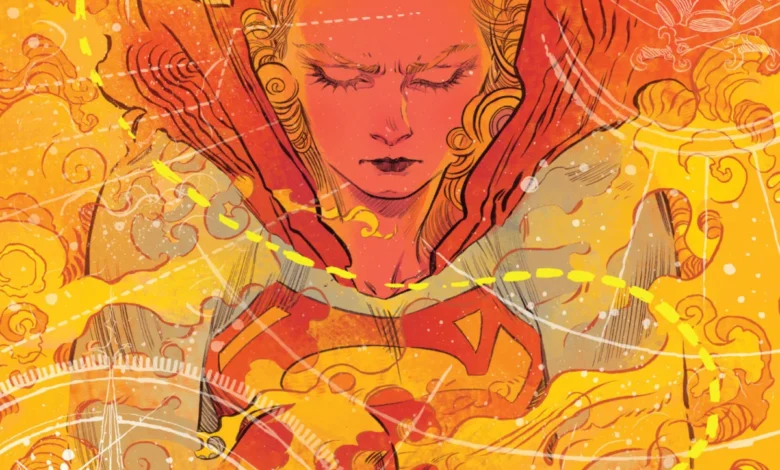
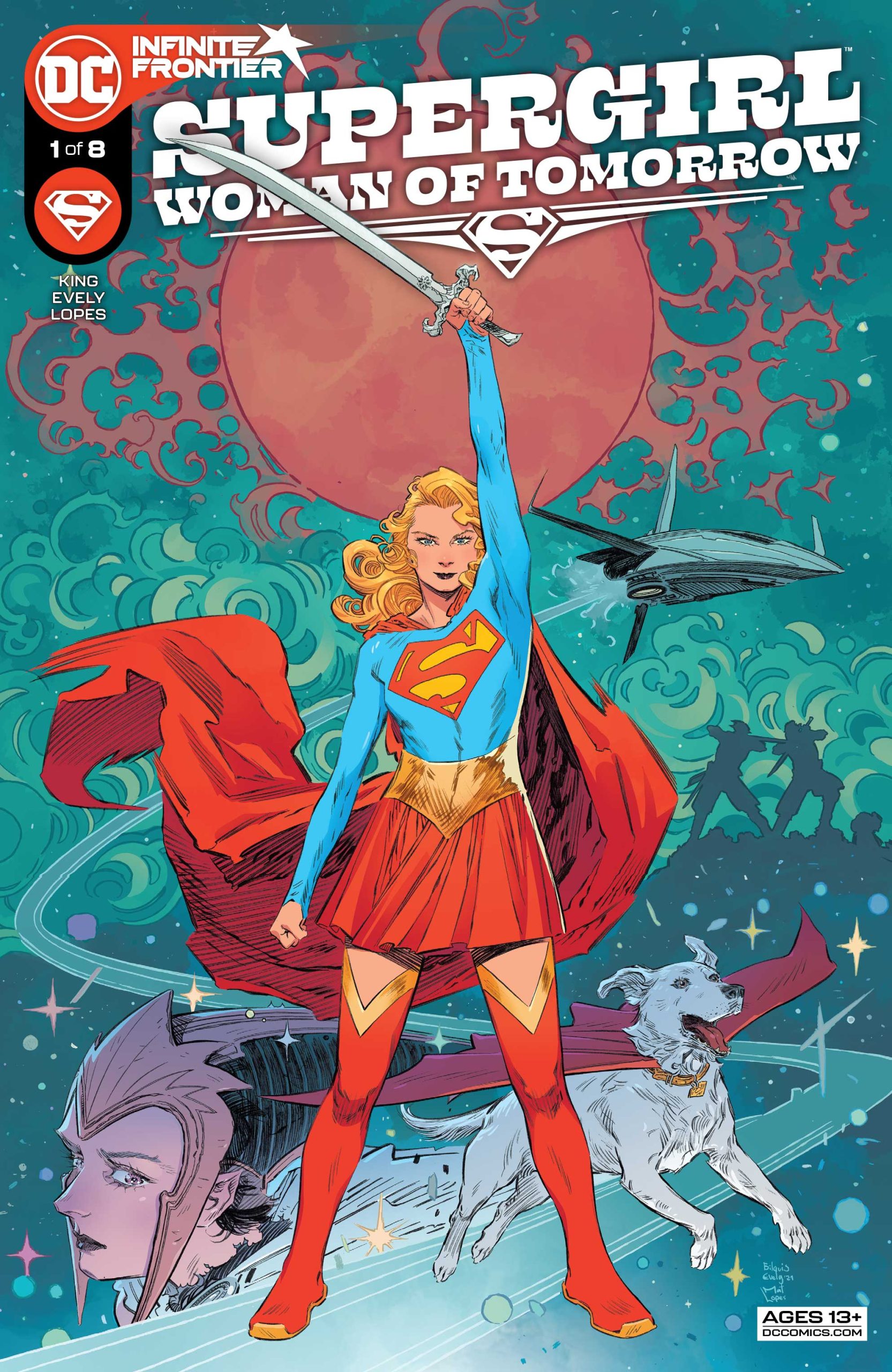
The upcoming release of the Supergirl feature film, scheduled for global theatrical distribution on June 26, 2026, has ignited a renewed public interest in the source material that serves as its narrative foundation: the 2021 DC Comics miniseries Supergirl: Woman of Tomorrow. Written by Tom King with interior art by Bilquis Evely and colors by Matheus Lopes, the eight-issue limited series garnered significant critical acclaim upon its initial publication. However, as the film’s release approaches, the work has been subjected to a rigorous critical re-evaluation by fans and scholars alike, highlighting a growing tension between modern narrative deconstruction and the established legacy of one of DC Comics’ most iconic figures.
The Genesis of a Modern Classic
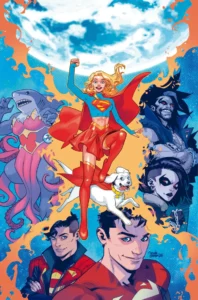
The miniseries was first announced as part of a push to revitalize the Supergirl character following a period of relative creative stagnation. The series follows Kara Zor-El, the Maid of Might, as she traverses the cosmos alongside an alien girl named Ruthye Marye Knoll, who seeks vengeance against a mercenary named Krem of the Yellow Hills for the murder of her father.
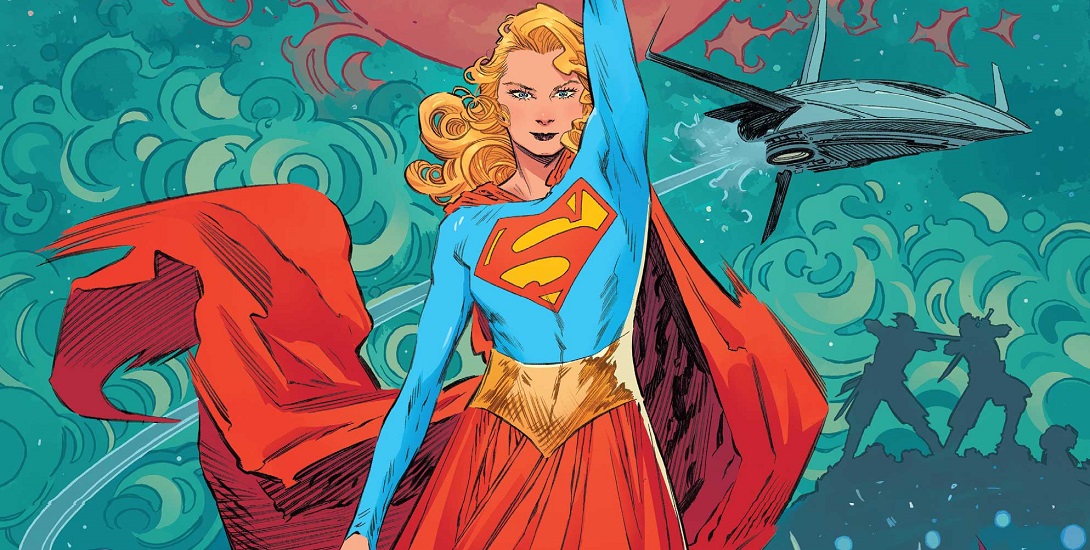
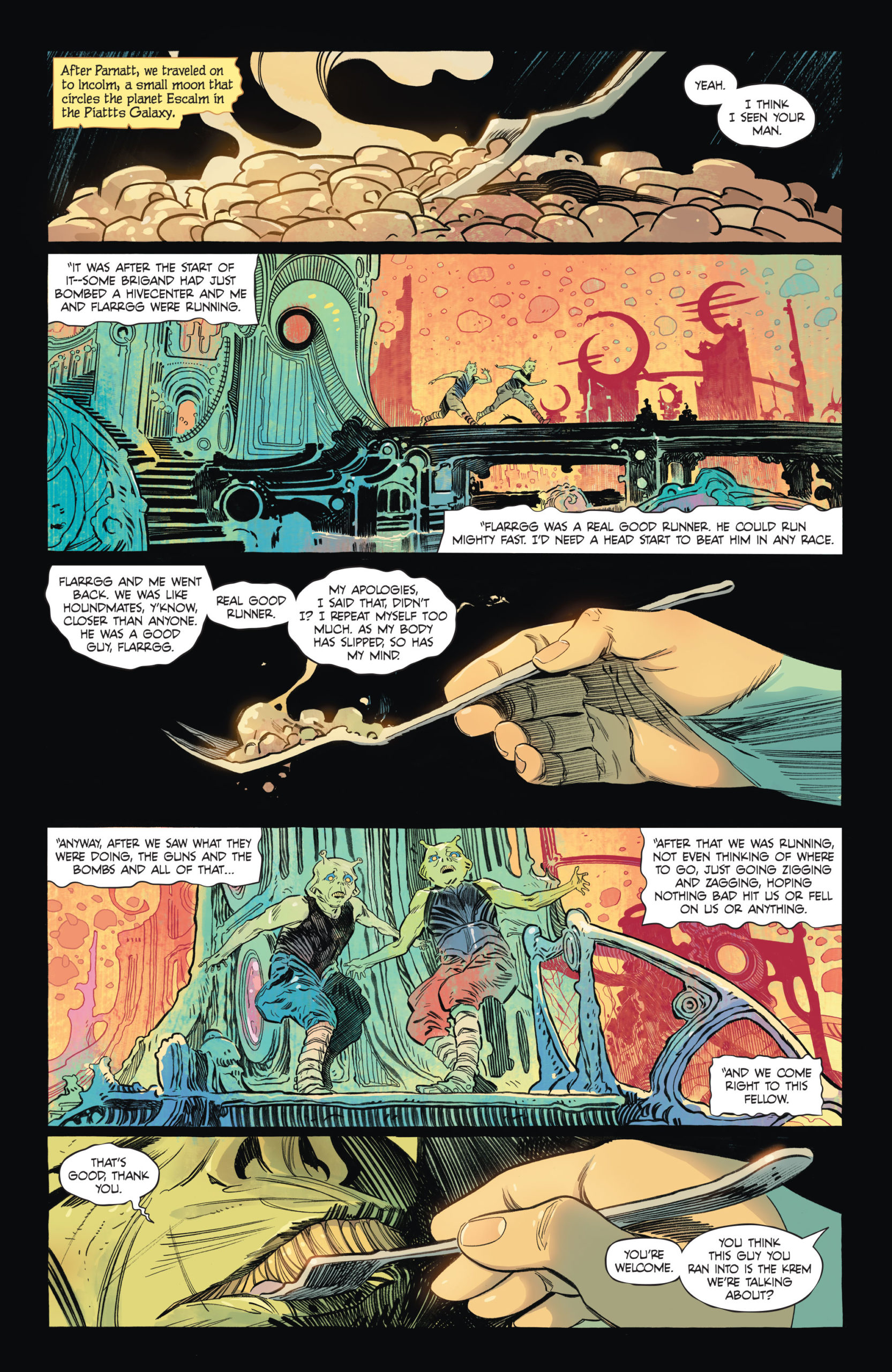
The publication timeline of the series spanned from September 2021 to February 2022. During this period, the book was lauded for its aesthetic ambition. Bilquis Evely’s intricate, painterly style—often compared to classical illustration—was frequently cited as a highlight of the DC publishing slate. Yet, beneath the visual grandeur, the script introduced character choices that have since become the center of intense debate. Specifically, the opening issue depicts a 21-year-old Supergirl consuming alcohol in isolation, a departure from her traditionally optimistic and heroic characterization.
Contextualizing Character Evolution
To understand the current discourse, it is necessary to examine the character’s history. Unlike her cousin, Kal-El, Kara Zor-El carries the explicit trauma of having lived on Krypton until it was destroyed. While previous iterations of the character—such as those penned by Sterling Gates or Jeph Loeb—often explored this trauma through the lens of adjustment and resilience, King’s interpretation pivots toward a more existential, and at times nihilistic, perspective.
The controversy surrounding the "drunk Supergirl" sequence in the first issue is emblematic of a broader critique: the tension between "in-character" consistency and "writer-driven" narrative arcs. Critics of the series argue that the depiction of a lonely, disillusioned Kara fails to account for her established relationships with the extended "Super-family," including Clark Kent and Lois Lane, who serve as a support system. Supporters, however, argue that the narrative serves as a deconstruction of the "heroic burden," positing that the sheer scale of losing an entire civilization would inevitably result in profound, recurring bouts of isolation.

Narrative Parallelism and Thematic Structure
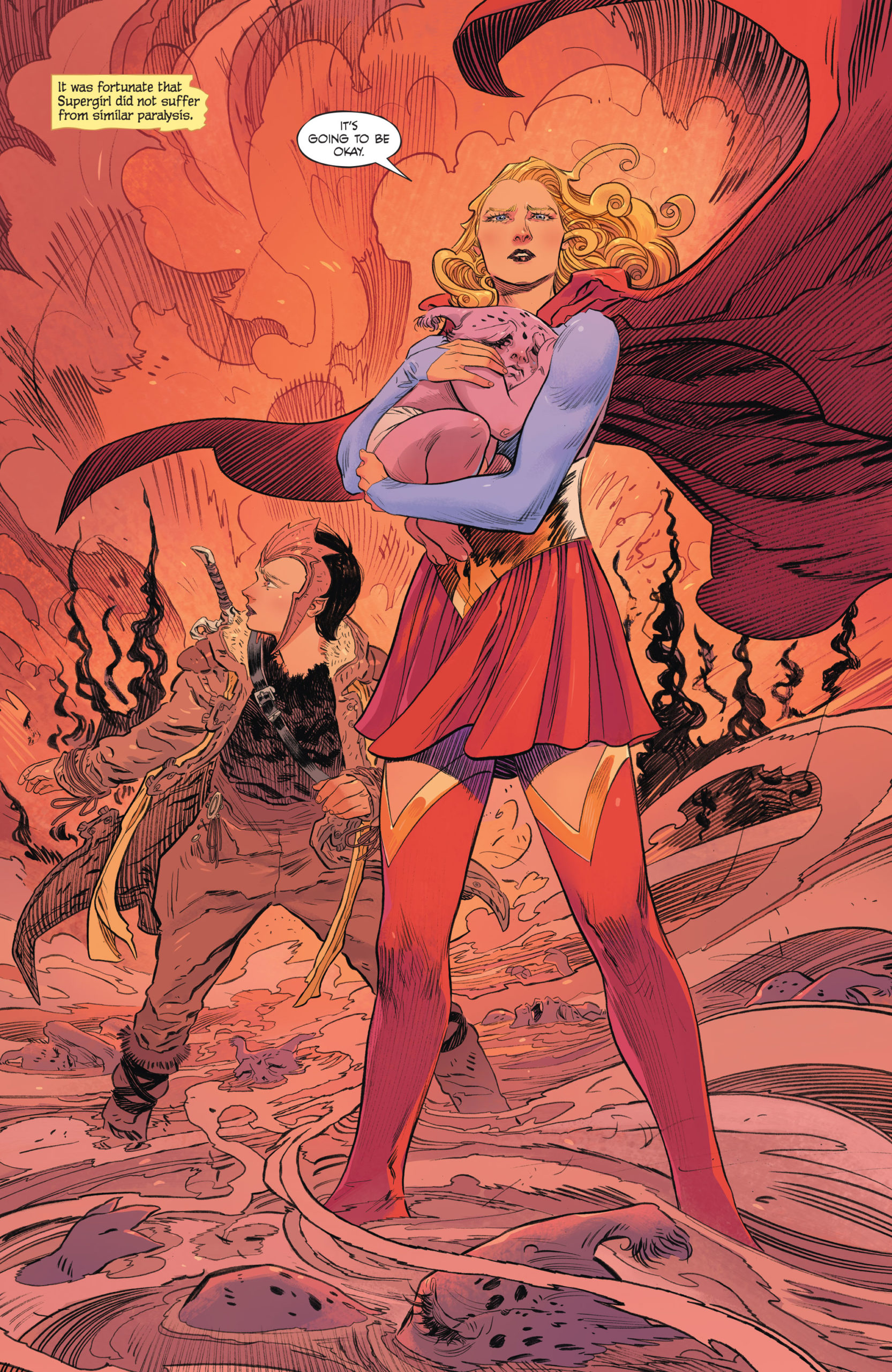
A closer inspection of the text reveals that King utilizes deliberate literary devices to link the protagonists. The journey of Ruthye, a young girl motivated by the singular desire for vengeance, acts as a mirror for Kara’s own internal conflict. The narration boxes, which frequently pull from Ruthye’s own written account of their travels, establish a thematic bridge between the murder of a father and the annihilation of an entire planet.
This structural choice is intended to create a sense of inevitability. From a literary standpoint, the series relies heavily on foreshadowing. The final issue, which depicts the conclusion of the hunt for Krem of the Yellow Hills, has been the subject of extensive debate regarding its ambiguity. By paralleling the opening page of the first issue—where Krem murders Ruthye’s father—with the final page, where Ruthye confronts Krem, the story establishes a cycle of violence that effectively completes the thematic arc.

Critical Reception and Industry Impact
The industry reaction to Supergirl: Woman of Tomorrow has been bifurcated. On one hand, the series is viewed as a high-water mark for contemporary DC storytelling, having won multiple awards and consistently appearing on bestseller lists for graphic novel trade collections. The visual team, led by Evely and Lopes, has received near-unanimous praise, with their work setting a standard for high-fantasy comic book art.
Conversely, the script has faced scrutiny for its perceived "King-isms." Critics of the writer’s style often point to a tendency to place established characters into scenarios that challenge their moral foundations to the point of unrecognizability. This critique is not unique to the Supergirl title; it has been applied to his work on Adam Strange in Strange Adventures and the Justice League International in The Human Target. These projects, while technically proficient, have led to a segment of the readership feeling that the characters are being utilized as puppets for the writer’s specific tone rather than existing as consistent entities within the DC multiverse.
Implications for the 2026 Film
The impending film adaptation represents a massive investment for Warner Bros. and DC Studios. By choosing Woman of Tomorrow as the primary source material, the studio has signaled an intent to pivot away from traditional "superhero origin" stories in favor of a cosmic, character-driven epic.
The film’s success will likely hinge on whether it chooses to lean into the ambiguity of the source material or clarify the moral dilemmas presented in the comics. If the film retains the more polarizing aspects of the book—such as the depiction of Kara’s nihilism or the final, moralizing conclusion regarding revenge—it risks alienating longtime fans of the character while potentially attracting a new audience drawn to a darker, more sophisticated take on the mythos.
Analytical Summary of Key Debates
- Character Authenticity: Does a momentary lapse into hopelessness undermine years of established heroic development? The consensus remains divided between those who prioritize character continuity and those who value the exploration of psychological realism.
- The Role of Artistry: The series demonstrates that even in a polarized narrative environment, world-class artistic contributions (Evely/Lopes) can elevate a project into a "must-read" status, regardless of critical disagreement with the script.
- The Ambiguity of Conclusion: The ending of the series is a focal point of debate. If interpreted as a triumph of justice, it undermines the series’ premise of moral gray areas. If interpreted as a descent into vengeance, it provides a darker, more complex character arc that challenges the traditional "Superman-style" moral binary.
Looking Ahead
As the June 2026 release date approaches, it is expected that Warner Bros. will lean into the high-concept visual elements that made the comic a commercial success. However, the discourse surrounding the book serves as a vital reminder of the deep, often protective connection fans maintain with these legacy characters.
Regardless of whether one views the miniseries as a profound meditation on trauma or an unnecessary subversion of a classic icon, the fact remains that Supergirl: Woman of Tomorrow has successfully demanded a place in the cultural conversation. The upcoming film will serve as the final verdict on whether these creative risks translate to the silver screen, potentially defining the trajectory of the character for a new generation of cinema-goers. For now, the legacy of the comic book remains a subject of active inquiry, standing as a testament to the enduring, complex nature of the Maid of Might.