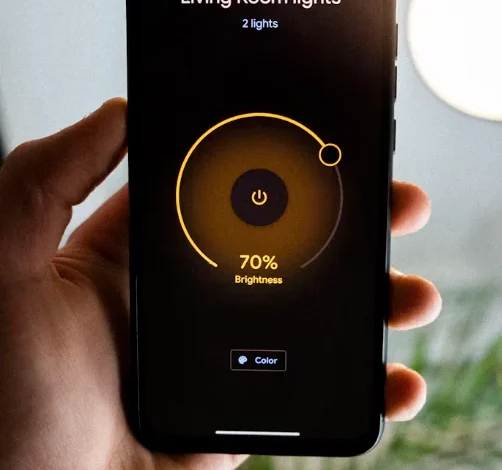
The modern digital landscape has fundamentally transformed how humanity interacts with everyday objects. For decades, cybersecurity discussions centered primarily on personal computers, corporate servers, and mobile phones. However, the relentless proliferation of the Internet of Things (IoT) has expanded the perimeter of potential cyber threats into virtually every corner of domestic and public life. Today, nearly any appliance, vehicle, or medical device outfitted with a microchip, a network adapter, or wireless connectivity represents a potential entry point for malicious actors.

This systemic expansion of vulnerability has caught consumers and regulatory bodies largely unprepared. As manufacturers race to imbue traditional hardware with "smart" capabilities—ranging from energy efficiency monitoring to remote diagnostic access—security protocols frequently take a backseat to market convenience. Consequently, everyday items that have existed for over a century without digital components are now routinely exposed to remote exploits, ransomware campaigns, and privacy invasions.

The Evolution of the Internet of Things and Domestic Vulnerability
The genesis of the smart home phenomenon began modestly in the late 1990s and early 2000s with networked thermostats and automated lighting systems. By the 2010s, consumer demand for home automation skyrocketed, driven by advancements in wireless fidelity (Wi-Fi) coverage, Bluetooth Low Energy (BLE), and edge-computing microcontrollers. According to global technology market research firm IDC, the global installed base of IoT devices surpassed 15 billion active connections by 2023, with projections indicating that number will exceed 25 billion by the end of the decade.
This exponential growth curve has created a massive, decentralized attack surface. Unlike traditional enterprise networks protected by dedicated IT departments and firewalls, residential ecosystems typically feature hundreds of disparate devices manufactured by various third parties. Many of these products ship with default administrative credentials, infrequent firmware update cycles, and minimal encryption standards. Cybersecurity researchers have repeatedly demonstrated that hackers frequently exploit these weak links not necessarily to target the low-tier appliance itself, but to establish a beachhead within the home network from which they can pivot toward more sensitive repositories of personal data.

Medical and Critical Lifesaving Infrastructure
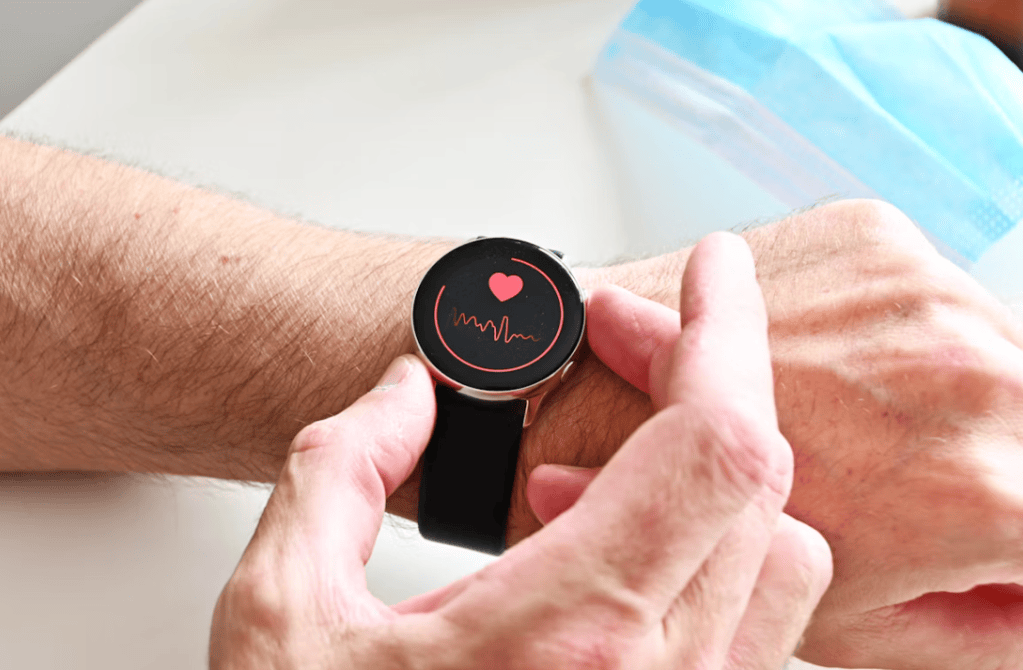
Perhaps the most alarming frontier of modern cyber vulnerability involves embedded medical hardware. Cardiac pacemakers and implantable cardioverter-defibrillators (ICDs) are engineered to sustain human life by monitoring heart rhythms and delivering electrical impulses when anomalies are detected. Modern iterations of these devices feature wireless telemetry capabilities, allowing cardiologists to remotely monitor patient vitals and adjust operational parameters without invasive procedures.

However, this connectivity introduces severe clinical risks. Independent security audits and researchers have revealed that unauthenticated wireless channels can allow malicious actors to intercept telemetry data, drain device batteries prematurely, or maliciously alter pacing configurations. Recognizing these threats, regulatory agencies such as the U.S. Food and Drug Administration (FDA) have issued stringent guidance mandating continuous post-market surveillance and rapid patch deployment frameworks for medical device manufacturers. Despite these measures, the inherent tension between wireless accessibility and airtight security remains one of the medical engineering sector’s most persistent challenges.
Automotive Connectivity and Transit Systems
The transformation of the automobile from a purely mechanical conveyance into a rolling computer network has similarly redefined transportation security. Modern connected vehicles communicate bidirectionally with cellular networks, satellite navigation grids, and manufacturing servers to execute over-the-air (OTA) software updates, stream infotainment media, and support advanced driver-assistance systems (ADAS).
While these features offer unprecedented convenience and safety diagnostics, they simultaneously expose vehicles to remote hacking vectors. Automotive security researchers have famously demonstrated proof-of-concept exploits capable of intercepting internal Controller Area Network (CAN) bus messages, allowing unauthorized individuals to manipulate steering resistance, deactivate braking systems, or disable ignition components remotely. In response, automotive manufacturers have begun establishing dedicated Product Security Incident Response Teams (PSIRT) and implementing hardware-secured cryptographic modules to isolate critical driving controls from consumer-facing infotainment systems.
Household Appliances and Lifestyle Electronics
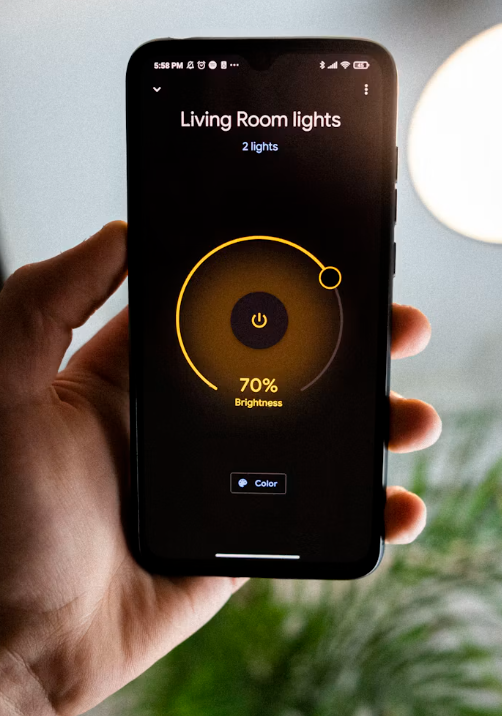
Beyond life-critical systems, the ordinary domestic environment is densely populated by smart appliances that routinely process sensitive data while maintaining direct connections to home routers.

Kitchen and Utility Infrastructure
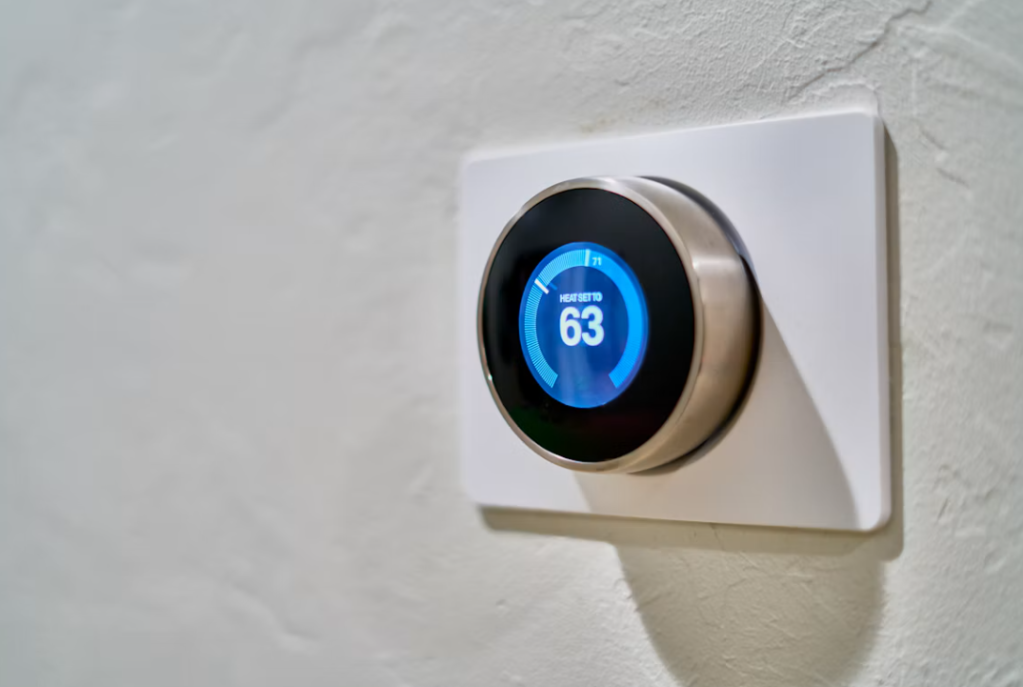
Refrigerators, kitchen ovens, washing machines, and automated coffee makers now routinely feature operating systems capable of inventory tracking, remote preheating, and diagnostic reporting. Security analyses have proven that malicious firmware can be injected into these appliances, allowing cybercriminals to hold kitchen hardware ransom by locking temperature controls, disabling heating elements, or displaying digital extortion demands. Similarly, smart lighting systems and connected thermostats have been exploited to extract primary Wi-Fi credentials or act as covert listening posts via embedded microphones, compromising household privacy without the occupants’ knowledge.

Autonomous Cleaning and Environmental Systems
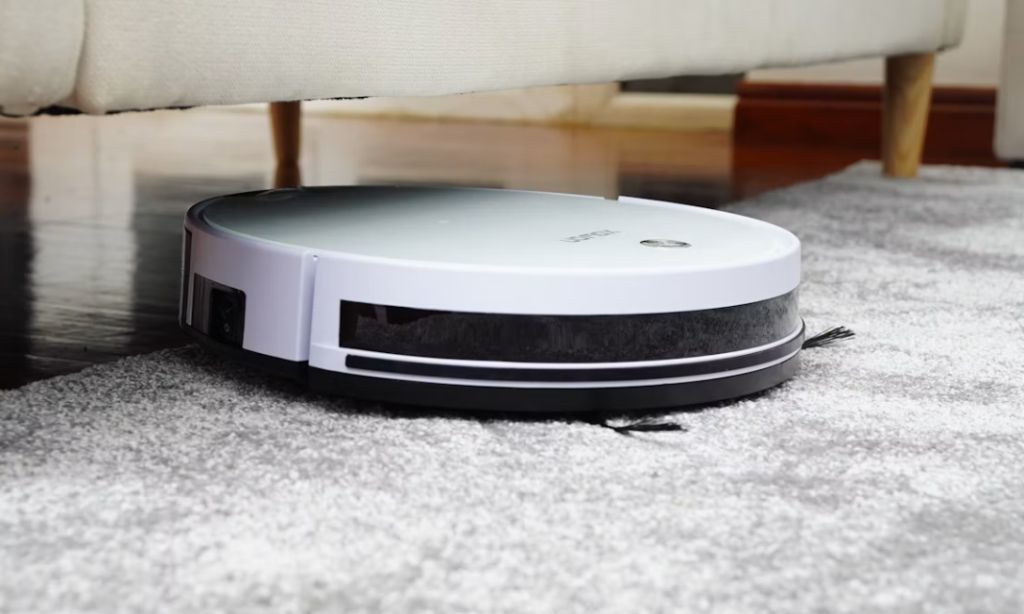
Robotic vacuum cleaners and automated swimming pool maintenance systems represent another unexpected vector for intrusion. Autonomous vacuums, equipped with simultaneous localization and mapping (SLAM) algorithms, constantly scan and upload detailed architectural floor plans, environmental imagery, and audio snippets to cloud servers. A series of high-profile backend authentication flaws discovered in recent years demonstrated that unauthorized third parties could bypass security gates to remotely drive these cleaning devices, access live camera feeds, and harvest precise home layouts. Swimming pool automation units, frequently tied directly to residential Wi-Fi networks to manage chemical balances and filtration schedules, have likewise served as soft targets for unauthorized external manipulation.

Access Control and Security Peripherals
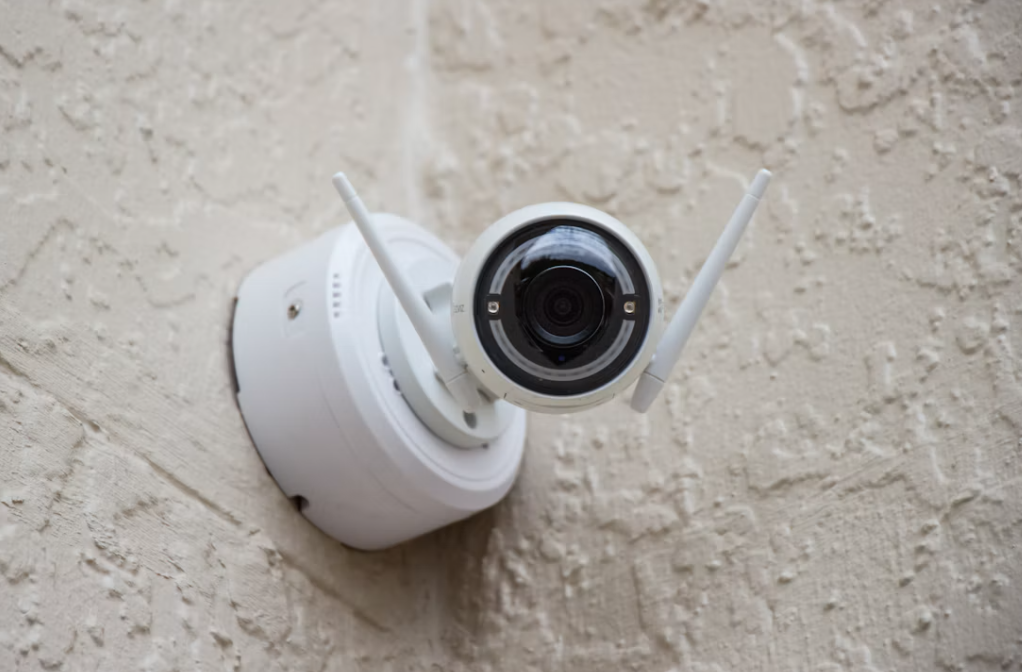
Irony reaches its peak when the very devices deployed to secure a household become its greatest vulnerability. Keyless electronic door locks, smart televisions, and home security cameras are prime targets for automated botnets and targeted intrusion campaigns. In December 2019, major technology providers faced intense public scrutiny and were forced to deploy emergency security patches following widespread reports of unauthorized actors gaining access to domestic security cameras, enabling them to communicate directly with residents—including young children via compromised baby monitors.
Regulatory Responses and Industry Implications
The compounding frequency of IoT security breaches has prompted legislative and regulatory bodies worldwide to reevaluate baseline compliance requirements for connected hardware manufacturers. The European Union’s Cyber Resilience Act (CRA) and the U.S. Cyber Trust Mark initiative represent concerted efforts to establish mandatory cybersecurity standards for commercial IoT products. These frameworks typically require manufacturers to guarantee software support windows, implement robust vulnerability disclosure programs, and eliminate default passwords out of the box.

Industry analysts emphasize that securing the Internet of Things will require a cultural shift across product design lifecycles. Manufacturers can no longer treat cybersecurity as an afterthought or rely solely on consumer vigilance. As the boundary between the physical and digital worlds continues to blur, safeguarding the integrity of everyday objects—from cardiac implants to kitchen appliances—is no longer merely a matter of convenience, but an essential pillar of public safety and personal privacy.