Steven Spielberg’s Strategic Silence: The Art of the Unspoiled Third Act in "Disclosure Day" Trailers

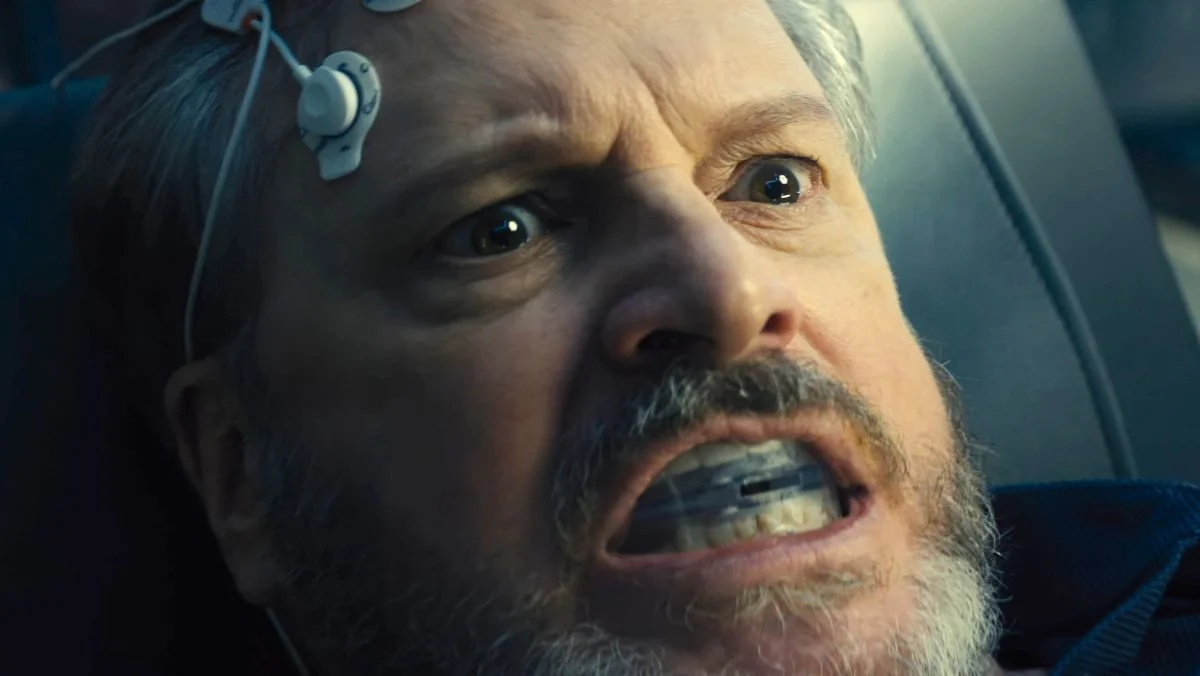
The marketing campaign for Steven Spielberg’s highly anticipated science fiction drama, Disclosure Day, is generating significant buzz, not just for its captivating premise, but for a deliberate and strategic choice made by the legendary filmmaker: the complete omission of any footage from the film’s crucial third act in its promotional materials. This revelation, shared by Spielberg himself during a presentation at CinemaCon 2026 in Las Vegas, has ignited a conversation about the evolving nature of movie trailers and their impact on audience experience. While promoting Disclosure Day at the annual film industry convention, Spielberg articulated a clear rationale for this unconventional approach, emphasizing his desire to preserve the integrity of the narrative and the cinematic journey for his viewers.
The CinemaCon Revelation and Spielberg’s Rationale
At CinemaCon, an exclusive event that serves as a vital platform for Hollywood studios to showcase upcoming releases to exhibitors, critics, and industry professionals, Steven Spielberg unveiled a special trailer for Disclosure Day. This particular screening, attended by representatives from outlets like Nerdist and Entertainment Weekly, was notable for its careful curation of scenes. Spielberg, speaking directly to the audience, explained his reasoning: "They have photographic memories. They see one shot, and they sit in their seats and say, ‘Okay, show me where that shot is gonna appear!’" This observation highlights a perceived shift in audience engagement with trailers in the digital age, where repeated viewings and detailed analysis are commonplace.

Spielberg’s explicit decision to withhold third-act content stems from a deep understanding of how audiences consume trailers today. Unlike previous eras where trailers were primarily encountered once in a cinema setting, the proliferation of online platforms has transformed them into endlessly rewatchable content. This accessibility, while offering fans deeper engagement with the films they anticipate, also presents a significant challenge to maintaining narrative surprise. Spielberg’s strategy appears to be a direct response to this phenomenon, aiming to counteract the potential for viewers to meticulously dissect trailers, thereby pre-emptively predicting plot points and character arcs.
The Evolution of Trailer Consumption and its Impact
The advent of the internet and the ubiquity of smartphones have fundamentally altered the way movie trailers are consumed and analyzed. What was once a fleeting glimpse of a film, experienced perhaps once or twice before a feature presentation, has become a readily available digital artifact. This accessibility has fostered a culture of hyper-analysis, with dedicated websites and social media communities dissecting every frame, soundbite, and visual cue. As noted by publications that specialize in in-depth film analysis, this level of scrutiny can inadvertently shift the viewer’s experience from organic discovery to a game of anticipation, where the primary goal becomes identifying when a glimpsed moment will appear within the film’s structure.
This shift has led to a critical point where trailers, intended to entice and intrigue, can inadvertently diminish the impact of key narrative moments. The act of seeing a trailer multiple times allows viewers to mentally bookmark specific scenes, creating expectations that can sometimes overshadow the unfolding narrative within the film itself. This can lead to a situation where the experience is less about the joy of discovery and more about the confirmation of pre-existing assumptions. Spielberg’s proactive measure in Disclosure Day aims to sidestep this pitfall, encouraging a more immersive and surprising viewing experience.
The Peril of Third-Act Spoilers
The potential for trailers to spoil a film’s pivotal moments, even during the viewing of the film itself, is a recurring concern. A notable example often cited in discussions of trailer strategy is the marketing for Captain America: Civil War. While the trailer clearly indicated a conflict between Iron Man and Captain America, a prominent sequence featuring Bucky Barnes, Steve Rogers, and Tony Stark engaged in combat was heavily featured. This particular scene, crucial for the film’s dramatic climax, appeared in numerous promotional materials. However, within the film’s narrative, the emotional weight of this confrontation is amplified by a preceding moment where the characters appear to have reconciled. The prior exposure to this climactic fight in trailers, however, inevitably undercut the impact of this supposed resolution, as audiences already knew the inevitable confrontation was still to come.
This phenomenon illustrates how third-act footage, when showcased too prominently, can actively undermine the carefully constructed emotional arcs and plot twists that filmmakers strive to deliver. It creates a dissonance where the viewer’s prior knowledge, gleaned from the trailer, conflicts with the intended emotional progression of the story. Spielberg’s decision to exclude such material from Disclosure Day aims to preserve the element of surprise and allow these crucial moments to resonate with their full intended impact.
Broader Implications for the Film Industry
Spielberg’s commitment to protecting the third act of Disclosure Day from trailer exposure carries significant implications for the broader film industry. It serves as a powerful statement advocating for a return to a more curated and less revealing approach to film marketing. The success of this strategy could potentially influence other studios and filmmakers to re-evaluate their own trailer practices, leading to a more consistent emphasis on preserving narrative integrity.

The current landscape of film promotion often sees trailers pushing the boundaries of what constitutes spoiler territory. This is partly driven by the competitive nature of the market, where studios vie for attention in a crowded media environment. However, as Spielberg’s approach suggests, there is a growing recognition that the pursuit of immediate engagement through extensive previews may come at the cost of long-term audience satisfaction. By prioritizing the sanctity of the film’s narrative conclusion, Spielberg is not only championing a traditional aspect of cinematic storytelling but also potentially setting a new standard for responsible and impactful trailer creation.
The Power of Preserving the Cinematic Experience
The decision by Steven Spielberg and his team to shield Disclosure Day‘s third act from trailers is more than just a marketing tactic; it is a philosophical stance on the nature of cinematic storytelling and the viewer’s experience. In an era saturated with spoilers and readily available information, the deliberate act of withholding crucial plot elements is a bold move designed to enhance the magic of the theatrical experience.
The success of Disclosure Day in this regard could serve as a powerful case study, demonstrating that a commitment to preserving narrative surprise can ultimately lead to a more rewarding and memorable engagement for audiences. As the film industry continues to navigate the complexities of digital distribution and audience consumption, Spielberg’s approach offers a compelling argument for a return to a marketing paradigm that values the integrity of the story above all else, ultimately enriching the magic that draws audiences to the cinema in the first place. The hope is that this intentional restraint will foster a more profound connection between the audience and the unfolding narrative, making the eventual viewing of Disclosure Day a truly unparalleled cinematic event.