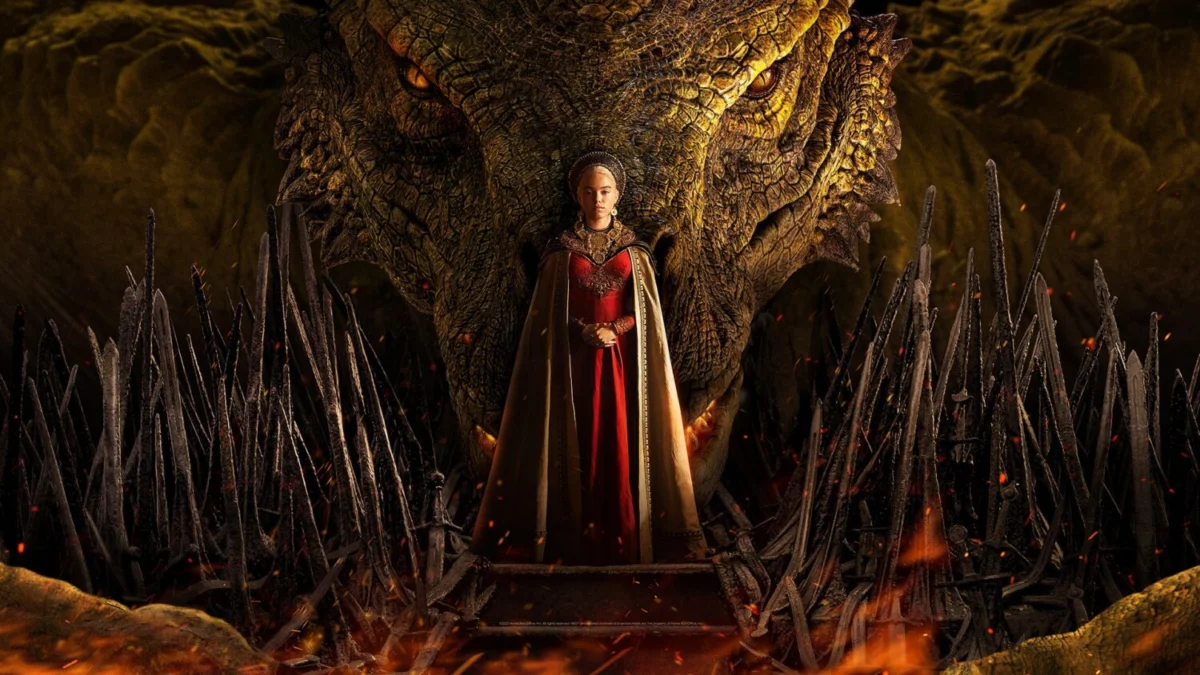
Warner Bros. has officially revealed the working title for its highly anticipated Game of Thrones film, Game of Thrones: Aegon’s Conquest. This cinematic endeavor, slated for release in 2027 or beyond, marks a significant expansion of the beloved franchise into the theatrical realm, a move long anticipated by fans. The announcement was made during Warner Bros.’ prominent presentation at CinemaCon 2026 in Las Vegas, a key event for industry professionals and a barometer for upcoming film releases. While the title remains a working designation and is subject to refinement in the development process, it firmly establishes the film’s thematic core.
The Dawn of an Empire: Aegon the Conqueror Takes Center Stage
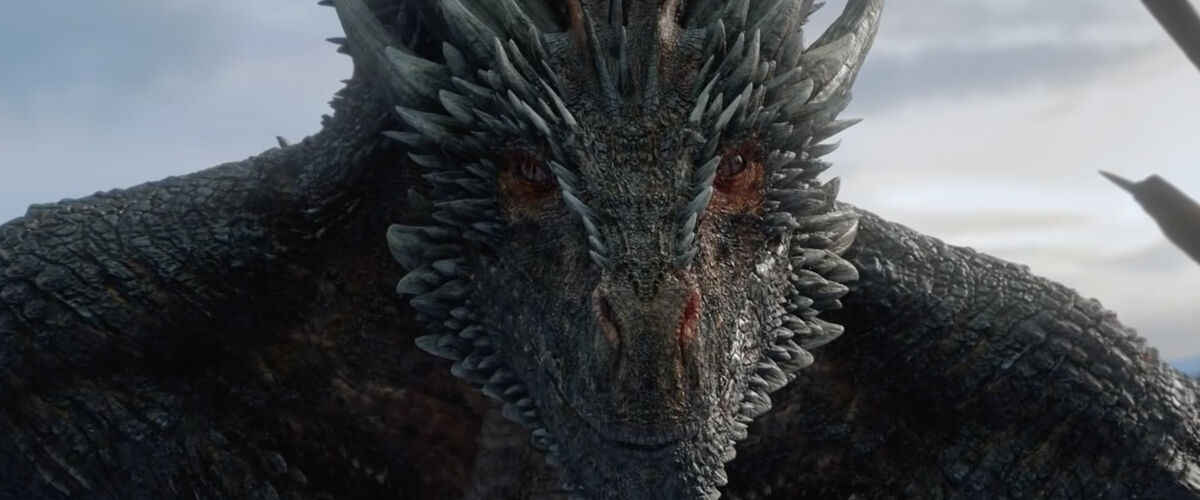
The narrative of Game of Thrones: Aegon’s Conquest will delve into the pivotal era of Westeros’ history, focusing on Aegon I Targaryen. He is historically recognized as the first Lord of the Seven Kingdoms and the inaugural monarch to sit upon the Iron Throne. This foundational period, chronicled in George R.R. Martin’s expansive lore, particularly within his book "Fire & Blood," promises to be a rich tapestry of ambition, warfare, and the forging of a nation. The film is expected to meticulously detail Aegon’s legendary campaign to unite the disparate kingdoms of Westeros under a single banner. This monumental task was undertaken with the crucial support and strategic prowess of his sister-wives, Visenya and Rhaenys. Their combined efforts, often depicted with the aid of dragons, were instrumental in subjugating the existing rulers and laying the groundwork for a unified realm. The film will likely explore the immense personal and political challenges faced by Aegon as he navigated this tumultuous period, ultimately culminating in the creation of the iconic Iron Throne itself—a symbol forged from the very swords of his vanquished foes.
A Legacy of Storytelling: Creative Minds Behind the Conquest
The screenplay for Game of Thrones: Aegon’s Conquest is being penned by Beau Willimon, a writer whose previous work has garnered critical acclaim and demonstrated a keen understanding of complex political narratives. Willimon is best known for his masterful development of the Netflix political drama House of Cards, where he served as showrunner and writer, earning multiple Emmy nominations for his efforts. His experience in crafting intricate character arcs and high-stakes dramatic tension within a fictional political landscape makes him a fitting choice for this ambitious project. Furthermore, Willimon’s recent contributions to the Disney+ series Andor, a prequel to the Star Wars saga, showcase his versatility and ability to adapt to established, beloved universes while infusing them with fresh perspectives and compelling storytelling. His involvement suggests a commitment to a nuanced and character-driven approach to the epic tale of Aegon’s Conquest.
Expanding the Westerosi Universe: A Multitude of Targaryen Narratives
The arrival of Game of Thrones: Aegon’s Conquest on the big screen is not an isolated event within the ever-expanding Game of Thrones franchise. It coincides with a period of significant growth for HBO’s related television projects, underscoring Warner Bros. Discovery’s commitment to leveraging the immense popularity of George R.R. Martin’s universe.
House of the Dragon: Season Three
HBO is actively preparing for the third season of its critically acclaimed prequel series, House of the Dragon, scheduled for release in June 2026. This series, set centuries before the events of the original Game of Thrones, focuses on the internal Targaryen conflict known as the Dance of the Dragons. The narrative centers on Princess Rhaenyra Targaryen, portrayed by Emma D’Arcy, a formidable claimant to the Iron Throne whose lineage traces back to Aegon the Conqueror. The anticipation for the third season is palpable, following the dramatic conclusion of its second season, which has further solidified the show’s appeal and its position as a flagship series for HBO. The ongoing success of House of the Dragon undoubtedly fuels the studio’s confidence in further exploring the Targaryen dynasty through cinematic means.
A Knight of the Seven Kingdoms: Season Two
Adding to the slate of interconnected stories, HBO has also greenlit a second season for its other television spin-off, A Knight of the Seven Kingdoms. This series serves as an adaptation of George R.R. Martin’s beloved "Tales of Dunk and Egg" novella series. Set approximately 90 years before the events of Game of Thrones, it follows the adventures of Ser Duncan the Tall, a hedge knight, and his squire, Aegon V Targaryen (Egg). This prequel offers a more grounded and character-focused perspective, exploring the lives of ordinary individuals within the Westerosi world, a contrast to the grand political machinations of other spin-offs. The second season is anticipated to arrive in 2027, further diversifying the storytelling within the franchise and potentially laying groundwork or thematic connections to the larger Targaryen saga.
Strategic Timing and Franchise Momentum
The announcement of Game of Thrones: Aegon’s Conquest and its placement within the 2027 and beyond release window is a strategic move by Warner Bros. Discovery. Following the immense success of House of the Dragon and the continued production of A Knight of the Seven Kingdoms, the studio is capitalizing on a renewed and sustained interest in the Game of Thrones universe. This phased approach allows for the careful development and marketing of each project, ensuring that the franchise remains a consistent presence in the cultural landscape without overwhelming audiences.
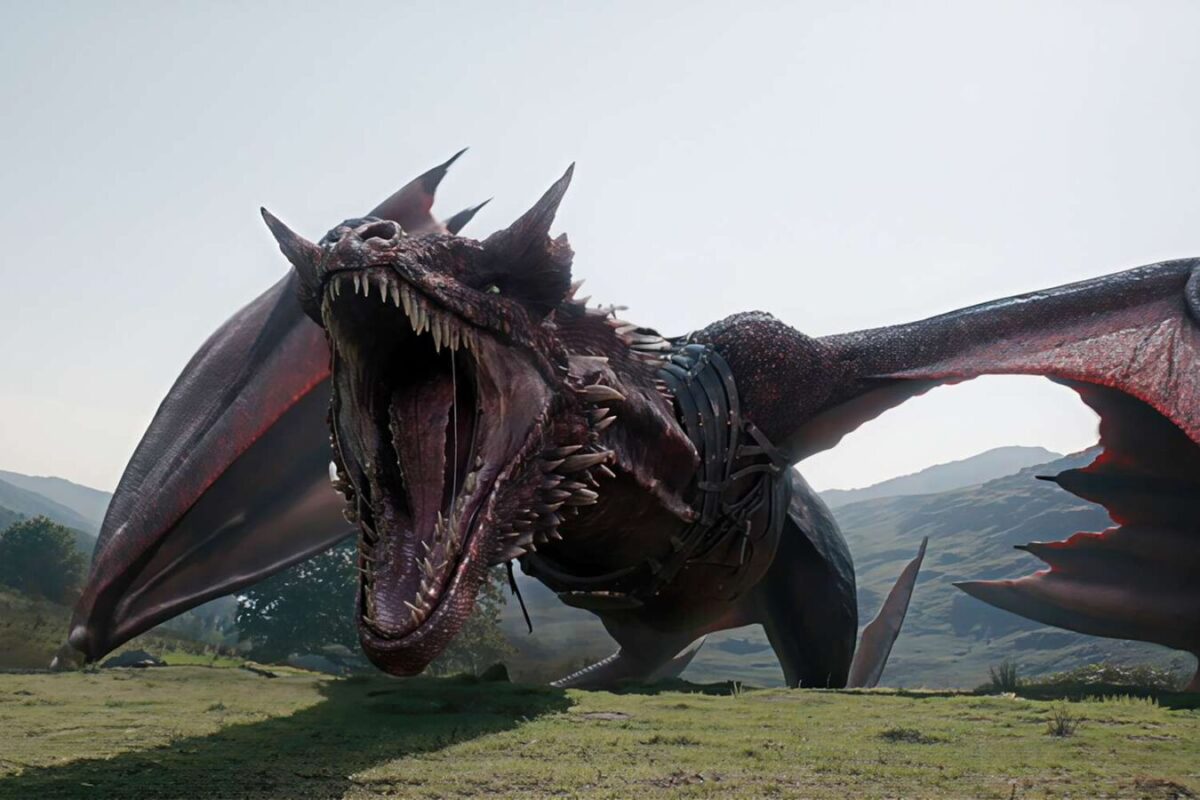
The decision to bring Game of Thrones to the big screen for the first time is a significant milestone. While the original television series achieved unprecedented global success and critical acclaim, its narrative scope and character development were primarily tailored for the episodic format. A feature film allows for a more focused, cinematic experience, potentially with a larger budget for visual effects and spectacle, enabling the filmmakers to truly bring the epic scale of Aegon’s Conquest to life in a way that might be constrained by television production schedules.
Industry Reactions and Fan Expectations
While official statements directly from the film’s creative team or Warner Bros. beyond the CinemaCon presentation are yet to be widely disseminated, industry analysts and fan communities have reacted with a mixture of excitement and cautious optimism. The success of House of the Dragon has demonstrated that audiences are eager for more Westerosi content, provided it maintains a high standard of quality in writing, acting, and production.
Fans, in particular, have long clamored for a cinematic adaptation of key events in Westerosi history. Aegon’s Conquest is one of the most foundational and dramatic periods, offering a wealth of material for a visually stunning and narratively compelling film. The choice of Beau Willimon as writer is also seen as a positive indicator, given his proven track record with complex character studies and political intrigue.
However, the challenges are considerable. Adapting a significant historical period from Martin’s expansive lore requires careful balancing of historical accuracy (within the fictional context), character development, and pacing. The legacy of the original Game of Thrones, with its intricate plotlines and morally ambiguous characters, sets a high bar. The success of Game of Thrones: Aegon’s Conquest will hinge on its ability to capture the same gravitas and immersive world-building that captivated millions globally, while also carving out its own distinct identity within the franchise.
Broader Implications for the Fantasy Genre
The continued investment in the Game of Thrones universe by Warner Bros. Discovery, now including a major theatrical release, signifies a broader trend in the entertainment industry: the significant commercial potential of expansive fantasy franchises. As other studios explore similar avenues with their own fantasy properties, the success of these Game of Thrones projects, from television spin-offs to feature films, will likely influence future development strategies. It underscores the appetite for rich, complex fantasy worlds that can sustain multiple narratives across different platforms and formats, offering long-term engagement for audiences and significant revenue streams for studios. The ambition behind Game of Thrones: Aegon’s Conquest suggests a bold vision for the future of the franchise, aiming to solidify its status as a cornerstone of modern fantasy storytelling for years to come. The journey from Westeros’s television screens to its cinematic future is well underway, with Aegon the Conqueror poised to lead the charge.