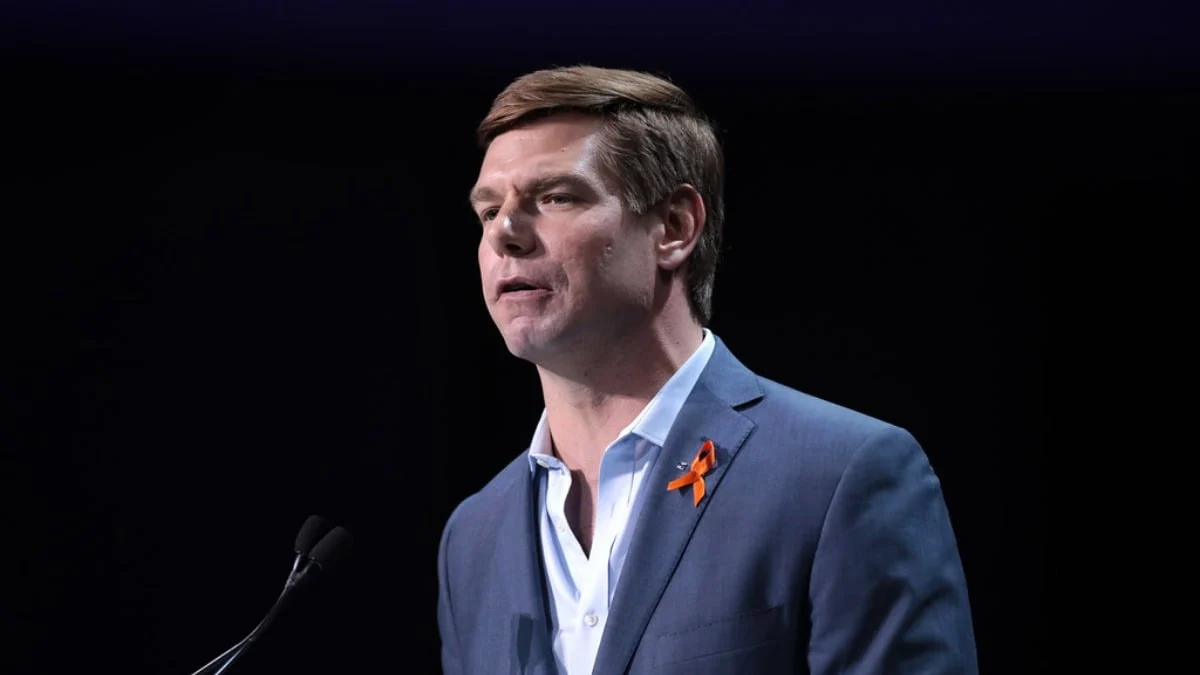
Democratic Representative Eric Swalwell has officially resigned from his seat in Congress, a decision that follows mounting sexual assault allegations and a subsequent withdrawal from his gubernatorial bid. The announcement on April 17th, 2026, marks a significant turning point for the California congressman, who has vehemently denied the accusations while acknowledging past "mistakes in judgment." Two of his accusers, Ally Sammarco and Annika Albrecht, have publicly expressed a sense of vindication, asserting that Swalwell’s departure is a necessary step towards accountability.
The Unfolding Allegations and Swalwell’s Response
The controversy surrounding Representative Swalwell intensified with multiple women coming forward to allege sexual misconduct. These accusations include claims of unsolicited explicit messages and nude photographs shared by the congressman. One accuser, Ally Sammarco, detailed her experience in an interview with CNN, stating she felt "very vindicated" by the public pressure and Swalwell’s eventual decision to step down. She elaborated on her sentiments in an interview with CBS News, suggesting that Swalwell was "pushed into a corner, essentially, because they were planning to expel him." Sammarco added, "I think he did that to save face a little. But I also felt very vindicated that he realized it was over for him."
Annika Albrecht, another accuser, also spoke to CBS News following the announcement of Swalwell’s resignation. This marked her first public statement regarding the allegations. Albrecht articulated her perspective on justice, stating, "For me, justice won’t be until he can’t ever harm a woman ever again, and he has faced the consequences for the women that he has harmed." Her sentiment echoes a broader public discourse surrounding the allegations and the need for accountability for those in positions of power.
In response to the growing pressure and the allegations, Representative Swalwell issued an official statement via his social media account. He began by offering an apology: "I am deeply sorry to my family, staff, and constituents for the mistakes in judgment I’ve made in my past." He firmly stated his intention to contest the accusations, declaring, "I will fight this serious, false allegation made against me. However, I must take responsibility and ownership for the mistakes I did make."
Swalwell also addressed the political implications of the situation, acknowledging the efforts to initiate an expulsion vote against him. He argued that "Expelling anyone in Congress without due process, within days of an allegation being made, is wrong." However, he conceded that the ongoing controversy was a distraction from his duties to his constituents. Consequently, he announced his decision to resign: "Therefore, I plan to resign my seat in Congress. I will work with my staff in the coming days to ensure they are able, in my absence, to serve the deeds of the good people of the 14th Congressional District." This statement indicates a strategic move to mitigate further political fallout and ensure a semblance of continuity for his district.
Timeline of Events and Political Ramifications
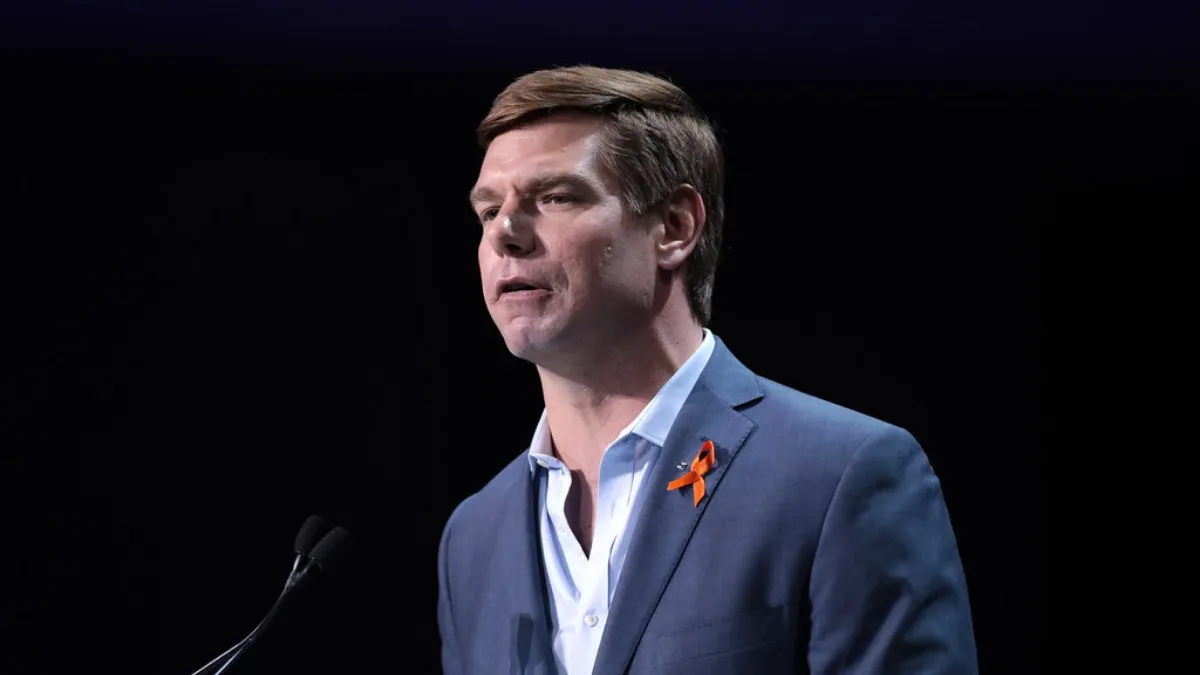
The resignation of Representative Swalwell unfolds against a backdrop of increasing scrutiny on public figures accused of misconduct. While the precise dates of the alleged incidents are not fully detailed in initial reports, the public revelation of the allegations appears to have precipitated a rapid chain of events.
- Early 2026 (Specific dates undisclosed): Multiple women come forward with allegations of sexual assault and misconduct against Representative Eric Swalwell. These allegations include claims of unsolicited explicit messages and nude photographs.
- Mid-April 2026: One accuser, Ally Sammarco, publicly discusses her feelings of vindication following the news. Annika Albrecht, another accuser, makes her first public statement.
- April 17th, 2026: Representative Eric Swalwell announces his resignation from Congress and withdraws from his campaign for California Governor. He issues a statement acknowledging past "mistakes in judgment" while denying the core sexual assault allegations.
- Ongoing: Legal and ethical ramifications of the allegations are expected to continue, even after Swalwell’s departure from his congressional seat.
Swalwell’s decision to withdraw from the California gubernatorial race, which he had officially suspended following the news of the allegations, underscores the severity of the accusations and their impact on his political ambitions. The political landscape in California, and indeed within the Democratic Party, will now contend with the vacancy created by his resignation.
Broader Context and Societal Implications
The case of Eric Swalwell is emblematic of a broader societal reckoning with issues of sexual misconduct and accountability, particularly concerning individuals in positions of power. The #MeToo movement, which gained significant momentum in previous years, has fostered an environment where accusers feel more empowered to come forward and demand justice. The swiftness of the public reaction and the internal political pressure within Congress suggest that such allegations can no longer be easily dismissed or swept under the rug.
The article notes that Congress was likely prepared to act to remove Swalwell, even without his resignation, citing "optics alone." This implies that the political institution itself is sensitive to public perception and the potential damage caused by scandals. The mention of an "Ethics Committee investigation" as a "stalling tactic" suggests a procedural understanding that can be exploited, but ultimately, the weight of public opinion and the potential for a decisive floor vote can compel action.
The statement from the author, "Make no mistake, Congress was going to get rid of Swalwell just for the optics alone," highlights the performative aspect of political accountability. While genuine pursuit of justice is paramount, the political calculus of maintaining public trust also plays a significant role. The implication that "public perception really does matter in this case" suggests that the pressure from constituents and the media played a crucial role in the unfolding events.
The concluding paragraph of the original article raises a pertinent question about the future: "But, who’s to say we won’t have to contend with some sort of grand reintroduction of Swalwell down the line." This speculative, albeit grounded in the observed patterns of political comebacks, points to the enduring nature of public figures and the potential for their return to public life, even after significant controversies. The observation that "Men behaving badly all came out of the ground like cicadas this year" further contextualizes Swalwell’s situation within a larger trend of public figures facing scrutiny for misconduct in 2026. This cyclical nature of public discourse on accountability suggests that vigilance and continued advocacy for victims will remain essential.
The resignation of Representative Swalwell signifies a moment of reckoning, providing a measure of relief for his accusers and prompting broader discussions about accountability, due process, and the enduring impact of allegations of sexual misconduct on political careers and public trust. The future trajectory of Swalwell’s public life remains uncertain, but his departure from Congress marks a significant consequence for his alleged actions.