
The landscape of video games is often defined by its climactic encounters, the boss fights that serve as the ultimate crucible for player skill, strategic thinking, and perseverance. At their apex, these confrontations are designed to be exhilarating tests, offering a profound sense of accomplishment upon victory. However, not all boss encounters achieve this delicate balance. A significant number, through design choices that lean on frustration rather than fair challenge, leave players with a lingering sense of exasperation rather than exhilaration. These are the battles that transcend mere difficulty to become exercises in tedium, confusion, or even perceived unfairness, etching themselves into player memory not for the triumph, but for the sheer exhausting ordeal of reaching it.
This phenomenon is not a recent development. Throughout the history of video gaming, certain bosses have become infamous for their capacity to test a player’s patience beyond the limits of enjoyment. The root causes are varied: some employ "cheap" mechanics that feel unavoidable or disproportionately punishing, while others rely on abrupt and unforeshadowed difficulty spikes. Awkward design choices, such as convoluted puzzle elements integrated into combat or mechanics that feel unintuitive, can also contribute to this negative player experience. The result is an encounter that feels less like a test of mastery and more like an obstacle course designed to break the player’s spirit.

The Psychology of Frustration in Boss Encounters
The psychological impact of a frustrating boss fight can be substantial. For many players, video games represent a form of escapism and entertainment. When a boss encounter devolves into an exercise in futility, it can undermine this primary objective. Studies in game design theory suggest that players are more likely to disengage from a game if they perceive the challenges as insurmountable or unfair. This can lead to a negative perception of the entire game, regardless of its other merits. The frustration can stem from a variety of factors, including the perceived lack of player agency, the feeling of being cheated by the game’s mechanics, or the sheer amount of time invested in repeated, fruitless attempts.
The concept of "flow state," a psychological state where a person is fully immersed in an activity, is often the ideal sought in challenging game design. Flow state is characterized by a balance between skill and challenge. When a boss fight pushes the challenge too far beyond the player’s perceived skill, or introduces elements that disrupt the player’s ability to engage with their learned mechanics, the flow state is broken, leading to frustration. This is particularly true when the mechanics of the boss fight feel disconnected from the core gameplay loop that has been established throughout the rest of the game.

Infamous Encounters That Defined Frustration
Several boss fights have risen to notoriety for their ability to induce frustration among players, becoming benchmarks for what not to do in game design. These encounters often share common traits: excessive reliance on trial-and-error, mechanics that feel unfair or poorly explained, and a difficulty curve that feels more like a cliff face.
Malenia, Blade of Miquella (Elden Ring)
FromSoftware’s Elden Ring is renowned for its challenging boss encounters, but Malenia stands apart. Her signature ability to heal with every successful hit, coupled with an incredibly aggressive and swift attack pattern, creates an encounter that can feel overwhelmingly punishing. Even for players who have mastered the game’s intricate combat system, Malenia demands near-perfect execution. The sheer speed and ferocity of her attacks, combined with her self-healing, can turn extended battles into a grueling test of endurance and patience, where a single misstep can undo minutes of progress. Analysis of player discussions reveals that the frustration often stems from the perceived "unfairness" of an enemy healing itself while simultaneously attacking with such intensity, creating a feedback loop of damage and recovery that can feel inescapable.
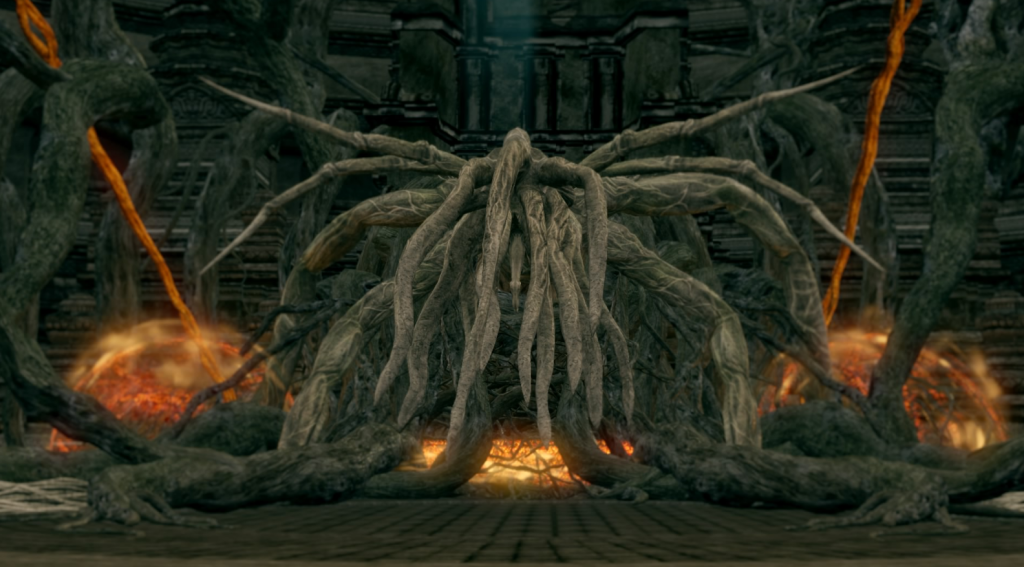
Bed of Chaos (Dark Souls)
The Dark Souls series is no stranger to difficult bosses, but the Bed of Chaos in the original Dark Souls is often cited as an example of poor design rather than a test of skill. This encounter is less a traditional boss fight and more a perilous platforming puzzle filled with environmental hazards that can instantly kill the player. The unpredictable nature of the boss’s attacks, coupled with the need for precise platforming in a dangerous environment, leads to frequent deaths and restarts. The frustration is amplified by the lack of clear telegraphing for some hazards and the repetitive nature of having to navigate the treacherous arena multiple times after each failed attempt, often without any clear indication of what went wrong.
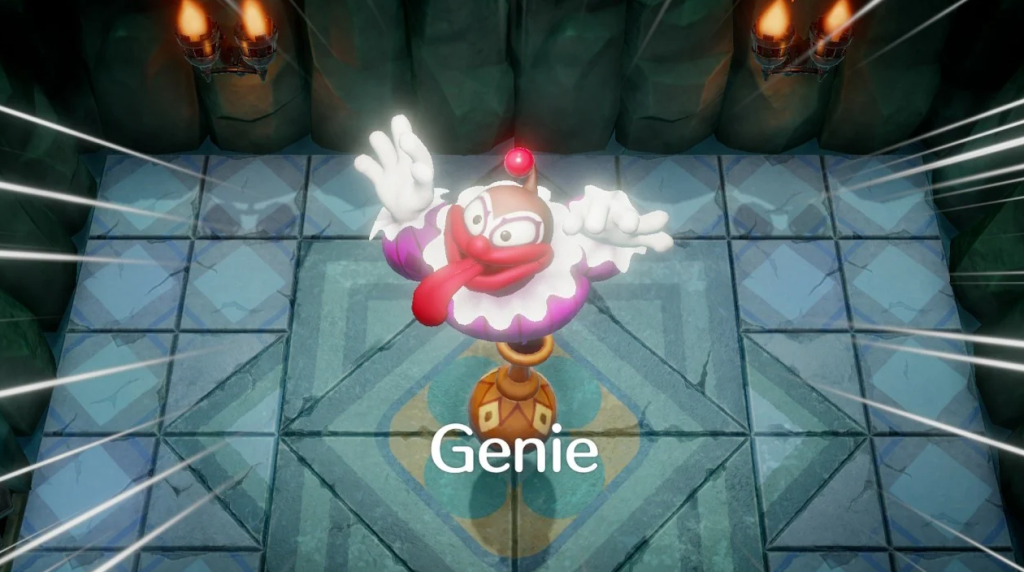
The Genie (The Legend of Zelda: Link’s Awakening)
While the Legend of Zelda series is celebrated for its clever puzzles and engaging combat, Link’s Awakening features a boss encounter that is more annoying than challenging. The Genie, encountered early in the game, is characterized by constant, drawn-out taunting and text interruptions that significantly slow down the pace of the fight. Its attack patterns are repetitive, and the overall duration of the encounter feels unnecessarily extended by the Genie’s verbose and unskippable dialogue. This can lead to a sense of tedium, where players are eager to move on but are held back by the boss’s prolonged, unengaging mechanics.
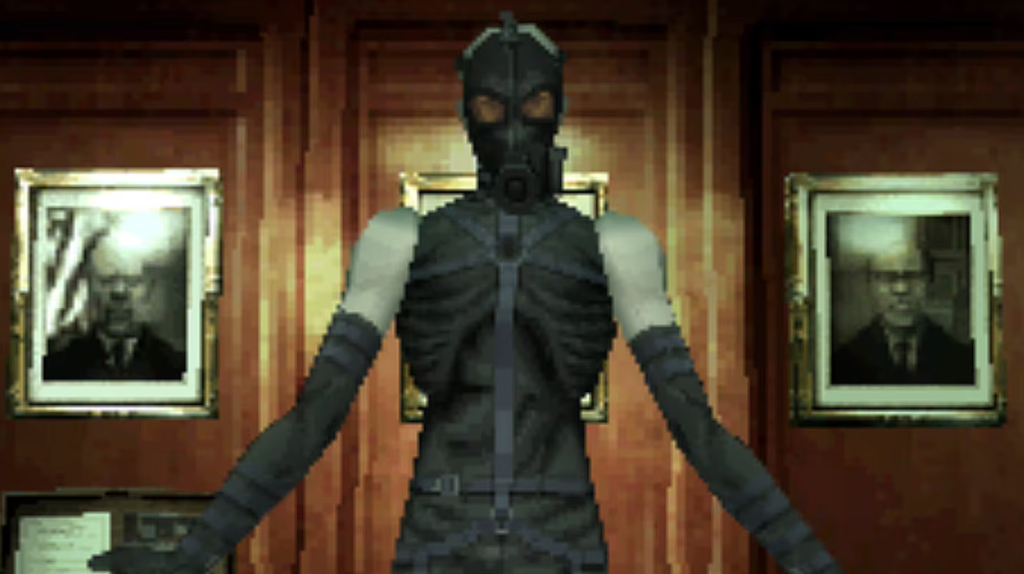
Psycho Mantis (Metal Gear Solid)
Metal Gear Solid‘s Psycho Mantis was a groundbreaking boss fight for its innovative use of fourth-wall-breaking mechanics. However, this innovation also made it a source of significant frustration for players who were not privy to its secrets. The fight famously required players to physically unplug their controller and plug it into a different port to avoid being "read" by the boss. Without prior knowledge or a helpful hint, this puzzle element could leave players bewildered and confused, unable to comprehend why their controller inputs were being negated. While revolutionary, its reliance on external, non-gameplay knowledge made it an arbitrary and frustrating hurdle for many.
Ruby Weapon (Final Fantasy VII)
Final Fantasy VII‘s optional super boss, Ruby Weapon, is infamous for its brutal difficulty and the specific, often convoluted, strategies required to defeat it. This encounter demands meticulous preparation, specific party setups, and a deep understanding of the game’s mechanics. Its devastating attacks can quickly decimate a party, and the fight’s conditions can feel overly strict. For many players, the necessity of resorting to highly specific, almost formulaic strategies can detract from the sense of organic combat and skill-based victory, turning it into a frustrating exercise in trial-and-error or following online guides.
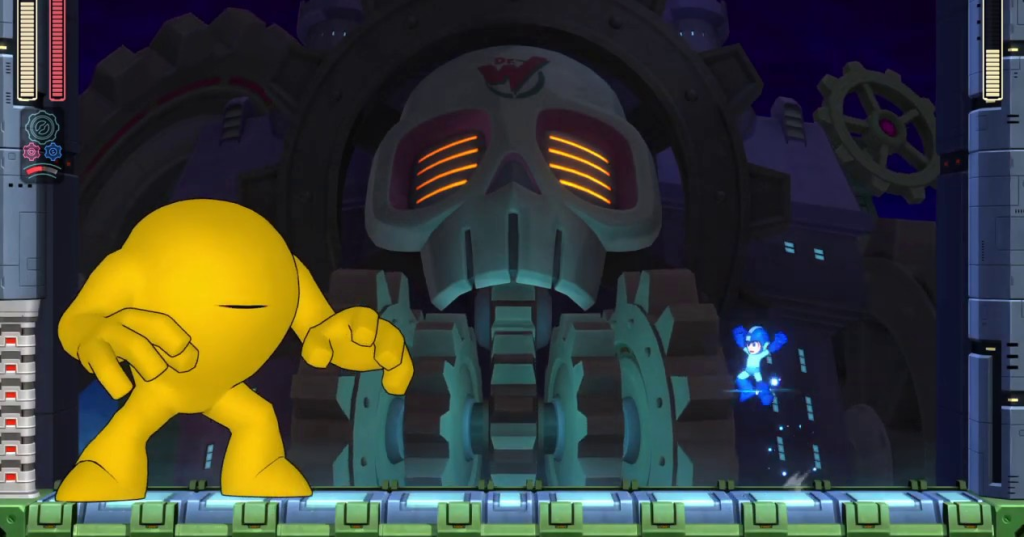
Yellow Devil (Mega Man)
The Mega Man series is known for its challenging boss fights, but the Yellow Devil from the original Mega Man stands out for its demanding pattern recognition. The boss disassembles into a series of projectiles that fly across the screen, requiring extremely precise timing to dodge. Once the pieces have passed, the boss reforms, presenting a small window of opportunity to attack. Mistakes are heavily punished, and the entire encounter hinges on memorizing a rigid sequence of movements and attacks. This can transform the fight into a grueling test of memory and reflexes, where a single error can necessitate starting the entire sequence over.
Whitney’s Gym Battle (Pokémon)
In Pokémon, gym leaders serve as significant milestones, but Whitney’s Miltank in Pokémon Gold, Silver, and Crystal has become a legendary source of frustration for a generation of players. The Miltank’s high speed, powerful attacks, and debilitating status effects (particularly Rollout, which grows stronger with each successful hit) can overwhelm unprepared trainers. The limited availability of effective counters early in the game exacerbates the difficulty, leading to many players spending an inordinate amount of time repeatedly battling Whitney, often feeling a profound sense of imbalance and unfairness. The difficulty spike is so pronounced that it has become a common topic of discussion among long-time fans.
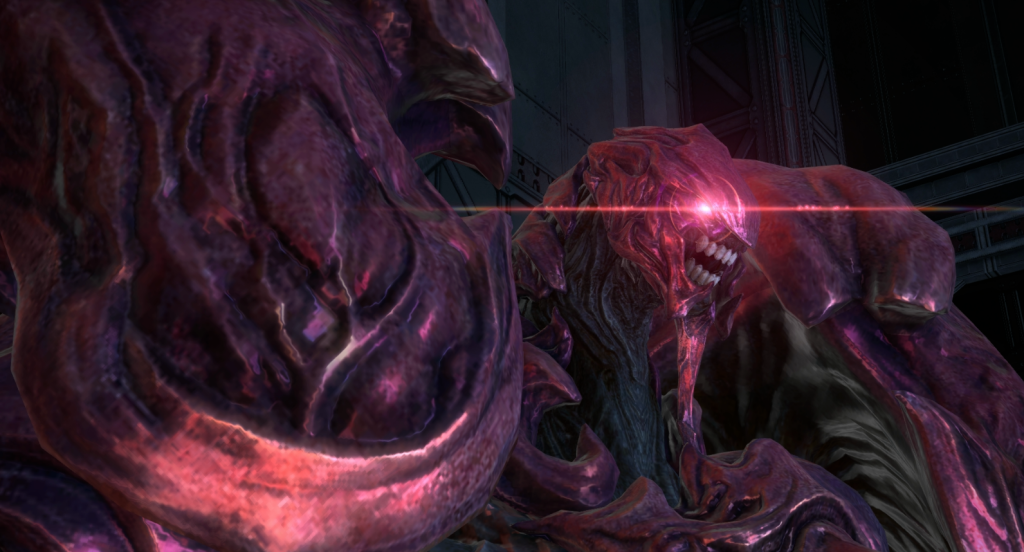
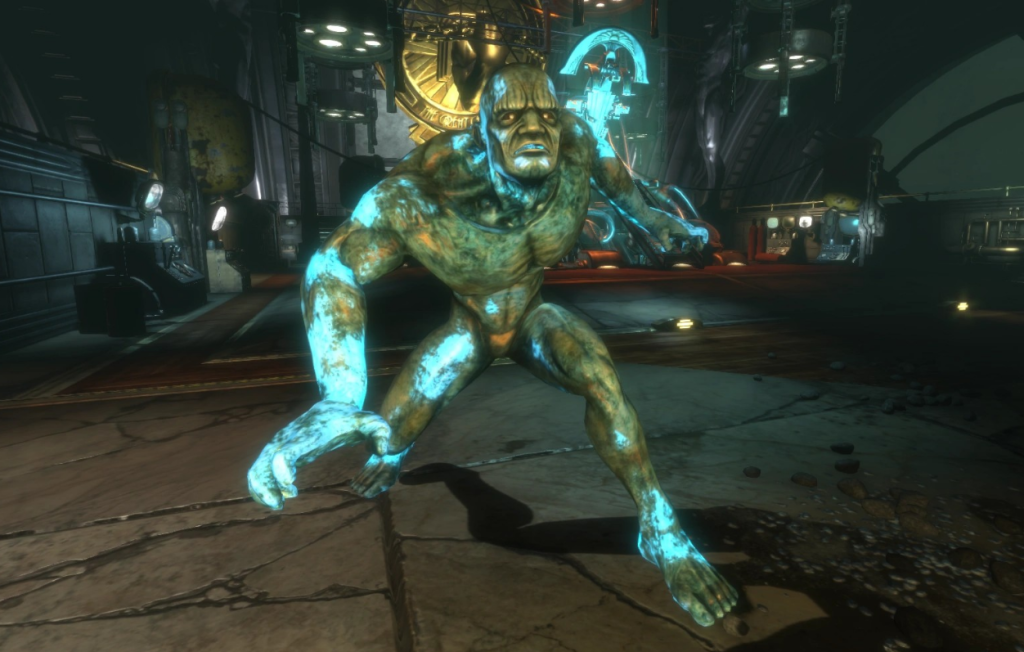
Atlas (BioShock)
Following a deeply engaging narrative and a rich, atmospheric world, the final confrontation with Atlas in BioShock proved to be a significant letdown for many. The fight, which was expected to be a culmination of the game’s unique combat mechanics, devolved into a relatively simplistic and repetitive encounter. Critics widely panned it for failing to leverage the game’s plasmid system and other core gameplay elements, making it feel anticlimactic and disconnected from the player’s journey. The disconnect between the narrative buildup and the simplistic execution of the final boss fight led to widespread disappointment.
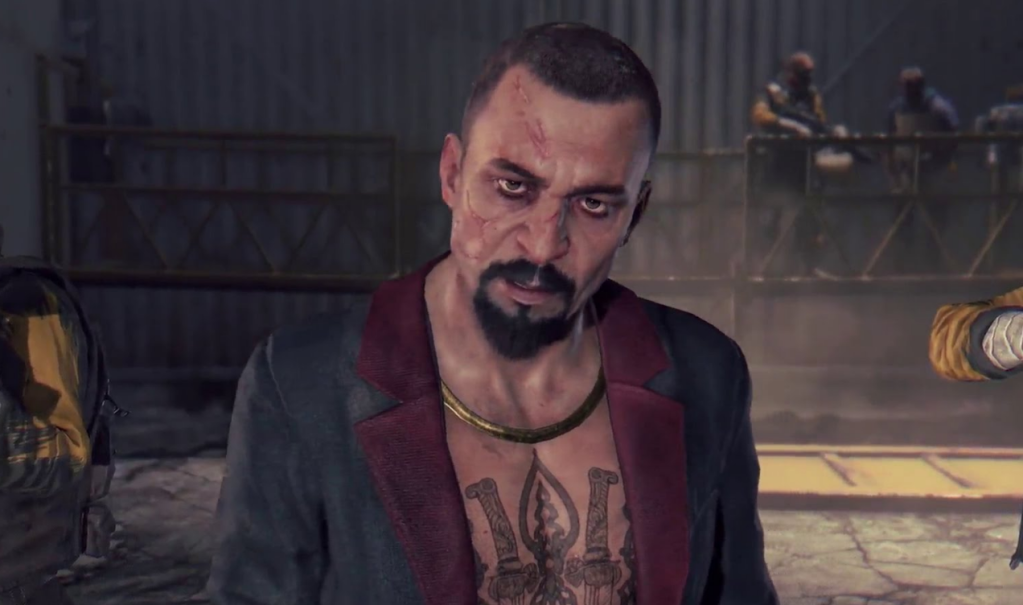
Rais (Dying Light)
The climactic battle against Rais in Dying Light, a game lauded for its fluid parkour and visceral combat, unfortunately devolved into a series of quick-time events (QTEs). This shift from player-driven action to timed button prompts significantly reduced player agency and transformed the highly anticipated finale into something that felt more like an interactive cutscene than a true boss fight. The reliance on QTEs undermined the game’s established mechanics and left many players feeling cheated out of a meaningful combat conclusion.
Demise (The Legend of Zelda: Skyward Sword)
Despite being positioned as the ultimate antagonist and the embodiment of evil, the final confrontation with Demise in The Legend of Zelda: Skyward Sword left many players underwhelmed. While the game built significant anticipation for this showdown, the fight itself was often perceived as too simple or lacking the depth and complexity that players had come to expect from Zelda finales. The frustration here stemmed not from overwhelming difficulty, but from unmet expectations and a sense of an anticlimactic conclusion to a grand narrative.
Deathstroke (Batman: Arkham Origins)
Batman: Arkham Origins featured a visually impressive boss fight against Deathstroke, but its repetitive nature quickly became a point of contention. The encounter relied heavily on the series’ signature counter-mechanic, which, while satisfying in standard combat, felt overly emphasized and predictable in this particular boss battle. Players found themselves repeating similar sequences of dodges and counters, leading to a sense of memorization rather than dynamic, adaptive combat. The fight lacked the varied challenges and strategic depth that had characterized some of the series’ more memorable boss encounters.

Ustanak (Resident Evil 6)
The recurring encounters with the Ustanak in Resident Evil 6 are often criticized for breaking the game’s pacing. Rather than serving as a meaningful boss that players learn to overcome through skill, the Ustanak often felt like a scripted interruption. Repeated encounters, coupled with lengthy and often frustrating chase sequences, made the character feel more like an annoyance that disrupted the flow of the game rather than a formidable antagonist to be strategically defeated.
The Marauder (DOOM Eternal)
DOOM Eternal is celebrated for its fast-paced, aggressive combat. However, the introduction of the Marauder as a recurring enemy, and particularly as a boss-like entity, proved divisive. The Marauder’s mechanics were highly restrictive, forcing players into a very specific, close-quarters combat loop. Deviating from this narrow strategy was heavily punished, slowing down the game’s otherwise exhilarating combat flow. This felt counterintuitive to the core design philosophy of DOOM Eternal, leading to frustration for players who found their preferred playstyles stifled.
Lingering Will (Kingdom Hearts II Final Mix)
As an optional super boss, the Lingering Will in Kingdom Hearts II Final Mix was designed to be an ultimate test for highly skilled players. However, its extremely aggressive attack patterns and minimal room for error pushed the boundaries of enjoyable challenge for many. The fight demanded near-perfect execution and precise timing, leading to a punishing experience where even minor mistakes could result in swift defeat. The strategies required often felt more about rote memorization and execution than about adaptable combat, making the pursuit of victory a draining rather than satisfying endeavor.
Absolute Radiance (Hollow Knight)
Hollow Knight is a critically acclaimed metroidvania known for its challenging yet rewarding boss fights. The Absolute Radiance, an optional final boss, represents the pinnacle of this difficulty. This multi-phase encounter demands intense precision, particularly in its later stages. The sheer length of the attempts, combined with the requirement for near-flawless execution, means that failure, especially when occurring close to the end of the fight, forces players to restart the entire grueling sequence. This can lead to a feeling of exhaustion and frustration, where the player’s emotional investment feels disproportionately high compared to the satisfaction gained from eventual victory.
Implications for Game Design
The prevalence of these frustrating boss fights highlights ongoing challenges in game design. Developers must strike a delicate balance between providing meaningful challenge and alienating players through unfair or poorly conceived mechanics. Player feedback and extensive playtesting are crucial in identifying and rectifying design flaws that can lead to negative player experiences. The legacy of these encounters serves as a valuable lesson, underscoring the importance of ensuring that boss fights are not just difficult, but also fair, engaging, and ultimately, fun. The pursuit of player satisfaction in these climactic moments remains a critical aspect of creating memorable and successful video game experiences.