Appeals Court Blocks Contempt Charges Against Trump Administration in Deportation Case


On April 18th, 2026, a significant legal development unfolded regarding the Trump administration’s handling of deportation policies, as the U.S. Court of Appeals for the D.C. Circuit intervened in a case overseen by U.S. District Judge James Boasberg. In a 2-1 decision, the appellate court blocked Judge Boasberg’s efforts to hold administration officials in contempt of court for their role in alleged illegal deportations. This ruling marks the second time an appeals court panel has obstructed the investigation into the administration’s actions concerning deportation flights, particularly those involving individuals who may have had legal standing to remain in the United States.
The legal battle centers on a series of deportations that critics argue were carried out in violation of judicial orders and due process. Judge Boasberg, who has been presiding over an investigation that reportedly includes scrutiny of deportation flights and broader immigration enforcement practices, had sought to compel accountability from the executive branch. The D.C. Circuit’s decision, however, suggests that Judge Boasberg may have overstepped his authority in pursuing what the majority viewed as high-level Executive Branch deliberations concerning national security and diplomacy.
Background of the Deportation Controversy
The Trump administration implemented a series of aggressive immigration enforcement policies aimed at increasing deportations and tightening border security. These policies often generated significant legal challenges and public debate. The specific case that led to Judge Boasberg’s contempt charges involved allegations of deportations continuing despite judicial attempts to halt them, particularly impacting individuals from El Salvador. Reports indicated that some individuals were deported to El Salvador even after judicial efforts were made to prevent such actions, leaving them in precarious situations.
Judge Boasberg’s investigation aimed to ascertain the truth behind these deportation operations, which had been a significant component of the administration’s immigration agenda over the preceding year. The contempt charges were an escalation of his efforts to ensure compliance with court orders and to investigate potential executive overreach.
The D.C. Circuit’s Ruling and its Rationale
The majority opinion of the D.C. Circuit Court of Appeals, authored by Judge Neomi Rao, a Trump appointee, stated that the district court’s actions constituted an "abuse of discretion." Judge Rao argued that the district court was attempting to "probe high-level Executive Branch deliberations about matters of national security and diplomacy," which she deemed beyond the appropriate scope of judicial inquiry in this context. The ruling emphasized the separation of powers and the deference owed to the executive branch in matters of national security and foreign policy.
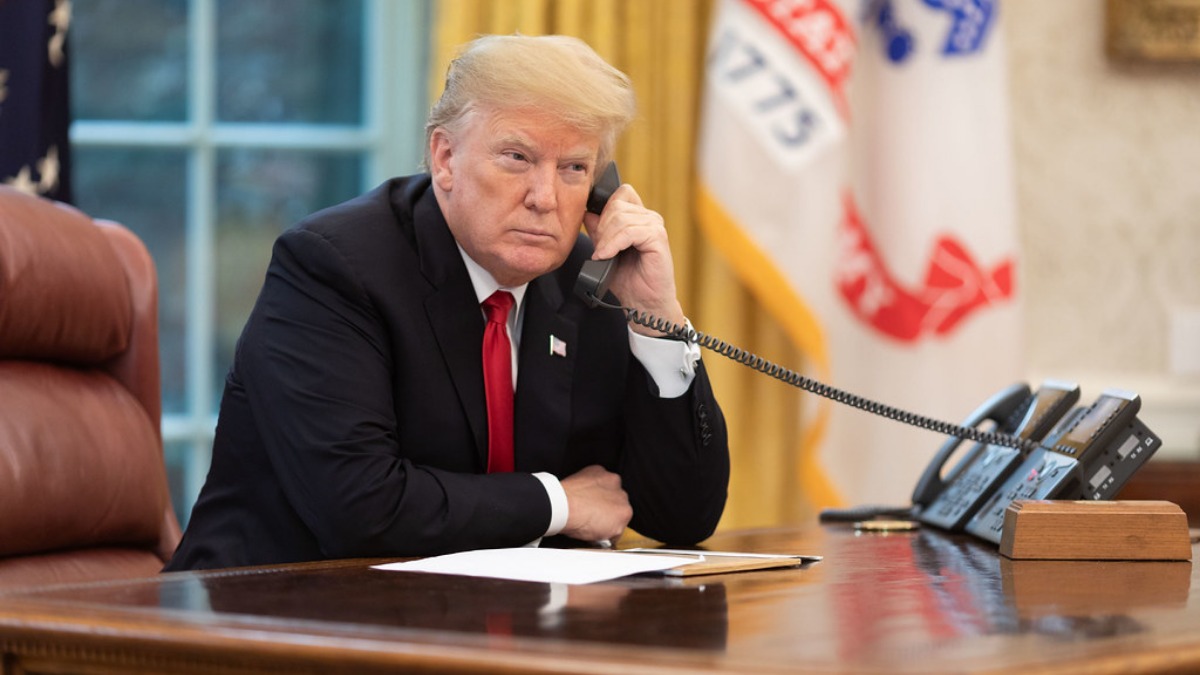
Joining Judge Rao in the majority was fellow Trump appointee, Judge Justin Walker. Their combined votes effectively halted Judge Boasberg’s immediate pursuit of contempt charges and limited the scope of his investigation into the deportation operations.
Dissenting Opinion and Concerns over Judicial Authority
In stark contrast, Judge Michelle Childs, an appointee of President Biden, authored a lengthy dissent, reportedly spanning 80 pages. Judge Childs expressed deep concern that the majority’s ruling could set a dangerous precedent, potentially undermining the authority of federal courts for future generations. Her dissent underscored the principle that the executive branch is expected to respect and adhere to court orders, a cornerstone of the American legal system. She argued that blocking such investigations could embolden future administrations to disregard judicial mandates with impunity, thereby eroding the checks and balances inherent in the U.S. system of government.
The ACLU’s Reaction and the Fight for Due Process
The American Civil Liberties Union (ACLU), which has been representing individuals affected by these deportations, strongly criticized the D.C. Circuit’s ruling. Lee Gelernt, an ACLU attorney involved in the case, issued a statement emphasizing that the U.S. legal system is predicated on the executive branch respecting court orders. Gelernt asserted that the Trump administration had "willfully violated" the court’s order and that the ruling created significant obstacles for those seeking to return individuals who were allegedly deported without due process.
The ACLU’s involvement highlights the broader implications of the case for due process and the rights of individuals facing deportation. The organization has been a vocal critic of the Trump administration’s immigration policies, arguing that they often lacked legal justification and disregarded fundamental rights. The current ruling, from the ACLU’s perspective, represents a setback in their efforts to hold the administration accountable for actions that they deem unlawful.
President Trump’s Stance and Judicial Independence
The legal challenges surrounding the Trump administration’s deportation policies are situated within a broader context of tensions between the executive branch and the judiciary. President Trump himself has been a vocal critic of judges whose rulings he disagreed with, at times suggesting that judges who produce outcomes he deems "crooked" should be subject to impeachment. These sentiments have raised concerns about judicial independence and the potential for political pressure on the courts.
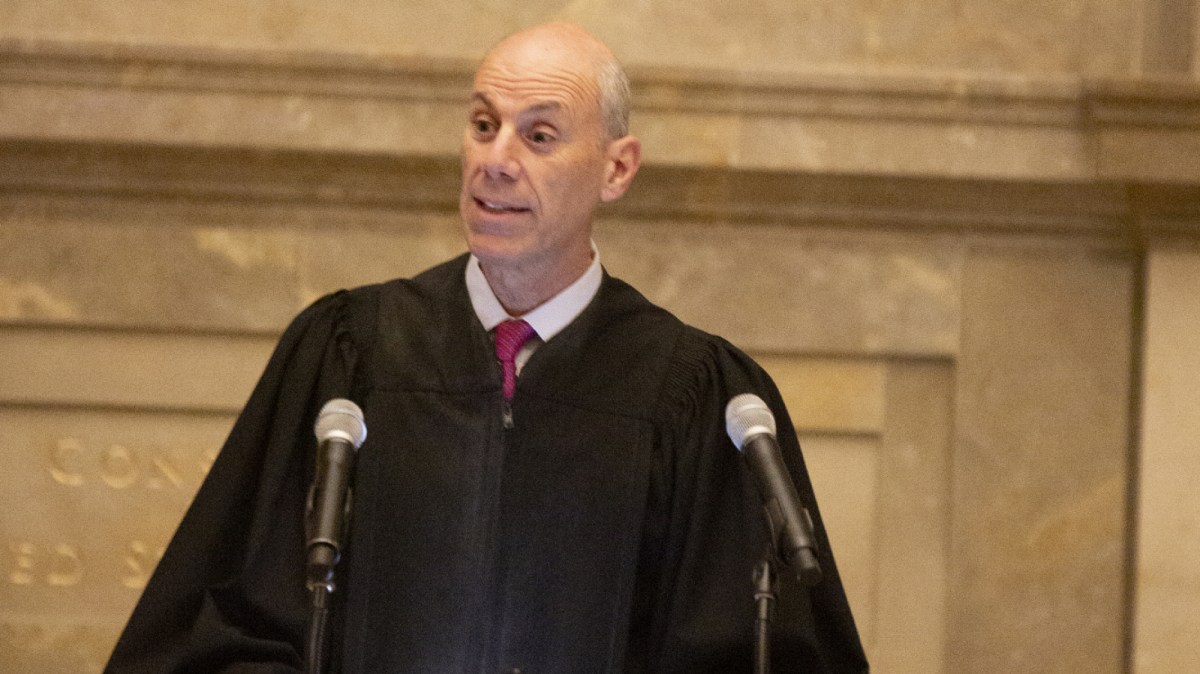
The controversy surrounding President Trump’s public comments on judges and court decisions has drawn attention from prominent legal figures. In a notable instance, Supreme Court Chief Justice John Roberts, in his 2024 year-end report, addressed the issue of respect for judicial rulings. Roberts stated that while every administration experiences defeats in the court system, "for the past several decades, the decisions of the courts, popular or not, have been followed." He further cautioned against "open disregard for federal court rulings," describing such suggestions as "dangerous" and calling for them to be "soundly rejected."
While Roberts’ remarks were general and did not specifically name President Trump or any particular case, they were widely interpreted as a response to the growing rhetoric questioning the legitimacy of judicial decisions. The D.C. Circuit’s ruling in the deportation case, therefore, occurs against a backdrop of ongoing debate about the proper relationship between the branches of government and the importance of judicial review.
Analysis of Implications
The D.C. Circuit’s decision to block contempt charges has significant implications for the enforcement of immigration law and the oversight of executive actions.
- Impact on Accountability: The ruling makes it more difficult for judges to hold the executive branch accountable for alleged violations of court orders related to immigration policy. This could embolden future administrations to push the boundaries of executive authority in immigration enforcement, knowing that judicial challenges may face significant procedural hurdles.
- Future of Deportation Cases: For individuals who believe they were illegally deported, the path to seeking redress has become considerably more challenging. The ACLU’s concern that this ruling could undermine federal court authority for generations highlights the potential for a chilling effect on legal challenges against government actions.
- Judicial Philosophy and Appointments: The composition of the appellate panel, with two Trump appointees forming the majority and a Biden appointee dissenting, underscores the influence of judicial appointments on legal outcomes. The differing judicial philosophies on executive power and judicial oversight are evident in the opinions rendered.
- National Security vs. Due Process: The majority’s emphasis on national security and diplomacy as justifications for limiting judicial inquiry raises questions about where to draw the line between legitimate executive prerogatives and the protection of individual rights. Critics argue that invoking national security can be used to shield potentially unlawful actions from scrutiny.
The broader implications of this ruling extend to the fundamental principles of judicial review and the separation of powers. While the courts are designed to act as a check on executive power, this decision suggests that certain areas of executive action, particularly those deemed related to national security, may receive a higher degree of deference, potentially at the expense of immediate judicial oversight.
Looking Ahead
The legal landscape surrounding the Trump administration’s deportation policies remains dynamic. While the D.C. Circuit’s ruling has temporarily stalled Judge Boasberg’s contempt proceedings, the underlying allegations of illegal deportations and potential violations of court orders persist. The ACLU and other civil rights organizations are likely to explore further legal avenues, potentially including appeals to the Supreme Court, to challenge the D.C. Circuit’s decision.
The case also highlights the ongoing societal debate about immigration policy, the role of the judiciary in overseeing executive actions, and the balance between national security concerns and the protection of individual liberties. The future of such cases will depend on how courts interpret the scope of executive authority, the robustness of judicial oversight, and the commitment of all branches of government to upholding the rule of law. The dissenting opinion by Judge Childs serves as a stark reminder of the potential long-term consequences for judicial authority when such significant legal questions remain contested.