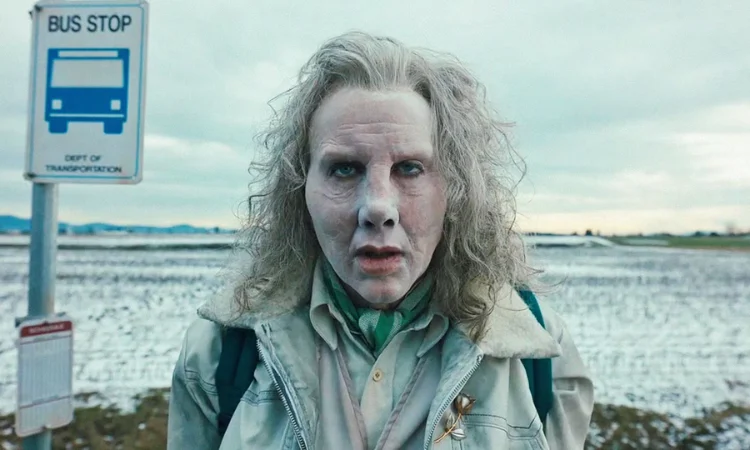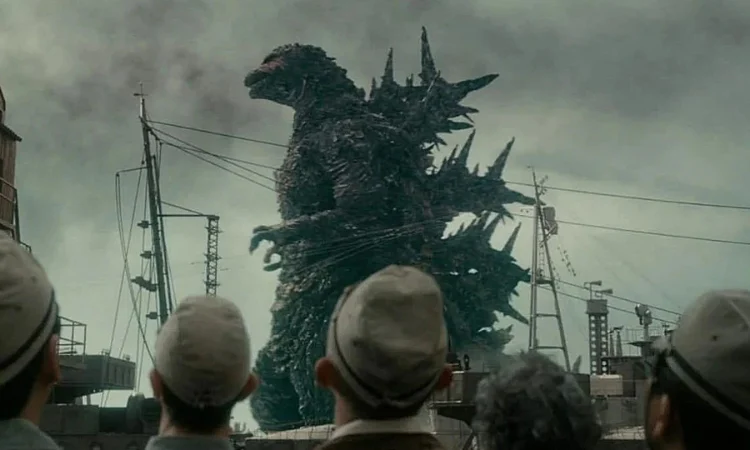
The cinematic roar of the King of the Monsters is set to echo once again as Toho, the legendary Japanese studio, has unveiled the first electrifying teaser trailer for their highly anticipated sequel, Godzilla Minus Zero. This new installment directly follows the international phenomenon Godzilla Minus One, a film that not only revitalized the kaiju genre but also garnered widespread critical acclaim and commercial success, proving the enduring global appeal of the iconic reptilian titan. The teaser, released to immense fan anticipation, offers a tantalizing glimpse into the dark and perilous world that awaits audiences.
A Return to Post-War Despair
Fresh from generating significant buzz at CinemaCon earlier this week, Godzilla Minus Zero has been officially confirmed to transport viewers back to the year 1949. This setting places the narrative precisely two years after the harrowing and transformative events of Godzilla Minus One. The sequel promises to continue the deeply personal saga of the Shikishima family, thrust once more into the face of an unprecedented calamity. Esteemed writer and director Takashi Yamazaki, the creative force behind the critically lauded predecessor, returns to helm this new chapter, signaling a commitment to maintaining the thematic depth and emotional resonance that captivated audiences worldwide.
The original film, Godzilla Minus One, was masterfully set in the devastated landscape of postwar Japan, a nation grappling with the aftermath of World War II. It introduced audiences to Koichi Shikishima, portrayed by the compelling Ryunosuke Kamiki. Shikishima, a former kamikaze pilot, carries the heavy burden of post-traumatic stress disorder, a psychological scar inflicted by a terrifying encounter with the colossal monster that would come to be known simply as Godzilla. The supporting cast of the first film, which included Minami Hamabe, Yuki Yamada, Munetaka Aoki, Hidetaka Yoshioka, Sakura Ando, and Kuranosuke Sasaki, contributed significantly to the film’s rich tapestry of human drama against the backdrop of kaiju destruction. Notably, both Ryunosuke Kamiki and Minami Hamabe are confirmed to reprise their pivotal roles as Koichi Shikishima and Noriko Oishi, respectively, in Godzilla Minus Zero, providing a crucial link and continuity for the narrative.
A Global Phenomenon: The Legacy of Godzilla Minus One
The unprecedented success of Godzilla Minus One cannot be overstated. The film defied expectations, becoming a colossal global hit. It shattered box office records, grossing over $116 million worldwide against a remarkably modest production budget of just $15 million. This staggering financial performance, especially for a non-English language film in many international markets, underscored a significant resurgence of interest in Godzilla as a cinematic icon capable of delivering both awe-inspiring spectacle and profound thematic commentary. Beyond its theatrical run, the film continued to dominate on streaming platforms and home entertainment formats, further solidifying its status as a modern classic and a testament to the power of well-crafted storytelling within the kaiju genre.
The film’s critical reception was equally effusive. Reviewers lauded Yamazaki’s ability to blend intense kaiju action with a poignant human drama, exploring themes of guilt, redemption, and the resilience of the human spirit in the face of unimaginable devastation. Its victory at the Academy Awards for Best Visual Effects was a landmark achievement, not only for Toho and the Godzilla franchise but also for international cinema, demonstrating that groundbreaking visual effects could be achieved outside of the traditional Hollywood studio system, driven by artistic vision and technical ingenuity. This success paved the way for a heightened level of anticipation for any follow-up, with fans and critics alike eager to see how the creative team would build upon such a triumphant foundation.
Godzilla Minus Zero: Expanding the Narrative and Scope
The official synopsis for Godzilla Minus Zero elaborates on the narrative trajectory: "GODZILLA MINUS ZERO picks up in 1949, two years after the tumultuous events of Godzilla Minus One, and continues the story of the Shikishima family as they face an all-new calamity. Additionally, confirmed out of CinemaCon, Ryunosuke Kamiki, the hero who faced Godzilla’s terror in Godzilla Minus One, returns as Koichi Shikishima, and is joined by Minami Hamabe as Noriko Oishi, who miraculously survived Godzilla’s first attack on Tokyo." This confirms that the narrative will delve deeper into the personal lives of the surviving characters, exploring the long-term psychological and societal impacts of Godzilla’s initial onslaught. The mention of Noriko Oishi’s survival adds another layer of intrigue, suggesting her experiences and potential role in the unfolding events will be significant.
Furthermore, a significant technical detail has been revealed: Godzilla Minus Zero is being produced as a "Filmed For IMAX" project. This means the film was shot using high-definition digital cameras specifically certified by IMAX, and meticulously optimized for the immersive sound and breathtaking visual fidelity unique to IMAX screens. This commitment to the IMAX format indicates Toho’s intention to deliver an unparalleled cinematic experience, promising audiences a Godzilla presentation of "all new terrifying heights." This strategic choice suggests a desire to leverage the expansive aspect ratio and superior projection technology to amplify the scale and terror of the kaiju encounters, making Godzilla Minus Zero a true cinematic event that demands to be seen on the biggest screen possible.
Chronology of Anticipation and Release
The journey towards Godzilla Minus Zero has been marked by a rapid succession of significant announcements and unveilings. Following the overwhelming success and critical acclaim of Godzilla Minus One, which premiered in Japan in November 2023 and later expanded globally, discussions about a sequel began to swirl. The official confirmation of a follow-up, along with the announcement of Takashi Yamazaki’s return, was met with widespread enthusiasm from the fanbase.
The pivotal moment for Godzilla Minus Zero thus far was its prominent showcase at CinemaCon, the annual convention of movie theater owners and distributors held in Las Vegas. This event served as a crucial platform for studios to present their upcoming slates and generate excitement among exhibitors and press. It was at CinemaCon that Toho officially debuted the first teaser trailer and confirmed key narrative details, including the 1949 setting and the return of Kamiki and Hamabe. This strategic reveal ensured that Godzilla Minus Zero entered the global consciousness with significant momentum.
The release strategy for Godzilla Minus Zero is also being carefully managed. The film is slated for a US cinema release on November 6th, a date strategically chosen to capitalize on the late autumn and early winter moviegoing season. This provides ample time for marketing campaigns to build anticipation and for audiences in the United States to experience the film shortly after its initial unveiling. A UK release date, however, is still to be announced, leaving fans in the United Kingdom eagerly awaiting confirmation of when they can witness Godzilla’s latest terrifying return.
Supporting Data and Inferred Reactions
The financial success of Godzilla Minus One ($116 million+ global gross on a $15 million budget) serves as powerful supporting data for the investment in a sequel. This remarkable return on investment not only validates Toho’s creative and strategic decisions but also provides a strong financial incentive for continued investment in the Godzilla franchise. The film’s critical acclaim, evidenced by numerous positive reviews and its Academy Award win, further bolsters the confidence in the creative team’s ability to deliver a high-quality product.
While official statements from the cast and crew beyond the initial announcements are still emerging, the return of Ryunosuke Kamiki and Minami Hamabe, coupled with Takashi Yamazaki’s directorial involvement, strongly suggests a unified creative vision and a shared commitment to the project’s artistic integrity. One can infer that the cast members are likely enthusiastic about revisiting their characters and exploring the further evolution of the Shikishima family’s story. Kamiki, in particular, conveyed a deep connection to his role as Shikishima in prior interviews, emphasizing the character’s internal struggles and his journey of redemption. His return is a cornerstone of the sequel’s narrative continuity and emotional core.
The decision to film for IMAX also signals a strategic partnership and a mutual understanding of audience expectations for large-scale cinematic events. IMAX Corporation’s certification and optimization process implies a collaborative effort to ensure that the film’s visual and auditory elements are presented at their absolute peak, maximizing the impact of the spectacle.
Broader Impact and Implications
The continued success of the Godzilla franchise, particularly with a more grounded and character-driven approach as seen in Godzilla Minus One, has significant implications for the broader film industry. It demonstrates that audiences are receptive to international cinema that offers compelling narratives and high-quality production values, challenging the traditional dominance of Hollywood blockbusters in global markets. The film’s success also validates the strategic decision to focus on thematic depth and human drama alongside the spectacle of a kaiju film, proving that these elements are not mutually exclusive but rather can enhance each other.
The existence of Godzilla Minus Zero signifies a potential new era for the Godzilla franchise, one that balances respect for its iconic legacy with a willingness to explore contemporary themes and innovative filmmaking techniques. The focus on the post-war period in Japan offers a unique lens through which to examine the enduring impact of conflict and trauma, both on individuals and on society. By continuing this narrative in 1949, Yamazaki and Toho are poised to delve into the lingering psychological scars and the arduous process of national rebuilding, all under the shadow of a terrifying, resurrected threat.
The "Filmed For IMAX" designation suggests a commitment to a premium theatrical experience, which could influence how other major productions approach visual storytelling and audience engagement. In an era of increasing competition from streaming services, theatrical releases that offer a truly unparalleled sensory experience become even more vital for drawing audiences to cinemas.
As Godzilla Minus Zero gears up for its release, it carries the weight of immense expectation. The hope is that it will not only live up to the monumental achievements of its predecessor but also carve out its own distinct identity, further cementing Godzilla’s status as a timeless cinematic icon capable of resonating with audiences across generations and cultures. The first teaser trailer has undoubtedly ignited the flames of anticipation, and fans worldwide are now eagerly awaiting the full might of Godzilla’s return.
For more news, reviews, events, exclusive celebrity interviews, and more, visit SciFiNow.