Ubisoft’s Strategic Pivot: Morbid Metal Signals a Renewed Focus on Indie Innovation Amidst Corporate Transformation

Despite a turbulent period marked by internal controversies, a significant overhaul of its business model, and strategic restructuring of its most important intellectual properties, Ubisoft appears to be consistently delivering engaging gaming experiences. While major releases such as Assassin’s Creed Shadows offered a fresh take on a familiar formula, and Star Wars Outlaws, despite initial mixed reactions, garnered unexpected praise from many players, it is Ubisoft’s ventures into publishing games outside its traditional AAA portfolio that are truly capturing attention, particularly within the burgeoning AA and independent development scenes. This strategic shift is epitomized by its latest publishing endeavor, Morbid Metal, a title poised to potentially redefine perceptions of the French publisher’s future direction.
Ubisoft’s Recent Corporate Landscape and Strategic Shifts
Ubisoft, a global leader in the entertainment industry, has navigated a challenging landscape in recent years. The company faced significant scrutiny over allegations of workplace misconduct and a toxic corporate culture, leading to multiple internal investigations and high-profile executive departures between 2020 and 2021. These controversies not only damaged its public image but also reportedly impacted employee morale and development cycles. Concurrent with these internal challenges, Ubisoft initiated a substantial overhaul of its business model, aiming to pivot towards a greater emphasis on free-to-play titles, live service experiences, and a more streamlined approach to its vast catalog of intellectual properties.
This transformation was partly driven by a string of commercial underperformances and delays for several major AAA titles. For instance, games like Watch Dogs Legion and Ghost Recon Breakpoint failed to meet sales expectations, and even established franchises like Assassin’s Creed Valhalla, while commercially successful, were criticized for their sprawling open-world designs and perceived bloat. These financial pressures prompted Ubisoft to re-evaluate its development pipeline, leading to the cancellation of multiple unannounced projects and a renewed focus on its "pillar" franchises. In investor calls throughout 2023 and early 2024, executives consistently reiterated their commitment to financial prudence, diversified revenue streams, and fostering innovation, often hinting at a broader approach to content beyond solely internal AAA development.
The Rise of Morbid Metal: A Deep Dive into its Appeal
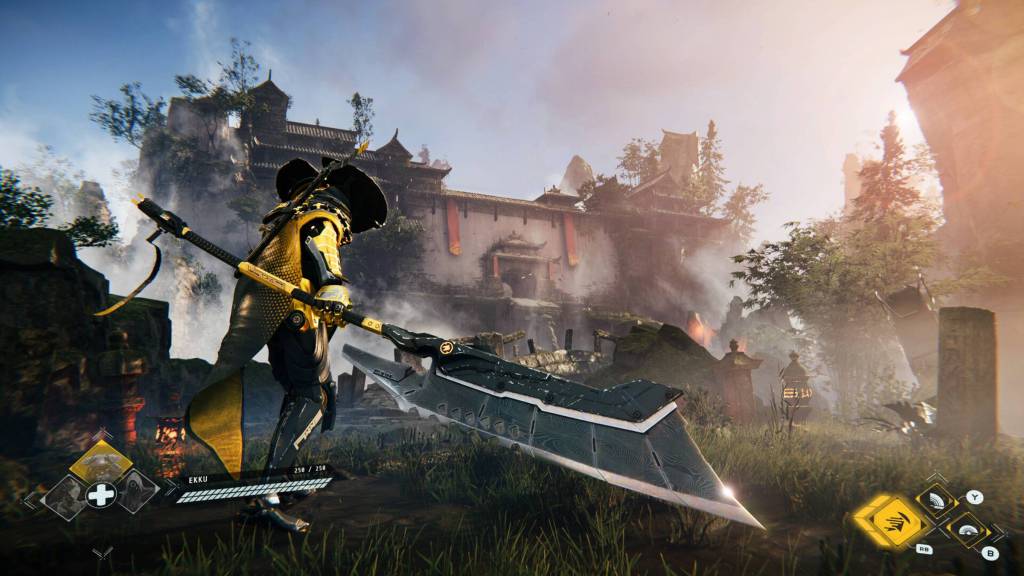
Amidst this backdrop of corporate transformation, Morbid Metal emerges as a compelling example of Ubisoft’s evolving strategy. Published by Ubisoft and developed by the debut studio SCREEN JUICE, Morbid Metal is an Early Access roguelike hack and slash game that has quickly garnered significant positive buzz. Its core appeal lies in a potent combination of frenetic, Devil May Cry-style combat mechanics set against a gritty, Cyberpunk-esque aesthetic. This blend creates an enthralling experience that feels both familiar in its inspirations and fresh in its execution.
At its heart, Morbid Metal is a character action game, a genre that, despite its dedicated fanbase, sees fewer major releases compared to open-world RPGs or first-person shooters. The game distinguishes itself with a dynamic combat system that allows players to seamlessly switch between three distinct characters on the fly. Each character possesses unique abilities, weapon sets, and playstyles, enabling players to chain together intricate combos and adapt strategies against a diverse array of challenging enemies and formidable bosses. This real-time character swapping is not merely a gimmick but a fundamental pillar of the gameplay, encouraging creative experimentation and strategic thinking to maximize damage output and manage crowd control.
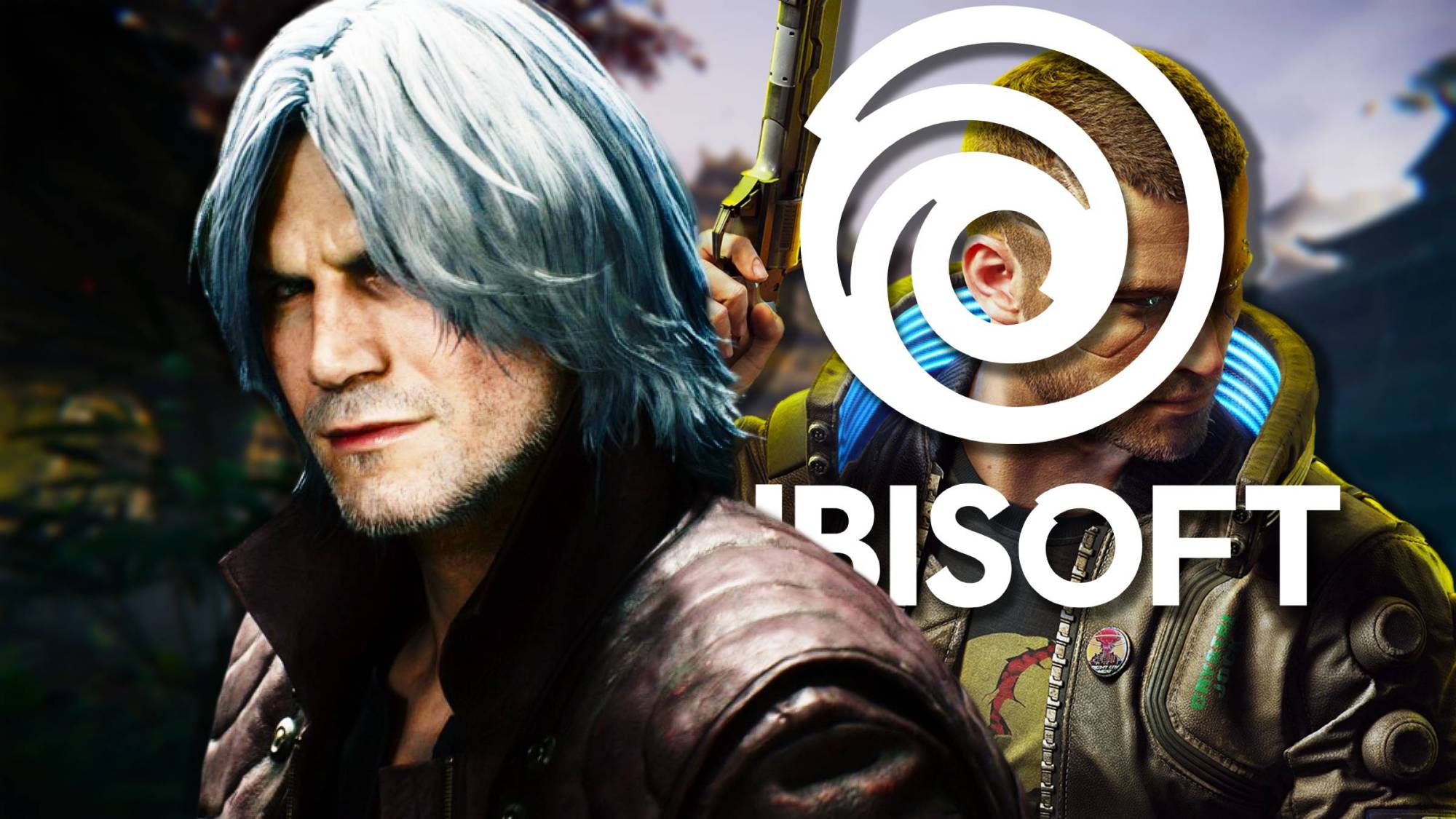
Further enhancing its replayability, Morbid Metal adopts a roguelike structure, drawing parallels to the critically acclaimed Hades. In each run, players can unlock new skills, upgrade existing abilities, and discover synergistic builds, ensuring that no two playthroughs are exactly alike. This procedural generation of power-ups and challenges, combined with the permanent progression systems, fosters a compulsive loop of improvement and discovery. The narrative, while not fully revealed in its Early Access state, is woven into a compelling, dystopian future, evoking the rich atmospheric storytelling of the Cyberpunk universe. Visually, Morbid Metal punches above its weight, boasting stunning graphics and cinematic action sequences that some critics have favorably compared to the production values seen in titles like God of War.
Currently in Early Access, Morbid Metal offers a robust foundation, with SCREEN JUICE committed to an estimated one-year development period before its full launch in 2026. This iterative development approach, common in the indie scene, allows the developers to refine gameplay, incorporate community feedback, and expand content based on player engagement, promising a polished and comprehensive experience upon release.
Ubisoft’s Shifting Publishing Philosophy: Beyond AAA
The decision by Ubisoft to publish Morbid Metal is particularly noteworthy, signaling a potential strategic pivot in its publishing division. For many years, Ubisoft’s identity has been inextricably linked with the development and publishing of massive, open-world AAA titles. While successful, this focus often led to criticism regarding a perceived lack of creative diversity and innovation within its portfolio. Games like Assassin’s Creed Valhalla and Far Cry 6, while popular, were often described as adhering closely to established Ubisoft formulas, leading to a sense of "Ubisoft fatigue" among some segments of the gaming community.
However, Ubisoft has a historical precedent for supporting smaller, more focused experiences. Titles such as Rayman Legends, a masterclass in platforming design, stand as a testament to the studio’s capacity for creating tightly crafted games that prioritize creative vision over expansive scale. The re-emergence of this philosophy, albeit through its publishing arm, suggests a deliberate effort to diversify its offerings.
Industry analysts interpret Ubisoft’s backing of Morbid Metal as a strategic move to address several key objectives:
- Risk Diversification: Investing in smaller, high-potential indie titles can offer a lower-cost, higher-return proposition compared to the hundreds of millions required for AAA development.
- Cultivating New Talent: Partnering with debut studios like SCREEN JUICE allows Ubisoft to identify and nurture promising new development talent, potentially leading to future collaborations or acquisitions.
- Filling Genre Gaps: By publishing games in genres less explored by its internal studios (e.g., character action roguelikes), Ubisoft can tap into underserved markets and broaden its appeal.
- Enhancing Brand Perception: Associating with innovative and critically acclaimed indie titles can help shed the "bloated open-world" stereotype and reposition Ubisoft as a publisher that values creative originality.
This renewed interest in focused, "indie-feeling" experiences is not isolated. Rumors circulating within the industry suggest that Ubisoft is providing continued support to Ubisoft Montpellier, the developer behind the critically acclaimed Prince of Persia: The Lost Crown. That game, a return to the franchise’s 2D Metroidvania roots, was lauded for its tight design, fluid combat, and compelling platforming – qualities that align with the philosophy embodied by Morbid Metal. This trend indicates a conscious effort by Ubisoft to not only produce its tentpole AAA franchises but also to foster a more dynamic and experimental publishing portfolio.
Broader Implications for Ubisoft and the Gaming Industry
The success of Morbid Metal, particularly during its Early Access phase, carries significant implications for Ubisoft’s future trajectory and the broader gaming industry. For Ubisoft, it represents a tangible step towards altering public perception and demonstrating a genuine commitment to creative diversity. In a market increasingly dominated by massive open-world titles and live service games, a high-quality, genre-blending indie published by a major entity like Ubisoft stands out. Should Morbid Metal achieve widespread critical and commercial success upon its full 2026 release, it could serve as a blueprint for future publishing endeavors, encouraging Ubisoft to further explore partnerships with independent developers and invest in more niche, yet innovative, projects.
This strategic direction could also contribute to a healthier ecosystem within the company itself. By exposing its internal teams to successful, agile development cycles from smaller studios, Ubisoft might foster cross-pollination of ideas and methodologies, potentially influencing its own AAA development processes to become more focused and creatively driven. The pursuit of a more varied portfolio could lead to increased employee satisfaction, attracting a broader range of talent interested in working on diverse projects.
For the independent and AA gaming scene, Ubisoft’s involvement is a significant boon. The backing of a major publisher provides debut studios like SCREEN JUICE with invaluable resources, marketing reach, and credibility that would be challenging to achieve independently. This support not only helps ensure the financial viability of promising projects but also elevates their visibility to a global audience. If other major publishers follow suit, it could usher in a new era of collaboration between established industry giants and burgeoning independent talent, leading to an even richer and more diverse gaming landscape for players.
In essence, Morbid Metal is more than just another game in Ubisoft’s extensive catalog; it is a potential harbinger of change. It signals a shift away from a singular focus on iterative, large-scale experiences towards a more experimental, diversified approach that values creative innovation wherever it may be found. As Ubisoft continues to navigate its corporate transformation, its investment in projects like Morbid Metal suggests a promising path forward—one that could ultimately benefit not only the publisher itself but also the developers it champions and the global community of players hungry for fresh, engaging experiences. This strategic direction holds significant promise for a revitalized Ubisoft, capable of delivering both its beloved major franchises and a new wave of critically acclaimed, genre-bending titles.