Playground Games Looked Beyond Lionhead Classics to Shape the New Fable, Citing Modern Industry Giants Like The Witcher 3

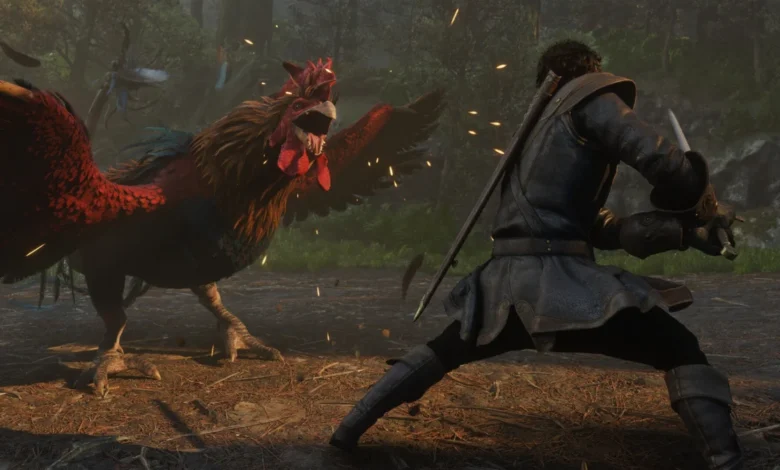
Developing a beloved, long-dormant franchise is one of the most daunting tasks in the modern video game industry, particularly when the original trilogy holds a nostalgic, quasi-mythic status among fans. For Playground Games, the studio tasked by Microsoft with resurrecting the iconic British fantasy series Fable, the challenge has extended far beyond simply updating graphics and porting old mechanics to modern hardware. In interviews discussing the nearly decade-long development cycle of the upcoming Fable reboot, studio leadership has revealed that the team had to fundamentally look outward, studying the evolution of the entire action-RPG genre to meet the rigorous expectations of contemporary gamers.
The journey to bring Fable back to PC and Xbox Series X/S has been complex, requiring the formation of an entirely new division within Playground Games—a studio previously renowned for its stellar work on the critically acclaimed Forza Horizon racing series. As the title approaches the final phases of its long production window, fresh insights from studio founder and general manager Ralph Fulton shed light on how the landscape of open-world role-playing games has shifted dramatically since Lionhead Studios released the final entries of the original trilogy.
The Shifting Landscape of Open-World RPGs
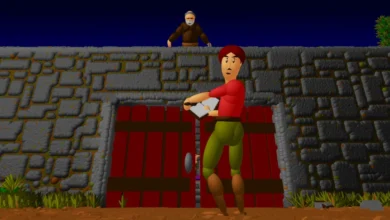
When Lionhead Studios created the original Fable (released in 2004), Fable II (2008), and Fable III (2010), the open-world action-RPG genre looked vastly different. Back then, sprawling fantasy worlds with dynamic moral alignment systems were rare, and Lionhead—led by industry veteran Peter Molyneux—pioneered a unique blend of fairy-tale whimsy, biting British satire, and consequential life-simulation mechanics.
However, the gaming industry did not stand still during the lengthy hiatus that followed Microsoft’s closure of Lionhead Studios in 2016. According to Ralph Fulton, a pivotal turning point for the entire medium occurred in 2015 with the launch of CD Projekt Red’s The Witcher 3: Wild Hunt.
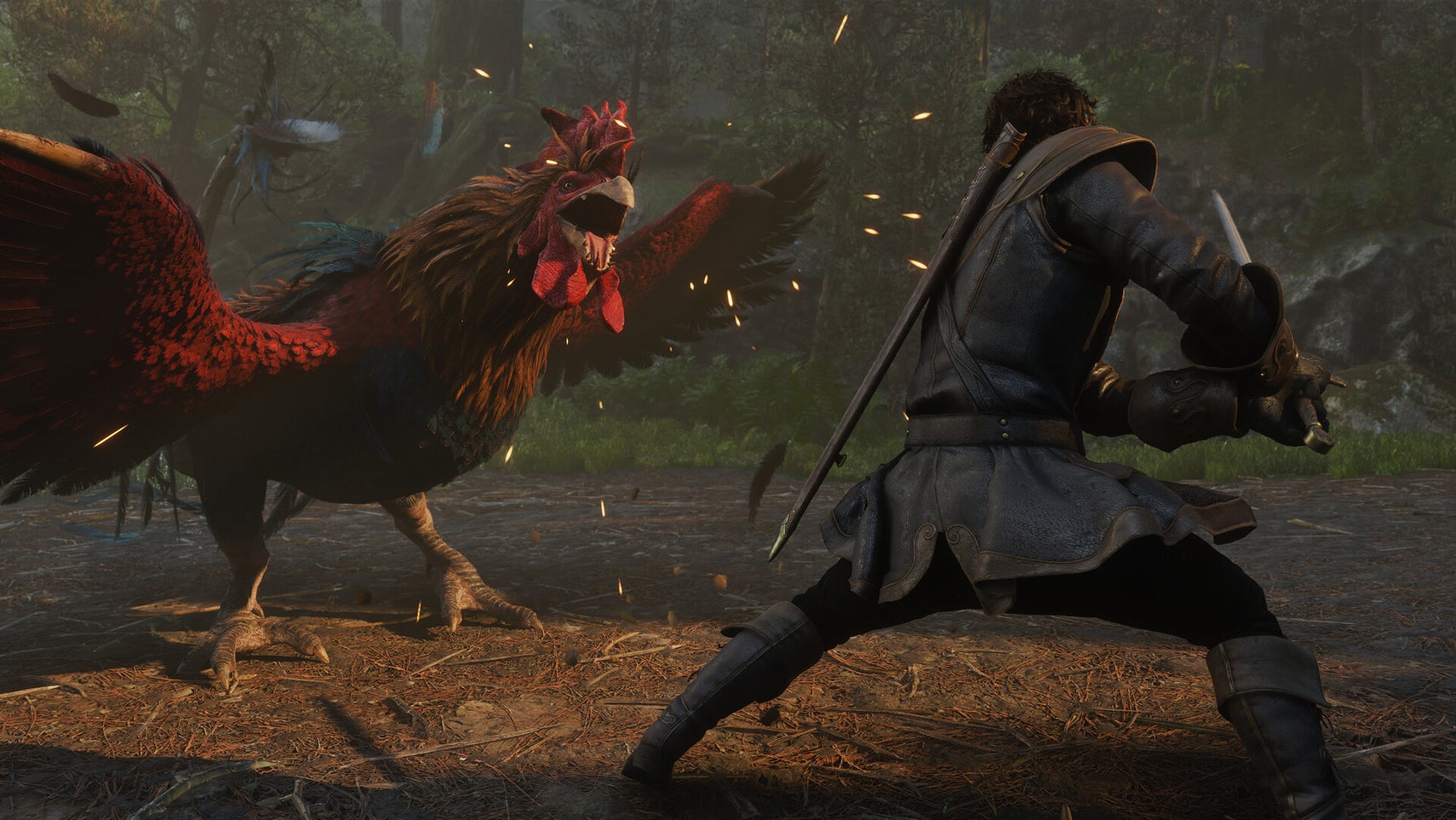
"In 2015, The Witcher 3 redefined what an open-world action RPG looks like and became the gold standard," Fulton explained during an interview with GamesIndustry.biz. The monumental success and critical acclaim of Geralt of Rivia’s adventure established a new benchmark for narrative depth, world-building, and player agency in vast, open environments.
Following that seismic shift, other major industry mainstays adapted. Ubisoft’s Assassin’s Creed franchise transitioned away from its traditional stealth-action roots with Origins, Odyssey, and Valhalla, fully embracing full-scale role-playing mechanics, expansive maps, and systems-driven progression. These consecutive evolutions permanently altered consumer expectations. Millions of modern players now approach open-world RPGs expecting fluid, high-fidelity combat, seamless world traversal, complex storytelling, and deep progression systems that simply did not exist or were in their infancy during the Xbox Original and Xbox 360 eras.
Consequently, Playground Games quickly realized that looking strictly to the original Fable trilogy for inspiration would leave the reboot feeling antiquated. To remain competitive in a marketplace dominated by massive, systems-heavy epics, the developers had to synthesize the DNA of classic British fantasy with modern design philosophies pioneered over the last decade.
Balancing Modern Standards with Classic Identity
Despite drawing vital structural and experiential lessons from modern giants like The Witcher 3 and recent entries in the Assassin’s Creed series, Playground Games maintains that the upcoming reboot remains deeply rooted in the distinct identity that made the original franchise a household name.
Fulton emphasized that the core pillars of the new Fable will honor what fans cherished most about Albion. This includes the franchise’s signature, self-deprecating British wit—a comedic style defined by eccentric characters, whimsical quests, and satirical takes on traditional high-fantasy tropes. Furthermore, the game preserves the series’ fluid morality system, where a player’s physical appearance, reputation, and interactions with the environment dynamically shift based on their righteous or nefarious deeds.

Crucially, Playground Games is leaning heavily into mechanics that set the original games apart from virtually every other RPG on the market: spontaneous life-simulation and economic simulation. While many modern RPGs feature basic crafting or trading economies, few integrate complex societal structures into the core gameplay loop in the manner of Fable.
"It’s a totally Fable thing, the social simulation and economic simulation," Fulton noted. "Okay, there are games that have economic simulations, but they’re not in our RPG category. Fable is unique in that it’s almost like a life sim in terms of genre."
For veteran fans, some of the most enduring memories of the original trilogy involve non-combat activities: buying up real estate across the entire map to become a wealthy, universally hated or beloved landlord, marrying multiple spouses, raising families, and interacting with dynamic townsfolk who reacted visibly to the player’s status and actions. By modernizing these systemic choices and integrating advanced artificial intelligence to make Albion’s non-player characters (NPCs) react more believably and organically, Playground Games aims to deliver a level of immersion that far surpasses the technical limitations of the 2000s.
Chronology and Development History of the Fable Reboot
The path to the upcoming Fable release has been characterized by meticulous planning, corporate restructuring, and long-term development milestones:
- March 2016: Microsoft announces the closure of Lionhead Studios, effectively halting development on Fable Legends and putting the beloved fantasy franchise on an indefinite hiatus.
- May 2017: Rumors and industry reports begin circulating regarding Microsoft’s desire to revive key intellectual properties, though no concrete plans for Fable are confirmed.
- July 2020: During the Xbox Games Showcase, Microsoft officially announces the Fable reboot, confirming that Playground Games—the studio behind the critically acclaimed Forza Horizon series—is leading development. A cinematic teaser trailer is released, signaling a fresh start for the franchise.
- 2020–2023: Playground Games expands its operational capacity, building a second major studio space in Leamington Spa, UK, and recruiting top-tier talent from across the industry to build a dedicated RPG team separate from the Forza developers.
- June 2023: Microsoft showcases the first in-engine look at the new Fable during the Xbox Games Showcase, featuring British actor and comedian Richard Ayoade and confirming the game’s comedic tone and visual fidelity.
- June 2024–Present: Further deep dives into gameplay and studio philosophies reveal how the team is balancing modern open-world benchmarks with classic Fable mechanics, setting up a targeted release window for upcoming years on PC and Xbox Series X/S.
Industry Implications and Market Expectations
The strategic decision by Playground Games to study both historical touchstones and contemporary competitors highlights a broader industry trend: the evolution of AAA game development requires intellectual property revivals to balance nostalgia with innovation.

When a franchise sits dormant for over a decade, the target demographic undergoes a generational shift. Younger players who grew up playing titles like The Witcher 3, Skyrim, or modern Assassin’s Creed games possess vastly different baseline expectations for game performance, interface design, combat responsiveness, and open-world freedom compared to players who experienced the original Fable trilogy in their youth.
By analyzing the triumphs of modern open-world design while preserving the quirky life-sim elements, social interactions, and British humor that defined Albion, Playground Games is positioning the Fable reboot to capture a dual audience. If the studio successfully blends the atmospheric depth of contemporary western RPGs with the unique simulation features of Lionhead’s classic design, the upcoming release could redefine the franchise for a modern era and secure long-term commercial and critical viability when it launches on PC, Xbox, and Xbox Series X/S.