James Gunn Addresses Rumors Regarding Panic In The Sky as a Foundational Inspiration for Man of Tomorrow

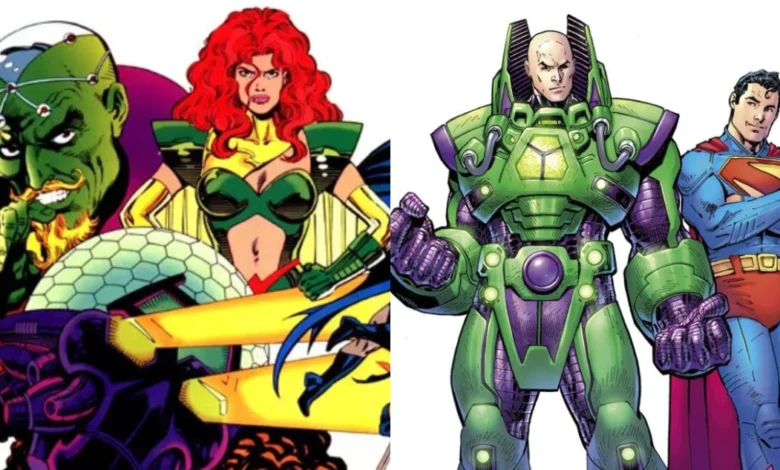
The development of the DC Universe (DCU) under the stewardship of James Gunn and Peter Safran has been defined by a rigorous commitment to transparency, particularly regarding the vast repository of comic book source material informing the new cinematic slate. Recently, speculation reached a fever pitch regarding the narrative foundations of the upcoming feature film Man of Tomorrow. Reports had circulated suggesting that the 1992 comic book arc Panic in the Sky, a seminal Brainiac-centric event, would serve as the primary structural blueprint for the film. However, James Gunn has officially clarified his creative process, dismissing these reports while providing insight into how he is synthesizing the history of one of DC’s most iconic antagonists.
The Origin of the Speculation
The rumor mill surrounding Man of Tomorrow—scheduled for a theatrical release on July 9, 2027—has been active since the project was first announced. The speculation regarding Panic in the Sky did not emerge in a vacuum; it was a direct consequence of a secondary, unverified report suggesting that the character Maxima was slated to make her live-action DCU debut in the film.
In the comic book continuity, Panic in the Sky is a massive crossover event that famously features Maxima playing a pivotal, albeit complex, role alongside Superman as they confront Brainiac. When fans connected the dots—expecting Maxima to appear—it was logically inferred that the story arc most synonymous with her presence would naturally follow. This theory gained significant traction across social media platforms and fan forums, creating an expectation that the film would serve as a direct adaptation or a loose reimagining of that specific 1992 narrative.
The cycle of rumor propagation often follows a distinct pattern in the modern era of comic book cinema: a casting rumor surfaces, followed by an inference regarding which comic book source material "must" be the inspiration. In this instance, the Maxima rumor was itself a reaction to an earlier, debunked report claiming that Wonder Woman would be appearing in Man of Tomorrow. Once the Wonder Woman rumor was extinguished by Gunn, the vacuum was quickly filled by the Maxima and Panic in the Sky theories.
James Gunn Clarifies the Creative Process
James Gunn has utilized his social media presence, particularly his Threads account, as a direct line of communication to address misinformation regarding the DCU’s development. In a recent interaction with fans, Gunn provided a definitive rebuttal to the claim that Panic in the Sky is a core pillar of the Man of Tomorrow script.
"Fun story but not really, no," Gunn stated when questioned about the influence of the 1992 event. He further elaborated on his methodology, noting, "More specifically: I read almost every Brainiac story to put Brainiac in Man of Tomorrow together and used bits and pieces I thought worked best. But Panic in the Sky wasn’t a key influence on the story."
This statement is significant because it highlights a distinction between "adapting a specific arc" and "curating a character’s history." By reading the entirety of Brainiac’s publication history—a character introduced in 1958’s Action Comics #242—Gunn is signaling an approach that seeks to distill the essence of the character rather than relying on a singular, contained storyline. This method allows the creative team to cherry-pick iconic elements, personality traits, and thematic stakes that have evolved over nearly seven decades of storytelling, rather than being beholden to the constraints of a single event series.
Contextualizing the Brainiac Narrative
Brainiac remains one of the most formidable threats in the Superman rogues’ gallery, often serving as a catalyst for large-scale, world-threatening events. Panic in the Sky, written by Roger Stern and illustrated by various artists including Dan Jurgens, was defined by its scale, focusing on a massive armada and a global threat that required the cooperation of the entire Justice League.
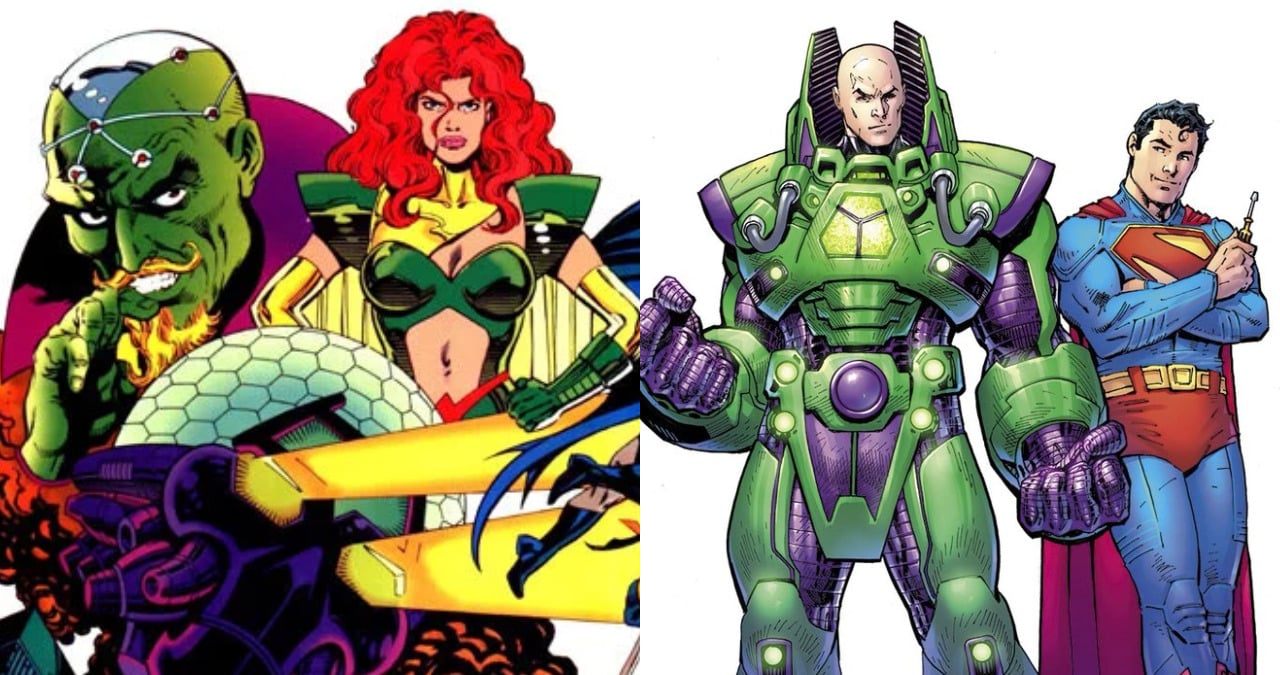
By moving away from a strict adaptation of this arc, Gunn and his team are likely aiming to avoid the "event fatigue" that has occasionally plagued modern superhero cinema. Instead, the focus appears to be on a more intimate or character-driven exploration of Brainiac’s motivations. This aligns with the broader strategy for the DCU, which emphasizes high-quality, director-led visions that are meant to build a cohesive universe without necessarily being subservient to the panel-by-panel recreations of previous decades.
Implications for Casting and Character Inclusion
The de-prioritization of Panic in the Sky as a source of inspiration carries immediate consequences for the potential inclusion of supporting characters. If the narrative is not tied to the specific plot of the 1992 arc, the necessity for Maxima—or indeed, the specific roster of characters featured in that storyline—diminishes significantly.
Industry analysts have noted that the original reports regarding the casting of an "athletic woman" for the film were highly speculative. Without the structural requirement of the Panic in the Sky arc, it is entirely plausible that these reports were based on either outdated information, a misinterpretation of a separate casting call, or pure conjecture. As of now, no official announcements have confirmed the inclusion of Maxima, and the status of any such character remains, at best, unverified.
The Broader Impact on the DCU Slate
The clarification from the director serves as a case study in the current landscape of media reporting. As the DCU continues to take shape, the pressure for "scoops" regarding casting and plot points has led to a high volume of unverified information circulating within the digital ecosystem.
Gunn’s approach to debunking these myths is multi-faceted:
- Managing Expectations: By clarifying that the film is a synthesis of many stories rather than one specific adaptation, he lowers the risk of audience disappointment based on preconceived notions.
- Protecting Narrative Secrecy: By addressing the "Panic in the Sky" theory, he effectively steers the conversation away from spoiler-heavy speculation and back toward the creative intent of the project.
- Establishing Authority: The use of primary-source communication ensures that the studio’s official stance remains the dominant narrative, countering the influence of third-party rumors.
Looking Toward July 2027
As the production of Man of Tomorrow progresses, the focus of the public and the media is expected to shift from speculative rumors to official promotional material. The film stands as a critical juncture for the new DCU. If successful, it will establish the standard for how the studio handles legacy characters and their decades-spanning mythologies.
The decision to treat Brainiac’s history as a mosaic rather than a linear narrative suggests a sophisticated approach to world-building. Rather than attempting to force a modern film into the mold of a 30-year-old comic book event, the production is opting for a broader, more comprehensive analysis of the character’s legacy. This strategy is consistent with the DCU’s goal of creating a "living" universe that respects its source material while remaining accessible to a modern, global audience that may not be familiar with the intricacies of 1990s comic book continuity.
For fans and observers, the lesson remains clear: while comic book history provides the essential DNA for these films, the final product is rarely a direct translation. As July 9, 2027, approaches, the focus remains on how these "bits and pieces" of Brainiac’s storied history will be woven together to create a fresh, definitive, and cinematic version of the Man of Tomorrow. The creative team’s ability to synthesize these elements, while resisting the urge to simply repeat past successes, will ultimately define the success of this new era of DC storytelling.