The recent and unexpected departure of James Gunn and Peter Safran from the helm of DC Studios has sent shockwaves through the entertainment industry, prompting intense scrutiny regarding the strategic direction of major comic book adaptations. Despite a largely successful slate of projects that garnered critical acclaim and robust box office returns—with the isolated exception of Supergirl—leadership changes orchestrated by Skydance executives David Ellison and Ynon Kreiz have signaled a sharp pivot for the studio. According to a comprehensive report published by The Hollywood Reporter, a primary rationale behind the ouster of Gunn and Safran was the executive belief that Gunn’s self-directed 2025 blockbuster, Superman, failed to sufficiently "net out" or achieve the profound pop-culture resonance expected of such a foundational cinematic property.
However, a rigorous examination of the film’s box office performance, cultural footprint, and audience engagement metrics complicates the narrative advanced by studio leadership. Far from underperforming, Superman carved out a distinct and influential space in a heavily saturated superhero market, challenging prevailing industry assumptions about audience appetites for earnest, optimistic storytelling.
Box Office Context and the 2025 Superhero Landscape
To accurately assess the performance of Superman, industry analysts must evaluate the hyper-competitive theatrical ecosystem of 2025. The film entered a marketplace crowded with high-profile releases from rival studios, most notably Marvel Studios’ aggressive slate featuring Captain America: Brave New World, Thunderbolts*, and The Fantastic Four: First Steps.
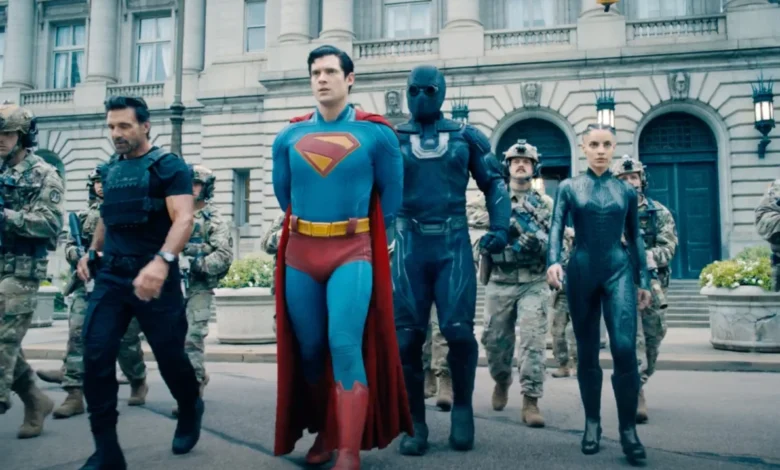
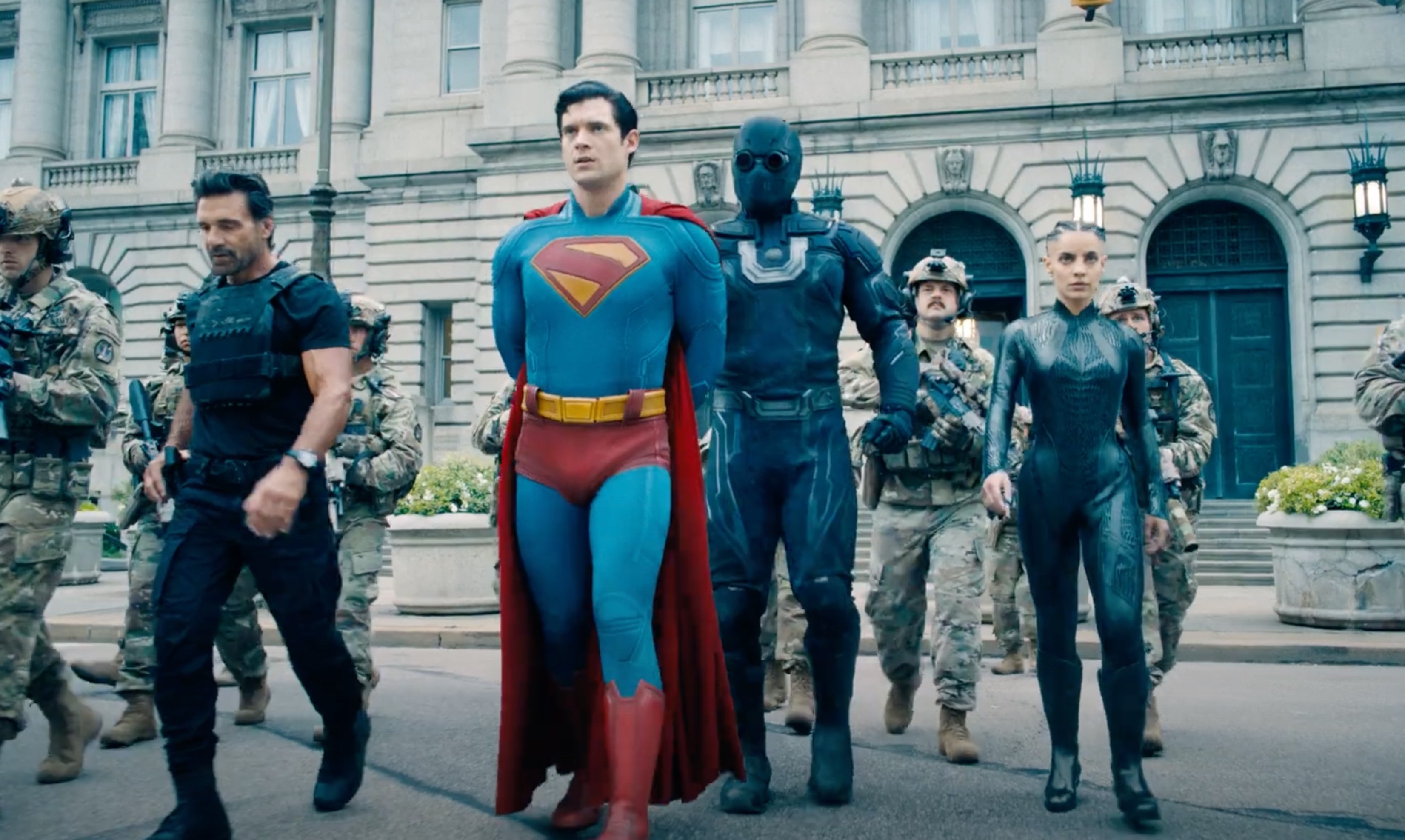
During this period, superhero fatigue was a frequent subject of trade publication discourse, a phenomenon underscored by the underperformance of several high-profile genre entries. While Captain America: Brave New World and Thunderbolts* struggled to capture sustained box office momentum despite varying levels of critical reception, and The Fantastic Four: First Steps managed a modest recovery largely attributed to its proximity and tonal alignment with Gunn’s DC release, David Corenswet’s portrayal of the Man of Steel soared above the competition. Superman ultimately grossed over $600 million globally, establishing itself as a commercial bright spot in a year where studio tentpoles faced mounting financial friction.
The Genesis of DC Studios and the Gunn-Safran Mandate
The friction between creative leadership and corporate oversight cannot be understood without reviewing the trajectory of DC Studios since its inception. In late 2022, Warner Bros. Discovery appointed James Gunn and producer Peter Safran as co-chairmen and co-CEOs of DC Studios, tasking them with charting a unified, multi-platform narrative universe across film, television, animation, and gaming—dubbed the DC Universe (DCU).
Gunn, whose previous Marvel trilogy Guardians of the Galaxy defied skeptical box office predictions to become a defining cultural touchstone of the 2010s, applied a similar philosophy to the DC stable. The core strategy of the Gunn-Safran era was structural rehabilitation: moving away from the polarizing, critically contested "grim and gritty" aesthetic that had dominated the studio’s output under Zack Snyder, and returning foundational heroes to their classic, optimistic thematic roots.
For nearly a decade, characters like Superman had been filtered through a darker, deconstructionist lens across comics, video games, and cinema. Gunn’s 2025 feature deliberately dismantled this paradigm, presenting Clark Kent as a beacon of wholesome, empathetic morality. Despite this creative clarity, the transition of corporate control—accelerated by broader industry consolidation and leadership shifts involving Skydance—ultimately placed Gunn and Safran’s operational autonomy in jeopardy.
Cultural Resonance: From the Fortress of Solitude to Social Media
While Skydance executives reportedly questioned the film’s broader cultural footprint, empirical evidence from digital and real-world metrics suggests otherwise. Cultural impact in the mid-2020s is frequently measured through digital diffusion, viral engagement, and cross-media synergy—areas where Superman excelled significantly.
A primary driver of this cultural conversation was the film’s climactic sequence. Following the resolution of Lex Luthor’s geopolitical plot involving Jarhanpur and a near-catastrophic singularity threatening Metropolis, the narrative concludes with Clark Kent retreating to the Fortress of Solitude. As the band Teddybears’ track "Punkrocker," featuring the distinct vocals of Iggy Pop, plays at high volume, the scene delivers a direct payoff to an earlier thematic line wherein Superman posits to Lois Lane that genuine kindness represents "the real punk rock."
This concluding sequence immediately permeated online discourse. Digital remixes, video essays, and fan edits featuring the song flooded social media platforms, drawing organic comparisons to contemporary youth-culture touchstones. The cultural visibility of the film was further amplified by concurrent publishing initiatives, including a high-profile series of Spider-Man and Superman crossover variant covers released by DC and Marvel earlier in the year, which galvanized traditional comic book fandom.
Real-World Implications: The Krypto Effect
Beyond digital engagement, Superman generated tangible, real-world behavioral shifts that challenge the assertion of a negligible cultural footprint. The inclusion of Krypto the Superdog—a character that sparked preliminary debate among purists and casual viewers regarding the narrative viability of a super-powered canine—became an unexpected catalyst for civic engagement.
Following the film’s theatrical debut, animal shelters and rescue organizations reported a noticeable surge in adoption inquiries and applications for dogs, a phenomenon directly attributed to the character’s charming cinematic portrayal. Gunn himself had publicly noted that Krypto’s visual and behavioral design was partially inspired by his own adopted rescue dog, Ozu. This convergence of fiction and philanthropy underscored the film’s emotional resonance, translating box office attendance into active, real-world community benefits.
Broader Industry Implications and Future Outlook
The departure of Gunn and Safran, catalyzed by divergent metrics of success between creative visionaries and incoming corporate stakeholders, marks a turbulent chapter for modern franchise management. Skydance’s valuation of Superman’s cultural impact highlights an ongoing ideological divide in Hollywood: the tension between traditional, spreadsheet-driven expectations of four-quadrant dominance and the nuanced, organic ways modern audiences consume and internalize pop-culture media.
As DC Studios navigates its next iteration under new corporate oversight, the legacy of the Gunn-Safran era remains defined by its attempt to restore classical heroic archetypes to the cinematic mainstream. Whether subsequent management can replicate the financial stability and distinct cultural footprint established by Corenswet’s inaugural flight as the Man of Steel remains one of the industry’s most pressing unresolved questions.