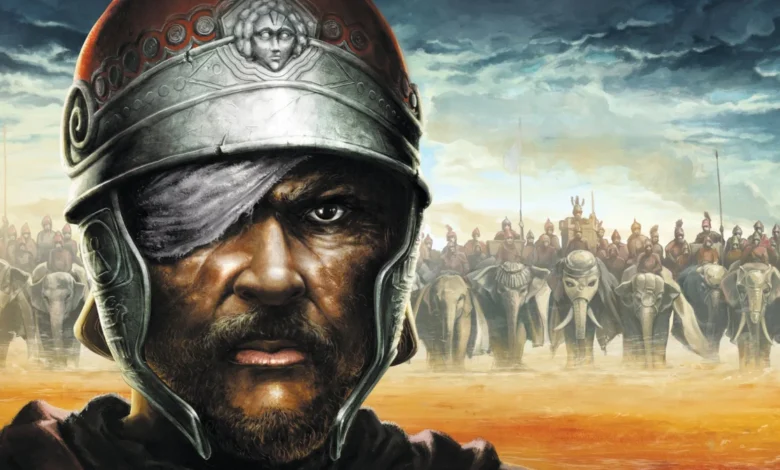
The storied conflict between the ancient superpowers of Rome and Carthage is once again coming to life on tabletops worldwide, as publisher Phalanx has launched a high-profile crowdfunding campaign on the Gamefound platform. This initiative marks the return of two of the most critically acclaimed card-driven strategy games in the modern hobby: the legendary Hannibal: Rome vs. Carthage and its companion title, Hamilcar: First Punic War. Following a period where both titles were largely absent from the retail market, this campaign offers enthusiasts a chance to secure the latest printings of these historical simulations, bolstered by exclusive high-end components.
A Legacy of Strategic Excellence
At the heart of this campaign lies a legacy that spans over two decades. Hannibal: Rome vs. Carthage, originally designed by Mark Simonitch, first debuted in the late 1990s and quickly cemented itself as a benchmark for the card-driven wargame genre. The game earned immense praise for its ability to distill the complex political and military maneuvers of the Second Punic War into a tense, asymmetric experience for two players.
The pedigree of these titles is well-documented within the board gaming community. The 2018 consolidated re-release of the two titles was awarded the prestigious BoardGameGeek Golden Geek Award for Best Wargame, a feat the original Hannibal title had accomplished independently a decade earlier. Currently, the franchise maintains an impressive user rating of 8.3 out of 10 on BoardGameGeek, positioning it as the 18th highest-rated wargame on the platform. This statistical consistency highlights not only the enduring appeal of the subject matter but also the robust nature of the underlying mechanics.
The Mechanics of the Punic Wars
The gameplay loop of both titles centers on a sophisticated card-driven system. Players assume the roles of Rome and Carthage, managing asymmetrical decks that dictate their strategic reach, army recruitment, and diplomatic influence across the Mediterranean basin. The brilliance of the design lies in the "multi-use" nature of the cards; players must constantly weigh whether to use a card for its movement points or for the historical event depicted upon it.
When these forces inevitably clash, the game shifts to a battle-card system. This secondary layer of gameplay forces players to account for the tactical prowess of their generals and the morale of their troops, effectively simulating the "fog of war" and the high stakes of ancient warfare. By separating the strategic map movement from the tactical battle resolution, the games maintain a brisk pace while ensuring that every decision—whether a march toward a key province or a diplomatic overture to a neutral city-state—carries significant weight.
Hamilcar: First Punic War, designed by Raymond de Maria based on original concepts by Simonitch and John Rodriguez, serves as the perfect complement to its predecessor. While Hannibal focuses on the land-based theater of the Second Punic War, Hamilcar shifts the perspective to the naval supremacy battles of the First Punic War, utilizing a similar mechanical DNA to provide a distinct but familiar experience.
Campaign Details and Exclusive Offerings
Phalanx has structured the current Gamefound campaign to address the demand for both accessibility and collectability. Unlike the 2018 edition, which bundled both games into a single, comprehensive box, this printing treats each title as an individual, standalone product. This decision allows newer players to enter the series at a lower entry point while permitting veteran collectors to manage their shelf space more effectively.
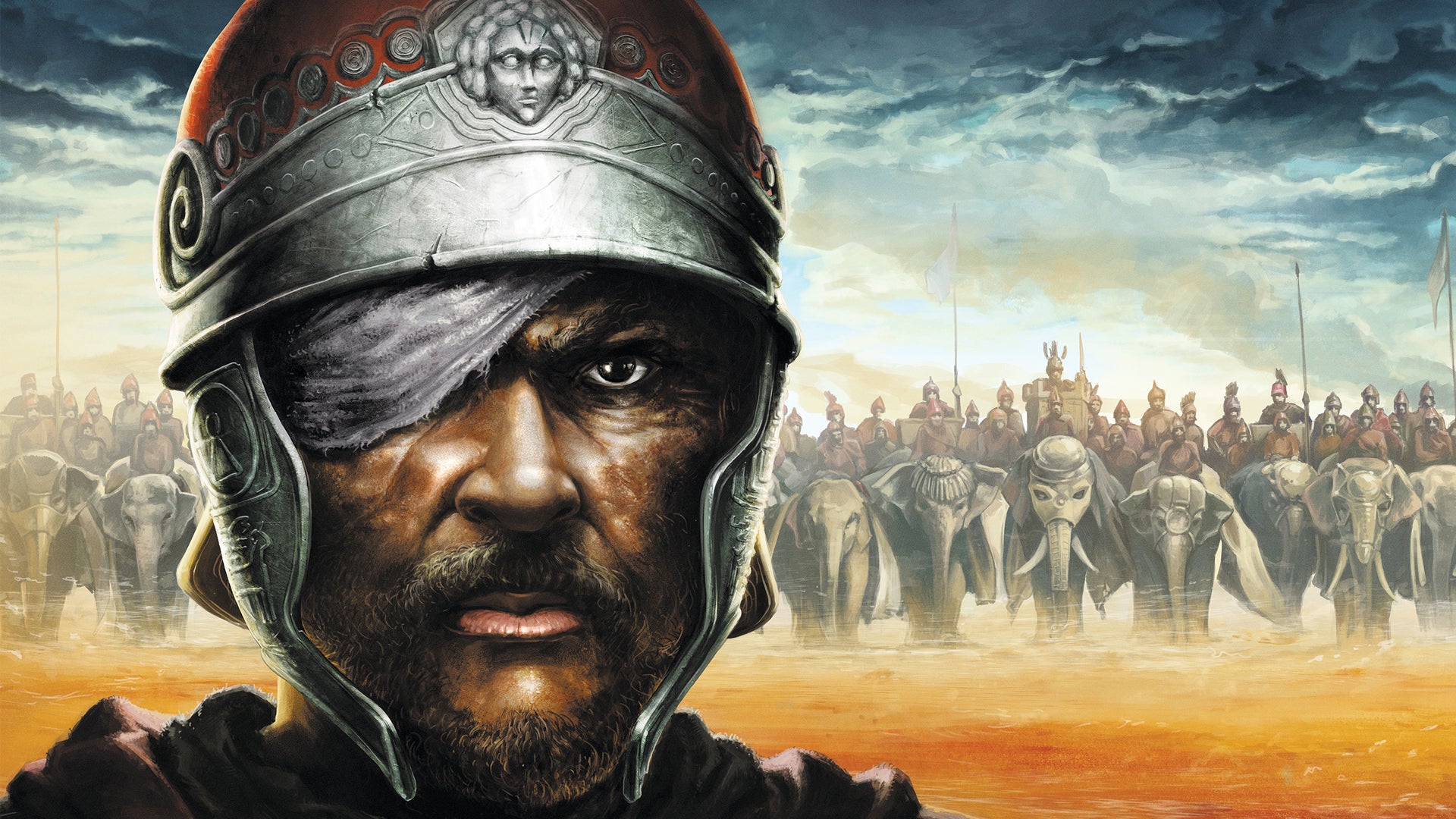
The financial structure of the campaign is tiered to accommodate different levels of commitment:
- Individual titles (Hannibal or Hamilcar) are available for €45 each.
- A combined bundle for both games is priced at €80.
- The "Deluxe" tier, which includes both games and a bespoke wooden storage box housing 26 exclusive metal miniatures, is priced at €160.
The inclusion of the metal miniatures—which are finished with a dark wash to enhance detail—is perhaps the most significant draw for established fans. Phalanx has confirmed that these miniatures are strictly exclusive to the crowdfunding campaign, ensuring that they will not be available through general retail channels once the campaign concludes. These figures serve as a visual representation of the key historical generals featured in both games, adding a tactile element of immersion to the tabletop experience.
Timeline and Logistics
The campaign is currently live and is scheduled to conclude on May 24th. Phalanx has provided a clear roadmap for fulfillment, projecting an arrival date for the games in August of the following year. This timeline accounts for the manufacturing of the high-quality components and the logistics of international distribution. Given the historical volatility of supply chains in the board game industry, this extended window allows the publisher to maintain high quality-control standards for the final product.
The Broader Impact on Historical Wargaming
The sustained success of the Hannibal series provides a compelling case study on the health of the "heavy" strategy game market. In an era where many board games are criticized for being "over-produced" or mechanically thin, titles like those from the Phalanx catalog continue to find an eager audience. This suggests that there is a significant, stable demographic of players who value historical accuracy, depth of strategy, and long-term replayability over the trends of the broader mainstream toy market.
Furthermore, the shift toward crowdfunding for these reprints serves as a risk-mitigation strategy for publishers. By gauging demand before committing to a massive print run, firms like Phalanx can ensure that they are producing the exact volume required by the market, reducing waste and ensuring the financial viability of these niche but important titles. The inclusion of exclusive physical components, such as the metal miniatures, serves to "gamify" the backing process itself, providing value that cannot be replicated in a standard retail environment.
Analysis of the Competitive Landscape
From an analytical standpoint, the decision to split the games into separate boxes indicates a shift in the publisher’s strategy regarding accessibility. The previous consolidated box was, by necessity, a heavy and expensive purchase. By lowering the entry threshold to €45, Phalanx is actively lowering the barrier to entry for the "Classic" wargame genre, which has historically been perceived as intimidating to casual gamers.
The popularity of the series also speaks to the "evergreen" nature of historical themes. Because the events of the Punic Wars are set in stone, the games do not suffer from the "obsolescence" that might plague games based on modern technological themes or fleeting pop-culture trends. As long as the rule sets remain balanced and the production values remain high, these titles will likely remain relevant to strategy enthusiasts for decades to come.
As the May 24th deadline approaches, the campaign serves as a barometer for the continued interest in classic wargaming. With thousands of backers already expressing interest, it is clear that the clash between Rome and Carthage remains as compelling today as it was when the games were first introduced. For those who missed the previous iterations, or for those looking to upgrade their collections with the exclusive metal miniatures, the current Phalanx campaign represents the definitive opportunity to own these cornerstones of modern strategy gaming.
Related posts: