Neon Hope: A Cyberpunk-Solarpunk Hybrid Card Game Challenges Players to Build a Sustainable Future

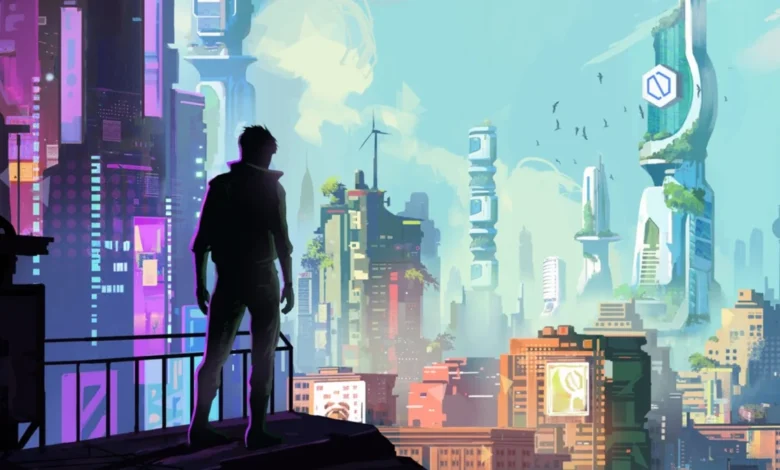
The landscape of tabletop gaming is poised for a significant shift in early 2025 as publisher Hopeful Games prepares to launch a crowdfunding campaign for Neon Hope, a cooperative card game that merges the intricate strategic mechanics of classic cyberpunk titles with the narrative-driven, episodic gameplay popularized by modern living card games (LCGs). By pivoting away from the cynical, high-stakes competition of games like Android: Netrunner and toward a collaborative effort to avert systemic societal collapse, Neon Hope seeks to introduce a "solarpunk" ethos into a genre traditionally defined by dystopian isolationism.
The Genesis of a New Genre Blend
At its core, Neon Hope represents a thematic and mechanical evolution. While the cyberpunk genre has historically been characterized by "high tech and low life," often focusing on individualistic rebellion against monolithic corporate structures, Neon Hope reframes these elements through the lens of solarpunk. Solarpunk is an aesthetic and philosophical movement that envisions a future where technology and ecology coexist, emphasizing renewable energy, sustainability, and communal harmony.
By situating the game in a futuristic reimagining of Berlin, developers have consciously moved away from the Western-centric, often problematic tropes found in mid-80s and 90s cyberpunk media. The choice of Berlin—a city with a complex history of political division, counter-culture, and rapid modernization—serves as a distinct backdrop that allows for a more nuanced exploration of urban decay and rebirth. This European-flavored setting provides a fresh canvas for a narrative that moves beyond the "hacker-versus-corp" binary, replacing it with a cooperative struggle to steer society away from the precipice of total corporate hegemony.
Mechanical Foundations and Narrative Depth
The game’s design philosophy draws heavily from the "Living Card Game" model, a format popularized by Fantasy Flight Games’ Arkham Horror: The Card Game. In this model, the gameplay experience is delivered through episodic scenarios that function like chapters in a serialized television drama. Each scenario in Neon Hope is designed to be highly replayable, with player decisions directly influencing the narrative branching paths of the game’s world state.
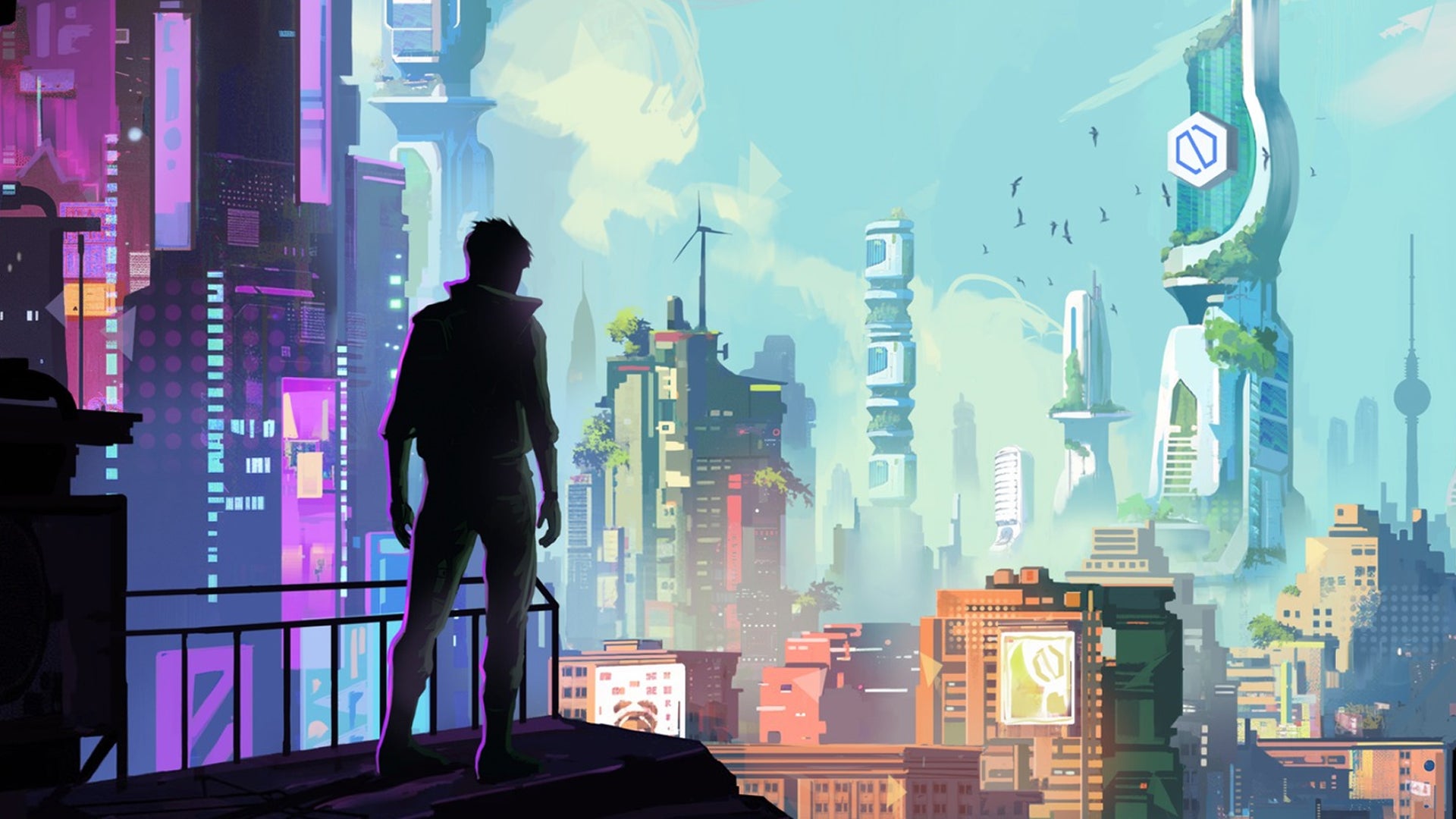
The prototype currently features a robust card pool exceeding 400 unique cards. This volume of content is essential for facilitating the depth required for the game’s intended strategy. Unlike competitive card games, where the meta-game revolves around deck optimization to defeat an opponent, Neon Hope requires players to synchronize their deck-building strategies to address complex systemic threats. Each card represents a tool, a character, or a societal shift, and the art direction—a synthesis of neon-drenched cyberpunk imagery and lush, green solarpunk motifs—serves to visually reinforce the game’s core theme: the reclamation of a technology-driven world for the benefit of humanity and the environment.
A Chronology of Development
The development cycle for Neon Hope has been characterized by iterative testing and community engagement. Following the conceptualization phase, Hopeful Games moved into a series of closed-alpha tests, refining the balance between the game’s resource-management systems and its narrative delivery.
- Late 2023 – Mid 2024: Internal prototyping and balancing of the core deck-building mechanics. The design team focused on ensuring that the cooperative elements remained challenging for solo players while scaling effectively for groups of up to four.
- Late 2024: The introduction of public demos. By utilizing platforms such as Tabletop Simulator and establishing a dedicated Discord community, the developers invited early feedback from the tabletop enthusiast community. This phase proved critical for identifying balance issues in the episodic scenarios.
- Early 2025: Scheduled launch of the Kickstarter campaign. This move marks the transition from a niche prototype to a commercial product, with the crowdfunding stage intended to secure funding for high-quality production values and the potential for future expansions.
Market Context and Industry Implications
The tabletop gaming market has seen a resurgence of interest in cooperative storytelling experiences. Data from industry tracking sources suggests that crowdfunding platforms remain the primary vehicle for high-complexity, narrative-heavy card games. The success of titles like Arkham Horror: The Card Game and Marvel Champions has demonstrated that there is a significant audience segment willing to invest in long-term, expandable card systems that prioritize cooperative player agency over "player vs. player" (PvP) confrontation.
From a sociological perspective, the emergence of Neon Hope reflects a broader trend in speculative fiction: the move toward "hopepunk" and solarpunk. As climate anxiety and technological apprehension grow among younger demographics, gaming narratives are shifting from "how do we survive the end of the world?" to "how do we build a world that is worth living in?"
Industry analysts suggest that this pivot is not merely thematic but strategic. By offering a game that emphasizes positive outcomes and collaborative problem-solving, Hopeful Games is positioning itself to capture a demographic that may be fatigued by the hyper-individualistic and often nihilistic themes of traditional cyberpunk.
Technical Challenges and Design Choices
One of the primary challenges for the development team has been maintaining the "cyberpunk feel" without resorting to the dated aesthetics that have faced criticism for their reliance on orientalist stereotypes and exclusionary tropes. By focusing on a European urban center and emphasizing the social and environmental potential of technology, the design team is attempting to modernize the genre’s visual and narrative language.
The inclusion of a robust solo mode is another significant design decision. Modern board game consumers increasingly demand solo-capable experiences, particularly in games that feature deep, narrative-driven content. By ensuring the game functions as both a single-player tactical experience and a cooperative group activity, Neon Hope maximizes its accessibility.

Official Stance and Community Engagement
Representatives from Hopeful Games have emphasized that the upcoming Kickstarter is intended to be a collaborative venture with the player base. The developers have actively utilized their Discord channel to solicit feedback on card abilities and scenario pacing, creating a feedback loop that is increasingly common in the modern indie tabletop scene.
"Our goal is to create a game that reflects the complexities of our current world while providing a blueprint for the future we want to see," said a spokesperson for the design team. "By merging the strategic depth of the classics with a hopeful narrative, we are inviting players to engage with the concept of systemic change in a way that is both intellectually stimulating and fun."
Broader Impact on the Tabletop Landscape
As the crowdfunding launch approaches, the success of Neon Hope will likely be viewed as a litmus test for the viability of solarpunk-themed games in the mass market. If the project succeeds in reaching its funding goals, it could inspire other designers to explore non-dystopian sci-fi themes.
Furthermore, the game’s commitment to avoiding the problematic tropes of 20th-century cyberpunk may set a new standard for future titles in the genre. As the tabletop industry continues to grapple with its historical reliance on exclusionary narratives, the shift toward more inclusive, forward-thinking settings is becoming not just a moral choice, but a commercial necessity.
For those interested in the mechanical systems, the available print-and-play demos serve as a testament to the game’s complexity. Players are tasked with managing energy resources, mitigating corporate interference, and building social infrastructure, all while navigating an episodic story that responds to their failures and successes. As the industry looks toward 2025, Neon Hope stands out as a project that balances mechanical rigor with a timely, optimistic message. Whether it succeeds in shifting the genre’s center of gravity remains to be seen, but the intent to redefine what "cyberpunk" can mean in a modern context is clear.
Related posts: