Marvel Studios Pulls Back the Curtain on Avengers Endgame Encore While a Surprising Poster Mistake Sparks Fan Theories

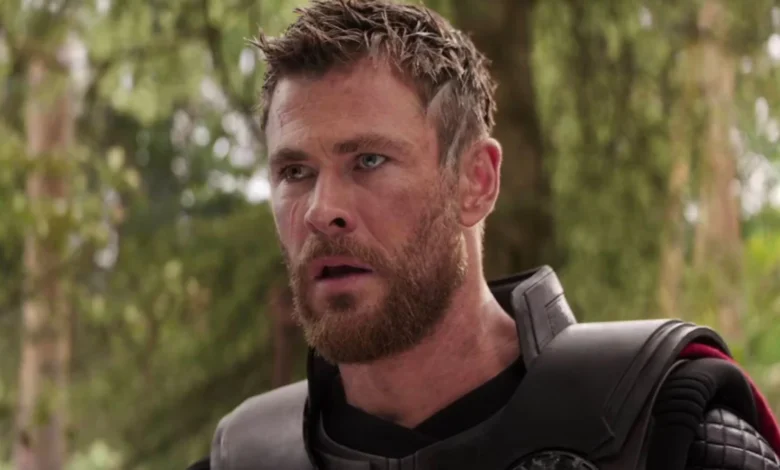
As the Marvel Cinematic Universe builds unprecedented momentum toward its next massive cinematic milestones, studio executives are offering audiences a strategic bridge to the past. While anticipation reaches a fever pitch for upcoming blockbusters like Spider-Man: Brand New Day and the highly anticipated Avengers: Doomsday, Marvel Studios has officially scheduled a theatrical return for one of the highest-grossing films in cinematic history. On September 25, theaters worldwide will welcome Avengers: Endgame Encore, an extended re-release of the 2019 monumental crossover event. This strategic theatrical run is designed not only to celebrate the legacy of the Infinity Saga but also to lay vital narrative groundwork for the future multiverse arcs. However, the rollout has already drawn intense scrutiny from the global fan base, following the release of promotional materials that contain a glaring continuity error involving one of Asgard’s most prominent heroes.
The Main Facts Surrounding the Theatrical Re-Release
Avengers: Endgame Encore arrives in cinemas with a reported runtime that exceeds the original motion picture by several additional minutes. While Marvel Studios has maintained a tightly controlled information ecosystem regarding the exact nature of the new footage, industry insiders and exhibitors indicate that the runtime extension points to at least one or two newly integrated scenes. These additions are widely expected to recontextualize the aftermath of Tony Stark’s universe-saving snap and establish thematic ties to the unfolding narrative of Avengers: Doomsday.
The re-release strategy mirrors previous historical box-office tactics employed by major studios, where an extended cut is utilized to reignite public interest, push milestone box-office thresholds, and prime audiences for upcoming intellectual property releases. Despite the scarcity of official plot summaries detailing the new sequences, the promotional campaign is already in full swing, featuring sweeping trailers, commemorative merchandise, and high-profile promotional artwork distributed across official social media channels.
Chronology of the Infinity Saga and the Multiverse Era
To understand the positioning of Avengers: Endgame Encore, it is necessary to examine the chronological progression of the Marvel Cinematic Universe. Released in April 2019, Avengers: Endgame served as the emotional and narrative culmination of twenty-two interconnected films spanning more than a decade of storytelling. The film chronicled the desperate mission of the surviving Avengers to reverse the decimation caused by Thanos, ultimately concluding with the definitive departures of foundational characters such as Tony Stark and Steve Rogers.
Following Endgame, the MCU entered the expansive Multiverse Saga, exploring alternate realities, temporal anomalies, and new antagonistic forces such as Kang the Conqueror and, more recently, Doctor Doom. The upcoming release of Avengers: Doomsday represents the culmination of this current multi-year storytelling phase. By inserting Avengers: Endgame Encore into the release calendar just weeks before the arrival of late-year tentpoles, Marvel Studios is actively bridging a six-year narrative gap, reminding contemporary audiences of the ultimate stakes established during the Infinity Saga before pivoting them toward the catastrophic threats of Doomsday.
A Closer Look at the Promotional Artwork Controversy
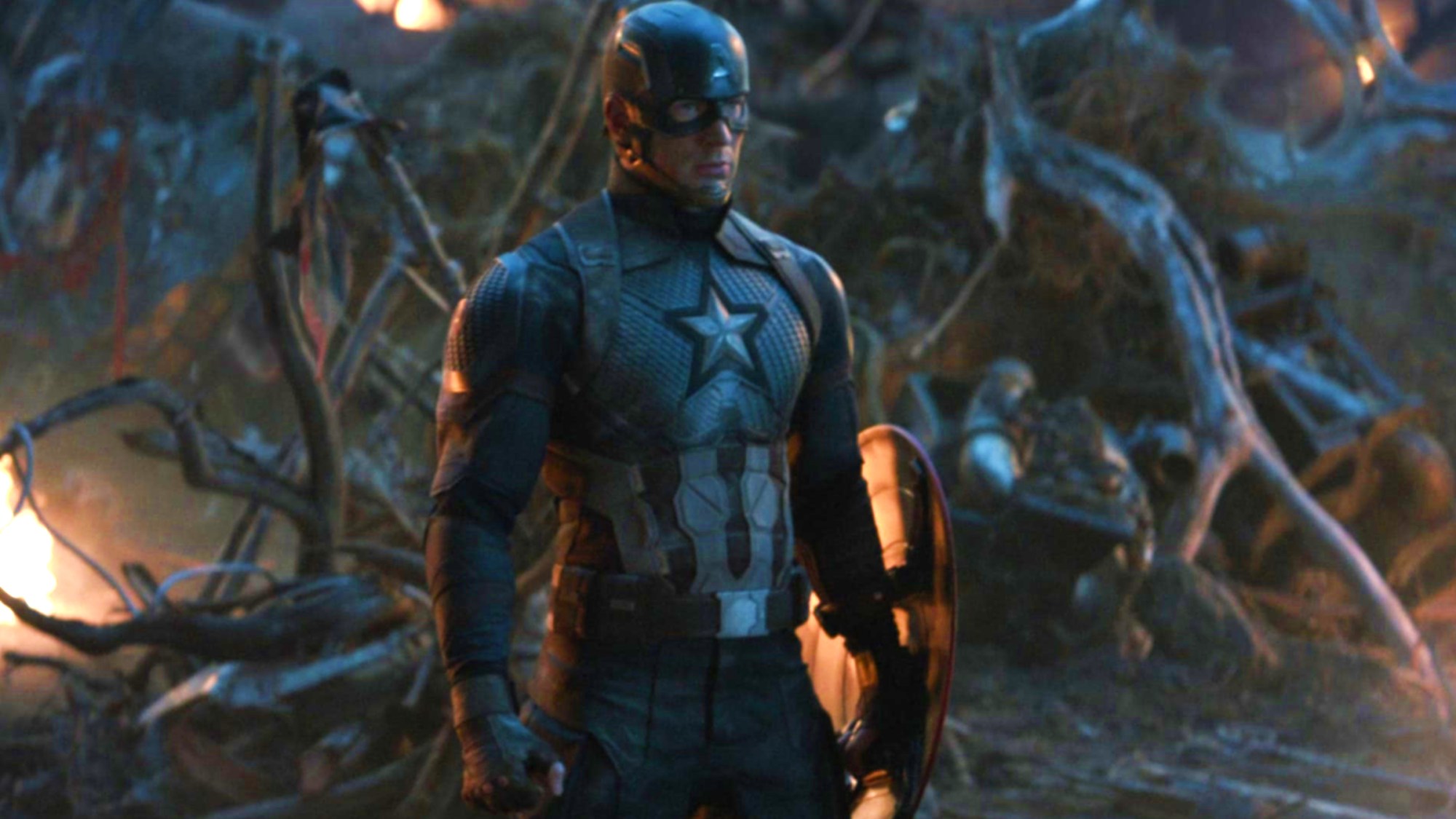
The promotional rollout for Avengers: Endgame Encore took an unexpected turn when the official Marvel Studios account on X (formerly Twitter) published a brand-new promotional poster. The artwork features a visually striking composition highlighting Iron Man, Captain America, and Thor standing over a reflective body of water. While the aesthetic choice of capturing the heroes’ earliest MCU iterations in their water-reflected shadows was praised for its thematic depth—showcasing original armor variants, pre-serum physiques, and early heroic appearances—eagle-eyed fans quickly identified a significant visual discrepancy.
Upon closer inspection, the primary depiction of Thor does not match his appearance in Avengers: Endgame. Instead of featuring his heavily weathered look or the physical transformation associated with the five-year time jump depicted in the 2019 film, the poster prominently utilizes Thor as he appeared in Avengers: Infinity War. The most distinct giveaway is the character’s hairstyle, which features the shorter crop acquired during his off-world journey on Sakaar and Nidavellir rather than the long locks or altered physical state seen throughout Endgame.
Industry Analysis and Fan Theories
The visual anomaly has sparked widespread debate across entertainment journalism and fan communities. Two primary schools of thought have emerged regarding the inclusion of Infinity War Thor on an Endgame-specific promotional asset.
The first theory suggests a deliberate, thematic design choice. The reflective water below the heroes displays their most inexperienced and foundational selves—Tony Stark in his initial Mark I or early-generation armor, Steve Rogers prior to the enhancement of the Super Soldier Serum, and Thor in his classic royal garb from his 2011 solo cinematic debut. Proponents of this argument suggest that because Endgame-era Thor—often burdened by depression and physical changes following his failure to stop Thanos—did not fit the polished, heroic aesthetic of the top-facing character models, designers opted for the more visually marketable Infinity War iteration.
The second, more prevalent theory among industry analysts is that the poster represents a simple oversight by the marketing department or an external design agency. Promotional assets for major blockbusters are frequently assembled months in advance using expansive digital asset libraries, where similar character renders can occasionally be mismanaged or cross-contaminated between consecutive franchise entries. Despite the artistic defense of the poster’s underlying symbolism, using an incorrect character model for a milestone theatrical re-release remains a notable misstep for a studio historically known for meticulous continuity control.
Broader Impact and Implications for the MCU
While a promotional poster error may seem trivial in the grand scheme of a multi-billion-dollar franchise, it highlights the immense logistical challenges of managing a cinematic universe of this magnitude. As Marvel Studios prepares for the monumental release of Avengers: Doomsday, maintaining narrative cohesion and visual accuracy across all consumer touchpoints is more critical than ever.
The anticipation surrounding Avengers: Endgame Encore demonstrates that audiences remain deeply invested in the foundational history of the MCU. Whether the re-release ultimately delivers the seismic narrative revelations promised by internet theorists or simply offers a nostalgic trip back to the cinema with a few minutes of bonus footage, its box-office performance will serve as an important barometer for franchise longevity. As theaters prepare to roll the projection for the extended cut on September 25, all eyes will be on the silver screen to see how Marvel bridges the definitive end of one era with the impending terror of the next.