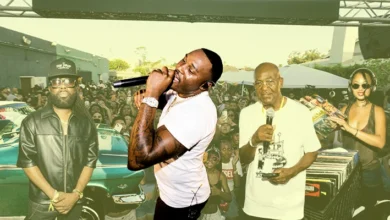
Kalan.FrFr Honors West Coast Hip-Hop History with Historic Headlining Performance at Long Beach World Famous VIP Records Presented by FX

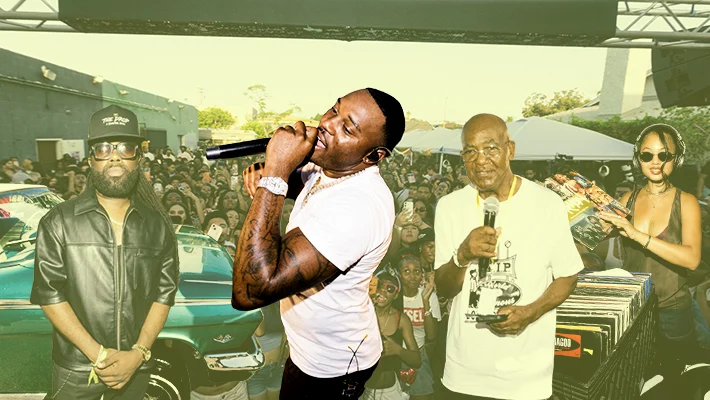
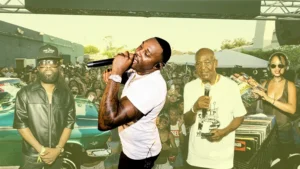
The intersection of musical heritage and contemporary culture reached a milestone this past weekend in Long Beach, California, as contemporary West Coast hip-hop torchbearer Kalan.FrFr delivered a high-profile headlining performance at the legendary World Famous VIP Records. Presented by FX in conjunction with The Drop: A Snowfall Saga, the event functioned as both a dynamic live music showcase and a cultural reverence for the foundational eras of West Coast rap music. The gathering drew massive crowds, industry insiders, and local community members to a site deeply embedded in the historical narrative of American popular music.
Main Facts of the Cultural Landmark Event
The weekend’s festivities transformed the perimeter of World Famous VIP Records into an active celebration of regional pride and historical acknowledgement. Long before the weekend concert, VIP Records occupied a sacred space in the geography of hip-hop. Situated in Long Beach, the establishment served as an incubator for the G-Funk era that dominated global charts throughout the late 1980s and 1990s.
The focal point of the recent event was a headline performance by Kalan.FrFr, an artist recognized for bridging the gap between classic Los Angeles sonic textures and modern rhythm and blues sensibilities. Supported by FX’s promotional backing for The Drop: A Snowfall Saga, the production converted a historic retail and recording hub into a fully realized festival-style environment. Crowds stretched for city blocks, while classic automotive culture was prominently displayed through a fleet of meticulously restored, candy-painted lowriders lining the curbs. Inside and outside the venue, attendees experienced a living museum of West Coast culture, underscored by historic photography, regional culinary staples, and elite musical performances.
Chronology and Historical Context of VIP Records
Understanding the significance of the weekend requires examining the historical trajectory of World Famous VIP Records. Founded and operated by Kelvin Anderson, the store evolved from a traditional retail record outlet into an essential community institution. During the late 1980s and early 1990s, Anderson made the visionary decision to convert the backroom of the shop into a functional music recording studio.
At a time when systemic socio-economic challenges in Los Angeles and Long Beach presented limited safe outlets for inner-city youth, Anderson’s backroom studio functioned as a creative safe house. It provided young, aspiring artists with access to recording equipment, mentorship, and a constructive environment away from neighborhood dangers.
The chronology of this incubator is legendary among music historians. It was within the unassuming confines of the VIP Records backroom that a trio of young local talents—Cordozar Broadus (Snoop Dogg), Ricardo Brown (Daquan/Kurupt references aside, Warren G), and the late Otha Moore (Nate Dogg)—formed the seminal group 213. It was in this very space that they recorded their first foundational demo tapes, which eventually fell into the hands of Dr. Dre, subsequently launching the G-Funk movement that reshaped the global music industry.
For the local community, hosting Kalan.FrFr’s performance at this exact location represented a definitive full-circle moment. Decades after nurturing the pioneers of a genre, VIP Records welcomed a contemporary standard-bearer, validating the ongoing lineage of West Coast artistic expression.
Supporting Data, Atmosphere, and Cultural Curation
The logistical footprint of the weekend event reflected the deep cultural roots of the region. Data and observations from the site underscored the magnitude of the production:
- Attendance and Logistics: Lines of eager fans wrapped completely around the city block hours before doors opened, demonstrating enduring local demand for live cultural activations that honor neighborhood heritage.
- Automotive Showcase: Along the curbs, a curated display of authentic, candy-painted lowriders paid homage to the vehicle culture inextricably linked to West Coast hip-hop visuals since the early days of MTV and independent videography.
- Visual Art Integration: The interior and exterior walls of the venue were adorned with vintage photographic prints captured by renowned lensman Mike Miller, whose archival work visually documented the rise of West Coast gangsta rap and G-Funk during its most formative years.
- Culinary Offerings: Authenticity was maintained through partnerships with iconic regional food providers, including South Los Angeles and Long Beach culinary staples Woody’s BBQ and Glizzy Street Dogs, reinforcing the neighborhood block-party aesthetic.
Musical Performances and Artistic Collaboration
The artistic programming of the event moved seamlessly between historical reverence and contemporary execution. Longtime turntable authority and cultural gatekeeper DJ Hed anchored the sonic landscape, keeping the massive crowd engaged with a masterclass in regional beat-mixing and crowd control.
A major highlight of the evening occurred when Andre Troutman, recognized for his work as Kanye West’s creative director, took to the stage. Troutman brought his expert talk box mastery to the live performance, elevating the auditory experience and directly connecting the vocoder-heavy sonic signatures of 1970s funk and 1990s G-Funk to modern ears. The set culminated in a stirring, unified crowd cover of the iconic anthem “California Love,” bridging generational divides among the attendees.
When Kalan.FrFr finally took center stage, the energy of the venue reached its absolute apex. As a prominent voice in the modern Los Angeles music scene, Kalan.FrFr delivered a setlist that acknowledged the giants who built the foundation while asserting his own place in the continuum. His performance served as a living tribute to the past, present, and future of West Coast hip-hop, validating the curatorial vision of the event’s sponsors.
Official Responses and Institutional Perspectives
While direct formal statements from corporate entities were framed through promotional alignment, representatives from FX and the production teams behind The Drop: A Snowfall Saga emphasized the importance of historical authenticity in modern marketing and cultural storytelling. Projects like Snowfall and its associated programming have consistently sought to contextualize the socio-political and cultural realities of Los Angeles during the crack epidemic and the subsequent birth of its defining musical movements.
Industry analysts observing the event noted that brand-sponsored cultural activations succeed when they respect and reinvest in the physical spaces that birthed artistic movements. By partnering with VIP Records, the organizers avoided generic promotional activations, opting instead to support a localized landmark that holds tangible value for music history. Kelvin Anderson’s legacy as a community anchor was implicitly honored by directing foot traffic, media attention, and cultural capital back to the physical storefront that started it all.
Broader Impact and Implications for West Coast Hip-Hop
The successful execution of the Kalan.FrFr concert at VIP Records carries several key implications for the broader entertainment and music industries:
- Preservation of Physical Landmarks: As gentrification and shifting commercial landscapes threaten historical sites in urban centers, events like this demonstrate the viability of utilizing music history as a tool for community revitalization and cultural tourism. Preserving spaces like VIP Records ensures that younger generations can physically connect to the roots of the art form they consume digitally.
- Intergenerational Collaboration: The seamless integration of veteran figures (such as DJ Hed and talk-box practitioners) with contemporary artists like Kalan.FrFr highlights a healthy ecosystem of mentorship and respect within the West Coast hip-hop community. Unlike scenes that frequently experience generational friction, the West Coast maintains a strong tradition of passing the torch.
- Branded Cultural Curation: The involvement of network television platforms like FX demonstrates a sophisticated evolution in promotional strategies. By anchoring a television property—The Drop: A Snowfall Saga—to a legitimate historical music site and pairing it with documentary companion pieces such as How LA Found Its Sound, media conglomerates are recognizing that modern audiences demand authentic, educational, and historically grounded content.
Conclusion and Future Outlook
As the weekend’s celebrations concluded, the resonance of the event extended far beyond a single concert recap. It reinforced the notion that Los Angeles and Long Beach hip-hop culture is not merely a nostalgic artifact of the 1990s, but a living, breathing, and continuously evolving tradition.
For audiences wishing to dive deeper into the historical mechanics of the region’s musical identity, the narrative extends into broader digital ecosystems. Viewers can explore the comprehensive video recap of the VIP Records event, stream Kalan.FrFr’s documentary exploration How LA Found Its Sound to witness his journey through the streets of Los Angeles, and engage with FX’s The Drop: A Snowfall Saga, currently available for streaming on Hulu. Through these mediums, the legacy forged in Kelvin Anderson’s backroom studio continues to inspire new generations of creators, ensuring that the foundational spirit of West Coast hip-hop remains indelible.