Data Mining Discovery Hints at Return of Master Quest Mode in the Newly Released Ocarina of Time Remake for Nintendo Switch 2

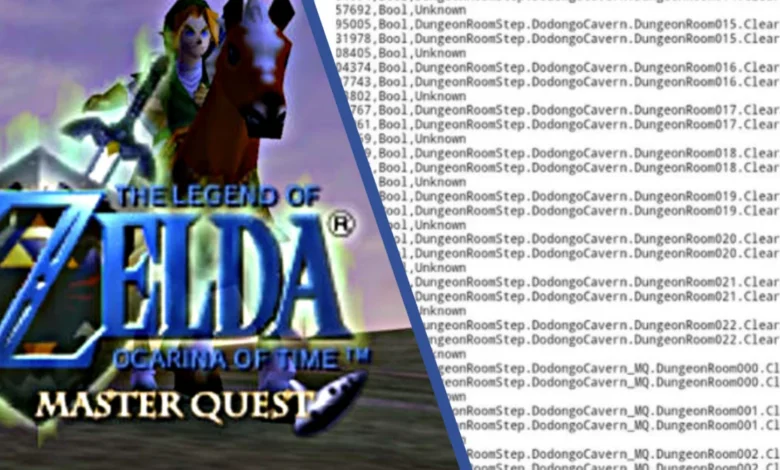
The recently launched and critically acclaimed remake of The Legend of Zelda: Ocarina of Time for the Nintendo Switch 2 may soon see the revival of its notoriously difficult alternative difficulty setting. Fresh code-diving efforts from prominent industry dataminers have uncovered substantial evidence suggesting that the iconic Master Quest mode is currently embedded within the game’s software architecture, though it remains officially unannounced by Nintendo.
The findings, first brought to light shortly after the remake’s November 5 rollout, point toward a targeted DLC rollout structure. As players continue to explore the meticulously rebuilt version of Hyrule, technical analysts are shedding light on what could be the game’s first major post-launch content addition, raising questions about pricing, availability, and the precise mechanical adjustments players can expect when returning to the legendary title.
Datamining Discoveries and File String Analysis
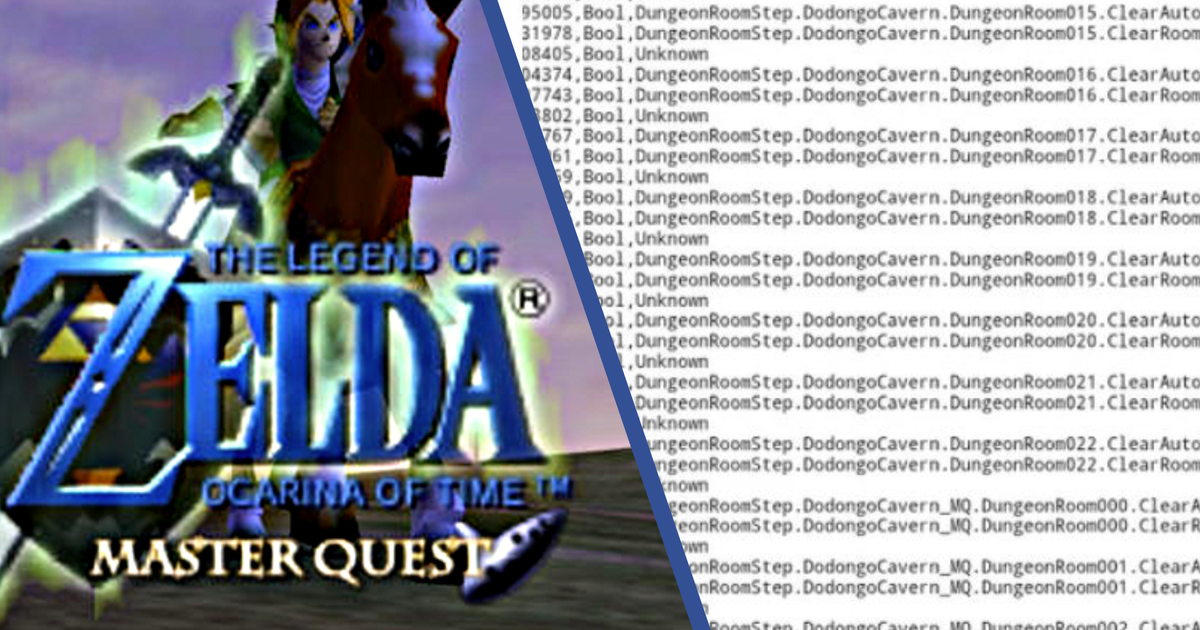
The initial discovery emerged on the social platform Bluesky, where well-known dataminer MrCheeze published a compilation of text strings extracted directly from the Nintendo Switch 2 remake’s file directory. Among the lines of code were explicit references combining the abbreviation "MQ" with core game dungeons, such as Dodongo’s Cavern.
Following this initial revelation, a broader investigation by fellow dataminer OatmealDome—highlighted by industry outlets such as TheGamer—uncovered deeper structural references. These included explicit flags such as "HasMQ," "IsMQModeExist," "NewGameMQ," and "ReleaseMQ." According to OatmealDome’s technical breakdown shared on social media platforms, these internal parameters indicate that the mode is tied explicitly to downloadable content architecture rather than being packaged as a routine system update.
Furthermore, OatmealDome confirmed that early iterations of the code already contain tangible gameplay alterations. Similar to previous iterations of Master Quest, the overworld layout is mirrored, and dungeons feature radically reconfigured puzzles and environmental hazards. Notably, early data fragments specifically reference misplaced entities within environments, such as unexpected livestock—including cows—appearing deep within Jabu-Jabu’s Belly, a hallmark of the delightfully disorienting design philosophy that defined the original Master Quest.
Background and Historical Context of Master Quest
To understand the significance of this datamined discovery, one must look back at the history of Master Quest. Originally developed under the working title "Ura Zelda," the project was initially conceived as an expansion for the Nintendo 64 Disk Drive (64DD) peripheral, designed to offer remixed dungeons, harder puzzles, and increased enemy aggression. When the 64DD commercial venture faltered, the expansion was shelved before being salvaged years later.
Master Quest eventually debuted to Western audiences in 2003 as a pre-order bonus disc bundled with limited editions of The Legend of Zelda: The Wind Waker on the Nintendo GameCube. It later saw a comprehensive overhaul in 2011 for Nintendo 3DS in The Legend of Zelda: Ocarina of Time 3D. In that handheld release, Master Quest was unlocked as a reward for completing the standard campaign, introducing both mirrored world geography and doubled damage scaling from all enemy attacks.
The November 2005 release of the Ocarina of Time remake on the Nintendo Switch 2 was met with universal praise. Industry critics hailed the title as a masterclass in modernizing a classic, with Eurogamer’s reviewer awarding the game a rare five-star rating and describing the project as an "astonishing remake." However, upon launch, the package appeared to lack the traditional Master Quest offering, leaving veteran players searching for a steeper challenge. The new datamine suggests that Nintendo may have always intended to reintroduce the mode, albeit through a separate distribution channel.
Implications of the DLC-Gated Unlocks

One of the most heavily scrutinized details to emerge from the recent datamine centers on how the mode will be delivered. Unlike the Nintendo 3DS version, where Master Quest was baked into the cartridge and unlocked upon game completion, OatmealDome’s analysis of the Switch 2 files indicates that the activation of "MQ" parameters is contingent on entitlement flags linked to external DLC ownership.
This technical detail opens a debate regarding Nintendo’s monetization strategy for the remake. At present, Nintendo has made no official announcements regarding post-launch additions, expansion passes, or standalone downloadable content for the Switch 2 title. Consequently, it remains entirely unconfirmed whether Master Quest will be distributed as a complimentary update for existing owners—mirroring historical precedents where certain legacy enhancements were free—or if it will be monetized as a paid expansion pack.
Industry analysts note that while Nintendo has frequently utilized tiered expansions and subscription perks through services like Nintendo Switch Online + Expansion Pack for classic emulation titles, deploying a dedicated DLC module for a fully rebuilt engine remake represents a different publishing path.
Caution and Official Stance
Despite the high fidelity of the extracted strings and structural flags, industry experts emphasize a standard note of caution regarding datamined content. Game development pipelines frequently retain legacy code, scrapped prototypes, or testing features that are abandoned before a project reaches commercial completion. The presence of functional strings such as "ReleaseMQ" suggests that work on the mode has advanced past mere conceptual testing, but it does not guarantee a definitive release timeline or final approval from Nintendo executives.
As of press time, Nintendo has declined to comment on the datamined files or acknowledge the existence of Master Quest DLC for the Nintendo Switch 2 version of Ocarina of Time. Until an official corporate announcement or press release clarifies the situation, players must view the return of the remixed dungeons as an intriguing possibility hidden beneath the surface code of an already triumphant release.