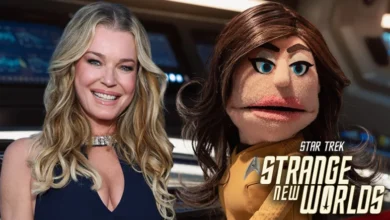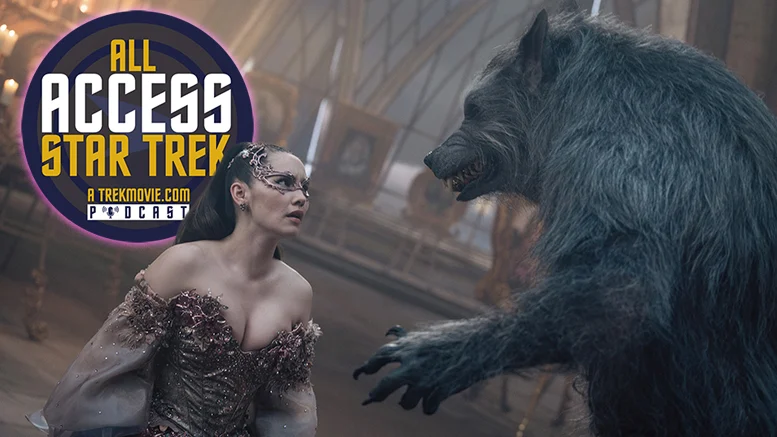
The latest installment of the All Access Star Trek podcast, episode 269, arrives as a critical analytical companion to the penultimate chapter of the fourth season of Star Trek: Strange New Worlds, titled "Once La’An a Time." Hosted by the TrekMovie.com team, the episode features a guest appearance by Bob Cesca, host of the Trek Politics podcast, to dissect the creative choices and narrative trajectory of this high-concept entry in the Star Trek canon. As the fourth season of the series reaches its conclusion, the discussion provides a deep dive into the show’s ongoing experimentation with genre, a hallmark of the Strange New Worlds production philosophy.
Narrative Context of Once La’An a Time
"Once La’An a Time" serves as the penultimate episode of the fourth season, a position traditionally reserved for major narrative shifts or tonal departures. The episode follows the established pattern of Strange New Worlds, which has frequently utilized standalone, high-concept stories to explore character development outside of the traditional confines of the series’ overarching plot. By adopting the aesthetic and structural tropes of a fairy tale, the episode forces the character of La’An Noonien-Singh into a surreal, allegorical environment. This creative pivot is indicative of the show’s broader commitment to "genre-hopping," a strategy that has garnered both critical acclaim and significant audience engagement throughout the show’s run.
The discussion during the podcast episode, which begins at the 9:45 mark, focuses on the effectiveness of this narrative framing. Cesca, alongside hosts Anthony and Laurie, evaluates how the infusion of fantasy elements into the science-fiction framework of the Enterprise mission functions as a character study for La’An, who is historically defined by her rigid, security-focused temperament.
The Evolution of the Star Trek Anthology Format
The inclusion of an episode like "Once La’An a Time" highlights the franchise’s continued evolution toward an episodic, anthology-style structure. Since its debut, Strange New Worlds has distinguished itself from other contemporary entries in the Star Trek franchise—such as the serialized nature of Discovery or the character-focused arcs of Picard—by leaning into the "mission-of-the-week" format.
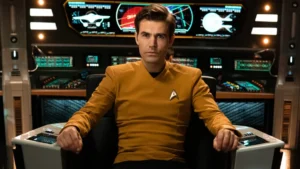
Data from the production’s reception indicates that this format has allowed the creative team, led by showrunners and producers like Akiva Goldsman, to maintain a high degree of tonal variety. However, this flexibility also prompts questions regarding long-term narrative cohesion. As noted in recent commentary surrounding the production, there remains ongoing speculation regarding potential spin-offs or prequels, such as the rumored "Star Trek: Year One." Despite fan enthusiasm, production leadership, including Goldsman, has signaled caution regarding the viability of further expanding the timeline, emphasizing the logistical and narrative challenges of maintaining consistency across a sprawling fictional universe.
Chronology of Recent Discourse
The podcast episode is part of a wider ecosystem of digital content that tracks the pulse of the Star Trek fan base and industry trends. The following timeline outlines the relevant discourse surrounding the release:
- September 16, 2026: Reports surface detailing Akiva Goldsman’s assessment of the feasibility of a "Star Trek: Year One" project, effectively tempering expectations for an immediate expansion into that era of the timeline.
- September 17, 2026: A formal recap and critical review of "Once La’An a Time" is published by TrekMovie.com, highlighting the episode’s "castle-storming" narrative beats and its success in blending fantasy with the Star Trek aesthetic.
- September 18, 2026: The All Access Star Trek podcast releases episode 269, featuring Bob Cesca, to provide a broader analysis of the episode’s themes and its place in the season four arc.
Analysis of Cross-Disciplinary Commentary
A significant portion of episode 269 is dedicated to "bits"—brief segments where the hosts and guest integrate external scientific and cultural developments into the context of the franchise. This approach reflects the unique position Star Trek occupies in popular culture as a bridge between speculative fiction and real-world scientific curiosity.
Notable segments in this episode include:
- Physics and Fiction: The hosts discuss an analysis from Ars Technica regarding the mathematical feasibility of the "Picard maneuver." Such inquiries are common in the Star Trek community, serving to ground the show’s technological jargon in theoretical physics.
- Astronomy and Legacy: Bob Cesca brings attention to the contributions of actor Tim Russ to the field of astronomy. Russ, known for his role as Tuvok, has provided significant assistance to the Planetary Society, illustrating how the show’s talent often maintains a tangible connection to the scientific themes explored on screen.
- Historical Documentation: Laurie highlights a recent feature from The Hollywood Reporter regarding Majel Barrett-Roddenberry, often referred to as the "First Lady of Star Trek." The piece underscores the historical importance of her performance and her foundational role in the franchise’s development, providing necessary context for long-term fans.
Broader Implications for the TrekMovie Podcast Network
The release of episode 269 also serves as a strategic update for the TrekMovie.com Podcast Network. The network has recently undergone a consolidation of its assets, integrating the All Access Star Trek podcast alongside the long-running Shuttle Pod. This structural shift is designed to streamline the listener experience, ensuring that updates, reviews, and deep-dive analyses are centralized.
For listeners, the consolidation represents a more cohesive approach to coverage. By providing both specialized, show-specific analysis—such as the breakdown of "Once La’An a Time"—and broader discussions regarding the industry, the network maintains its status as a primary hub for franchise news. The integration of these feeds into a single subscription model, accessible via Apple Podcasts, Spotify, and Pocket Casts, suggests a move toward increasing audience retention and simplifying content discovery in a saturated podcasting market.
Conclusion and Future Outlook
As Strange New Worlds season four approaches its conclusion, the dialogue provided by the All Access Star Trek podcast remains a vital resource for understanding the creative intent behind the series. By balancing lighthearted reviews of episode-specific tropes—such as the fairy tale motif of "Once La’An a Time"—with serious discussions about the future of the franchise and its real-world scientific parallels, the show continues to foster a community of engaged viewers.
The analytical focus on the penultimate episode suggests that the final installment of the season will likely need to address the thematic loose ends established by the show’s recent excursions into genre experimentation. As the network continues to evolve, the combination of professional journalism and fan-focused discussion ensures that the discourse surrounding the Star Trek Universe remains as dynamic as the series itself. Readers and listeners are encouraged to engage with these discussions, as they provide the necessary context to appreciate the craft involved in maintaining one of science fiction’s most enduring and complex narratives.