Is Digger secretly a musical and why the internet thinks Tom Cruise is hiding a Broadway-style performance in his latest blockbuster

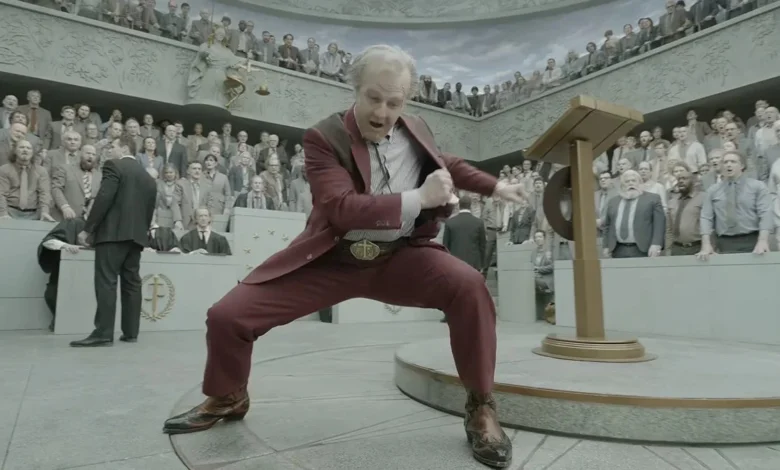
The upcoming release of the highly anticipated cinematic project Digger has ignited a peculiar and persistent internet theory suggesting the film may be an undercover musical. The speculation, which has gained significant traction on social media platforms, centers on a viral video analysis conducted by author Jason Pargin. Pargin, known for his analytical approach to pop culture, suggests that the marketing materials for the film—which features Tom Cruise in a notably eccentric role—display the rhythmic pacing, blocking, and choreographic sensibilities typical of a musical production, despite studio efforts to categorize the film as a straightforward drama or action thriller.
The Origins of the Conspiracy
The theory gained momentum on September 10, 2026, when Pargin shared a compilation of clips from the Digger promotional trailers on X (formerly Twitter). The footage, which highlights Tom Cruise’s character in various states of high-stakes, dramatic movement, was edited to emphasize a perceived cadence that aligns with musical beats. Within hours of the post, the sentiment spread, amassing over 42,000 expressions of interest from users who noted that the film’s visual language—specifically the sweeping camera pans, exaggerated gestures, and performative physical blocking—mimics the stylistic choices of a stage production transferred to the silver screen.
This is not the first time audiences have scrutinized marketing campaigns for hidden musical elements. In recent years, major studio releases such as Sweeney Todd, Wonka, and the 2024 Mean Girls adaptation famously downplayed their musical nature in early promotional trailers to avoid alienating audiences who might be averse to the genre. This historical context has provided the bedrock for the Digger theory, with cinephiles arguing that studios often fear that labeling a film as a "musical" during the pre-release phase can negatively impact box office demographics.
Chronology of the Digger Marketing Cycle
The marketing timeline for Digger has been characterized by a deliberate attempt to emphasize the film’s erratic, high-concept narrative rather than its specific genre conventions.
- August 2026: Initial teaser footage is released, focusing on the film’s premise: a high-stakes narrative involving a global disaster and a eccentric, reclusive oil tycoon portrayed by Tom Cruise.
- Early September 2026: The full-length trailer debuts, showcasing Cruise’s unrecognizable appearance and the film’s grand, operatic production design. It is at this stage that observant viewers begin noting the "theatrical" nature of the film’s editing.
- September 10, 2026: Jason Pargin publishes his analysis, triggering a widespread debate regarding the film’s true structural identity.
- September 12, 2026: Social media discourse reaches a peak, with thousands of users creating "re-edits" of the trailer, overlaying orchestral tracks to demonstrate how well the film’s visuals match a musical rhythm.
The Role of Performance and Physicality
Central to the theory is the performance of Tom Cruise, who has historically been praised for his commitment to physical acting. In Digger, his performance involves complex, stylized movements that have been described by some critics as "overwrought" or "expressive." Analysts suggest that these movements are not merely directorial choices for a drama, but rather intentional choreography designed to be paired with lyrical content.
Industry experts note that Cruise has long experimented with unconventional roles, and a move toward a musical—or a project with musical sensibilities—would align with his recent trajectory of taking on increasingly "bonkers" and unconventional narratives. The presence of a character focused on the global energy sector, paired with the film’s intense, high-budget set pieces, creates a unique tension. If the film does indeed incorporate musical numbers, it would represent a departure from the traditional action vehicles that have defined Cruise’s career, potentially marking a significant shift in his artistic portfolio.
Industry Context and Marketing Strategies
The trend of "stealth marketing" for musicals has become a point of contention within the film industry. By omitting musical sequences from trailers, studios aim to attract a broader audience, only revealing the genre upon the film’s theatrical release. For Digger, which is backed by significant production resources, the stakes of such a strategy are high.
Data from the past five years suggests that audience reception to "hidden musicals" is polarized. While some viewers feel deceived, others find the revelation to be a pleasant surprise that elevates the film’s artistic merit. If Digger is revealed to be a musical, it would likely see a surge in interest from the theater-going demographic, though it risks alienating those who entered the theater expecting a grounded, gritty drama about the oil industry.
The "What If" Factor and Public Reception
The longevity of the Digger theory speaks to a broader fascination with the "auteur" theory in modern cinema. Audiences are increasingly invested in the idea that a project’s marketing is not necessarily a reflection of the director’s true intent. In the case of Digger, the uncertainty has served as a powerful, albeit unintentional, promotional tool.
Public discourse remains divided. Skeptics argue that the "musical" elements identified by fans are simply the byproduct of a director known for maximalist, highly stylized visual storytelling. Proponents of the theory, however, point to the specific use of lighting and the framing of ensemble scenes as "too rhythmic to be accidental." Regardless of the final outcome, the discourse has undeniably increased the film’s profile ahead of its October 2 release date.
Implications for Future Releases
Should Digger prove to be a musical, it will likely serve as a case study for future marketing departments. It raises questions about the transparency of genre labeling in the streaming and theatrical era. If a major star like Tom Cruise can effectively lead a "secret musical," it may encourage other studios to experiment with similar strategies, utilizing the mystery of the genre as a primary driver for social media engagement.
Furthermore, the Digger phenomenon underscores the power of audience-led digital analysis. With tools for video editing and collaborative theory-building now widely available, the "marketing reveal" has shifted from the studio boardroom to the public forum. Studios now operate in an environment where their trailers are subjected to frame-by-frame scrutiny, making it increasingly difficult to hide narrative elements from a digitally literate audience.
As the October 2 release date approaches, the industry and the public alike wait for confirmation. Whether Digger is an unconventional drama or a hidden musical masterpiece, the conversation surrounding its production has already secured its place as one of the most intriguing pop-culture events of the year. For now, the audience is left to speculate, dissecting every frame of the promotional footage for a hint of a song or a dance, proving that even in the age of high-budget corporate cinema, there is still room for the magic of a good, old-fashioned conspiracy theory.
The film is slated to reach global theaters in early October, at which point the curtain will finally be pulled back on the true nature of Digger. Until then, the conjecture remains a testament to the audience’s hunger for innovation in an increasingly standardized film market. Whether the film fulfills the musical expectations or remains a straight-faced, eccentric drama, the impact of the viral discourse on the film’s opening weekend performance will be a key metric for analysts to observe.