Amazon Games Delays Tomb Raider Catalyst to 2028 as Crystal Dynamics Navigates Development Hurdles and Studio Restructuring

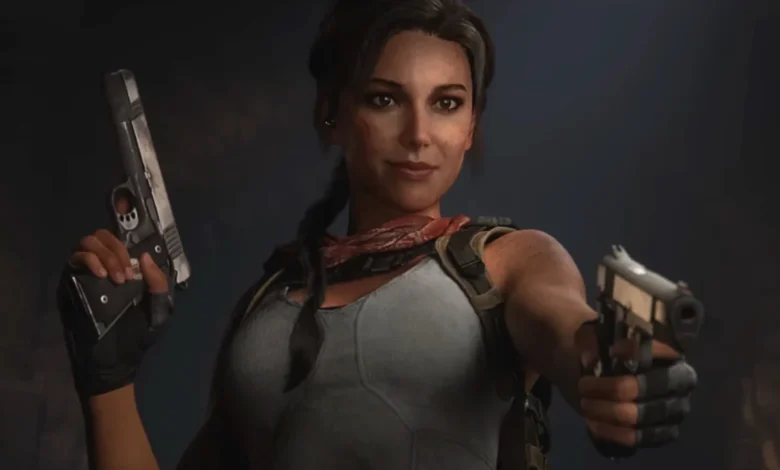
Amazon Games has officially adjusted the release schedule for its highly anticipated revival of the Tomb Raider franchise, pushing the next mainline entry, Tomb Raider: Catalyst, into 2028. This update follows a series of internal and external challenges, including production delays for the accompanying live-action television series and a significant postponement of the first planned title in the new partnership, Tomb Raider: Legacy of Atlantis. The news marks a significant shift in Amazon’s gaming strategy as it attempts to solidify its position as a major publisher in the triple-A gaming landscape.
The confirmation of the delay came directly from Jeffrey Gattis, the head of gaming at Amazon, during a recent interview with Chris Dring of The Game Business. While discussing the company’s broader portfolio and the integration of its Luna streaming platform, Gattis clarified the roadmap for the Lara Croft IP. According to Gattis, Tomb Raider: Legacy of Atlantis—a ground-up remake of the 1996 original—is now slated for release on February 12, 2027. The next brand-new adventure in the series, Tomb Raider: Catalyst, will follow a year later in 2028.
A Staggered Roadmap for a Global Icon
The partnership between Amazon Games and Crystal Dynamics was first announced in December 2022, signaling a new era for Lara Croft after the franchise was acquired by the Embracer Group. The collaboration was intended to be the ultimate expression of the "Survivor" era’s success, blending Crystal Dynamics’ developmental expertise with Amazon’s massive distribution and cross-media reach. However, the timeline for this ambitious "unified" Tomb Raider universe has proven difficult to maintain.
Tomb Raider: Legacy of Atlantis was originally envisioned as a 2024 or 2025 release to celebrate the franchise’s enduring legacy. By June 2024, however, the project was officially delayed to 2027. Early previews of the remake have met with a mixed reception; critics, including Eurogamer’s editor-in-chief Chris Tapsell, have noted that the project currently lacks the "triple-A" polish expected of a high-budget Amazon production, describing the current build as feeling "strangely double-A." The additional development time is reportedly being used to overhaul visual assets and refine the gameplay mechanics to meet modern standards.
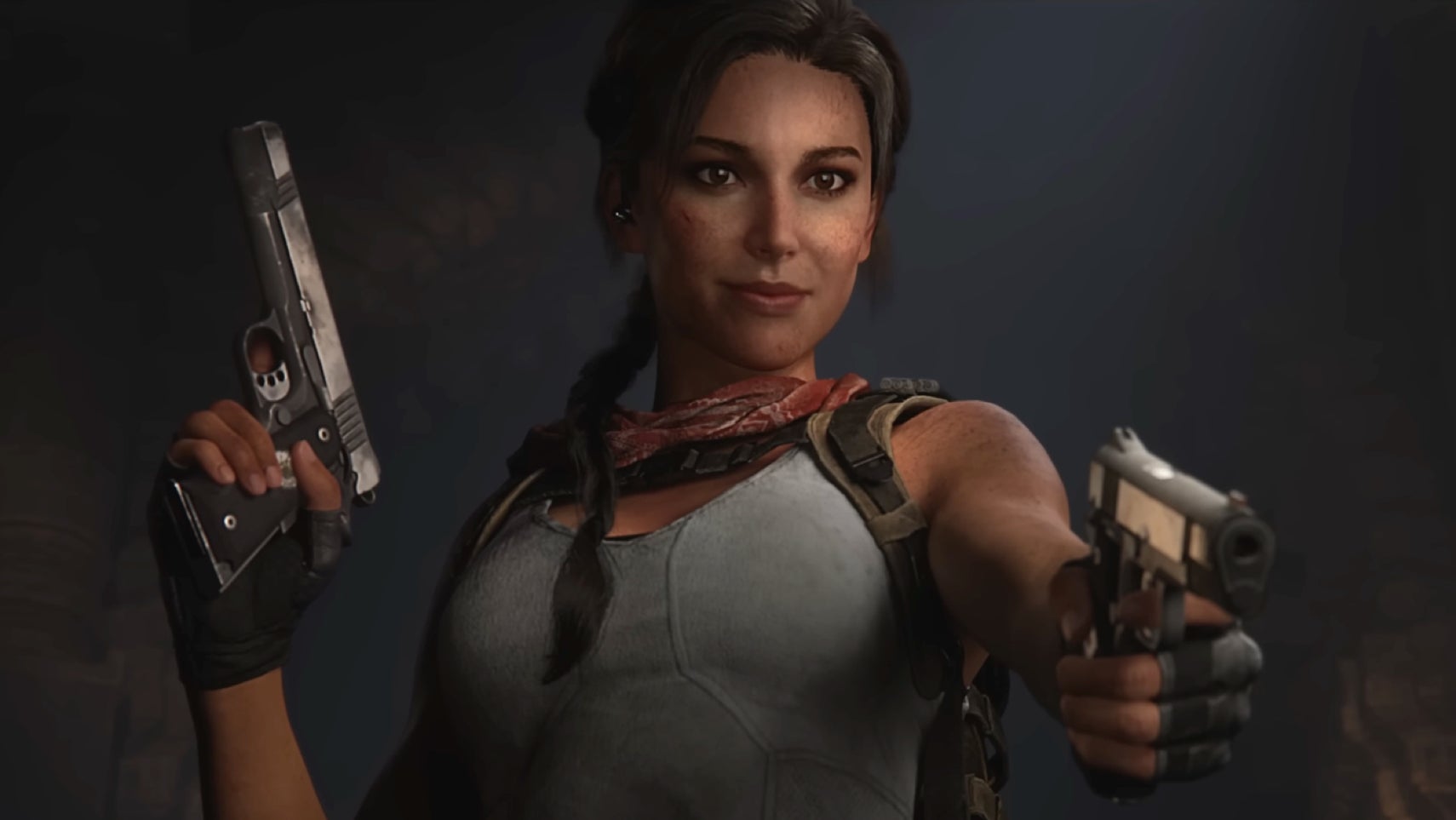
Tomb Raider: Catalyst, the second pillar of the partnership, represents the first completely new entry in the series since 2018’s Shadow of the Tomb Raider. Set in India, Catalyst is expected to move away from the "origin story" tropes of the recent trilogy, presenting a more seasoned, archaeological-focused Lara Croft. Previously expected for a 2027 launch, the shift to 2028 suggests that Amazon is prioritizing the quality of the remake to ensure a strong foundation for the brand’s return.
The Financial and Operational Strain at Crystal Dynamics
The delays come at a turbulent time for the developer, Crystal Dynamics. Over the past 12 months, the studio has been subjected to four separate rounds of layoffs. The most recent cut occurred in June 2024, affecting approximately 20 staff members across various departments. These reductions are part of a broader restructuring effort within the Embracer Group, which has spent the last year divesting assets and closing studios following the collapse of a reported $2 billion investment deal.
Despite these internal pressures, Crystal Dynamics leadership has maintained that development on both Tomb Raider titles continues. However, the loss of veteran talent and the resulting impact on studio morale are frequently cited by industry analysts as contributing factors to project slippage. The studio is also providing development support for The Initiative on the upcoming Perfect Dark reboot, further stretching its internal resources.
The Role of Artificial Intelligence in Development
Further complicating the public perception of the new Tomb Raider projects is the confirmed use of generative artificial intelligence in the development of Legacy of Atlantis. In June 2024, it was revealed that the game would feature an AI disclaimer, sparking a debate within the gaming community regarding the ethics and quality of AI-generated content in major franchises.
Jeff Adams, the director of experience at Crystal Dynamics, defended the move, stating that AI tools allowed the team to "get to the right answers faster" during the prototyping and asset-creation phases. When pressed for specific details on how AI was being utilized—whether for voice synthesis, environmental textures, or coding—Amazon PR representatives intervened, cutting short further questioning. This lack of transparency has led to concerns among fans and industry observers that the use of AI may be a cost-cutting measure necessitated by the studio’s recent layoffs.

Cross-Media Complications: The Amazon Prime Series
Amazon’s strategy for Tomb Raider is not limited to interactive entertainment. The company is concurrently developing a high-budget live-action series for Amazon Prime Video, with Phoebe Waller-Bridge serving as writer and executive producer. The series is intended to launch in tandem with the games to create a "transmedia" surge for the IP.
However, the television production has faced its own set of setbacks. Earlier this year, filming was suspended after lead actress Sophie Turner, who was cast as Lara Croft, suffered a significant back injury on set. While Amazon has confirmed that shooting at the Croft Manor sets has since resumed, the hiatus has likely forced a realignment of the marketing synergy between the show and the games. Industry insiders suggest that the 2027 and 2028 game releases are now being timed to better coincide with the television show’s revised post-production schedule.
The Competitive Landscape and Industry Trends
The delay of Tomb Raider: Catalyst to 2028 places it in a highly competitive window. By the late 2020s, the gaming industry expects the arrival of next-generation hardware from Sony and Microsoft. Developing for a transitional period between console generations often adds layers of technical complexity, as studios must decide whether to support aging hardware or focus exclusively on new technology.
Furthermore, the "archaeological adventure" genre is seeing renewed interest. With Bethesda’s Indiana Jones and the Great Circle and rumors of a new Uncharted title or spinoff in development at PlayStation Studios, Lara Croft no longer holds a monopoly on the genre she helped define. Amazon’s decision to delay may be a strategic move to avoid a crowded release window and ensure that Lara’s return is a "prestige" event rather than a rushed product.
Summary of the Tomb Raider Revisionist Timeline
To understand the current state of the franchise, one must look at the shifting milestones over the last three years:

- December 2022: Amazon Games and Crystal Dynamics announce a publishing agreement for the next Tomb Raider.
- Late 2023: Internal targets suggest a 2025 release for the first project.
- June 2024: Tomb Raider: Legacy of Atlantis (Remake) is delayed to early 2027. AI development controversy emerges.
- Late 2024: Sophie Turner injury pauses TV show production.
- Current Status (November 2024): Jeffrey Gattis confirms Legacy of Atlantis is set for February 12, 2027, and Tomb Raider: Catalyst is set for 2028.
Analysis of Implications
For Amazon Games, the success of Tomb Raider is pivotal. After the mixed results of its internal projects like New World and the cancellation of several high-profile titles, the company needs a proven hit to justify its massive investment in the gaming sector. By securing the rights to one of the most recognizable characters in pop culture, Amazon has the potential to rival the first-party output of Nintendo or Sony, but only if the execution matches the ambition.
For Crystal Dynamics, the 2028 target for Catalyst provides a much-needed buffer. The studio has spent years in the shadow of the Survivor Trilogy’s conclusion, and the pressure to innovate while maintaining the series’ identity is immense. The transition to Unreal Engine 5 for these new titles also involves a steep learning curve that likely contributed to the extended development cycle.
Ultimately, while the four-year wait for a new Tomb Raider game may frustrate long-time fans, the decision reflects a broader industry trend toward longer development cycles for high-fidelity titles. In an era where a single high-profile failure can lead to studio closure, Amazon and Crystal Dynamics appear to be choosing caution over speed, betting that a polished 2028 release will be more beneficial for the brand’s long-term health than a compromised 2026 launch.
As the industry moves forward, all eyes will be on February 2027. The reception of Legacy of Atlantis will serve as the ultimate litmus test for whether Amazon’s stewardship of Lara Croft can recapture the magic of the 1990s while navigating the complexities of modern game development. For now, the message from Amazon is clear: the road to the next tomb is longer than expected, but the journey is still very much underway.