Elizabeth Olsen Addresses Her Potential Involvement in Avengers: Doomsday Amidst Intense Fan Speculation

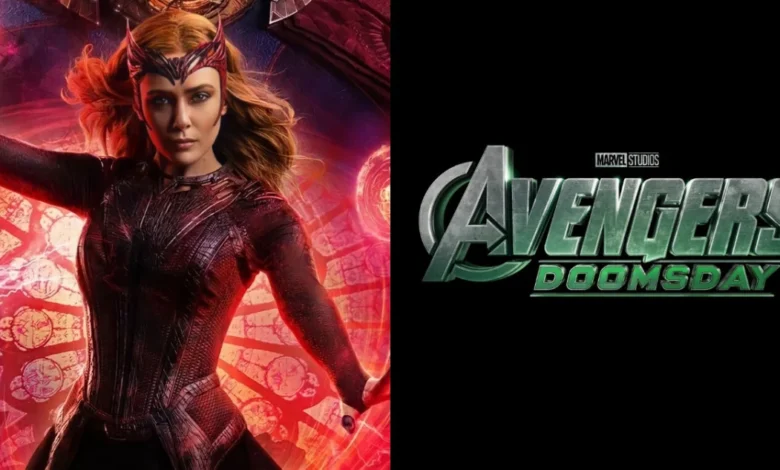
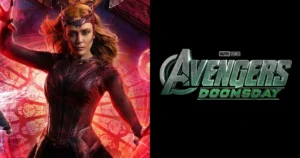
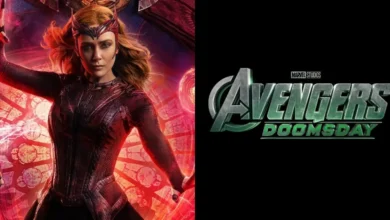
Elizabeth Olsen, renowned for her portrayal of Wanda Maximoff, the Scarlet Witch, in the Marvel Cinematic Universe (MCU), recently offered a seemingly candid, yet strategically vague, response regarding her potential appearance in the highly anticipated film Avengers: Doomsday. Speaking at the Chicago Comics and Entertainment Expo, Olsen claimed to have "no knowledge" of the upcoming cinematic event, a statement that has ignited further debate among fans and industry observers given Marvel Studios’ well-known penchant for extreme secrecy. This declaration comes amidst persistent rumors and the character’s undeniably central role in the MCU’s recent narrative landscape, making her potential return a pivotal element in the unfolding Multiverse Saga.
The Scarlet Witch has arguably emerged as one of the most impactful figures in the MCU over the past several years. From her introduction as a conflicted experimental subject in Avengers: Age of Ultron to her tragic transformation into a powerful, grief-stricken antagonist in Doctor Strange in the Multiverse of Madness, Wanda Maximoff’s journey has been marked by unparalleled emotional depth and cataclysmic displays of power. Her storyline has not only driven multiple projects but continues to exert significant narrative influence even after her apparent demise at the conclusion of Multiverse of Madness. This enduring impact fuels fervent speculation that her character is an indispensable asset for Avengers: Doomsday, despite the lack of official confirmation from Marvel Studios.
The Arc of the Scarlet Witch: A Central Figure in the MCU
Wanda Maximoff’s trajectory within the MCU is a compelling saga of power, trauma, and identity. Introduced alongside her brother Pietro in 2015’s Avengers: Age of Ultron, she quickly demonstrated nascent telekinetic and telepathic abilities, products of Hydra experimentation with the Mind Stone. Her early years with the Avengers saw her grapple with her burgeoning powers and the grief of losing Pietro. By Captain America: Civil War (2016), her abilities had expanded significantly, though her struggle for control and acceptance remained.
Her relationship with Vision, an artificial being powered by the Mind Stone, became a cornerstone of her character development, deepening her emotional complexity. Their bond was tragically severed in Avengers: Infinity War (2018), where she was forced to destroy Vision to prevent Thanos from acquiring the Mind Stone, only for Thanos to reverse time and kill him again. This profound loss laid the groundwork for the emotional unraveling that would define her future.
Following the Blip and the events of Avengers: Endgame (2019), Wanda’s grief reached a critical point, manifesting in the reality-bending events of the Disney+ series WandaVision (2021). In Westview, New Jersey, she inadvertently created a fabricated reality, resurrecting Vision and conjuring twin sons, Billy and Tommy. This series was a pivotal moment, exploring her immense magical potential and her unwitting transformation into the Scarlet Witch, a being of chaos magic, prophesied to wield power beyond that of the Sorcerer Supreme. The Darkhold, a grimoire of dark magic, further corrupted her, setting her on a destructive path.
This path culminated in Doctor Strange in the Multiverse of Madness (2022), where the Scarlet Witch, driven by the desire to reunite with her children from another reality, became the primary antagonist. Her rampage across the multiverse, brutally dispatching various heroes, underscored the terrifying extent of her powers when unchained by grief and corrupted by dark magic. The film concluded with her seemingly sacrificing herself to destroy all copies of the Darkhold, burying herself under the rubble of Mount Wundagore. However, the ambiguity of her "death" – the absence of a confirmed body and the open-ended nature of her sacrifice – has led many fans to believe her return is not a matter of if, but when.
The Road to Avengers: Doomsday and the Multiverse Saga’s Stakes
Avengers: Doomsday is slated for release in December 2026, serving as the penultimate film in the Multiverse Saga, which encompasses Phases 4, 5, and 6 of the MCU. This saga, following the epic conclusion of the Infinity Saga with Avengers: Endgame, has introduced the concept of parallel universes, alternate timelines, and the profound consequences of their collision. The Multiverse Saga has been building towards a cataclysmic event, heavily hinted to be Secret Wars, a storyline derived from iconic Marvel Comics arcs that involve the destruction and reconstruction of the multiverse.
The title Avengers: Doomsday itself suggests a narrative centered around a monumental threat, potentially foreshadowing the arrival of Doctor Doom, one of Marvel’s most formidable and intellectually brilliant villains. Given the character’s long-standing connection to the Fantastic Four and his comic book history of manipulating powerful magical users, including the Scarlet Witch, his potential involvement adds another layer of intrigue to Wanda’s possible return. While the film’s plot details remain under wraps, the "Doomsday" moniker evokes a sense of impending global or multiversal catastrophe, requiring heroes of unparalleled power.
The previous Avengers films – The Avengers, Avengers: Age of Ultron, Avengers: Infinity War, and Avengers: Endgame – have consistently been box office behemoths and critical successes, establishing a benchmark for interconnected cinematic storytelling. Each film escalated the stakes, culminating in a universe-altering conflict. Avengers: Doomsday is expected to continue this tradition, setting the stage for the ultimate multiversal showdown in Avengers: Secret Wars. The narrative challenge for Marvel Studios lies in topping the emotional and action-packed crescendo of Endgame while forging a new path with fresh threats and revitalized heroes.
Elizabeth Olsen’s Statements and Marvel’s Culture of Secrecy
At the Chicago Comics and Entertainment Expo, Olsen’s response to inquiries about Avengers: Doomsday was deliberately evasive: "I know nothing. I know about VisionQuest, because I’ve seen Paul [Bettany] in the last six months. I know nothing about any of it. Is [Secret Wars] what happens after? I’m not kidding. Why did I think there were two Secret Wars? Are there not?"

This statement is classic Marvel Studios operating procedure. The studio is infamous for its stringent secrecy protocols, often providing actors with partial scripts, redacted information, or even deliberately false plotlines to prevent leaks. Actors are frequently coached to deny involvement or feign ignorance about future projects, even when their participation is a poorly kept secret. Notable examples include Andrew Garfield and Tobey Maguire’s repeated denials of their roles in Spider-Man: No Way Home right up until the film’s release.
Olsen’s specific mention of VisionQuest, the upcoming Disney+ series focusing on Paul Bettany’s Vision, offers a tantalizing, albeit indirect, connection. VisionQuest is expected to explore the White Vision’s journey of self-discovery after regaining his memories but lacking his emotional core, a consequence of Wanda’s actions in WandaVision. While Wanda herself may not appear, the series is inextricably linked to her character’s narrative and could lay the groundwork for her eventual return or provide context for her past actions. Her apparent confusion regarding the number of Secret Wars films could be a genuine oversight, a clever deflection, or a subtle hint at the complex multiversal structure Marvel is building.
Fan Theories and the "Mutant Saga" Connection
The potential return of the Scarlet Witch is a cornerstone of countless fan theories, many of which hinge on her comic book history. In the comics, Wanda Maximoff is famously a mutant, the daughter of Magneto, though her MCU origin initially presented her powers as a result of Hydra experimentation. However, a retcon in the comics eventually revealed her powers to be innate, only amplified by the Mind Stone. The original article’s mention of the "Mutant Saga just around the corner" is highly significant. With the X-Men and other mutant characters poised to be fully integrated into the MCU, Wanda’s identity as a mutant could be a crucial narrative bridge.
The iconic "House of M" comic storyline saw Wanda, in a fit of grief and madness, use her reality-warping powers to create an alternate reality where mutants were the dominant species, eventually uttering the phrase "No more mutants," which depowered millions of mutants. While the MCU is unlikely to adapt this storyline directly, the thematic resonance of Wanda’s powers affecting mutantkind could be explored. Her potential "rebirth into a new era" could involve her embracing her mutant heritage, perhaps even serving as a catalyst for the introduction of other mutants or having a pivotal role in the mutant-human conflict that often defines X-Men narratives.
Furthermore, the introduction of the Multiverse opens up possibilities for alternate versions of Wanda. Even if the primary MCU Wanda remains "dead," a variant could easily be introduced, perhaps one less corrupted or with a different destiny. This narrative flexibility allows Marvel to bring back beloved characters without undermining previous plot points.
The Broader Implications for the MCU’s Future
The inclusion, or exclusion, of the Scarlet Witch in Avengers: Doomsday carries profound implications for the trajectory of the Multiverse Saga. If she returns, her immense power could be crucial in battling the titular "Doomsday" threat, potentially Doctor Doom or another multiversal entity. Her unique abilities to manipulate reality and chaos magic make her one of the few beings capable of truly altering the fabric of existence, a necessary asset in a multiversal war. Her return could also provide an opportunity for redemption, allowing her to atone for the destruction she caused in Multiverse of Madness.
Conversely, if she does not return, it would signify a conscious decision by Marvel to move past her character, allowing other heroes to step into the spotlight and grapple with the multiversal threats. This would be a bold move, given her popularity and power level. However, Marvel has shown a willingness to evolve its roster, and new characters are constantly being introduced.
Avengers: Doomsday is not just another superhero film; it’s a critical juncture that will define the narrative momentum leading into Secret Wars. It needs to establish the stakes, introduce formidable threats, and rally a new generation of Avengers, possibly alongside returning veterans. The film will likely set the stage for the grand conclusion, revealing the full scope of the multiversal collapse and the architects behind it. The casting choices and character inclusions, particularly for figures as powerful and influential as the Scarlet Witch, will speak volumes about the direction Marvel intends to take.
Conclusion: A Waiting Game for the Multiverse’s Fate
As Avengers: Doomsday inches closer to its December 2026 release, the air of mystery surrounding Elizabeth Olsen’s involvement only intensifies. Her seemingly innocent confusion and denials are par for the course in the meticulously guarded world of Marvel Studios, a tactic designed to maintain suspense and prevent spoilers from diminishing the cinematic experience. The Scarlet Witch’s journey through the MCU has been one of the franchise’s most compelling and tragic arcs, leaving an indelible mark on the narrative.
Whether she emerges from the rubble of Mount Wundagore, returns as a variant, or remains a powerful memory, her influence on the Multiverse Saga is undeniable. Her potential connection to the burgeoning "Mutant Saga" further solidifies her importance as a character capable of bridging disparate corners of the Marvel universe. Until official announcements or clearer indications emerge, fans will continue to dissect every interview, scrutinize every rumor, and theorize about the fate of Wanda Maximoff, the Scarlet Witch, in what promises to be one of the most significant cinematic events of the decade. The stage is set for a multiversal conflict, and the question of who will stand to face it, and who will rise from the ashes, remains a captivating enigma.
Related posts: