Adam Driver’s Recurring Refusal of MCU Roles Confirmed by Kevin Feige Amidst X-Men Reboot Speculation

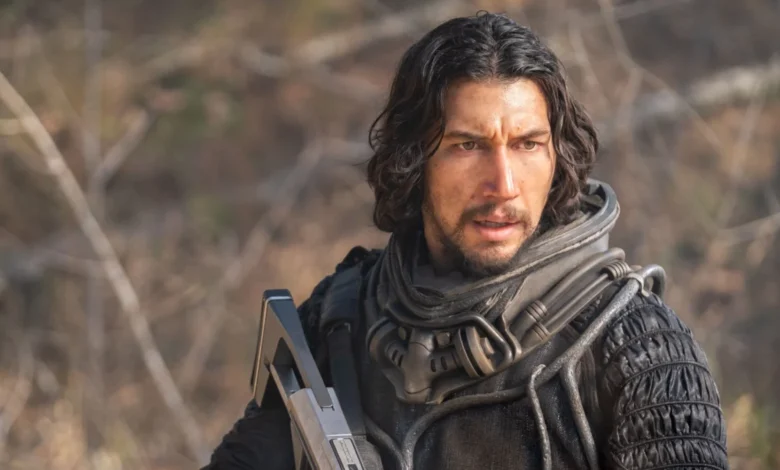
The ongoing and fervent speculation surrounding the casting of Marvel Studios’ eagerly anticipated X-Men reboot has been a dominant topic within the Marvel Cinematic Universe (MCU) fandom for several weeks. While the recent release of the Avengers: Doomsday trailer offered a momentary, epic distraction, the discourse quickly returned to the future of mutantkind on the big screen. A significant part of this conversation has centered on the potential involvement of acclaimed actor Adam Driver, who was widely rumored to be in talks for a pivotal role, specifically that of the iconic antagonist Magneto. However, in a recent development that has sent ripples through the industry and fan communities alike, Marvel Studios President Kevin Feige has directly addressed these rumors, confirming that while discussions have indeed taken place, Driver has consistently declined offers to join the sprawling cinematic universe.
This revelation comes at a time of heightened anticipation for the MCU’s next phase, with Spider-Man: Brand New Day just over a week away, a film some fans believe will introduce Sadie Sink as Jean Grey, further fueling the X-Men casting frenzy. The integration of the X-Men, a beloved property acquired by Disney through its merger with 20th Century Fox, represents one of the most significant undertakings for the MCU since its inception. The pressure to cast these iconic roles is immense, with fans holding deep-seated expectations for characters that have been brought to life in various iterations over decades.
The Enduring Quest for Marvel’s Mutants: A Brief History
The journey to bring the X-Men into the MCU has been a long and winding one, marked by corporate mergers and strategic planning. For decades, the film rights to the X-Men, Fantastic Four, and other Marvel characters were held by 20th Century Fox. Under Fox, the X-Men franchise enjoyed significant commercial success and critical acclaim, particularly with films like X2: X-Men United (2003), X-Men: First Class (2011), and Logan (2017). These films established a distinct cinematic identity for the mutants, featuring a roster of actors who became synonymous with their roles, such as Hugh Jackman as Wolverine, Patrick Stewart and Ian McKellen as Professor X and Magneto, respectively, and later James McAvoy and Michael Fassbender in the prequel series.
The landscape shifted dramatically in March 2019 when The Walt Disney Company completed its acquisition of 21st Century Fox’s entertainment assets. This historic merger brought the X-Men and Fantastic Four film rights back under the Marvel Studios umbrella, sparking immediate and intense excitement among fans who had long dreamed of seeing these characters interact with the Avengers and the broader MCU. However, Marvel Studios, known for its meticulous long-term planning, has taken a measured approach to integrating these new properties. While brief teases and subtle nods have appeared, a full-fledged X-Men project with a new cast and narrative direction has remained largely in development, with official details scarce. This strategic silence has only amplified fan speculation, turning every casting rumor into a major news event.
Magneto: The Iconic Antagonist and the Burden of Legacy Casting
The character of Erik Lehnsherr, better known as Magneto, stands as one of the most complex and compelling figures in comic book history. A Holocaust survivor driven by a profound conviction that mutants are superior and must fight for their survival against human oppressors, Magneto embodies a tragic idealism that often places him at odds with his former friend, Charles Xavier (Professor X). His powers of magnetism are formidable, but it is his unwavering philosophy and moral ambiguity that truly define him.
Magneto’s cinematic portrayals have been particularly memorable. Sir Ian McKellen’s dignified yet menacing performance in the original X-Men trilogy and subsequent films set a high bar, bringing gravitas and a Shakespearean quality to the role. Michael Fassbender later delivered a powerful, more volatile interpretation in the prequel series, exploring Magneto’s origins and the raw pain that forged his militant ideology. Both actors left an indelible mark, making the task of recasting the character for the MCU a monumental challenge.
The rumors linking Adam Driver to the role of Magneto resonated strongly with many fans and industry observers. Driver possesses a unique blend of intense screen presence, dramatic versatility, and the ability to convey both vulnerability and menace. His commanding stature and piercing gaze align well with the character’s gravitas, while his track record in diverse roles suggests he could bring a fresh, nuanced perspective to Magneto’s complex psyche. The idea of Driver, known for his work in both blockbuster franchises and critically acclaimed independent films, taking on such a foundational villain was a tantalizing prospect, promising a portrayal that could honor the character’s legacy while forging a new path.
Adam Driver’s Trajectory: From Indie Darling to Franchise Star and Back
Adam Driver’s career trajectory is a testament to his talent and discerning choices, making his reported disinterest in a long-term MCU commitment particularly noteworthy. Driver first gained significant attention for his role as Adam Sackler in the HBO series Girls (2012-2017), showcasing his ability to blend comedic timing with raw, emotional depth. This platform launched him into a series of critically acclaimed independent films, where he quickly established himself as a versatile and formidable dramatic actor.
His filmography boasts collaborations with renowned directors across various genres. He delivered memorable performances in films such as Jim Jarmusch’s Paterson (2016), Spike Lee’s BlacKkKlansman (2018), and Noah Baumbach’s Marriage Story (2019), for which he received an Academy Award nomination for Best Actor. In Marriage Story, Driver’s portrayal of a divorcing father grappling with the complexities of love, loss, and legal battles earned widespread praise for its raw honesty and emotional intensity, solidifying his reputation as a leading dramatic talent.
However, Driver is perhaps most widely recognized for his role as Kylo Ren/Ben Solo in the Star Wars sequel trilogy (Star Wars: The Force Awakens, 2015; Star Wars: The Last Jedi, 2017; Star Wars: The Rise of Skywalker, 2019). His performance as the conflicted dark side user, torn between the light and the dark, garnered significant praise, with many critics highlighting his ability to infuse a complex villain with unexpected humanity and vulnerability. Despite the divisive nature of the sequel trilogy among fans, Driver’s individual performance was consistently singled out as a highlight. The experience of being part of a massive, globally scrutinized franchise like Star Wars likely provided Driver with unique insights into the demands and constraints of such projects, potentially influencing his subsequent career decisions.
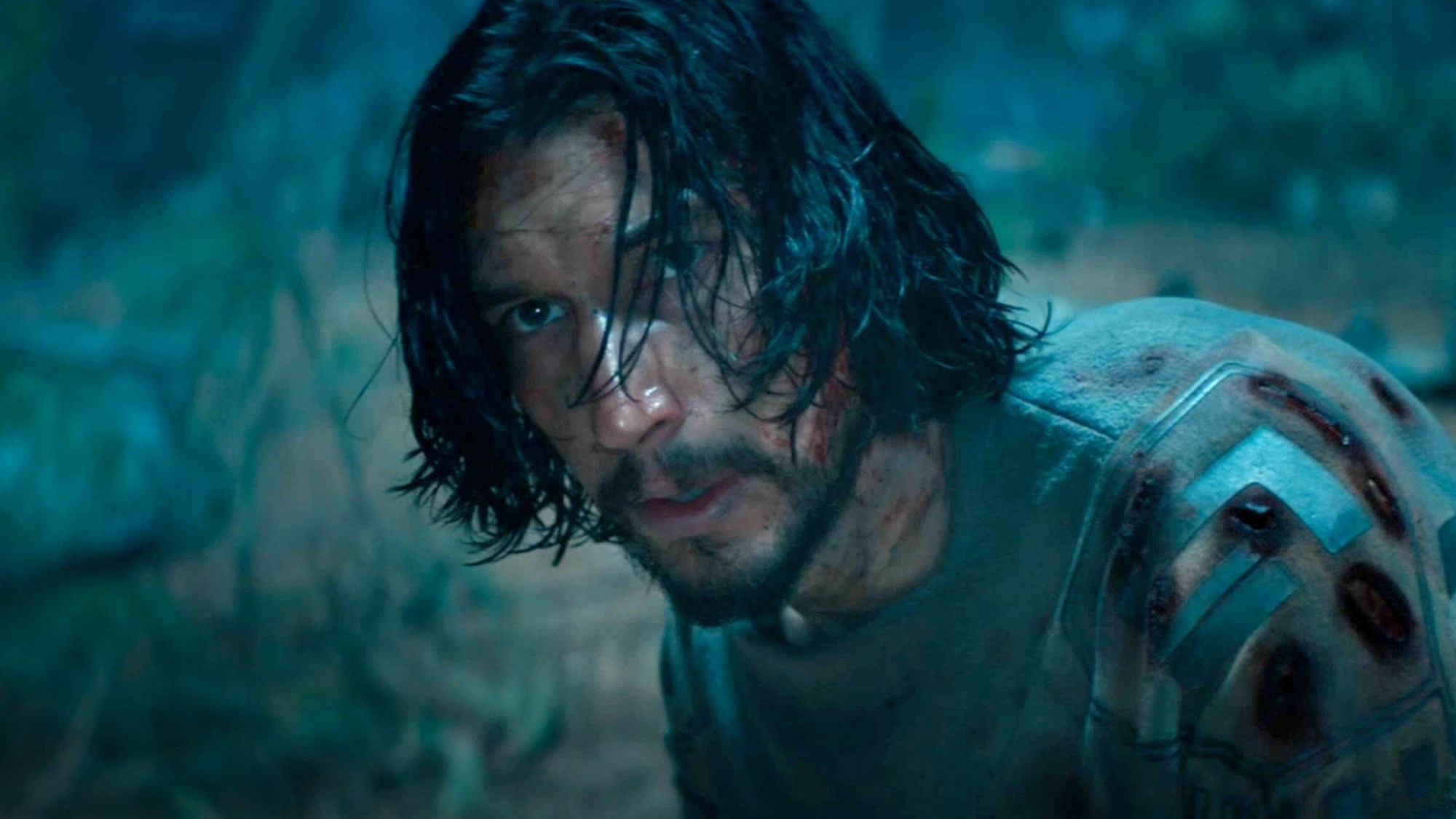
Post-Star Wars, Driver has continued to balance high-profile projects like Ridley Scott’s House of Gucci (2021) and The Last Duel (2021) with more niche, character-driven roles. His consistent pursuit of challenging and diverse roles, often with auteurs, suggests an actor deeply invested in artistic merit and creative freedom over perpetual blockbuster commitments. This pattern provides significant context for his reported reluctance to join another expansive, multi-film franchise like the MCU, which typically requires a substantial long-term commitment.
Kevin Feige’s Candid Confirmation: A "Long-Lived Tradition" of Polite Declines
The recent comments from Kevin Feige, head architect of the MCU, provide an unprecedented level of clarity regarding Adam Driver’s potential involvement. Speaking to Deadline, Feige stated, "It’s no secret we’d like to [work with Driver]. But it’s a tradition to Zoom with him, and then he passes. That’s a long-lived tradition." This direct and surprisingly candid statement from Feige is highly unusual for Marvel Studios, which typically maintains a veil of secrecy around casting discussions until official announcements are ready. His willingness to confirm these repeated interactions underscores Marvel’s genuine and sustained interest in Driver, while simultaneously acknowledging the actor’s consistent decision to decline.
Feige further elaborated on the nature of these interactions, noting that Driver "couldn’t be more cordial" during these conversations. This detail is significant, indicating that the rejections are not born of any animosity or lack of respect, but rather a professional decision on Driver’s part. It suggests a pattern of polite but firm refusal, where the actor engages in discussions, presumably understands the scope of the roles offered, and ultimately determines that they are not the right fit for his career aspirations at that particular moment.
The phrase "long-lived tradition" implies that these discussions have occurred multiple times over a period, potentially for various roles within the MCU, not just Magneto. This isn’t the first instance of a prominent actor being approached by Marvel for multiple parts before either accepting or repeatedly declining. For instance, Joaquin Phoenix was famously in contention for Doctor Strange before Benedict Cumberbatch was cast, and Emily Blunt has been a fan-favorite for several roles, including Black Widow and Captain Marvel, but has yet to join the universe. Driver’s situation, however, seems to stand out due to the frequency and consistency of his polite refusals, prompting Feige’s rare public acknowledgment.
Implications for MCU Casting Strategy and Actor Agency
Kevin Feige’s confirmation of Adam Driver’s repeated rejections carries several implications for both Marvel Studios’ casting strategy and the broader landscape of actor agency in Hollywood’s franchise era.
For Marvel, it highlights the challenges of securing top-tier talent for long-term commitments. While the MCU is arguably the most successful film franchise in history, offering unparalleled global exposure and financial security, not every actor prioritizes these aspects above all else. Driver’s consistent "no" despite Marvel’s sustained interest suggests a clear artistic and career vision that may be at odds with the demands of a multi-picture deal within a massive cinematic universe. Marvel may need to continue refining its approach, perhaps offering more flexible contracts or roles that allow for greater creative input, to attract actors who value independence.
From Adam Driver’s perspective, his choices underscore a powerful assertion of artistic control. Having experienced the full scope of a major franchise with Star Wars, Driver appears to be consciously steering his career towards projects that offer specific creative challenges, opportunities for character exploration outside established intellectual property, or collaborations with specific filmmakers. Avoiding typecasting and maintaining a diverse portfolio are common motivations for actors, and for someone with Driver’s critical acclaim, the allure of a sprawling superhero narrative might simply not outweigh the potential for other, more personally fulfilling roles. His ability to repeatedly decline offers from the industry’s biggest player without alienating them speaks to his professional standing and the mutual respect between him and Marvel leadership.
The revelation also adds another layer to the ongoing public discourse about the "Marvel machine." While many actors thrive within its structure, others, like Driver, may find the commitment too restrictive or simply not align with their artistic goals. This dynamic highlights the evolving relationship between actors, studios, and the demands of modern blockbuster filmmaking.
The Search for Magneto Continues: Fan Reactions and Future Outlook
The news of Adam Driver’s repeated refusal is likely to elicit mixed reactions from the fan base. Many who championed him for Magneto will undoubtedly be disappointed, having envisioned his unique intensity bringing a fresh dimension to the character. For them, Driver represented an ideal blend of dramatic prowess and mainstream appeal, capable of elevating the MCU’s X-Men introduction. His absence will leave a void that Marvel will now need to fill with another actor capable of carrying the immense weight of the role.
Conversely, some fans may welcome the news, believing that Magneto requires an actor who is fully committed to a long-term franchise, or perhaps preferring a less globally recognized name to allow the character to shine without the baggage of a previous iconic role. Others might simply respect Driver’s artistic choices and his dedication to diverse storytelling, even if it means missing out on seeing him in the MCU.
As the X-Men reboot inches closer to official announcements, the search for Magneto and other key mutants will intensify. Marvel Studios faces the delicate task of honoring the characters’ rich history while introducing them to a new generation of viewers within the established MCU framework. The casting choices will be paramount in defining this new era for the X-Men. While Adam Driver may not be among them, his repeated interactions with Marvel Studios and Kevin Feige’s candid comments offer a rare glimpse into the complex negotiations and artistic decisions that shape the biggest cinematic universe in the world. The ball, for now, remains firmly in the court of other talented actors who may yet step up to embody the Master of Magnetism.