Battlefield 6 Season 4 Launches with Tsuru Reef the Largest Map in Franchise History Featuring Naval Combat and Tactical Overhauls

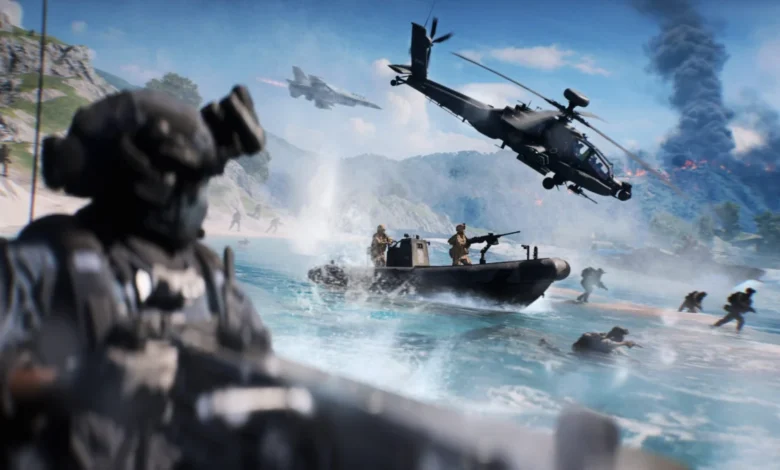
The launch of Season 4 for Battlefield 6 marks a pivotal moment for the franchise as Battlefield Studios and Electronic Arts introduce Tsuru Reef, a massive environment designed to redefine large-scale combat. Arriving as the centerpiece of the latest seasonal update, Tsuru Reef is officially the largest map ever created for the series, signaling a strategic shift toward the "all-out warfare" identity that originally defined the Battlefield brand. This expansion arrives at a critical time for the title, which has undergone significant transformations since its debut to address player feedback regarding map density, vehicle balance, and infantry engagement.
The Evolution of Battlefield 6 Environments
When Battlefield 6 first arrived on the market, the multiplayer experience was met with a divided reception. While the technical fidelity and core mechanics were praised, the initial map roster was frequently criticized for being overly focused on specific combat archetypes. Early maps often leaned toward close-quarters encounters or medium-range skirmishes that restricted the influence of heavy vehicles. Many players felt the maps lacked the sprawling, sandbox-style freedom seen in legacy titles like Battlefield 3 and Battlefield 4.
In response, the development team at Battlefield Studios began a systematic overhaul of the game’s geographical philosophy. Season 3 saw the introduction of a reimagined version of Golmud Railway, a fan-favorite map from Battlefield 4. The success of Golmud demonstrated a clear appetite among the community for vast, open-field maps where vehicular strategy is as important as marksmanship. Tsuru Reef is the culmination of this developmental pivot, designed not just to match the scale of previous entries but to exceed them in both size and complexity.
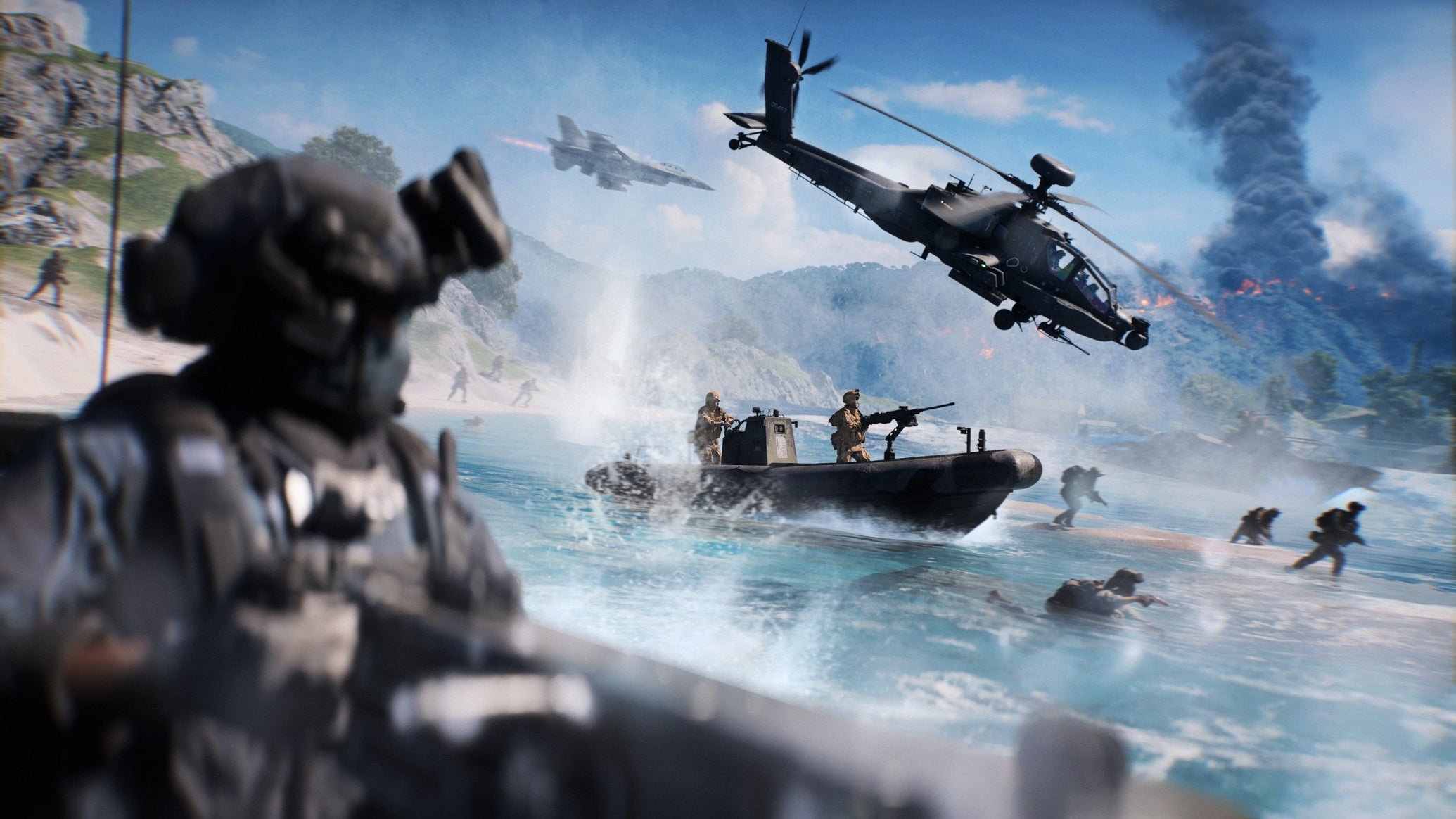
Tsuru Reef: A Masterclass in Scale and Synchronicity
Tsuru Reef is built to accommodate nine distinct capture points, a high for the current iteration of the game. The map’s design philosophy emphasizes the "Combined Arms" approach, where ground, air, and naval forces must interact to secure victory. The scale is so immense that Battlefield Studios has implemented a tiered vehicle spawning system. Unlike standard maps where most vehicles are available at the start of a match, Tsuru Reef introduces certain assets only as the match progresses or after specific sectors have been captured. This mechanic is intended to prevent early-game stalemates and ensure that the battle evolves dynamically over time.
One of the most significant technical achievements of Tsuru Reef is the reintroduction of server-synced waves. First popularized in the "Naval Strike" expansion for Battlefield 4, this technology ensures that every player on the server sees and interacts with the same wave patterns simultaneously. This is not merely an aesthetic choice; the shifting tides and rising swells provide physical cover for naval vessels and can drastically alter the line of sight for infantry positioned along the coastline.
The Return of Naval Warfare
For the first time in Battlefield 6, naval combat takes center stage. Tsuru Reef serves as a testing ground for the franchise’s updated water-based mechanics. The map features a variety of aquatic vessels, ranging from nimble transport jetskis to heavily armored attack boats equipped with mortar systems.
The integration of naval assets has forced a redesign of how capture points function. Several objectives on Tsuru Reef have capture radii that extend into the water, allowing boats to contribute directly to the score. However, this has introduced new tactical challenges. During early playtests, players noted that attack boats often functioned as "wobbly tanks," providing mobile artillery support from the safety of the surf. To balance this, the developers have ensured that air assets—specifically transport helicopters and jets—have a significant advantage over lone naval vessels, creating a "rock-paper-scissors" balance between the sea and the sky.

Infantry Dynamics and the Recent Gunplay Update
Despite the emphasis on vehicles, the infantry experience on Tsuru Reef has been carefully curated to prevent the "walking simulator" effect often associated with oversized maps. The map features dense pockets of cover, including mountainous ranges with harsh shadows that provide concealment for snipers and tactical squads. A coastal town area offers complex, multi-level environments where infantry can rule, utilizing mines and anti-vehicle weaponry to deter armored incursions.
The timing of Season 4 coincides with a major gunplay update that has fundamentally changed how players engage at a distance. The update increased "bloom" and decreased accuracy for automatic weapons at long ranges, requiring players to pace their shots and use burst-fire techniques. On a map as large as Tsuru Reef, this change is vital. Without it, players would be easily picked off across vast distances by high-accuracy assault rifles. Now, crossing open ground requires the use of smoke grenades, transport vehicles, or the cover of the terrain, making every movement a tactical decision.
New Arsenal: The Bren 3 and VSSM
Season 4 introduces three new weapons to the Battlefield 6 armory, with the Bren 3 Carbine and the VSSM taking the spotlight.
- Bren 3 Carbine: A versatile mid-range weapon that excels in the varied terrain of Tsuru Reef. It allows for high customization, making it suitable for both the rocky highlands and the tight corridors of the map’s urban sectors.
- VSSM: An experimental suppressed rifle that features a high-cost full-auto modification. This weapon is designed for stealthy flanking maneuvers, allowing players to navigate the map’s outskirts and eliminate targets without appearing on the minimap.
These additions are intended to complement the map’s diverse engagement distances, providing players with the tools necessary to adapt to the rapidly changing conditions of a 128-player match.

Chronology of Battlefield 6 Post-Launch Development
To understand the significance of Tsuru Reef, one must look at the timeline of the game’s evolution:
- Launch Phase: Focus on 128-player "All-Out Warfare" with a lean map roster.
- Season 1 & 2: Introduction of "Specialist" reworks and smaller, more focused maps to stabilize the core gameplay loop.
- Season 3: The "Turning Point" update, which reintroduced the Class System and brought back the Golmud Railway map, signaling a return to traditional Battlefield values.
- Season 4: The "Naval Frontier" (Tsuru Reef), expanding the scope to include sea-based combat and massive-scale environmental design.
Strategic Implications and Industry Analysis
The release of Tsuru Reef is more than just a content update; it is a statement of intent from Electronic Arts. By investing heavily in a map of this scale and complexity, the publisher is attempting to solidify Battlefield 6 as a premier live-service title capable of competing with other major shooters.
Industry analysts suggest that the inclusion of naval combat is a response to a vacuum in the market. While many first-person shooters master ground and air combat, few successfully integrate naval warfare into a seamless multiplayer experience. If Tsuru Reef is successful, it could pave the way for a dedicated naval-themed expansion or a standalone mode focused entirely on carrier strikes and maritime defense.
However, the sheer size of the map presents a risk. In the modern gaming landscape, players often gravitate toward "meat grinder" maps—smaller, high-intensity environments that offer constant action. Tsuru Reef requires patience and coordination, traits that are not always present in public matchmaking. To mitigate this, Battlefield Studios has optimized the "squad spawn" and "vehicle call-in" systems to ensure that players can stay in the action even when fighting on the fringes of the reef.

Conclusion: A Delectable Curiosity in the Map Pool
Tsuru Reef represents a "delectable curiosity" in the Battlefield 6 lineup. It is a map that offers a richness and depth not found elsewhere in the game, even if its complexity means it may not be the "everyday" choice for the casual player base. By providing a dedicated space for naval combat and massive-scale maneuvers, Battlefield Studios has successfully addressed one of the longest-standing requests from the community.
As Season 4 begins, the success of Tsuru Reef will likely be measured by its ability to retain veteran players while attracting those who were previously deterred by the game’s launch-state limitations. With its server-synced waves, multi-tiered vehicle pools, and revamped gunplay, Tsuru Reef stands as a testament to the franchise’s resilience and its ongoing commitment to the grand spectacle of war.