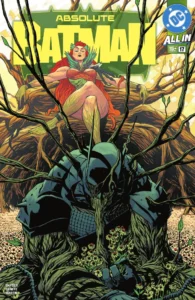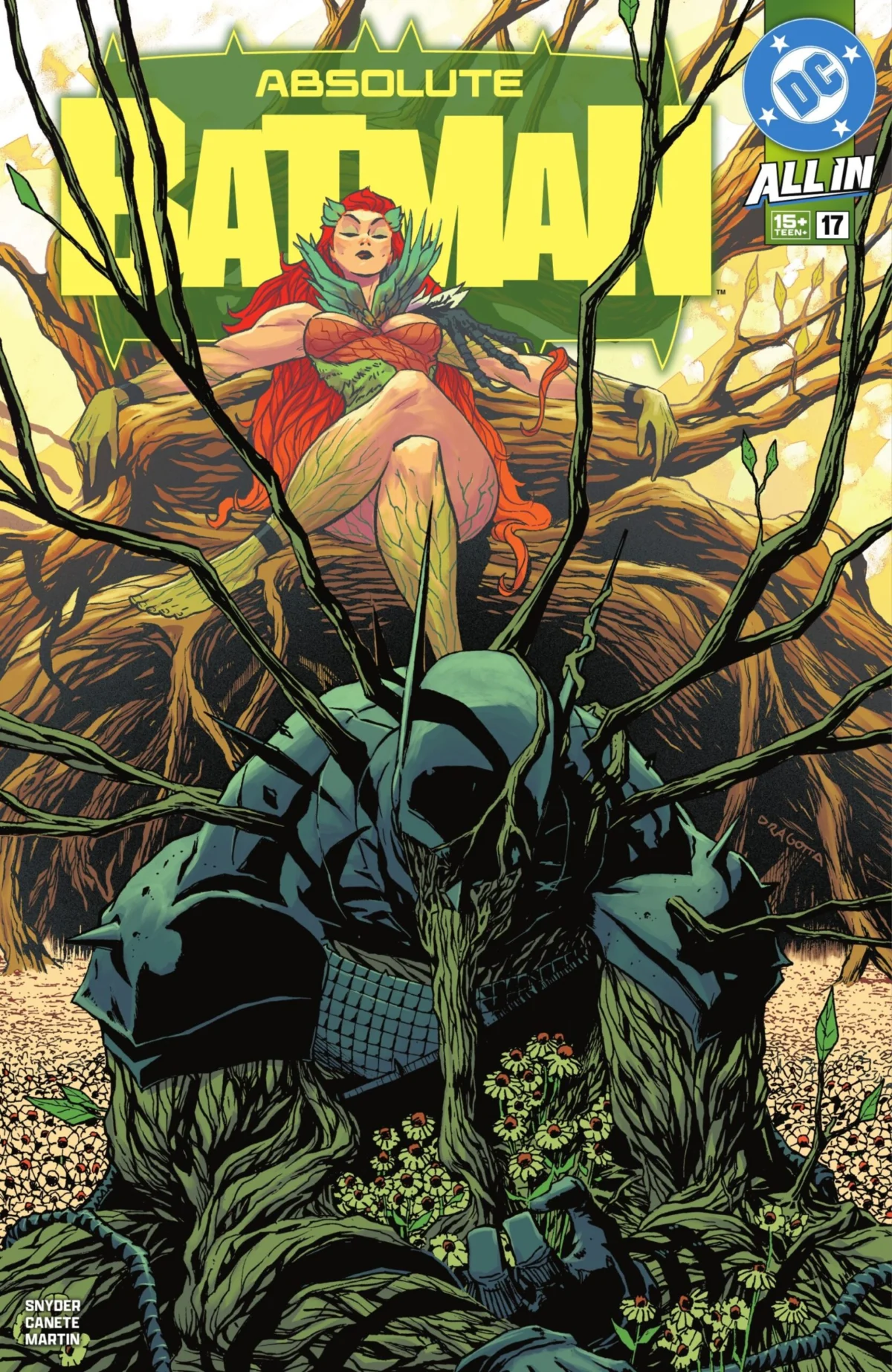
At New York Comic Con 2026, Jim Lee opened his Jim Lee & Friends panel with an insistent request: turn up the lights so he can better see reactions and turn off all recording equipment. This maneuver, a staple of industry event management, signaled to the packed room that a significant unveiling was imminent. The anticipation was rewarded with exclusive, early-stage footage of the animated Absolute Batman series, alongside deep-dive presentations on character design and collaborative creative processes. Amidst the flurry of breaking news, a recurring theme emerged among the panelists: the critical role of music in shaping the visual and narrative architecture of the DC Universe. By utilizing specific musical landscapes to visualize their stories, creators are increasingly providing fans with curated auditory experiences that mirror the development phase of their work, transforming static panels into multi-sensory narratives.
A Chronology of Sound: The Evolution of DC’s Auditory World-Building
The intersection of music and sequential art is not a modern phenomenon, but it has reached a new level of sophistication within the DC ecosystem. Since the mid-2010s, DC Comics has transitioned from incidental musical association to deliberate, strategic soundtrack curation.
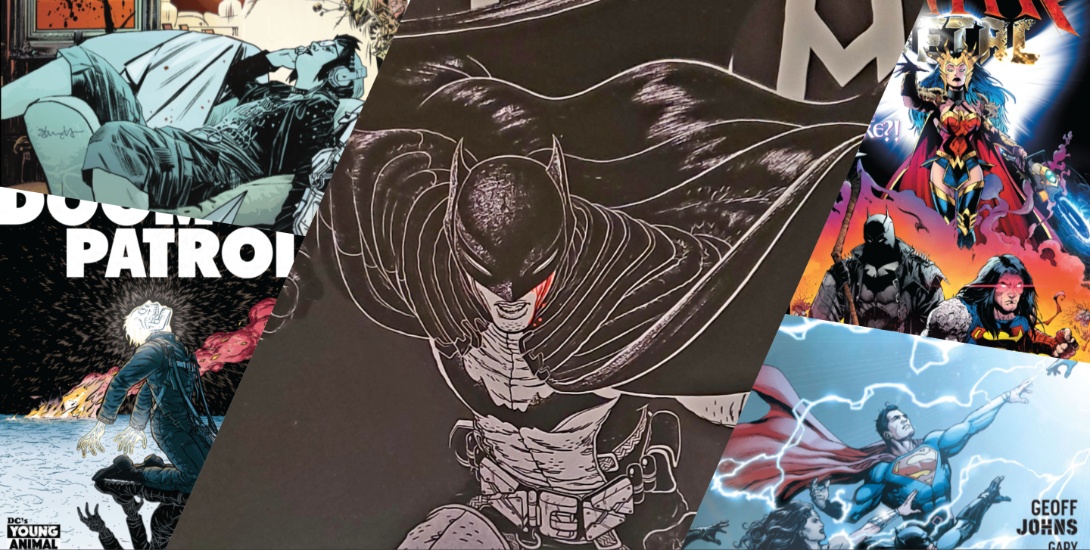
The 2016 launch of the Young Animal imprint, spearheaded by Gerard Way, marked a definitive shift. Recognizing that the line—which featured titles like Shade the Changing Girl and Mother Panic—required a distinct tonal identity, the creative teams utilized playlists as a branding tool. These selections, featuring artists ranging from David Bowie to The White Stripes, were designed to reflect the punk-inspired, existential themes of the stories. This period served as a pilot program for the publisher, demonstrating that fans responded positively to high-level, curator-driven content that extended beyond the printed page.

This effort was bolstered by the 2016 DC Universe Rebirth initiative, which sought to realign the publisher’s continuity following the New 52 era. During this transition, DC launched an official Spotify presence, providing thematic playlists for its core titles. This provided a rare, behind-the-scenes look at the creative motivations behind character portrayals. By pairing specific, eclectic musical choices with characters like Nightwing or Deathstroke, the publisher successfully humanized the creative process, allowing readers to view the "Rebirth" era through the specific tonal filters intended by the writers and artists.
Case Study: Batman and the Architecture of Gotham
The integration of music reached a pinnacle with Rafael Grampá’s Black Label limited series, Batman: Gargoyle of Gotham. Grampá’s vision for Gotham City—characterized by intricate, graffiti-laden architecture and an intense, lived-in aesthetic—was heavily influenced by his formative years in Brazil. However, to translate that vision into a cohesive narrative, Grampá relied on a dedicated auditory foundation.

The release of an official soundtrack for the series, produced by Lucas Mayer and performed by Paranoid Pilgrim, represents a significant development in comic book production. By providing a melodic synth and orchestral backdrop, the project effectively allows readers to synchronize their reading experience with the creator’s original headspace. This creates a "rhythm of Gotham," ensuring that the thematic weight of the story persists after the final page is turned. Industry analysts note that this approach functions as a form of expanded world-building, where the auditory component provides a structural stability to the narrative that is difficult to achieve through visual media alone.
The Power of Metal: Dark Nights and High-Octane Crossovers
During the 2026 panel, Jim Lee’s choice of background music for the Absolute Batman reveal—Black Sabbath’s Paranoid—underscored the enduring relationship between DC’s most brutal, high-stakes narratives and the raw, percussive nature of heavy metal. This association was most famously cemented in the 2021 release of the Dark Nights: Death Metal Soundtrack.

The Dark Nights: Metal series, which spanned several years and featured top-tier talent including Scott Snyder and James Tynion IV, introduced the Dark Multiverse—a realm of distorted realities and existential threats. The accompanying soundtrack, which featured contributions from established rock and metal artists, served as a vital marketing and atmospheric tool. Data suggests that these curated soundscapes significantly increased reader engagement, with tracks like Rise Against’s "Broken Dreams, Inc." maintaining high streaming longevity years after the conclusion of the event. The psychological impact of such music is clear: it lowers the threshold for audience immersion, making the gravity of the stakes feel immediate and visceral.
Official Responses and Industry Implications
While DC has not formally released the internal metrics regarding the conversion rates of readers who interact with these playlists, the consistent expansion of the practice suggests a positive return on investment. According to internal sources at DC, the objective is to create a "permanent ecosystem" where the digital presence of a title supports its physical sales.

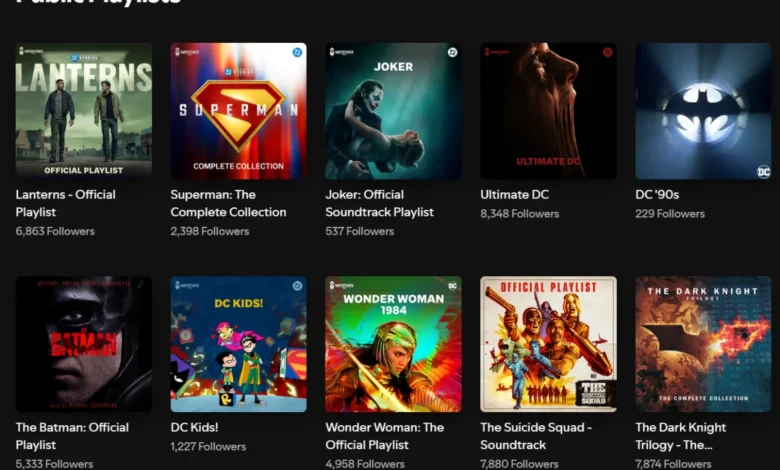
Stephanie Economou’s recent work on the HBO series Lanterns highlights the next phase of this strategy. By blending an original score with licensed music from artists like Outkast and Kenny G, the production team has created a sound profile that balances high-stakes drama with character-driven levity. This approach mimics the structure of the DC Spotify hub, which houses collections for diverse projects ranging from The Suicide Squad to the whimsical "Batman + Catwoman: The Wedding Reception Playlist."
The implication for the industry is profound. As creators continue to embrace musical accompaniment, the comic book medium is moving closer to the immersive experience traditionally reserved for film and interactive gaming. By inviting fans into the "muse" space—the specific playlist or auditory environment that facilitated the creation of a story—the publisher is building a deeper, more intimate rapport with its audience.

Broader Impact and Future Projections
The rise of the "bespoke soundtrack" in comics also addresses the changing nature of media consumption in the digital age. Modern readers, particularly within the 18-35 demographic, frequently engage in multi-tasking, often listening to music while consuming visual content. By providing official, sanctioned playlists, DC is capturing this behavior and aligning it with their intellectual property.
Furthermore, these playlists provide a unique opportunity for cross-promotion with the music industry. By featuring established artists alongside their works, DC is effectively bridging the gap between two major cultural spheres. The debate often sparked by these lists—such as whether a pop artist’s inclusion implies their existence within the DC canon—serves to keep the discussion around these titles active on social media platforms long after their initial release.

As the industry moves toward 2027 and beyond, it is expected that this trend will only intensify. The upcoming revamp of the Apache Chief character and other legacy properties will likely be accompanied by similar multi-media packages. The goal, as evidenced by the Jim Lee & Friends panel, is clear: to offer a complete experience that acknowledges the audience’s desire for deeper, more complex connections to the characters they love.
For the reader, the transition is simple: a commute becomes an excursion into the streets of Gotham, a quiet evening of reading becomes a cinematic experience, and a long-standing fan’s connection to the lore is strengthened by the shared rhythm of the creative team. While the visual art remains the cornerstone of the DC Universe, the music has become the glue that holds these disparate, often chaotic realities together, ensuring that for the modern fan, the story never truly ends—it simply shifts to a different frequency.