Excitement is building for the forthcoming HBO Max Harry Potter reboot, slated to premiere in December 2026. This ambitious long-form series promises a comprehensive adaptation of J.K. Rowling’s beloved seven-book saga, allocating one season per book. This format is poised to rectify numerous narrative compressions, character simplifications, and thematic omissions that characterized the eight original film adaptations. While the films were instrumental in bringing the wizarding world to a global audience, their inherent structural limitations often necessitated the streamlining of complex subplots, political allegories, and nuanced character developments. The new series, with its extended runtime, represents a significant opportunity to present a more faithful and enriched portrayal of the magical universe, potentially redefining the Harry Potter narrative for a new generation of viewers and long-time fans alike.
The Legacy and Limitations of the Original Film Series
The original Harry Potter film franchise, spanning from 2001 to 2011, achieved monumental success, grossing over $7.7 billion worldwide and becoming one of the highest-earning film series in history. Critically acclaimed for its visual storytelling and iconic performances, the films captivated millions and solidified the Harry Potter brand as a global cultural phenomenon. However, the transition from expansive novels—which collectively sold over 500 million copies globally—to a cinematic format presented inherent challenges. Each book, often hundreds of pages long, had to be condensed into a two-to-three-hour movie. This compression frequently led to the exclusion of significant narrative details, the reduction of characters to mere plot devices, and the simplification of the intricate political and social complexities woven throughout Rowling’s literary work.
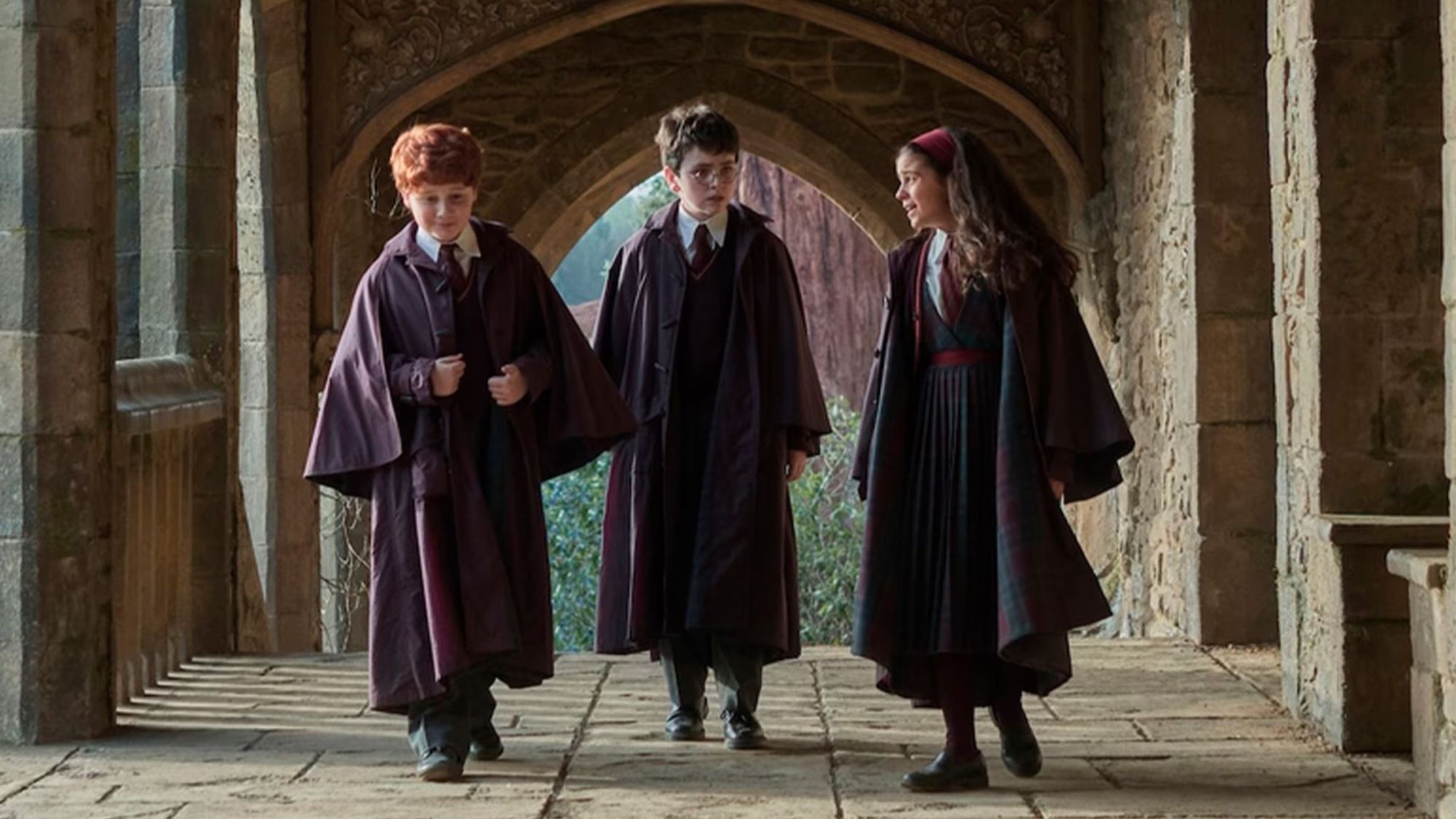
Key areas where the films diverged from or understated the source material include the sanitization of Albus Dumbledore’s morally ambiguous past, the reduction of Hermione Granger’s character to primarily an exposition provider, and the treatment of the Ministry of Magic as a mere backdrop rather than a functioning antagonist with its own political machinations. Furthermore, the limited screen time often meant that characters from the less-represented houses of Hufflepuff and Ravenclaw, as well as the deeper psychological tolls of the protagonists’ struggles, were underdeveloped. Early indications suggest the HBO reboot is committed to a meticulous adherence to the source material, with rumored inclusions like the poltergeist Peeves underscoring this dedication. This commitment is not merely about adding omitted scenes but about restoring the depth and thematic richness that defined the original novels.
Restoring Narrative Depth: Key Areas for the HBO Reboot
The episodic nature of a television series offers an unparalleled canvas for storytelling, allowing for a slower burn, more detailed character exploration, and a deeper dive into the world-building that the books provided. Several critical narrative elements and character arcs are poised for comprehensive restoration and enhancement in the upcoming HBO Max adaptation.
The First Wizarding War: A Deep Dive into History
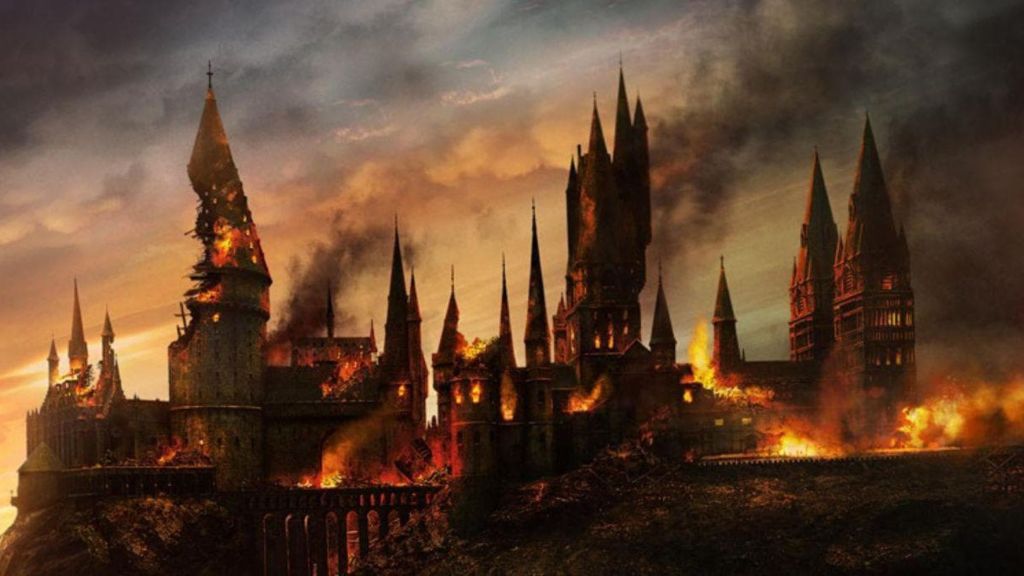
The First Wizarding War, a period of immense terror and upheaval from 1970 to 1981, served as the foundational conflict preceding Harry Potter’s arrival at Hogwarts. This war, characterized by stealth attacks, espionage, torture, and widespread killings of both wizards and Muggles, fundamentally shaped the world Harry inherited. The Death Eaters, under Voldemort’s command, vastly outnumbered and outmaneuvered the nascent Order of the Phoenix, showcasing the true, devastating potential of Voldemort’s ideology. The films, constrained by time, only briefly touched upon this critical period, most notably during Barty Crouch Jr.’s Pensieve sequence in Goblet of Fire. Even then, the focus was primarily on Karkaroff’s testimonies rather than the widespread destruction and psychological toll of the conflict.
The HBO series has the opportunity to expand significantly on this era. Through strategic flashbacks woven across seasons, viewers could gain a profound understanding of the war’s horrors, the sacrifices made by the Order of the Phoenix, and the personal tragedies experienced by characters like the Marauders (James Potter, Sirius Black, Remus Lupin, and Peter Pettigrew). Witnessing the deaths of their friends and the relentless pressure of fighting a seemingly losing battle would not only enrich the backstory of these beloved characters but also underscore the existential threat Voldemort posed, lending greater weight to the urgency of Harry’s mission to stop him. Such an approach would transform mere mentions of the war into a visceral, impactful historical context for the entire saga.
The Psychological Gauntlet of Horcrux Hunting
The hunt for Voldemort’s Horcruxes in the later books was not merely a physical quest but a deeply psychological ordeal, particularly evident with the Horcrux locket. In the novels, the locket acted as a insidious, slow-acting weapon, preying on the deepest insecurities of Harry, Ron, and Hermione. It amplified Ron’s long-standing inferiority complex, fueled Harry’s paranoia and sense of isolation, and pushed Hermione towards despair. While the films depicted moments of tension and conflict among the trio, hinting at the locket’s corrosive influence, they largely condensed these struggles into a few intense scenes, culminating in a single argument that nearly fractured their friendship.
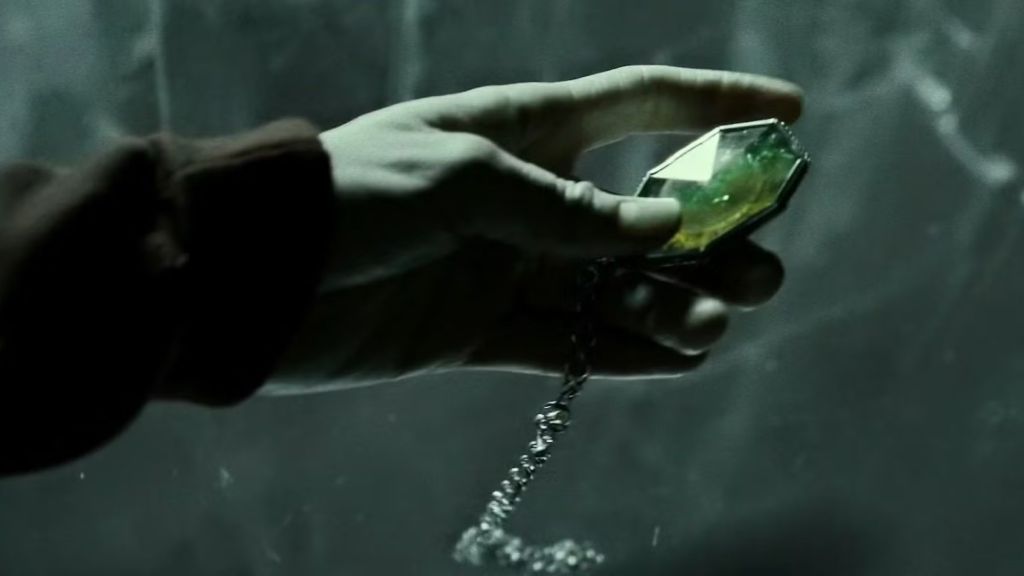
The HBO reboot can meticulously portray the prolonged psychological torment inflicted by the Horcrux. In the books, Ron endured months of this mental torture before his eventual breakdown and temporary departure. The series can dedicate significant screen time to showing the gradual erosion of the trio’s morale, the subtle manipulation of their fears, and the immense mental fortitude required to resist its dark magic. By making the Horcrux’s psychological effects horrific and pervasive, the series can emphasize the extraordinary resilience of the protagonists and the true power of their bond in overcoming such an insidious threat. This deeper exploration would elevate the stakes and emotional impact of the Horcrux hunt.
Neville Longbottom’s Unsung Heroism and True Arc
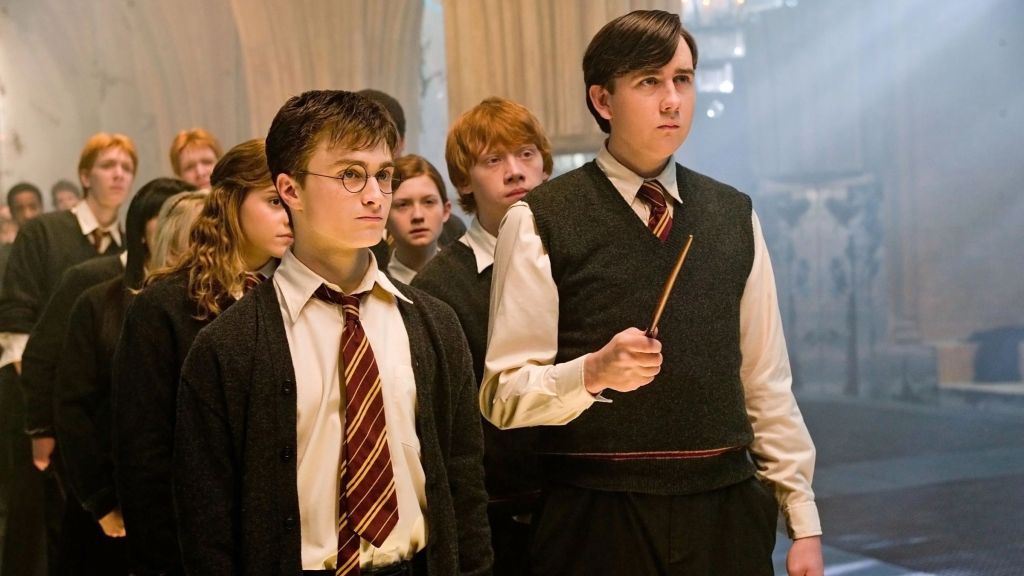
Neville Longbottom’s transformation from a clumsy, timid boy into a defiant leader and pivotal figure in the fight against Voldemort is one of the most compelling character arcs in the Harry Potter books. Crucially, the books established Neville as a legitimate "red herring" for the prophecy’s "Chosen One," a detail largely ignored by the films. Both Harry and Neville fit the prophecy’s description, and Voldemort’s choice to target Harry was based on his own biased interpretation, creating a compelling narrative twist that the films overlooked. While Neville had his heroic moment in the final film, it felt somewhat unearned due to the lack of preceding character development.
The HBO series must rectify this by fully developing Neville’s arc. This includes incorporating the poignant scene where Neville visits his parents, Frank and Alice Longbottom, who were tortured into permanent insanity by Bellatrix Lestrange and institutionalized at St. Mungo’s Hospital. This heartbreaking backstory is vital to understanding Neville’s courage and his deep-seated motivation to fight against Voldemort’s tyranny. Furthermore, the series needs to showcase Neville’s leadership in rebuilding Dumbledore’s Army during Harry’s absence, demonstrating his resilience and strategic thinking. His crucial role in the Battle of Hogwarts, including his iconic moment of killing Nagini, Voldemort’s last Horcrux, would resonate far more powerfully with a fully fleshed-out character journey.
The Ministry of Magic: A Political Antagonist Unveiled
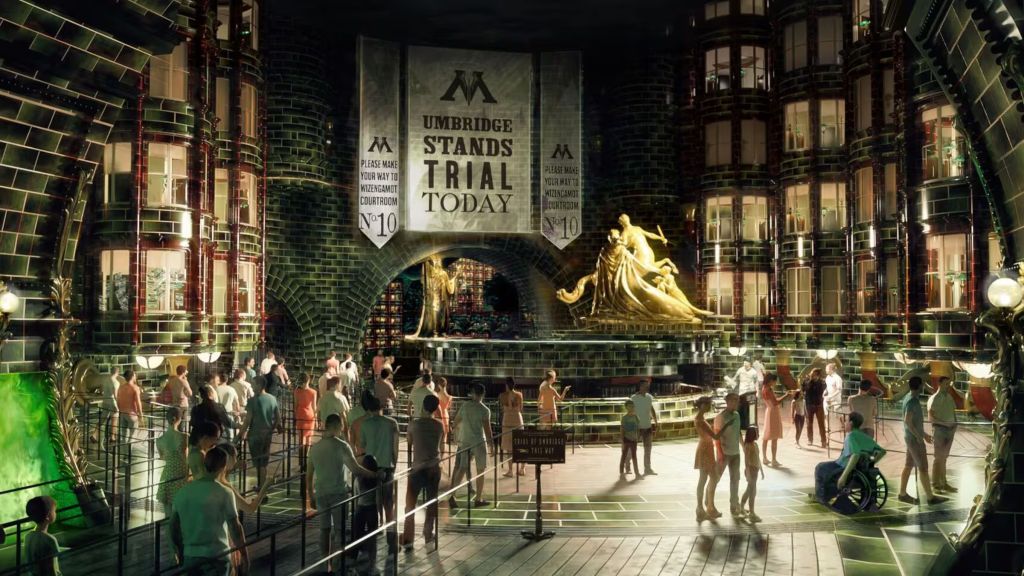
In the Harry Potter novels, particularly Order of the Phoenix, the Ministry of Magic served as a formidable and corrupt antagonist, embodying governmental incompetence and willful ignorance in the face of growing evil. Under Cornelius Fudge’s leadership, the Ministry orchestrated a relentless, months-long smear campaign against Albus Dumbledore and Harry Potter, utilizing the Daily Prophet as a propaganda tool. This political allegory—a government suppressing truth and attacking its own citizens—was significantly downplayed in the films, which presented only condensed glimpses of the Ministry’s machinations.
The HBO reboot has a vital opportunity to restore this political complexity. By showcasing the full force of the Ministry’s smear campaign, its influence over public opinion, and its systemic corruption, the series can elevate the stakes and provide a richer understanding of the societal context of the war. The subplot involving Percy Weasley, who aligned himself with the Ministry against his family’s anti-Voldemort stance, is crucial here. Percy’s eventual redemption during the Battle of Hogwarts holds far greater emotional weight when his prior misguided loyalty and the Ministry’s manipulative tactics are fully explored. Furthermore, detailing how Dolores Umbridge gained and wielded such oppressive power within the Ministry would underscore the institution’s profound flaws. A robust portrayal of the Ministry’s strength and corruption would make its eventual fall in Deathly Hallows feel earned and impactful.
Beyond Gryffindor and Slytherin: Restoring House Diversity
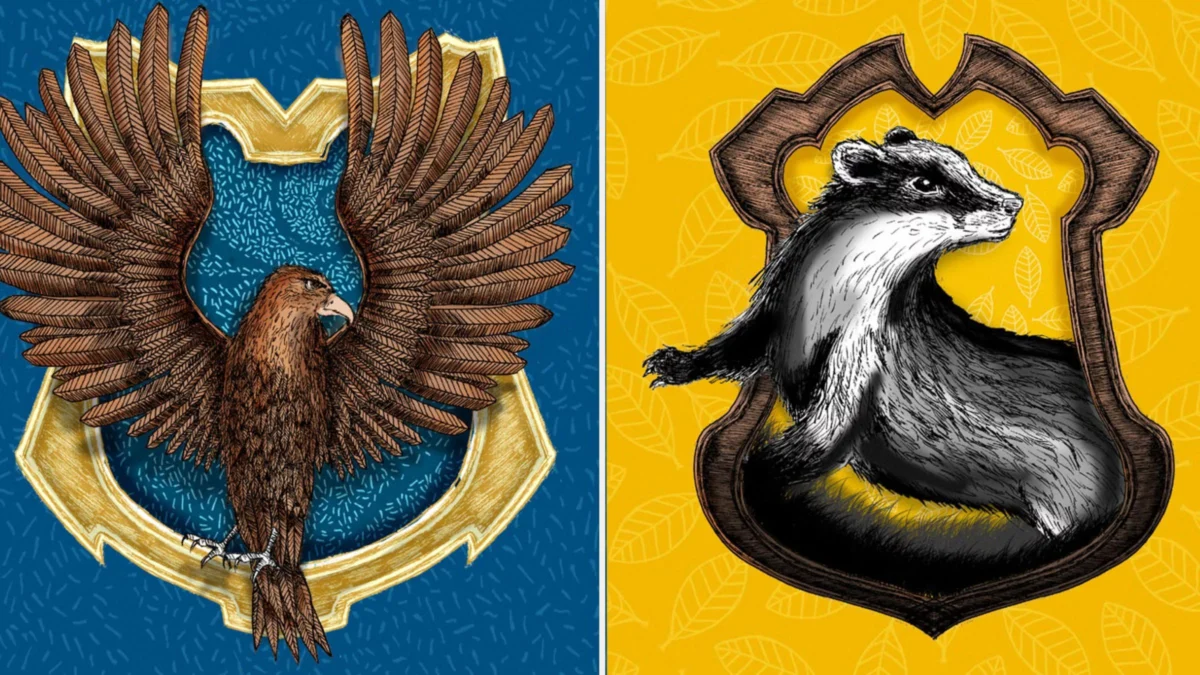
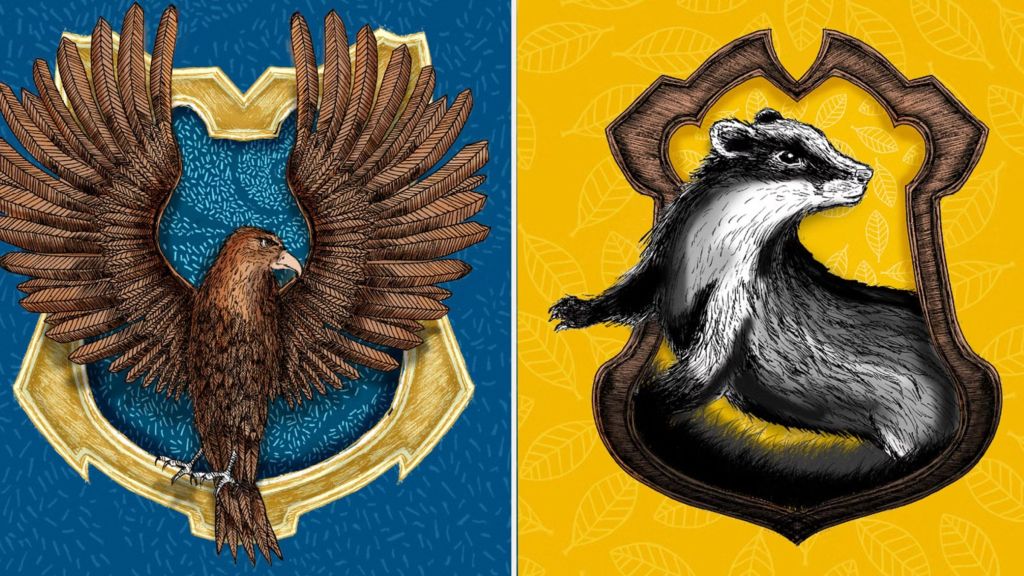
The original Harry Potter films, in their focus on Harry, Ron, and Hermione, predominantly highlighted the rivalry and dynamics between Gryffindor and Slytherin. This cinematic narrowing inadvertently diminished the roles and contributions of students from Hufflepuff and Ravenclaw, two houses integral to the diverse tapestry of Hogwarts. For instance, Dumbledore’s Army, a crucial resistance group, included named members from Hufflepuff in the books, such as Susan Bones and Zacharias Smith, who were largely absent or unacknowledged in the films.
The HBO series can—and should—reintroduce and develop these characters. Ernie Macmillan’s arc, from initially suspecting Harry of being the Heir of Slytherin in Chamber of Secrets to publicly defending him in Half-Blood Prince and unequivocally trusting him, exemplifies the growth and courage found across all houses. His eventual declaration that "We’re all with Harry" would carry immense significance if his journey were properly depicted. Similarly, while Luna Lovegood provided some Ravenclaw representation, her character in the books possessed even greater depth, eccentric charm, and unwavering loyalty. Cedric Diggory remains the most prominent Hufflepuff in the films, primarily due to his tragic death, but the house’s values of loyalty and hard work were rarely explored through its other members. By restoring the presence and individual storylines of Hufflepuff and Ravenclaw characters, the reboot can paint a more complete picture of the Hogwarts community and the broader wizarding world’s united front against evil.
Albus Dumbledore: Unveiling a Morally Complex Icon
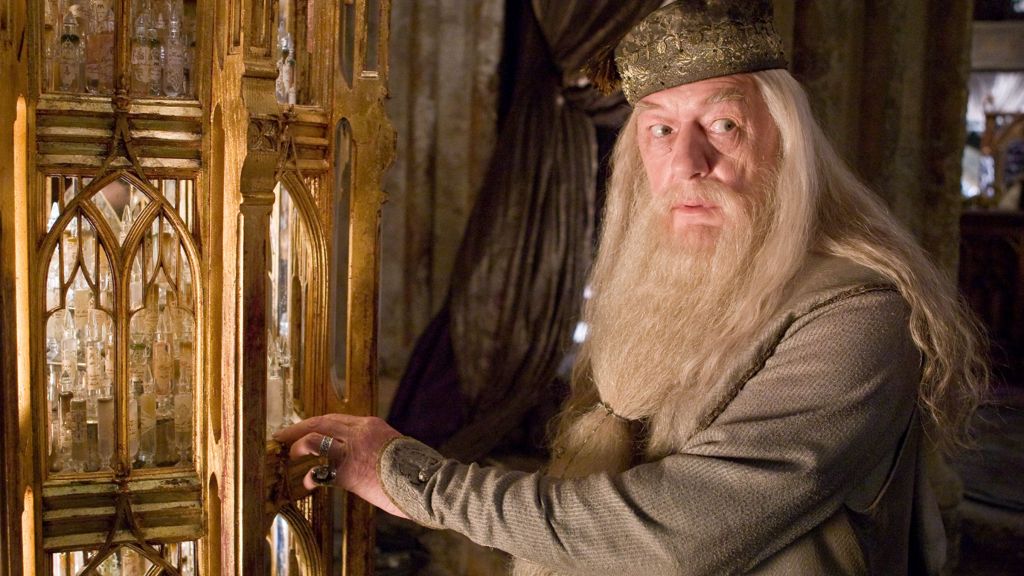
Albus Dumbledore, the enigmatic Headmaster of Hogwarts, was often portrayed in the films as an almost infallibly wise and benevolent mentor. While his iconic status remained, the films largely softened the moral ambiguities and darker aspects of his past that were revealed in the later books. Specifically, his youthful association with Gellert Grindelwald and their shared philosophical ideology of "For the Greater Good"—which advocated for wizarding supremacy over Muggles—was barely explored in the main Harry Potter film series, receiving more attention only in the Fantastic Beasts prequels. Dumbledore’s deep-seated belief in these dangerous ideas for an extended period, until Grindelwald’s reign of terror forced him to confront his own complicity, is a crucial element of his character.
The HBO reboot must embrace Dumbledore’s inherent moral complexity from the outset. It needs to plant seeds of his manipulative tendencies, his long-term strategic planning, and his willingness to make difficult, sometimes ethically questionable, decisions for what he perceived as the greater good. His deliberate withholding of critical information from Harry for years, and his calculated preparation of Harry as a "pig for slaughter," as Snape famously accused, are central to understanding his character’s profound flaws and the heavy burden he carried. By consistently depicting these contradictions, the series can present a Dumbledore who is far more intricate, human, and ultimately, more compelling than the somewhat sanitized version seen in the original films. This portrayal would enhance the dramatic tension and thematic richness of Harry’s journey, revealing the profound weight of Dumbledore’s choices.
Hermione Granger: Reclaiming Agency and Flaws
Hermione Granger, the brilliant and indispensable member of the golden trio, suffered from a common cinematic phenomenon known as "competence creep" in the original films. Often, dialogue and heroic moments originally attributed to Ron Weasley in the books were reallocated to Hermione, inadvertently making her seem almost infallible. For instance, the impassioned declaration, "If you want to kill Harry, you’ll have to kill us too," which was Ron’s line in the books, was given to Hermione in the films. Similarly, Ron’s panic and subsequent urging for Hermione to use her magical knowledge ("Are you a witch or not?") during the Devil’s Snare encounter in Philosopher’s Stone underscored Hermione’s occasional moments of error and the trio’s interdependent strengths. In the films, Hermione rarely made mistakes, reducing her character to a walking encyclopedia for exposition.
The HBO reboot must restore Hermione’s flaws, her moments of panic, and her intellectual struggles, which are integral to her character’s growth and relatability. Allowing her to be imperfect makes her journey toward becoming a stronger, more confident witch more compelling. Crucially, the series needs to reintroduce the Society for the Promotion of Elfish Welfare (SPEW) storyline. This subplot, where Hermione passionately advocated for the rights and liberation of House-Elves, was a significant aspect of her moral compass and social activism, showcasing her fierce commitment to justice and equality. Its removal from the films stripped her of a vital dimension. By giving Hermione back her imperfections and her independent agency through storylines like SPEW, the reboot can ensure she remains a powerful, multifaceted character and a true, equal partner in the lead trio, rather than simply a source of convenient information.
Broader Implications and Future Outlook
The commitment of Warner Bros. Discovery to a one-season-per-book format for the Harry Potter series on HBO Max signifies a strategic pivot towards long-form storytelling to fully leverage established intellectual property. This approach not only caters to the deep desires of the existing fanbase for a more complete adaptation but also positions the series to introduce the magical world to a new generation with unprecedented detail and emotional resonance. The success of this endeavor could set a new benchmark for adapting beloved literary sagas, demonstrating the power of streaming platforms to deliver expansive, high-quality narratives that were previously unfeasible in traditional cinematic releases. By addressing the previous films’ shortcomings and enriching the narrative with the depth and complexity of Rowling’s original vision, the HBO Max Harry Potter series holds the potential to become the definitive on-screen adaptation, securing its place as a cultural touchstone for decades to come.