
Lee Cronin’s The Mummy Redefines Ancient Horror with Modern Terrors


The highly anticipated horror film, Lee Cronin’s The Mummy, has officially arrived in theaters, offering audiences a radical departure from traditional interpretations of the iconic monster. This latest iteration, helmed by director Lee Cronin, is not a direct continuation of Universal Pictures’ classic monster canon but rather a standalone narrative that plunges into the darker, more visceral aspects of possession and ancient curses within a contemporary setting. The film has already garnered significant attention for its unflinching approach to horror, featuring unsettling imagery, dark comedic undertones, and moments designed to elicit extreme visceral reactions from viewers.
The narrative centers on the Cannon family, led by ambitious journalist Charlie Cannon, portrayed by Jack Reynor. Charlie is stationed in Cairo, Egypt, with his pregnant wife, Larissa (Laia Costa), and their two young children, Katie (Natalie Grace) and Sebastián (Shylo Molina). Their lives are shattered when young Katie mysteriously vanishes. The subsequent eight years are marked by a desperate search, culminating in the rediscovery of Katie, now 17. However, the reunion is far from joyous. The found Katie is profoundly changed, rendered non-verbal, emotionally vacant, and physically altered to a degree that signals the true horror is only just beginning.
This reinvention of The Mummy has been a project years in the making, with the concept reportedly brewing within the creative minds of its producers. James Wan, a titan of modern horror known for franchises like The Conjuring and Insidious, and Jason Blum, the prolific producer behind Halloween and Get Out, have lent their considerable expertise to Cronin’s vision. The collaboration between these established figures and Cronin, whose previous directorial work includes the critically acclaimed The Hole in the Ground, signals a deliberate attempt to infuse fresh perspectives into a well-trodden cinematic creature.
A Bold Creative Vision: Deconstructing the Mummy Myth
Director Lee Cronin has openly discussed his inspiration and approach to this new The Mummy. He has cited Steven Spielberg’s Jaws as a personal favorite, a film that masterfully built suspense and redefined a creature feature for a new generation. This influence seems to manifest in Cronin’s desire to move beyond simple jump scares and tap into a deeper, more pervasive sense of dread.
"I thought, ‘Are there other dark corners of the mummification process that were done for different reasons?’" Cronin revealed in a recent interview. "And I felt like I found this story that was an interesting way in to dig up something old and then bring it into a really contemporary space." This statement underscores the film’s ambition to explore the ritualistic and potentially sinister aspects of ancient burial practices, not as mere historical curiosities, but as potent sources of present-day terror. The "different reasons" likely allude to darker, more obscure historical or mythological interpretations of mummification, moving beyond the common understanding of preservation for afterlife.
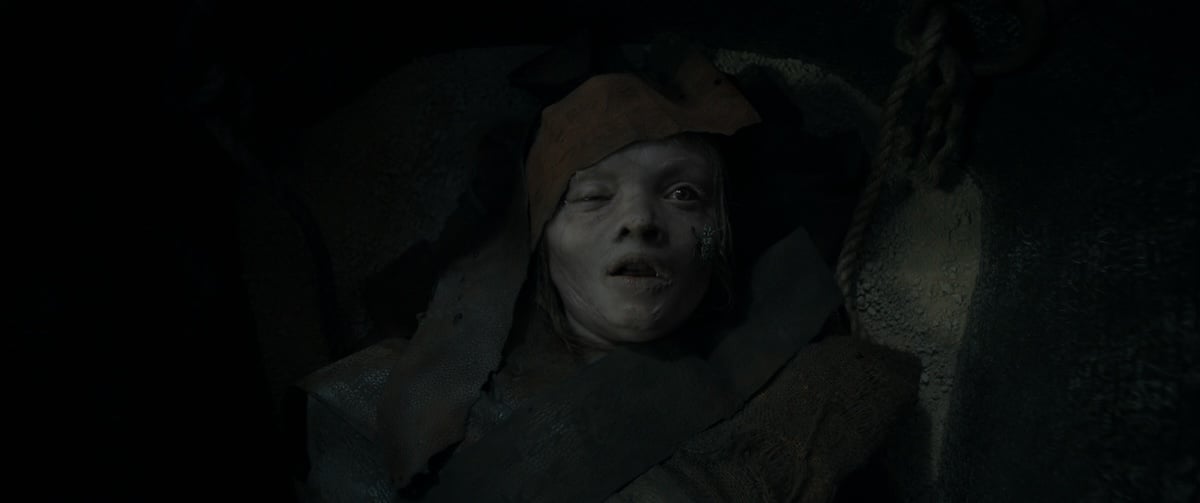
The film’s departure from the classic Universal Monsters lore is a deliberate choice. While those films, particularly the 1932 Boris Karloff original and its successors, established a specific archetype, Cronin’s The Mummy aims for a more primal and psychologically unsettling experience. This reimagining suggests a focus on the anxieties surrounding loss, the unknown, and the violation of the human body, themes that resonate strongly in contemporary horror. The description of "gruesome pedicures" and "unhinged dark comedy" hints at a willingness to embrace the grotesque and the absurd, blending genuine scares with moments that might push the boundaries of audience comfort.
The Producers’ Role: A Foundation for Modern Horror
The involvement of James Wan and Jason Blum provides a significant strategic advantage for Lee Cronin’s The Mummy. Both producers have a proven track record of identifying and nurturing unique horror voices while ensuring commercial viability. Their collective experience in the genre allows for a strategic approach to marketing, distribution, and creative oversight.
James Wan’s influence is often characterized by his ability to craft atmospheric tension and meticulously designed set pieces. His work on The Conjuring universe, for instance, demonstrates a deep understanding of how to build sustained dread and deliver impactful scares. For The Mummy, his input could translate into moments of intense suspense and expertly timed shock sequences that elevate the film beyond its gruesome elements.
Jason Blum, on the other hand, is known for his innovative production models and his knack for spotting scripts with high potential. His focus on delivering compelling stories within budget constraints has allowed a diverse range of horror films to reach audiences. His involvement with The Mummy suggests a commitment to the film’s narrative integrity and its potential to become a new franchise starter, should it prove successful. The "Holy Trinity of Horror," as described by some observers, refers to the combined power of Cronin’s directorial vision, Wan’s masterful suspense, and Blum’s industry acumen, suggesting a formidable creative force behind the film.
Chronology and Development
While specific dates for the inception of Lee Cronin’s The Mummy are not publicly detailed, the film’s emergence into the public consciousness likely followed a typical development cycle for a major studio production.
- Early Development: Discussions between Lee Cronin, James Wan, and Jason Blum likely began after Cronin’s success with The Hole in the Ground (released in 2019). The idea of a fresh take on The Mummy, distinct from previous iterations, would have been pitched and developed.
- Scripting and Pre-Production: The screenplay would have undergone significant development, with Cronin refining his vision and collaborating with the producers. This phase would involve concept art, casting discussions, and location scouting, particularly given the film’s setting in Cairo.
- Filming: Principal photography would have commenced, likely in late 2023 or early 2024, allowing ample time for post-production, including visual effects and sound design, which are crucial for a film of this nature.
- Marketing and Release: The film’s marketing campaign would have begun ramping up in the months leading up to its theatrical release, with trailers and promotional materials highlighting its unique horror elements and the pedigree of its creative team. The official release date marks the culmination of this extensive development process.
Supporting Data and Audience Expectations
The horror genre has seen a resurgence in recent years, with audiences increasingly receptive to original concepts and bold reinterpretations of classic tropes. Films like Jordan Peele’s Us and Nope, and Ari Aster’s Midsommar, have demonstrated a market for horror that is not only terrifying but also thematically rich and artistically driven.
- Box Office Potential: With the combined star power of its producers and the enduring appeal of the mummy concept, The Mummy has the potential for strong box office performance. The success of recent horror films suggests a robust audience appetite for well-executed genre fare.
- Critical Reception: Early reviews, as indicated by the provided article, suggest a positive reception for the film’s audacious approach. The emphasis on "bold storytelling" and "exciting female characters" indicates a film that aims to be more than just a collection of scares.
- Fan Engagement: Horror aficionados are keenly anticipating this new take. The promise of "disgustingly gag-worthy moments" and "unhinged dark comedy" suggests a film that will be a talking point within the horror community, potentially sparking discussions about its innovative scares and narrative choices.
Broader Impact and Implications
The success of Lee Cronin’s The Mummy could have significant implications for the future of horror cinema.
- Revitalizing Classic Monsters: If this reimagining proves successful, it could pave the way for other studios to take similar risks with their classic monster libraries, moving beyond direct remakes to create entirely new narratives inspired by these iconic figures.
- Championing New Voices: The film provides a significant platform for director Lee Cronin, potentially launching him into the upper echelons of horror filmmakers. This could encourage studios to invest in other emerging talents with unique visions.
- Genre Evolution: By blending visceral horror with dark humor and psychological elements, The Mummy may contribute to the ongoing evolution of the horror genre, pushing its boundaries and challenging audience expectations. The focus on a "parent-driven nightmare scenario" also speaks to a modern understanding of family anxieties that can be a fertile ground for horror.
The film’s critical reception and audience response will undoubtedly shape its legacy. However, the ambition and creative pedigree behind Lee Cronin’s The Mummy suggest that it is poised to be a significant and potentially divisive entry in the contemporary horror landscape, offering a fresh, terrifying, and undeniably memorable cinematic experience. The inclusion of characters like Larissa, an expecting mother, adds a layer of vulnerability and parental protective instincts that can amplify the horror, tapping into universal fears. The discovery of Katie’s changed state, described as "physically unrecognizable," hints at a body horror element that can be particularly unsettling.
The film’s setting in Cairo also offers a rich visual and cultural backdrop, which, if utilized effectively, can further enhance the atmosphere and add unique dimensions to the horror. The historical and mythological associations with ancient Egypt provide a deep well of inspiration for Cronin’s exploration of possession and ancient curses.
In conclusion, Lee Cronin’s The Mummy represents a bold and modern reinterpretation of a classic horror icon. With the formidable backing of James Wan and Jason Blum, and a clear artistic vision from Cronin, the film is set to deliver a visceral, unsettling, and darkly comedic experience that promises to redefine what audiences expect from a mummy movie. Its release marks a significant moment for the horror genre, potentially ushering in a new era of creative risk-taking with established monster lore.


