
Once Upon a Time in the Apocalypse


A chilling new short film, "Once Upon a Time in the Apocalypse," is making waves for its stark portrayal of a post-World War III landscape, a vision that resonates with the dystopian anxieties evoked by classic works like "Threads" (1984) and George Orwell’s "Nineteen Eighty-Four." Produced by Jüngal Studios and helmed by director Tiago Pimentel, this "bite-sized horror shocker" delves into the psychological and societal devastation following global nuclear conflict, examining not only the immediate aftermath but also the insidious rise of totalitarian control in the ensuing desolation.
The film, written by António Miguel Pereira and Tiago Pimentel, stars Paulo Calatrão, Sérgio Godinho, and Mariana Pacheco. It presents a harrowing vision of a "blackened earth soiled further by totalitarian control." The narrative draws explicit parallels between the film’s depicted fascism and historical regimes, including those of the Nazis and Soviets, suggesting a cyclical nature of human cruelty and oppression. This thematic resonance is a powerful commentary on the enduring relevance of historical lessons, positing that a failure to learn from the past inevitably leads to its grim repetition. The visual and thematic underpinnings of "Once Upon a Time in the Apocalypse" tap into a deep-seated human fear of societal collapse and the erosion of fundamental freedoms, a fear amplified by the ever-present specter of global conflict and the destructive potential of advanced weaponry.
The Genesis of a Dystopian Vision
The creation of "Once Upon a Time in the Apocalypse" emerges from a contemporary cultural landscape where discussions surrounding nuclear disarmament, international relations, and the potential for large-scale conflict remain critically important. The film’s conceptualization can be seen as a direct response to these ongoing global concerns, translating abstract fears into a tangible, albeit fictional, narrative.
Background Context:
The shadow of nuclear war has loomed large since the mid-20th century. The Cold War era saw a constant state of tension between superpowers, with the threat of mutually assured destruction (MAD) serving as a grim deterrent. While the immediate threat of large-scale nuclear exchange diminished with the fall of the Soviet Union, the proliferation of nuclear weapons and the rise of new geopolitical challenges have re-ignited these anxieties. The film’s setting in the wake of World War III directly confronts these fears, presenting a future where these worst-case scenarios have been realized.
The film’s exploration of totalitarian control in a post-apocalyptic world also draws upon historical precedents. The rise of authoritarian regimes, often in times of societal upheaval and economic instability, has been a recurring theme throughout history. The filmmakers’ explicit comparison to Nazi and Soviet fascism highlights the dangers of unchecked power, propaganda, and the systematic suppression of dissent, themes that remain acutely relevant in contemporary political discourse.
A Harrowing Narrative Unfolds
"Once Upon a Time in the Apocalypse" masterfully builds tension through its dialogue-driven narrative, a deliberate choice that underscores the psychological impact of the depicted world. The film’s climax is described as "dramatic, albeit violent and grisly," forcing audiences to confront the brutal realities of war and its enduring consequences.
The core message of the film appears to be a poignant indictment of those who initiate conflict. It emphasizes that while leaders may orchestrate wars, it is the ordinary populace who bear the brunt of the suffering, paying the ultimate price in "blood and sacrifice." This perspective serves as a powerful reminder of the human cost of geopolitical disputes and the often-disproportionate burden placed upon civilians.
Furthermore, the film underscores the profound fragility of human life. In a world ravaged by war and stripped of its comforts, the narrative forces viewers to acknowledge the irretrievable nature of lost lives and the devastating impact of such loss on individuals and society as a whole. The "bite-sized" nature of the short film format allows for a concentrated and impactful delivery of these heavy themes, making it a potent vehicle for social commentary.

Supporting Data and Broader Implications
The film’s themes are not mere figments of imagination but are rooted in observable global trends and historical patterns.
Nuclear Arsenals and Global Security:
As of recent reports, several nations maintain significant nuclear arsenals. The United Nations Office for Disarmament Affairs (UNODA) consistently highlights the ongoing risks associated with nuclear weapons, emphasizing the need for continued efforts towards disarmament and non-proliferation. The existence of these weapons means that the scenario depicted in "Once Upon a Time in the Apocalypse," while fictional, remains a theoretical possibility, albeit one with devastating real-world implications. The Bulletin of the Atomic Scientists’ "Doomsday Clock," a symbolic representation of humanity’s proximity to global catastrophe, often reflects these ongoing concerns, with its setting fluctuating based on global events and threats.
The Resurgence of Authoritarianism:
Globally, there have been documented instances of democratic backsliding and the rise of authoritarian tendencies in various regions. Reports from organizations like Freedom House consistently track these trends, noting the erosion of civil liberties and democratic norms in numerous countries. This contemporary context lends an unsettling relevance to the film’s depiction of totalitarian control emerging from societal collapse. The film serves as a potent visual allegory for these real-world concerns, prompting reflection on the safeguards necessary to prevent such outcomes.
The Human Cost of Conflict:
Historical data from numerous conflicts, including World War II and more recent regional wars, starkly illustrates the immense human suffering caused by armed conflict. Civilian casualties, displacement, and the long-term psychological and economic consequences are well-documented. The film’s emphasis on the price paid by ordinary citizens resonates with these historical realities, serving as a solemn reminder of the devastating impact of war beyond the battlefield.
Artistic and Critical Reception
While specific critical reviews and audience reactions to "Once Upon a Time in the Apocalypse" may not be widely disseminated for a short film, its thematic depth and artistic execution suggest a potential for significant impact within the independent film community and beyond. The film’s decision to eschew typical action-heavy post-apocalyptic tropes in favor of a dialogue-driven psychological horror is a notable artistic choice.
The comparisons to "Threads" and "Nineteen Eighty-Four" are significant. "Threads," a British made-for-television film, is renowned for its unflinching and terrifyingly realistic depiction of nuclear war and its aftermath. George Orwell’s "Nineteen Eighty-Four" remains a seminal work of dystopian literature, exploring the dangers of totalitarianism, surveillance, and the manipulation of truth. By invoking these touchstones, "Once Upon a Time in the Apocalypse" signals its ambition to engage with similar profound and unsettling themes.
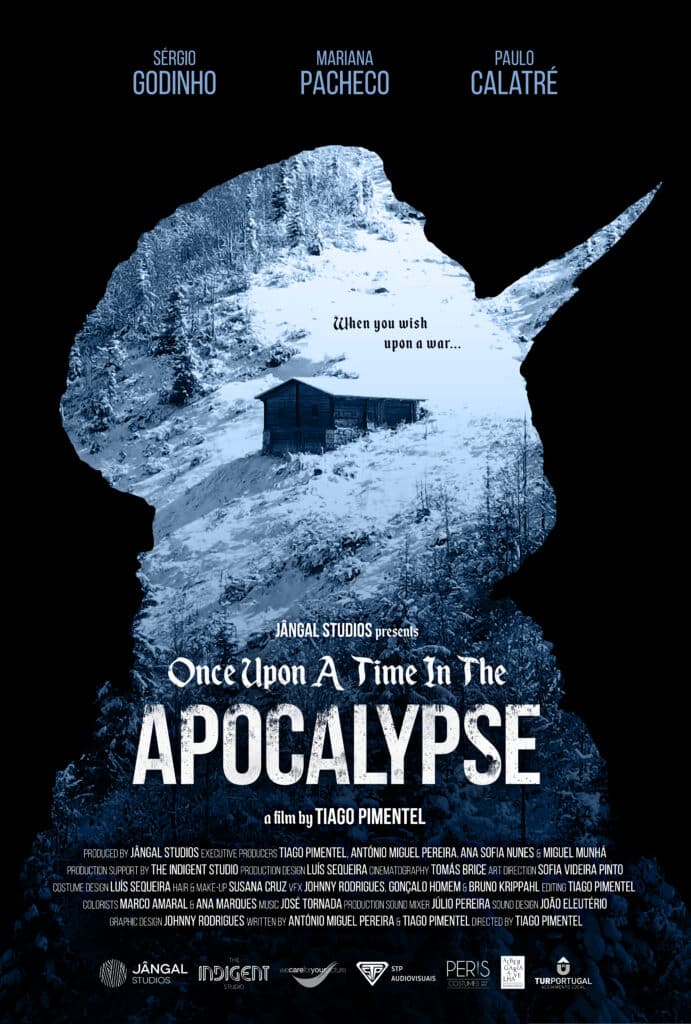
The use of visual cues, as suggested by the accompanying poster and stills, likely plays a crucial role in establishing the film’s grim atmosphere. The "blackened earth" and the visual representation of fascism would contribute to the overall sense of dread and despair. The trailer, available for viewing, would provide a more direct insight into the film’s aesthetic and pacing, offering potential viewers a glimpse into its intended impact.
Broader Impact and Future Considerations
"Once Upon a Time in the Apocalypse" appears poised to serve as more than just a piece of entertainment. Its strength lies in its ability to provoke thought and dialogue about critical contemporary issues.
Educational Value:
Short films with strong thematic content can be powerful educational tools. "Once Upon a Time in the Apocalypse" could be utilized in educational settings to spark discussions about:
- The consequences of nuclear warfare: Providing a visceral understanding of the potential devastation beyond abstract statistics.
- The nature of totalitarianism: Illustrating the mechanisms and psychological impact of oppressive regimes.
- The importance of historical awareness: Reinforcing the adage that history offers crucial lessons for the present and future.
- The ethics of war and leadership: Encouraging critical thinking about responsibility and accountability in times of conflict.
Cultural Commentary:
The film’s exploration of societal anxieties and its engagement with classic dystopian narratives position it as a significant piece of cultural commentary. In an era marked by global uncertainty, films that confront these fears can offer catharsis, foster resilience, and encourage proactive engagement with the issues they portray. The film’s suggestion that "those who start the wars do not fight them" is a powerful call for greater accountability and a reminder of the inherent injustice of sacrificing civilian lives for political gain.
The Future of Dystopian Cinema:
"Once Upon a Time in the Apocalypse" contributes to a long and rich tradition of dystopian storytelling in cinema. Its focus on the psychological and societal rather than purely visceral horror, coupled with its direct historical and political parallels, suggests a maturing of the genre, moving beyond simple survival narratives to more complex examinations of human nature and societal structures under duress. The success of such films often hinges on their ability to resonate with current fears and offer nuanced perspectives, which "Once Upon a Time in the Apocalypse" appears to strive for.
The film’s production by Jüngal Studios and its screening at festivals like the 2025 Atlanta Underground Film Festival indicate its emergence within the independent film circuit, a space often fertile for innovative and thought-provoking work. Such platforms provide crucial exposure for films that challenge conventions and offer unique artistic visions. The continued exploration of such themes in short-form cinema is vital for keeping these urgent conversations alive and accessible to a wider audience.


