The Sound and the Fury of Genre Television: John Brennan Discusses the Legacy of The Last Drive-In and the Final GWAR Collaboration

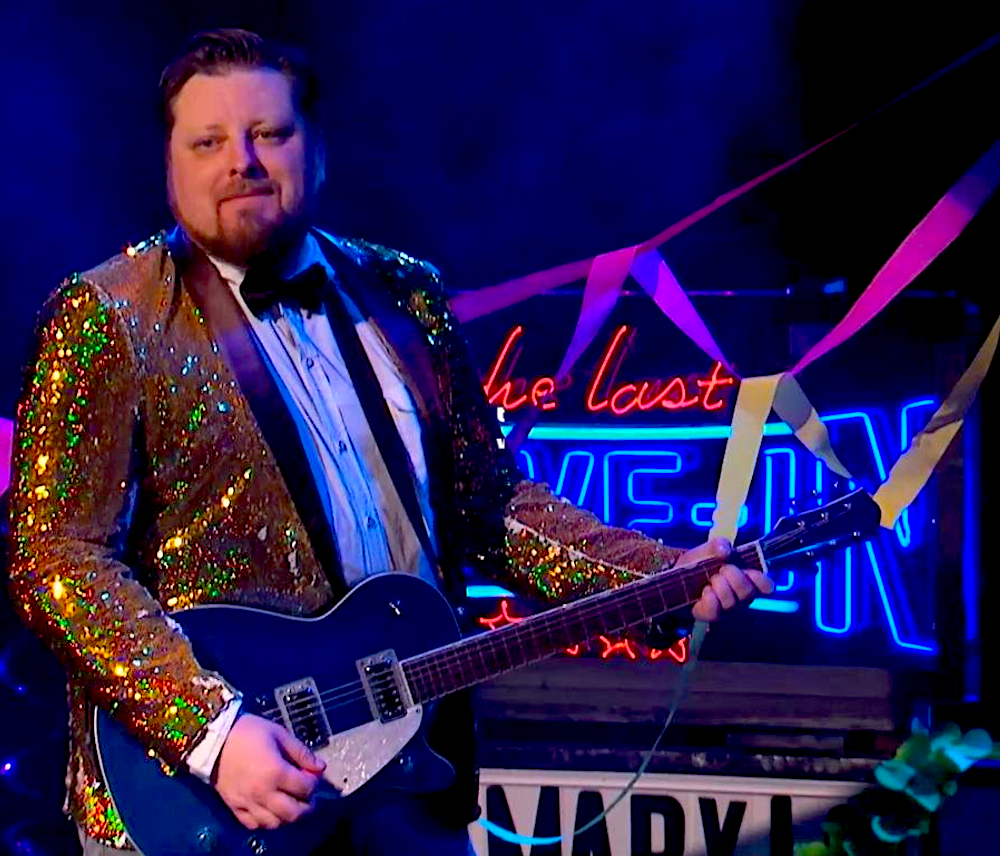
As the critically acclaimed horror showcase The Last Drive-In with Joe Bob Briggs prepares to conclude its historic run on Shudder this December, the cultural footprint left by the series extends far beyond the cinematic treasures it has resurrected. For seven seasons and numerous seasonal specials, the Shudder mainstay has indulged horror enthusiasts with deep dives into underappreciated, overlooked, and boundary-pushing genre films. Yet, an essential ingredient of the show’s enduring identity has been its musical accompaniment. Behind these memorable numbers is John Brennan, the creative force steering the show’s house band, John Brennan and the Bigfeet. To mark the final album release of the series, GWAR AND THE LAST DRIVE-IN-STEIN, Brennan spoke about his multifaceted career, his formative years working alongside exploitation pioneers Troma Entertainment, and the symbiotic relationship between horror cinema and heavy music.
The Chronology of a Genre Collaboration: From Troma to Shudder
Brennan’s trajectory into the horror-comedy musical landscape began modestly as a hobby before transitioning into a professional pursuit in 2013 and 2014. His entry point into the genre came courtesy of Troma Entertainment, the legendary independent film studio helmed by Lloyd Kaufman and Michael Herz. Troma tasked Brennan with creating a satirical knockoff of the iconic song Goodbye Horses from The Silence of the Lambs. Kaufman intended to use the track, cleverly titled The Silence of the Ducks, in the chaotic comedy Return to Nuke ‘Em High AKA Volume Two.
This initial foray into exploitation cinema served as a vital stepping stone. Matt Manjourides and Justin Martell, executive producers of the Nuke ‘Em High films, subsequently transitioned to executive producing The Last Drive-In. During the development phase of the Shudder series, Manjourides and Martell invited Brennan to submit a demo for consideration. Brennan’s submission for the show’s primary theme song secured his position, seamlessly merging his musical sensibilities with Joe Bob Briggs’s signature brand of drive-in theater critique.
Brennan has frequently likened his time under Kaufman’s tutelage to a rigorous graduate program. Operating independently since 1974, Troma provided a blueprint for surviving outside the conventional studio system—a lesson in creative autonomy that Brennan would carry into his work on The Last Drive-In.
The DIY Ethos and the Birth of a Partnership
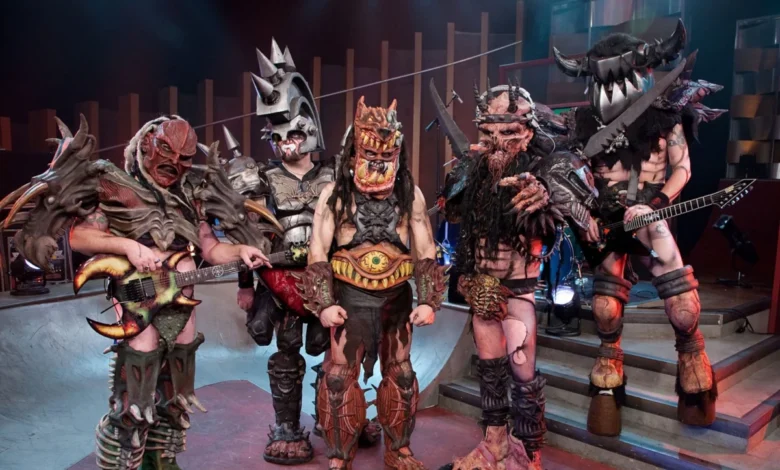
The collaboration between The Last Drive-In and the notorious shock-rock band GWAR represents the convergence of two distinct yet philosophically aligned DIY entities. The genesis of GWAR AND THE LAST DRIVE-IN-STEIN can be traced back several years, with initial discussions regarding a Halloween crossover beginning around 2021 or 2022. Although scheduling conflicts initially stalled the project, the partnership finally materialized for the 2025 "Splatterween" episode.
The working relationship between Brennan and GWAR was characterized by mutual artistic trust. After submitting initial demos and conducting a brief remote meeting to outline the project’s scope, Brennan adopted a hands-off approach, telling the band, "You’re GWAR. Do whatever the heck you want!" This creative freedom yielded Splatter-Fu, a track specifically conceptualized around Joe Bob Briggs’s trademark cinematic rating system, known colloquially as "drive-in totals" and categorized by various "-fus." Given GWAR’s notorious live performances featuring copious amounts of stage blood and synthetic ooze, the thematic crossover was an organic fit.
Following the success of the broadcast, Brennan proposed a split-release album to Matt Manjourides, leading to GWAR AND THE LAST DRIVE-IN-STEIN. The record features GWAR on Side A and Brennan’s compositions on Side B, effectively cementing a cross-branding initiative between two entities that have historically relied on grass-roots fan engagement rather than mainstream commercial validation.
Analyzing the Symbiosis of Horror and Music
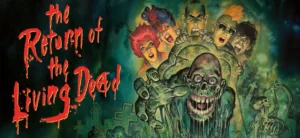
The intersection of heavy metal, punk, and horror cinema is a well-documented phenomenon, with historical precedents ranging from A Nightmare on Elm Street 3: Dream Warriors to The Return of the Living Dead. For Brennan, horror and music are intrinsically linked, possessing the capacity to elevate one another structurally and emotionally.
Brennan’s approach to scoring The Last Drive-In relied heavily on cinematic imagery. When composing the series’ theme song, he envisioned a chorus of ghouls celebrating the return of a horror host absent from regular programming for nearly two decades. This methodology underscores a broader artistic philosophy: that genre television thrives when its auditory components mirror the transgressive, passionate energy of the visual medium.
This DIY ethos was central to the survival of The Last Drive-In itself. When the program was initially revived, fan enthusiasm was so intense that it crashed Shudder’s streaming servers, rendering the show an undeniable success for the platform. Brennan draws a direct parallel between this fan-driven momentum and bands like GWAR, which have maintained international touring careers spanning four decades without relying on conventional commercial radio hits.
Track Breakdown and Artistic Highlights
GWAR AND THE LAST DRIVE-IN-STEIN encapsulates the diverse musical stylings that accompanied the television series throughout its multi-season run. Brennan highlights several standout tracks from the release, noting the collaborative effort involved in their production.
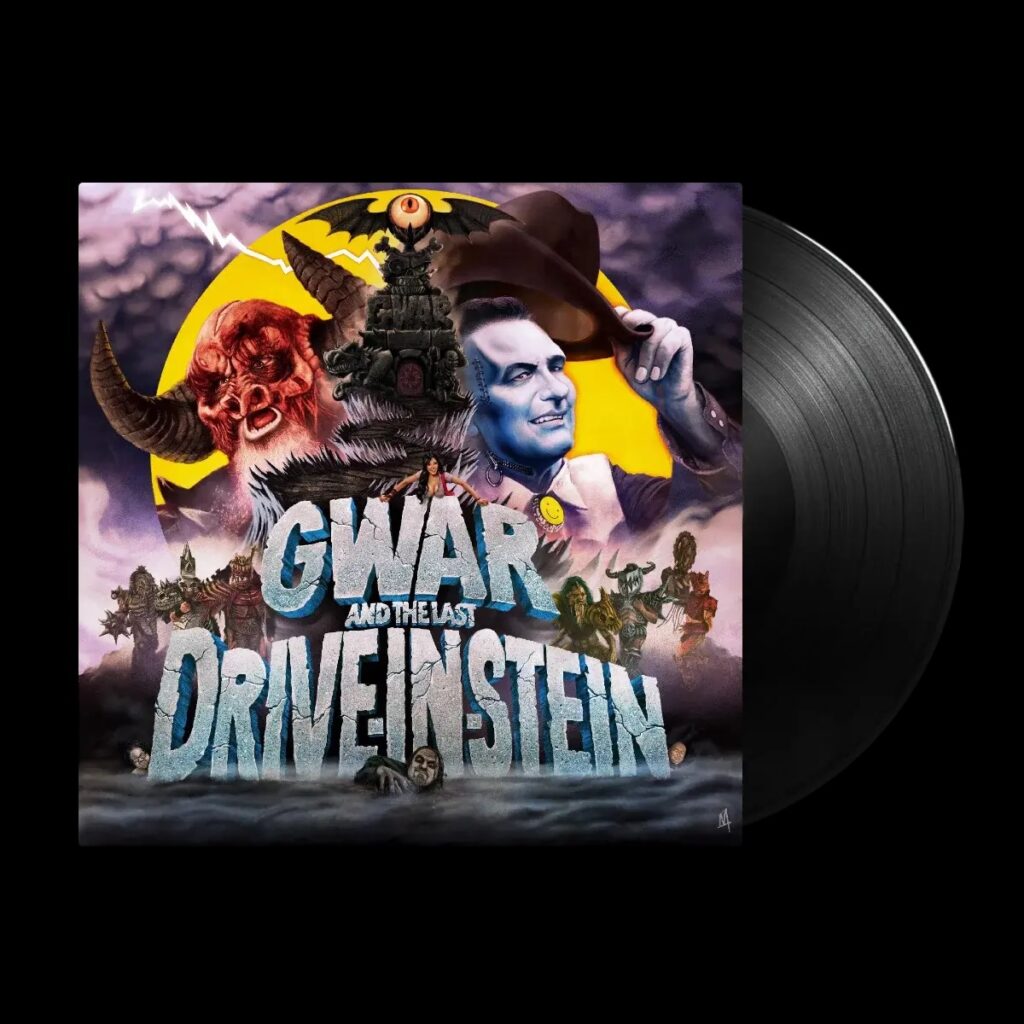
On Side A, Splatter-Fu stands out as a high point, with Brennan praising GWAR’s ability to elevate his initial composition through their distinct musical execution. On Side B, Beauteous Gluteus Maximus showcases a departure into 1980s-inspired workout anthems, featuring guest lead vocals by Tiffany Alcouri of the Los Angeles-based revivalist band Fire Tiger.
Another notable inclusion is Thank You, Roger Corman, an audio snippet recorded live during one of the show’s "Joe Bob Jamboree" specials. The track captures a historic moment when Joe Bob Briggs conducted what would be the final interview with legendary filmmaker Roger Corman, featuring a sing-along involving Corman, his wife Julie, Bruce Dern, and the production’s dedicated fan base, affectionately known as the "mutant family."
Broader Implications and the Grand Finale
As The Last Drive-In approaches its definitive conclusion in December, the release of GWAR AND THE LAST DRIVE-IN-STEIN serves as a capstone for a series that redefined horror curation in the streaming era. The show’s longevity—spanning seven seasons and numerous specials—is a statistical anomaly in modern television, where genre programming is frequently canceled prematurely.
Reflecting on his tenure with the series, Brennan acknowledges the surreal nature of the experience. What began as an unexpected opportunity through Troma Entertainment evolved into a defining chapter of his professional career, demonstrating the viability of independent artistry within a corporate streaming framework.
With the conclusion of the series, Brennan continues to remain active within the media landscape, maintaining his podcast Yuki and John’s Podcast Buffet alongside co-star Yuki Nakamura as it approaches its 200th episode, while continuing his creative output under the moniker @badtechno. The legacy of his work on The Last Drive-In remains preserved not only in the archives of Shudder but within the distinctive sonic landscape that accompanied a generation of horror fans into the drive-in theater of the mind.
Related posts: