The Mega-Merger Finalized: Paramount and Warner Bros. Rebrand as Skydance Media Under David Ellison

The landscape of global entertainment has shifted permanently following the formal conclusion of one of the most contentious corporate takeovers in modern media history. Following months of intensive regulatory scrutiny, intense bidding competition, and high-stakes political maneuvering, the union between Paramount and Warner Bros. has crossed the finish line. Steered by media entrepreneur and Skydance founder David Ellison, the newly consolidated corporate titan has revealed its official identity: the entire enterprise will now operate globally under the banner of Skydance.
The announcement, delivered via a sweeping corporate statement and multimedia presentation by Ellison, marks the culmination of a meteoric rise that has transformed an independent production company into the single most dominant content-creation and distribution apparatus in the history of the entertainment industry. While the corporate moniker adopts the Skydance name, the historic legacies of both Paramount Pictures and Warner Bros. are slated to remain operational storefronts within the overarching umbrella, designed to protect brand equity while leveraging unprecedented operational scale.
A Chronology of Consolidation: From Independent Studio to Global Juggernaut
To understand the magnitude of the Skydance-Paramount-Warner Bros. merger, industry analysts point to a rapid and calculated sequence of corporate acquisitions that unfolded over nearly two decades. The foundation of this modern media empire was laid in 2006, when David Ellison established Skydance Productions as an independent film financing and production entity. Just three years later, in 2009, Skydance entered into a strategic co-financing and production partnership with Paramount Pictures. This alliance proved mutually beneficial, yielding numerous blockbuster hits and surviving multiple contract renewals over the subsequent decade.
The pivot from partner to parent began in earnest in 2024. Backed by significant financial backing, Skydance executed an $8 billion acquisition of Paramount Global, swallowing the legacy studio and temporarily forming an entity known as Paramount Skydance in 2025. Rather than pausing to consolidate operations, Ellison immediately trained his sights on an even larger prize: Warner Bros., which had been navigating a tumultuous period of post-merger adjustments following its own combination with Discovery years prior.
Paramount’s subsequent victory over Netflix in a fierce, multi-front bidding war for Warner Bros. sparked immediate alarm across Hollywood and Washington alike. The transaction triggered rigorous antitrust reviews, geopolitical inquiries regarding foreign capital stakes, and fierce pushback from labor unions and independent creators who warned of an impending monopoly. Despite these substantial regulatory and legal roadblocks, Ellison’s legal and executive teams successfully navigated the vetting process throughout 2025 and 2026, culminating in the official greenlight that has now reshaped the global media ecosystem.
The Rationale Behind the Skydance Rebrand
Addressing the industry and consumers directly, David Ellison detailed the strategic philosophy behind ditching traditional heritage names in favor of the Skydance brand. Rather than erasing the century-old prestige associated with the mountain peak of Paramount or the iconic shield of Warner Bros., Ellison argued that the Skydance identity acts as a neutral, forward-looking engine capable of elevating both studios without overshadowing their respective histories.
"What once was the peak, is now just the beginning," Ellison wrote in a public statement accompanying the launch video. "Paramount and Warner Bros. shaped over a century of culture. By combining them, we aren’t rewriting history — we’re equipping these iconic studios with a more powerful engine. Together, we are Skydance: a creative-first home for the future of entertainment."
According to corporate communications released alongside the rebranding, the decision to use the Skydance name was driven by a desire to avoid internal friction and brand cannibalization. By establishing Skydance as the parent corporate umbrella, management intends to preserve the distinct creative cultures of Paramount and Warner Bros. while pooling their technological infrastructure, global distribution networks, and financial resources. Executives maintain that this centralized model will allow individual studio divisions to greenlight more ambitious projects while mitigating financial risk through corporate-wide synergy.
An Unprecedented Portfolio of Brands and Intellectual Property
The sheer breadth of assets now centralized under the Skydance corporate umbrella is historic, effectively consolidating a massive share of the world’s most recognizable entertainment properties into a single balance sheet. Industry metrics highlight that the combined entity now controls a vast percentage of historical box office receipts, television viewership, and streaming distribution channels.
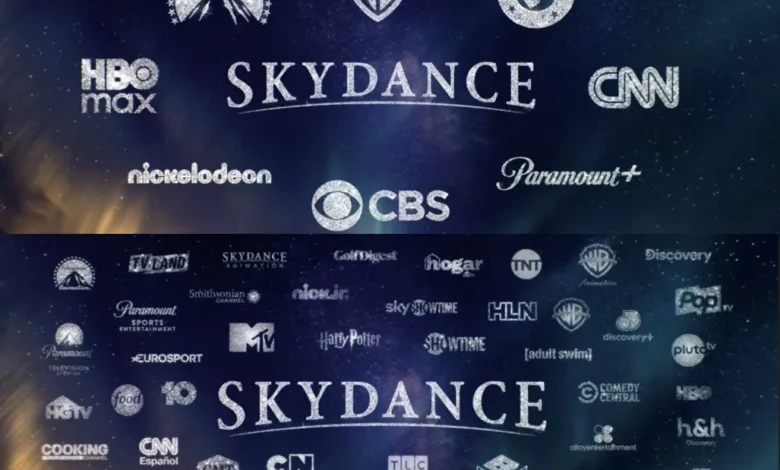
The television and cable networks now operating under Skydance span generations of media consumption, including CBS, CNN, TNT, TBS, MTV, Comedy Central, Showtime, Nickelodeon, Adult Swim, Turner Classic Movies (TCM), and the comprehensive suite of HBO and HBO Max/Max platforms.
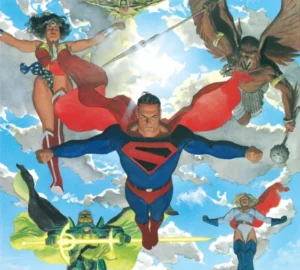
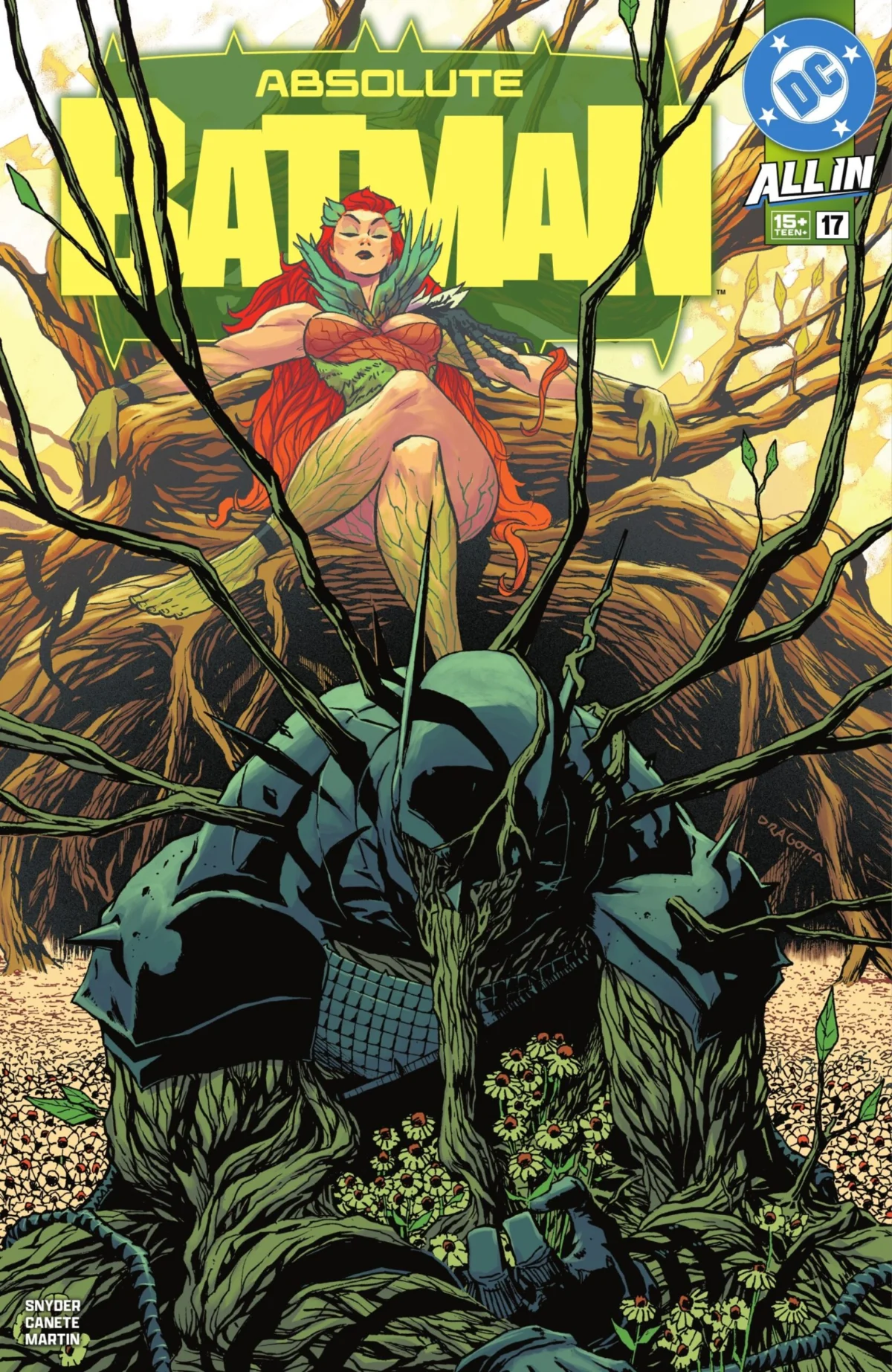
On the cinematic and intellectual property front, the catalogue is virtually peerless. Skydance now holds the film and television rights to iconic franchises such as Star Trek, Mission: Impossible, Transformers, The Lord of the Rings, Harry Potter, DC Studios properties (including Batman, Superman, and Wonder Woman), Looney Tunes, Tom & Jerry, Gremlins, Beetlejuice, and Mortal Kombat. Additionally, the studio controls modern horror and sci-fi universes including A Quiet Place, The Conjuring, and Godzilla/King Kong (via the MonsterVerse distribution rights). Family and animation staples such as SpongeBob SquarePants, Avatar: The Last Airbender, Teenage Mutant Ninja Turtles, and Dora the Explorer also fall securely within the new corporate fold.
Furthermore, the company inherits distribution rights for several major upcoming blockbusters currently in active production or slated for near-term release, including Dune: Part Three, subsequent installments in the Minecraft Movie franchise, and future MonsterVerse epics.
Industry Implications and the Competitive Landscape
The finalization of the merger has sent immediate shockwaves through the global entertainment market, triggering widespread discussion among economists, media analysts, and competitors. Social media platforms have been flooded with commentary and satirical comparisons highlighting the immense pressure traditional competitors—such as Netflix, Disney, and Comcast—will face when competing against a vertically integrated giant of this scale.
From a market capitalization and distribution standpoint, Skydance now possesses a complete closed-loop ecosystem. The company controls everything from physical production facilities and animation houses to linear television broadcast networks, cable channels, and direct-to-consumer streaming applications. This level of vertical integration grants Skydance unmatched leverage in talent negotiations, global marketing campaigns, and windowing strategies for theatrical and streaming releases.
However, the merger also inherits significant systemic challenges. Managing a workforce of tens of thousands across legacy organizations with divergent corporate cultures will require delicate executive oversight. Furthermore, the consolidation is expected to face continued scrutiny from consumer advocacy groups and lawmakers monitoring market concentration, pricing power for streaming subscriptions, and potential reductions in theatrical output.
As David Ellison and his executive team step into their roles leading the newly minted Skydance, the entertainment industry stands at a definitive crossroads. Whether this monumental consolidation will usher in a golden age of blockbuster storytelling or prompt a new wave of regulatory reform remains to be seen. What is indisputable, however, is that the rules of engagement for global media have been rewritten, and Skydance now stands unrivaled at the summit of the industry.
Related posts: