The Long Road to Arrakis: How Denis Villeneuve Conquered the Curse of Frank Herbert’s Dune

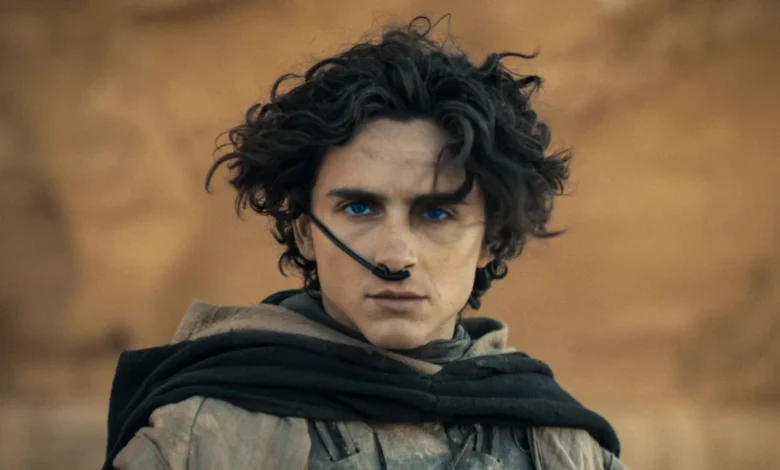
For decades, Frank Herbert’s monumental 1965 science fiction masterpiece, Dune, held a notorious reputation in Hollywood as an unadaptable piece of literature. Spanning 658 pages in its original printing, the novel presented an intricate web of feudal interplanetary politics, ecological systems, religious prophecy, and profound philosophical inquiry. Its dense terminology and sprawling narrative scope routinely overwhelmed filmmakers who attempted to translate its visionary prose to the visual medium. Yet, following multiple stalled attempts and mixed cinematic milestones, the modern era has definitively broken the psychological barrier surrounding the property, transforming a once-dreaded intellectual property into one of contemporary cinema’s most lucrative and critically acclaimed franchises.
The Evolution of an Impossible Adaptation: A Chronological Overview
The journey of bringing Dune to the screen has been fraught with ambitious failures and visionary gambles, stretching back nearly as far as the novel’s publication history.
In the early 1970s, French-Chilean auteur Alejandro Jodorowsky attempted the first major adaptation, envisioning a colossal, 14-hour cinematic experience featuring a star-studded, eccentric cast including Salvador Dalí, Orson Welles, and Mick Jagger, with music by Pink Floyd. Although never realized due to insurmountable financial constraints and industry resistance, Jodorowsky’s aborted pre-production heavily influenced the visual landscape of modern science fiction, as chronicled in the 2013 documentary Jodorowsky’s Dune.
A decade later, Dino De Laurentiis acquired the rights, initially hiring Ridley Potter to direct before ultimately handing the reins to David Lynch. Released in 1984, Lynch’s feature film arrived with high expectations and a substantial budget. However, the studio heavily interfered with the final cut, resulting in a theatrical release that relied on confusing voiceover narration, rushed pacing, and cheap-looking special effects that failed to capture the grandeur of Herbert’s universe. Despite Lynch harboring intentions to launch a sprawling franchise—complete with plans to adapt Dune Messiah—the 1984 film was a critical and commercial disappointment, with some contemporary critics labeling it the worst film of the year.
Twenty years later, the landscape shifted to television. In 2000, the Sci-Fi Channel (now Syfy) produced a live-action miniseries directed by John Harrison. Benefiting from the serialized television format, the miniseries offered a far more faithful adaptation of the original text, honoring the complex narrative arcs that Lynch had excised. Nevertheless, constrained by television budgets and production values, the project lacked the cinematic spectacle demanded by the source material. Furthermore, critics pointed out that the runtime dragged significantly, bogged down by heavy exposition designed to explain the novel’s labyrinthine political systems.

The Turning Point: The Cinematic Formula for Success
As the cinematic successes of major literary adaptations like The Lord of the Rings and Harry Potter proved throughout the 2000s, sprawling fantasy and science fiction epics could achieve both massive financial returns and critical reverence. The formula required adequate financial backing, a visionary director with absolute creative control, and a structural willingness to respect the source material without trying to cram a multi-layered sociological text into a standard two-hour runtime.
Enter Canadian filmmaker Denis Villeneuve, whose lifelong passion for the novel culminated in a deal with Legendary Entertainment and Warner Bros. Recognizing the fatal flaw of his predecessors—who attempted to compress the entire narrative into a single feature—Villeneuve insisted on splitting the first novel into a two-part cinematic event. This foundational creative decision allowed the first film to breathe, establishing the unique aesthetics, cultures, and geopolitical stakes of the desert planet Arrakis without rushing through exposition.
Anatomy of Success: Why Dune: Part One and Part Two Resonated
Released in October 2021 amidst a cautious global box office recovery from the COVID-19 pandemic, Dune: Part One defied industry skepticism. It grossed $41 million during its domestic opening weekend, marking the highest opening figure for a Warner Bros. hybrid theatrical and streaming release of that era. Globally, the film went on to gross over $402 million, securing ten Academy Award nominations and winning six, including technical triumphs in cinematography, original score, visual effects, and sound design.
Industry analysts attribute the success of Villeneuve’s adaptation to its streamlined handling of complex political and economic themes. While Herbert’s novel explores deep ecological and messianic anxieties, the film effectively draws direct parallels between the universe’s most precious resource—"spice" (melange)—and the geopolitics of terrestrial oil.
From its opening moments, the film anchors its perspective not merely through the eyes of the young aristocrat Paul Atreides, but through the lived trauma of Chani, a member of the indigenous Fremen people. Her opening monologue introduces audiences to the legacy of imperial extraction, establishing the oppressive history left behind by the House Harkonnen. This narrative framing shifts the audience’s emotional weight from a traditional hero’s journey to a critical examination of savior complexes and colonial cycles—a thematic nuance that sparked extensive critical discourse regarding the moral ambiguity of Paul Atreides’ ascension.
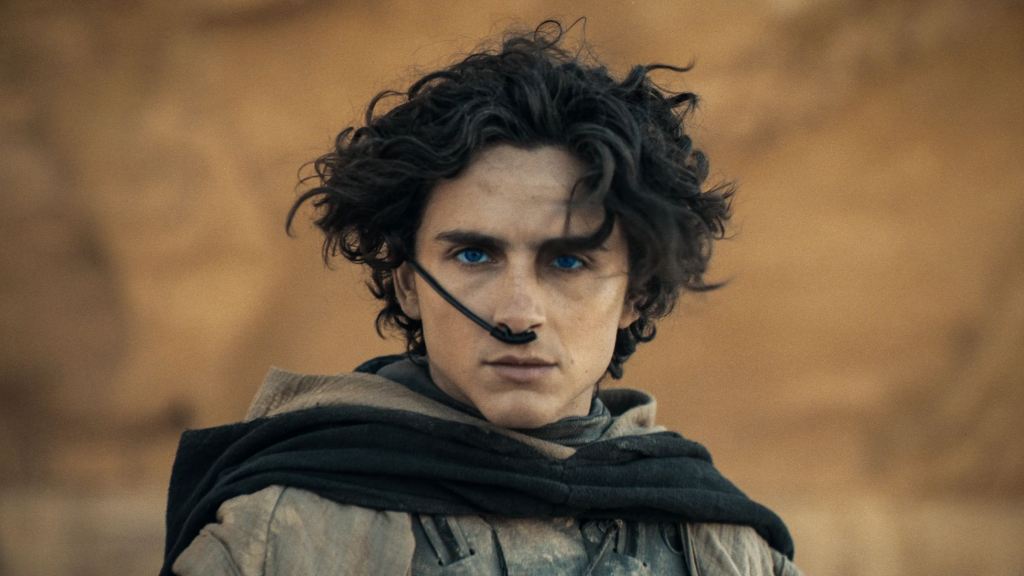
The casting choices further solidified the franchise’s cultural footprint. Timothée Chalamet embodied the internal conflict and vulnerability of Paul Atreides, supported by an ensemble cast featuring Rebecca Ferguson as Lady Jessica, Oscar Isaac as Duke Leto Atreides, Zendaya as Chani, and Jason Momoa as Duncan Idaho. The subsequent installment, Dune: Part Two, expanded this prestige roster with the additions of Austin Butler as the terrifying antagonist Feyd-Rautha Harkonnen and Florence Pugh as Princess Irulan, driving the global box office past the $700 million mark.
Broader Implications and the Future of the Franchise
The triumph of the modern Dune adaptations marks a significant paradigm shift in Hollywood’s approach to intellectual property management. By treating dense science fiction with the dramatic gravity typically reserved for historical epics or prestige television, Villeneuve demonstrated that contemporary audiences possess an appetite for high-concept, intellectually demanding narratives provided they are executed with uncompromising artistic vision.
Furthermore, the commercial viability of the Dune franchise has established a new benchmark for Warner Bros. and Legendary, proving that theatrical event cinema can thrive alongside streaming ecosystems. As the industry prepares for the culmination of this cinematic arc with the planned release of Dune: Part Three—adapting Herbert’s Dune Messiah—the cultural landscape of science fiction has been permanently reshaped.
The historical stigma of the "Dune curse" has been thoroughly dismantled. With critical acclaim, robust box office returns, and sustained popular discourse, the franchise stands as a defining cinematic achievement of the 2020s, cementing Frank Herbert’s universe as a cornerstone of modern pop culture.