Immediate Impact and Attendee Logistics
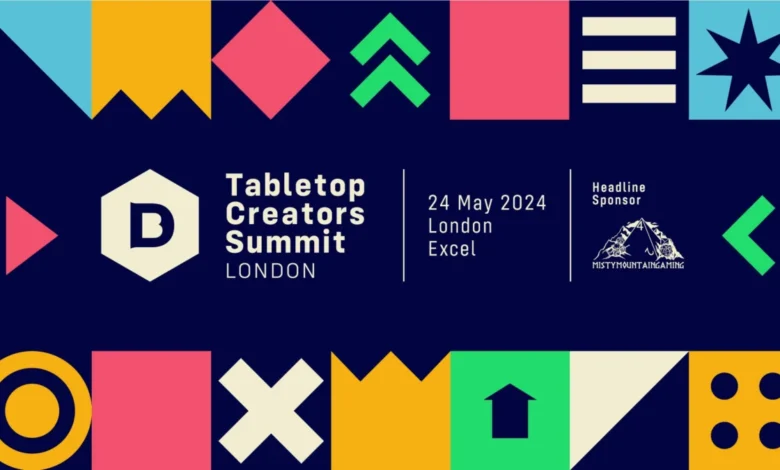
The cancellation of the Tabletop Creators Summit London 2024 leaves a void in the professional calendar for creators, publishers, and designers who had planned to convene at the ExCeL London. For those who were registered to attend the event, the organizers have moved to mitigate the disruption by offering alternative access to the broader MCM Comic Con programming.
According to the official communication, all registered summit attendees have been issued a pass for MCM Comic Con for Friday, May 24th. The organizers have clarified that these passes remain valid for those who still wish to attend the convention, providing access to the show floor and the wider fan-facing activities. Attendees are instructed to collect these passes from the Industry Desk located at the West Entrance of the ExCeL. While this provides a venue for networking, it does not replace the specialized, creator-focused programming that the summit was designed to provide.
Contextual Background of the Summit
The Tabletop Creators Summit was established to address the growing demand for dedicated professional space within the booming tabletop industry. In recent years, the market for board games and TTRPGs has seen exponential growth, driven by a surge in crowdfunding campaigns, the rise of digital tools for remote play, and the mainstreaming of hobbyist culture.
Events like this summit serve as vital nodes in a decentralized industry. They offer a unique environment where freelance illustrators, game mechanics designers, writers, and small-scale publishers can engage in technical workshops, pitch sessions with distributors, and legal seminars regarding intellectual property—a growing concern in an era of AI-generated content and complex licensing agreements. The loss of this event represents a lost opportunity for professional development, particularly for smaller creators who rely on such gatherings to secure the partnerships necessary for bringing projects to market.
Chronology of the Cancellation
The timeline of the event’s development and subsequent dissolution highlights the volatility of event planning in the post-pandemic era. Initial planning for the 2024 iteration began in late 2023, with the goal of building upon the foundational success of previous gatherings. As the tabletop industry navigated economic headwinds—including rising paper and logistics costs—the summit was marketed as a necessary forum for navigating these fiscal challenges.
However, in the weeks leading up to the scheduled date in May, concerns began to circulate regarding the logistics of the event. The final confirmation of the cancellation arrived with little lead time, catching many industry participants by surprise. The decision to integrate the remaining attendees into the MCM Comic Con framework suggests that the decision to cancel was made with the aim of honoring existing contractual obligations with venue partners while minimizing the total loss for the registrants.
Supporting Data and Industry Trends
The tabletop gaming sector has been undergoing a period of intense transformation. Data from industry analysts suggests that while the "Golden Age" of board gaming continues, the retail environment has become increasingly crowded. According to recent market reports, the global board games market size was valued at approximately $14 billion in 2023 and is projected to grow at a compound annual growth rate (CAGR) of over 7% through 2030.
Despite this growth, the professional ecosystem remains fragile. The number of new Kickstarter campaigns for tabletop games has remained high, but the competition for consumer attention is fierce. Creators who participate in summits like the one in London often rely on the collective wisdom of their peers to manage supply chain logistics and marketing strategies. The sudden cancellation deprives the London-based contingent of the industry of a centralized venue to discuss these macro-economic trends.
Analysis of Implications for the Creator Community
The cancellation of such a high-profile industry gathering carries broader implications. Firstly, it disrupts the "B2B" (business-to-business) pipeline. Many designers attend these summits specifically to secure contracts with established publishers or to find printing partners. Without these face-to-face interactions, the barrier to entry for new creators increases.
Secondly, there is the psychological impact on the community. Professional gatherings are essential for fostering a sense of cohesion within an industry that is largely remote and freelance-heavy. The loss of a physical meeting place limits the informal "water-cooler" discussions that often lead to collaborative projects or the identification of industry-wide problems, such as the need for standardized safety protocols or unionization efforts within the tabletop design sphere.
Industry observers note that as costs for hosting large-scale events rise—due to inflation, labor costs, and venue insurance—the viability of boutique, creator-focused summits is being tested. Organizers must balance the high costs of specialized workshops against the limited revenue streams provided by ticket sales and sponsorships.
Official Responses and Future Outlook
While the organizers have apologized for the "unforeseen circumstances" and the short notice provided, they have not yet issued a detailed statement regarding the specific nature of the disruption. In the corporate world, such vague terminology usually points toward a combination of financial difficulties, logistical failure, or a sudden change in management strategy.
For the attendees, the focus has now shifted to the upcoming MCM Comic Con. The industry desk at the West Entrance of the ExCeL will serve as the final point of contact for those affected. As the community moves forward, questions remain about whether a successor event will be planned for the 2025 calendar year or if the current economic climate will necessitate a shift toward purely digital summits or smaller, regional meetups.
The organizers’ decision to keep the MCM Comic Con passes valid is a standard procedure in the events industry to satisfy consumer protection requirements and maintain goodwill. However, the loss of the summit’s specific intellectual content remains an unrecoverable deficit for the 2024 season.
Looking Ahead: The Evolution of Professional Gatherings
The future of professional tabletop gaming summits likely hinges on the industry’s ability to adapt to a hybrid model. As the cost of travel and venue rental continues to fluctuate, many industry leaders are exploring decentralized, virtual-first summits that can reach a global audience without the overhead of physical real estate in high-cost cities like London.
The Tabletop Creators Summit London 2024, in its failure, serves as a case study for the risks inherent in the current event landscape. For now, the tabletop design community must pivot toward alternative networking channels, such as digital forums, specialized discord servers, and larger trade shows like Essen Spiel in Germany, which remains the global benchmark for the industry.
While the cancellation is undoubtedly a setback for those who had prepared pitches, prototypes, and presentations, the resilience of the tabletop gaming community suggests that the creative work will continue regardless of the state of the events calendar. Creators are currently taking to social media to coordinate informal meetups during the time they would have spent at the summit, proving that the desire for connection within the industry remains strong despite the loss of the formal event.
In summary, the cancellation of the Tabletop Creators Summit London 2024 is a disappointment, but it reflects the complex realities of modern event management. As the industry processes the news, the focus will inevitably turn toward future opportunities to gather and share the innovations that continue to define the tabletop gaming hobby. The industry remains robust, and the spirit of collaboration that the summit intended to foster will likely find expression in other venues and digital platforms throughout the remainder of the year.
Related posts: