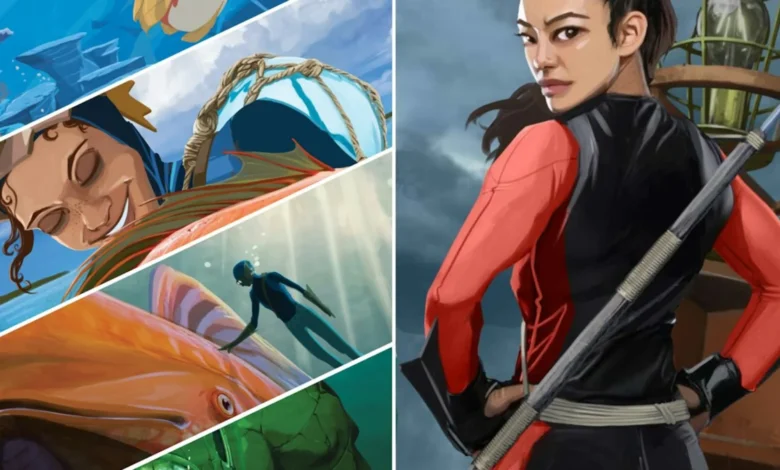
The tabletop gaming landscape is preparing for the arrival of Bow, an atmospheric solo and duet-journaling roleplaying game that draws its aesthetic and thematic inspiration from the tranquil exploration of the video game Abzu and the evocative, nature-focused animation style of Studio Ghibli. Developed by Hatchlings Games, the title invites players to step into the role of freedivers participating in the prestigious Shoaling Festival, a narrative-driven competition set within a vast, vibrant, and mysterious oceanic world.
The game is built upon the Carta system, a mechanics framework pioneered by Peach Garden Games, which utilizes a standard deck of playing cards to generate narrative progression. As players navigate the depths of a pristine sea, they must traverse a series of challenges while uncovering relics from a bygone era, all while balancing the pressure of a race against rivals. With a crowdfunding campaign scheduled to launch on Backerkit on May 31, the title represents a growing segment of the hobbyist market that prioritizes meditative, low-stress gameplay experiences over traditional combat-heavy RPG tropes.
The Creative Genesis of a Deep-Sea Odyssey
The conceptual framework for Bow originated from a desire to capture the "awe and wonder" associated with marine exploration. By citing the 2016 indie title Abzu—a game widely praised for its wordless, immersive storytelling and focus on fluid movement—Hatchlings Games has signaled a commitment to visual and emotional world-building.
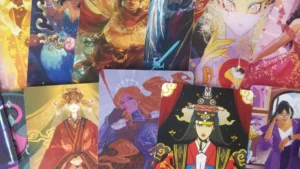
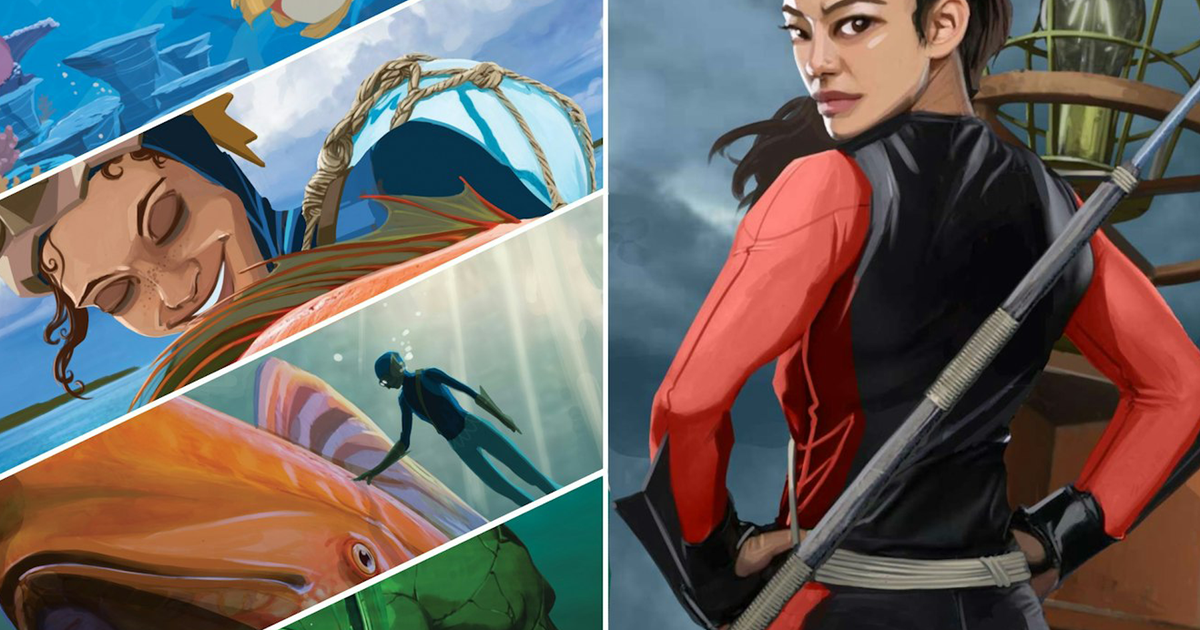
The visual identity of Bow is arguably its most distinct feature. The rulebook features original artwork by contributors WillowsQuest and Alex Connolly, who have explicitly channeled the artistic sensibilities of Studio Ghibli films. Specifically, the team points to the sweeping, high-detail seascapes of Porco Rosso and the environmental themes central to Nausicaä of the Valley of the Wind. This stylistic choice is not merely cosmetic; it is intended to ground the player in a world that feels both ancient and alive. By adopting a "Ghibli-esque" aesthetic, the game bridges the gap between traditional pen-and-paper storytelling and the visual richness of high-end animation, appealing to a demographic that values art-forward tabletop products.
Mechanics and Gameplay: The Carta System
At the heart of Bow lies the Carta engine, a system that relies on spatial reasoning and card-based randomization. Players arrange a 24-card deck into a six-by-four grid, creating a physical map of the ocean floor that must be traversed. Each card suit corresponds to a specific category of challenge, ranging from environmental hazards to social or competitive interactions with other divers participating in the Shoaling Festival.
The gameplay loop is structured around a central objective: reaching four distinct navigational markers hidden within the grid. The "race" element is managed by the card deck, where the suits act as surrogates for opposing competitors. This adds a layer of strategic tension, as players must navigate the grid while ensuring they secure "Old-World relics"—key items required to complete their journey and ensure the prosperity of their community. Victory is predicated on the player’s ability to locate four aces within the deck, a mechanic that introduces a layer of controlled randomness, ensuring that no two sessions follow the same narrative trajectory.
Contextualizing the Solo RPG Renaissance
Bow enters the market at a time when the solo RPG genre is experiencing an unprecedented surge in popularity. Historically, tabletop gaming was viewed as a strictly social, group-oriented activity. However, the last five years have seen a paradigm shift, driven in part by the global pandemic, which necessitated remote or isolated play.
Data from the tabletop crowdfunding sector suggests that solo-capable RPGs, or "journalling games," now constitute a significant portion of successful Kickstarter and Backerkit campaigns. These games often function as a form of "creative writing prompts," allowing players to engage in world-building without the need for a dedicated Game Master or a consistent group of players. By focusing on the journalling aspect—where players document their character’s experiences in a log or diary—Bow offers a therapeutic and reflective outlet that distinguishes it from the more tactical, number-crunching nature of traditional systems like Dungeons & Dragons or Pathfinder.
Hatchlings Games and the Studio Ghibli Influence
Hatchlings Games has cultivated a niche reputation for creating games that emphasize empathy, education, and artistic integrity. Bow is not the developer’s first foray into this thematic space. The studio previously released Dragon Dowser, another solo RPG that leaned heavily into the whimsical and nature-reverent tones associated with Ghibli-style narratives.

Beyond their fantasy-oriented projects, the studio has demonstrated a commitment to broader social utility. Their game Inspirisles, for instance, serves as a dual-purpose product: a tabletop RPG that simultaneously acts as a learning tool for British and American Sign Language. This track record suggests that Bow is not merely a stylistic exercise but a continuation of the studio’s philosophy that tabletop gaming can be a vehicle for artistic expression and social connectivity. By choosing to launch on Backerkit, Hatchlings Games is leveraging a platform that has become the industry standard for independent designers looking to bypass traditional distribution hurdles and connect directly with their target audience.
Chronology and Crowdfunding Strategy
The development cycle for Bow has been characterized by a lean, community-focused approach. Following the initial design phase, the developers moved into the artwork commissioning process, ensuring that the visual tone matched the gameplay mechanics. The upcoming Backerkit launch on May 31 represents the final hurdle before production.
- Initial Concept: Hatchlings Games identifies the intersection between the Abzu-inspired exploration mechanics and the Studio Ghibli aesthetic.
- Design and Playtesting: Utilizing the Carta system, the developers refine the grid-based movement and the ace-hunting win condition.
- Art Commission: WillowsQuest and Alex Connolly are brought on to establish the game’s visual identity.
- Public Announcement: Initial details are shared with the gaming press, highlighting the blend of solo and duet gameplay.
- May 31, 2024: The crowdfunding campaign goes live on Backerkit, allowing supporters to pre-order physical rulebooks and digital assets.
Fact-Based Analysis: Implications for the Industry
The emergence of games like Bow indicates a broader diversification of the tabletop RPG market. As the industry moves away from a "one-size-fits-all" model, smaller publishers are finding success by catering to specific aesthetic and emotional niches. The reliance on the Carta system is particularly significant; it represents a move toward "system-agnostic" or "engine-based" development, where creators can license established, well-tested mechanics to focus their energy on narrative content and art.
Furthermore, the "solo/duet" format represents a low barrier to entry for new players who might find the complexity of traditional RPGs intimidating. By simplifying the technical requirements and focusing on the narrative experience, Hatchlings Games is effectively expanding the hobby’s demographic reach. If Bow succeeds in its crowdfunding goals, it will likely provide further validation for the viability of "meditative" gaming as a sustainable sub-genre within the tabletop space.
The success of the upcoming campaign will be measured not only by the funds raised but by the community’s reception to the game’s unique blend of mechanics and environmental storytelling. Given the developer’s prior success with titles like Dragon Dowser, there is an expectation of high production quality and a cohesive, evocative rulebook. As the tabletop sector continues to evolve, Bow stands as a case study in how independent developers can leverage existing mechanical frameworks to create deeply personal, visually arresting, and accessible gaming experiences that challenge the industry’s traditional definitions of what a roleplaying game should be.