Capcom addresses player feedback on Monster Hunter Wilds difficulty and prepares for the upcoming Ascendance expansion

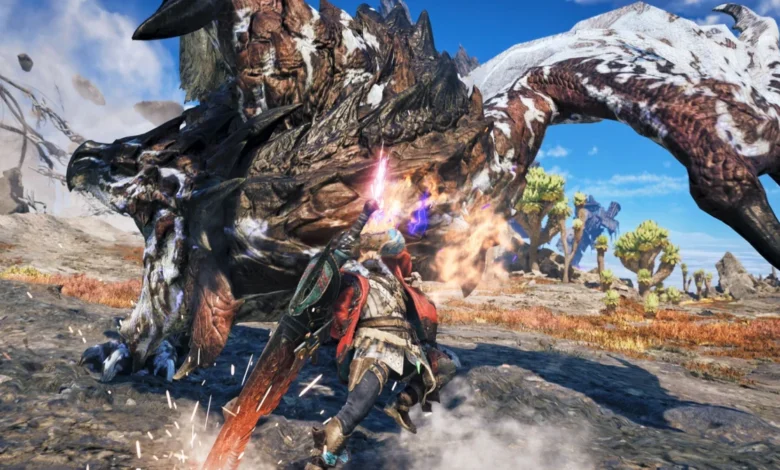
The discourse surrounding the Monster Hunter franchise has shifted significantly since the release of Monster Hunter Wilds, moving from initial technical performance concerns on PC to a nuanced debate regarding the game’s baseline difficulty curve. While the base experience was designed to be accessible to a broad, expanding player base, a segment of the community argued that the game lacked the punishing friction traditionally associated with the series. In response to this feedback, Capcom has begun outlining its strategy for the upcoming expansion, Monster Hunter Wilds: Ascendance, which aims to reconcile the needs of newer players with the expectations of veteran hunters.
The Evolution of Difficulty in Monster Hunter
To understand the current tension, one must examine the trajectory of the series since the 2018 release of Monster Hunter: World. That title served as a watershed moment for the franchise, successfully transitioning from a niche Japanese phenomenon into a global blockbuster. By streamlining mechanics and offering a more intuitive entry point, Capcom grew the audience exponentially. However, this shift brought to light a recurring design challenge: maintaining a difficulty curve that is welcoming enough to prevent early player attrition while remaining robust enough to satisfy long-term fans.
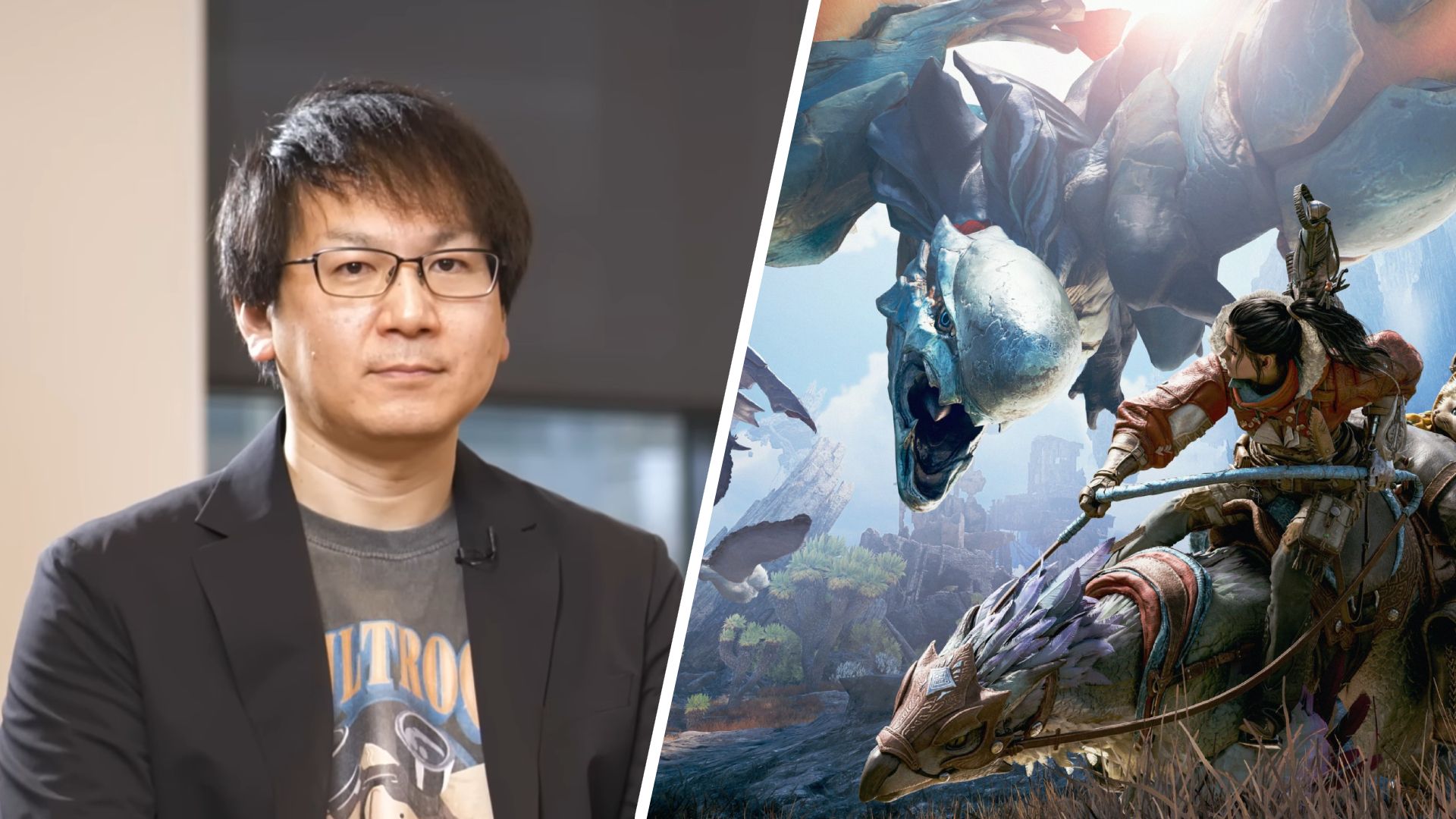
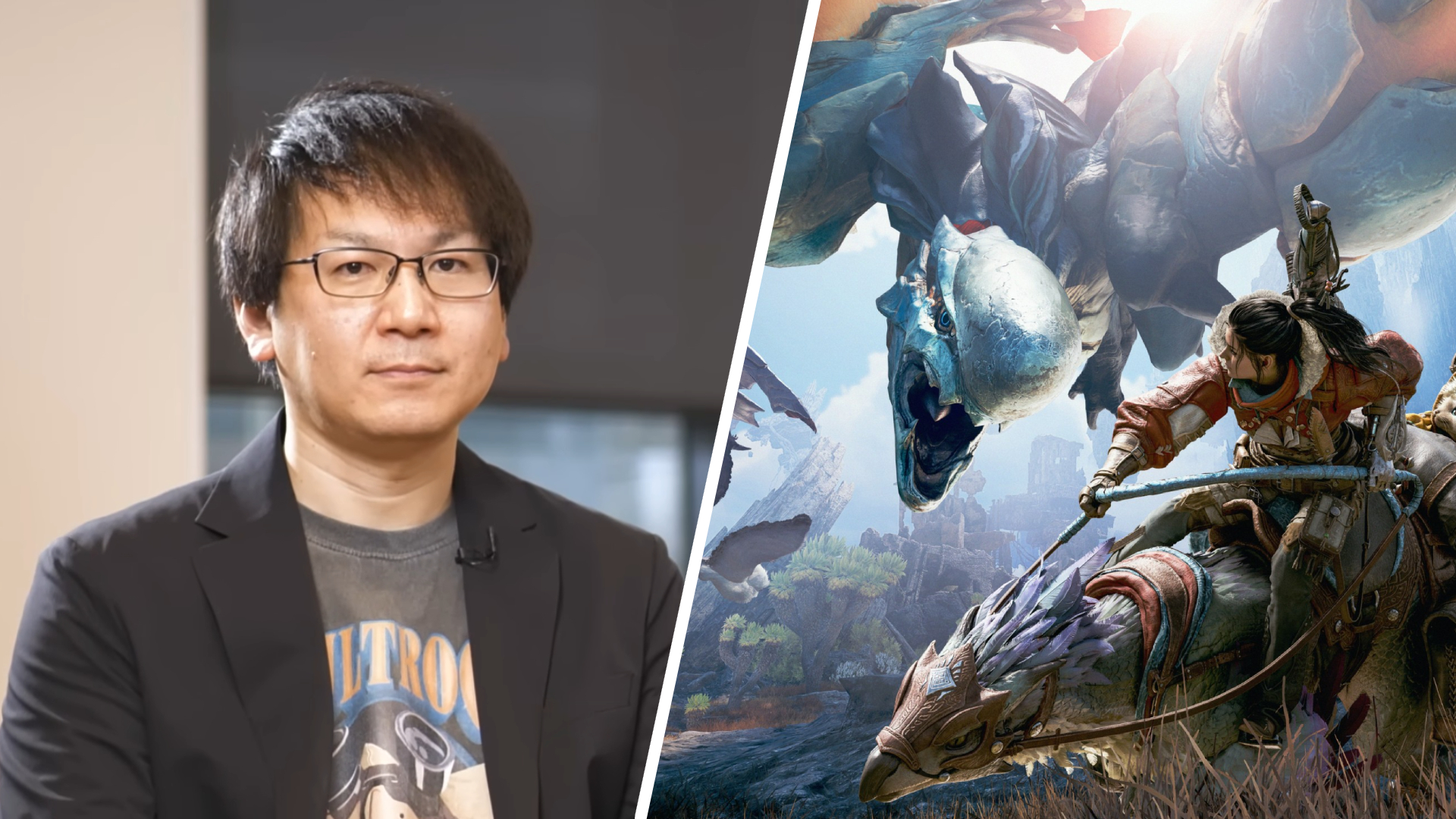
Director Takuro Hiraoka, speaking at this year’s Tokyo Game Show, acknowledged that the studio viewed the early-game drop-off rates in previous titles as a critical issue to solve. "We’ve grown the audience greatly since Monster Hunter: World, and that was a game where a lot of players dropped off before finishing the story because it got too hard too quickly," Hiraoka noted. Consequently, the base game of Monster Hunter Wilds was intentionally tuned to ensure that the primary narrative experience remained achievable for a wider demographic.
A Disconnect in Player Expectations
The conflict emerged when the initial community consensus labeled the base game a "sleepwalk." As Capcom deployed post-launch updates designed to increase the threat level of various monsters, the reception was mixed. Many players felt that the adjustments were superficial, relying on numerical increases to monster damage and health pools—a method often criticized as an "inelegant" way to manufacture difficulty.
This frustration highlights a fundamental shift in the player base. The intervening years between major franchise installments have seen a rise in the average skill level of the community. Players who cut their teeth on the post-launch content of World or the intense challenges of Rise and Sunbreak arrived at Wilds with a higher baseline of mechanical competency. As Hiraoka admitted, "We had a bit of a gap in expectations. Maybe players got better than we expected in the intervening years."
Strategic Design for the Ascendance Expansion
Looking toward the 2027 release of the Ascendance expansion, Capcom is refining its approach to accommodate this vocal, skill-oriented demographic. The studio’s stated objective is to create a multi-tiered difficulty experience. The base narrative of the expansion will continue to prioritize accessibility to ensure players see the content they have paid for, while the endgame systems are being overhauled to provide the sophisticated challenges veteran players crave.
"We expect that if you purchase the DLC, you’re going to want to see as much of the story that we’ve presented as possible," Hiraoka explained. "But for players who want to go far beyond and have the really toughest challenges, we expect that the endgame loop is what really satisfies their needs." This dual-track design philosophy represents a pivot from the "one-size-fits-all" difficulty settings that characterized the initial post-launch patches.
Mechanics and the Role of the Boost Bracer
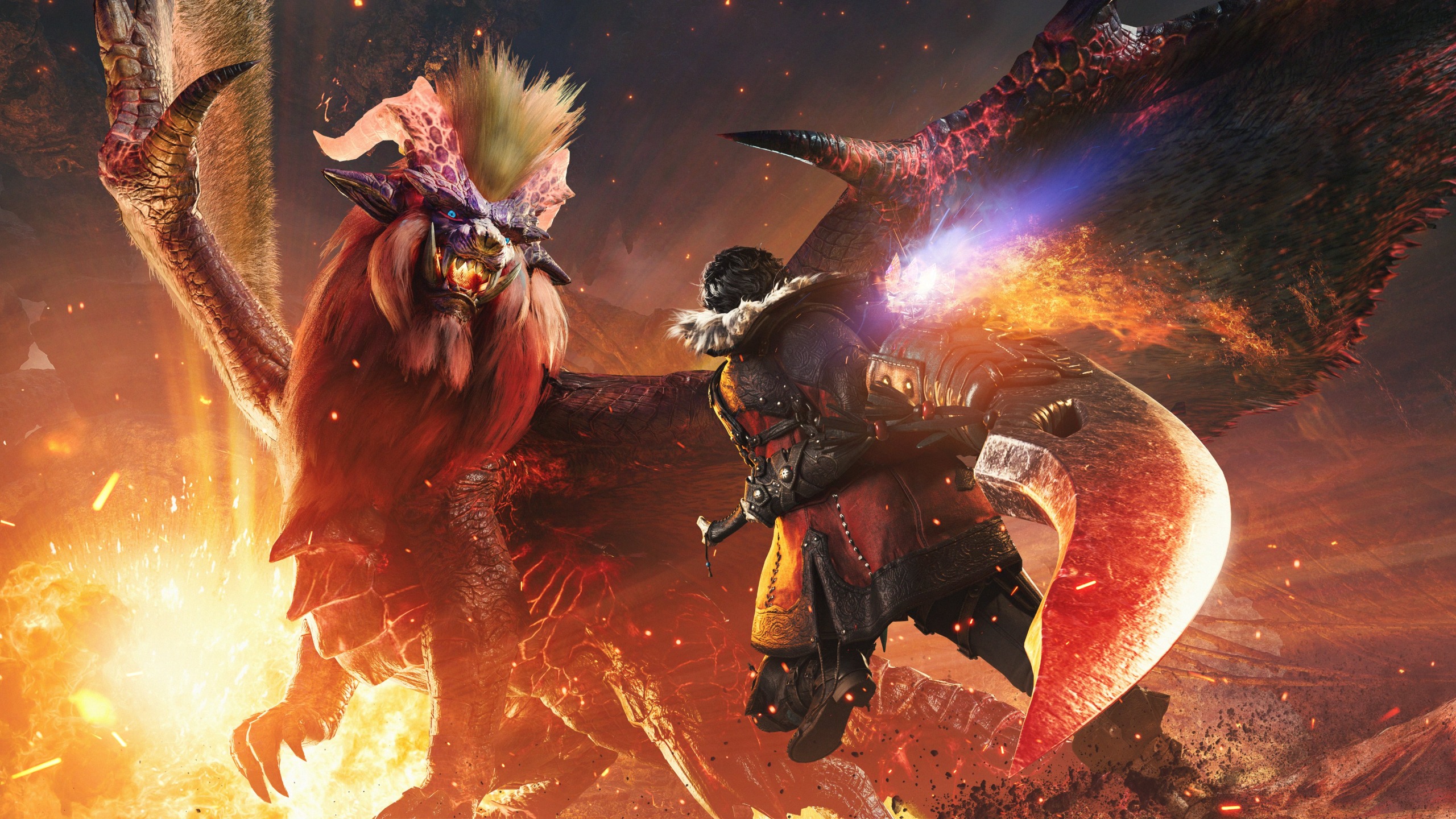
A significant portion of the recent marketing for Ascendance has focused on the introduction of the "Boost Bracer," a new mechanical layer that allows for more aggressive hunter output. Initial community analysis of promotional footage suggested that these tools might trivialize combat, effectively allowing hunters to overwhelm monsters with constant, high-damage windows.
Hiraoka moved to clarify the function of these mechanics, noting that the promotional clips were intentionally edited to emphasize the "impact" of the moves rather than the realistic flow of a hunt. In practice, the Boost Bracer acts as a resource-management tool rather than a constant state of power. "There is a cadence to it," he explained. "The player is building a gauge, keeping an eye on how many charges they have, and deciding when they want to bust out those actions." By placing the responsibility of usage on the player, Capcom intends to reward tactical decision-making rather than mindless aggression.
The Broader Impact on the Monster Hunter Ecosystem
The implications of this feedback loop extend beyond a single game. As a "live service" adjacent franchise, Monster Hunter relies heavily on community engagement to maintain its longevity. The studio’s willingness to address the gap between developer intent and player performance suggests a maturing relationship between Capcom and its audience.
For the industry at large, the situation at Capcom serves as a case study in the difficulties of scaling high-challenge games. When a series builds a reputation on difficulty, it inherently creates a "skill ceiling" issue. If developers tune the game for the top 5% of players, they risk alienating the casual audience that sustains the game’s commercial viability. If they tune it for the bottom 50%, they risk losing the core community that provides the game’s cultural staying power.
Looking Ahead: The 2027 Roadmap
As anticipation builds for the 2027 launch of Ascendance, the focus will likely remain on whether these systemic changes can effectively satisfy both ends of the spectrum. The current development cycle at Capcom involves balancing the desire to keep the barrier to entry low while ensuring that the endgame provides the "mastery" experience that fans have come to expect.
The transition from the base game of Wilds to the expansion will be a critical test. If the endgame content succeeds in offering meaningful, mechanical complexity—rather than simply inflating damage numbers—it could set a new standard for how the series handles long-term engagement. For now, players can monitor the ongoing updates to the base game as a preview of the studio’s evolving design philosophy. The Steam page for the expansion is already active, allowing players to begin the long wait for a release that promises to redefine the boundaries of the current Monster Hunter era.
In summary, Capcom is currently engaged in a delicate act of reconciliation. By acknowledging the discrepancy between their initial design targets and the actual proficiency of their player base, they are positioning the Ascendance expansion as a corrective measure. The goal is no longer just to keep players playing, but to ensure that the experience of playing—regardless of the player’s skill level—is perceived as intentional, fair, and ultimately rewarding. Whether this strategy will succeed in bridging the divide remains to be seen, but the transparency regarding the challenges of game balancing is a notable step forward for the development team.