Grand Theft Auto 6 Censorship in Japan Sparks Global Discussion Over Regional Content Compliance and Localization Standards

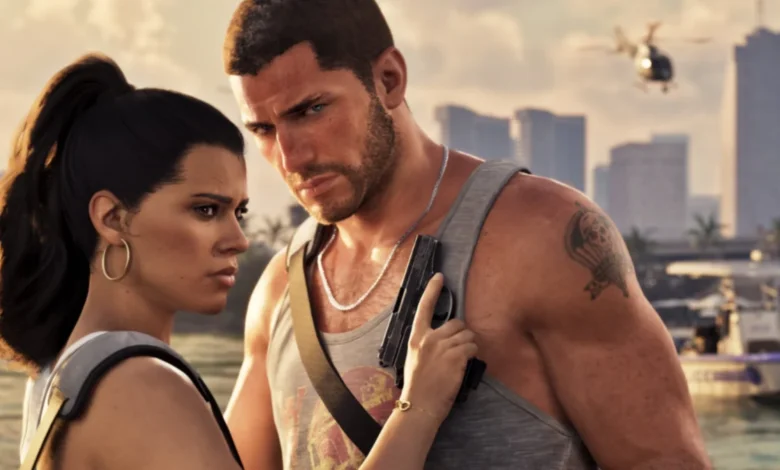
As Grand Theft Auto 6 rolls out to eager millions across the globe, early adopters in Japan have discovered distinct regional alterations within Rockstar Games’ sprawling crime epic. While players in regions such as New Zealand, South Korea, and North America experience the open-world title in its unedited form, the Japanese release features notable modifications to character models, specifically concerning male nudity. Social media documentation from Japanese players reveals that male characters, including protagonist Jason during shower sequences and various non-player characters (NPCs) in cutscenes, are digitally outfitted with a thin black thong rather than appearing completely naked as they do in international builds.
This regional adjustment confirms prior suspicions raised by industry analysts and gaming communities prior to launch. Weeks before the official release, data miners and observant consumers noted that the Japanese age-rating board’s classification profile omitted specific references to "sexual content" that were explicitly documented by equivalents like the Entertainment Software Rating Board (ESRB) in North America and Pan European Game Information (PEGI) in Europe. Furthermore, technical analysis of pre-load data indicated that the Japanese version of the game possessed a noticeably smaller install size, hinting at removed or compressed assets tailored to meet local compliance frameworks.
Historical Context of Regional Censorship in Japanese Gaming
Japan’s Computer Entertainment Rating Organization (CERO) maintains stringent guidelines regarding explicit content, violence, and sexual depictions in interactive media. While the country has a long history of localized edits for imported video games, Western blockbuster releases often require significant overhauls to secure the necessary CERO ratings for commercial distribution on major console platforms.
Rockstar Games is no stranger to navigating Japan’s rigorous regulatory environment. During the release of Grand Theft Auto V, developers were compelled to remove the game’s infamous, interactive torture sequence to secure CERO approval. Similarly, other critical and commercial successes distributed in the region—such as CD Projekt Red’s The Witcher 3: Wild Hunt and Larian Studios’ Baldur’s Gate 3—underwent varying degrees of visual censorship, muting or obscuring explicit scenes to align with local sensibilities and legal standards.
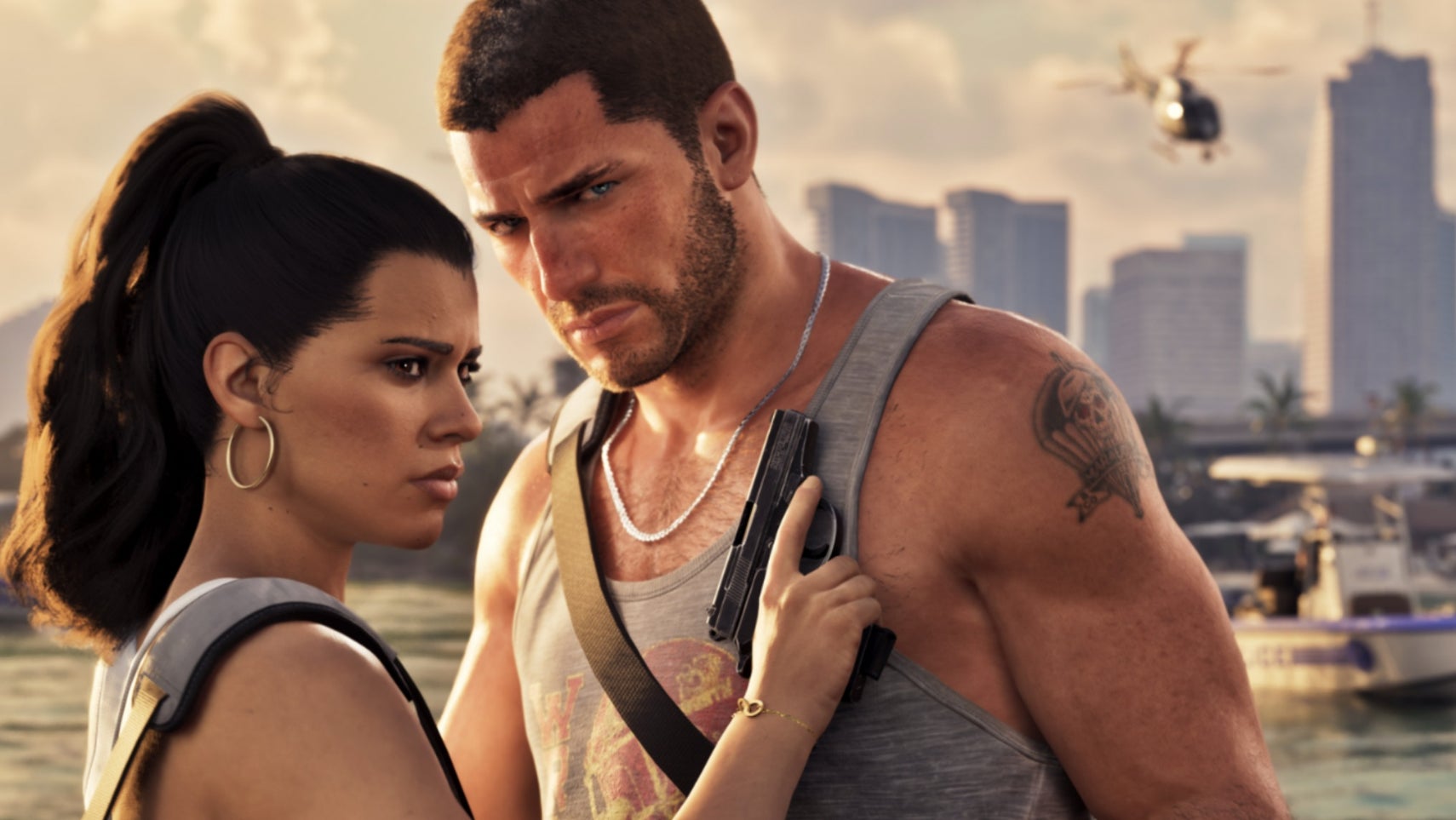
The implementation of the black thong on male characters in Grand Theft Auto 6 represents a continuation of this localization balancing act. Rather than banning the title outright or demanding extensive narrative rewrites, CERO standards appear to tolerate the presence of adult themes provided explicit anatomical details are visually mitigated. This approach allows Japanese consumers access to high-profile Western entertainment while preserving compliance with domestic broadcast and retail ethics.
Industry Reactions and Community Response
The revelation of the localized alterations quickly circulated across international gaming forums and social media networks, including X (formerly Twitter) and Reddit. While some international players expressed amusement at the digital undergarments, viewing the censorship as an incongruous element in a game renowned for its gritty realism, local players largely regarded the change as an expected bureaucratic formality necessary for domestic distribution.
The discussion surrounding Grand Theft Auto 6 adds to a broader conversation regarding globalized digital distribution versus localized physical and digital storefronts. In an era where day-one global patches and synchronized worldwide launches are becoming the industry standard, regional content branching remains a logistical challenge for major publishers. Ensuring that a title adheres to the legal requirements of dozens of distinct international jurisdictions requires meticulous asset management, which can occasionally lead to discrepancies in file sizes and on-screen content.
Broader Launch Metrics and Gameplay Mechanics
Beyond localization queries, Grand Theft Auto 6 has dominated the entertainment landscape since its initial availability. The title shattered digital platform metrics ahead of its release, temporarily overwhelming online communities like Reddit and breaking concurrent viewership records across streaming ecosystems including YouTube and Twitch.
Reviewers have praised the game’s unprecedented scale and meticulous attention to detail. In Eurogamer’s critical evaluation, the open-world design was lauded as a triumph of technical ambition and narrative depth, describing the experience as an intricate balance of cinematic scope, detailed environmental design, and classic open-world freedom.

However, release-day discoveries have also highlighted several polarizing design choices implemented by Rockstar Games. Players quickly noted that traditional mechanics, such as the ability to replay completed missions or activate cheat codes prior to finishing the primary campaign narrative, have been withheld until the conclusion of the main story arc. These decisions reflect a deliberate design philosophy aimed at encouraging linear progression through the narrative before allowing systemic experimentation.
Implications for Future Open-World Releases
The situation surrounding Grand Theft Auto 6 in Japan underscores the ongoing complexities of global game development and publishing compliance. As video games continue to push graphical boundaries and cinematic fidelity, the gap between what is permissible in Western markets and Asian regulatory environments may widen, necessitating sophisticated asset-branching strategies from developers.
For Rockstar Games, the minor visual adjustments in the Japanese build have done little to stifle commercial momentum. The title remains a monumental financial and cultural success, proving that while regional variations may alter minor aesthetic details, the overarching appeal of the franchise transcends geographic and regulatory boundaries. As players continue to delve deeper into the fictional state of Leonida, further insights into regional localization differences and hidden content will likely emerge, shedding additional light on how modern blockbusters adapt to a fractured global marketplace.
Related posts: