Bringing Bloodborne back is tricky because “there’s a lot of involved rights associated,” according to former PlayStation boss

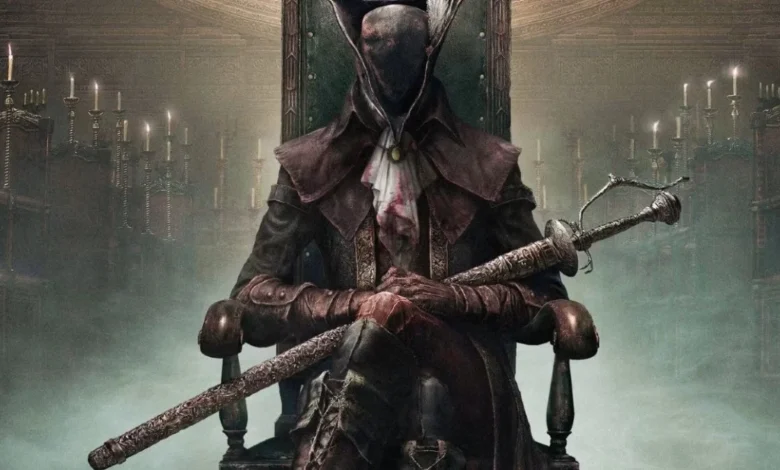
Nearly a decade after its initial release on the PlayStation 4, FromSoftware’s gothic-horror masterpiece Bloodborne continues to command a fiercely dedicated community that routinely demands a sequel, a remaster, or at the very least, a native current-generation patch. Yet, despite the unrelenting enthusiasm of its player base and consistently stable sales numbers years after its debut, the franchise remains frustratingly dormant. As years pass with no official word from Sony Interactive Entertainment or developer FromSoftware, former PlayStation executive Shawn Layden has finally shed light on the structural roadblocks preventing the return to Yharnam, pointing to a labyrinthine corporate rights structure that complicates any potential revival.
The Genesis and Legacy of a Modern Classic
Released in March 2015, Bloodborne was developed by FromSoftware under the creative direction of Hidetaka Miyazaki, who had already established his directorial prowess with Demon’s Souls and the first two entries of the Dark Souls series. Funded and published by Sony Computer Entertainment (now Sony Interactive Entertainment), the game traded the high-fantasy medieval aesthetics of its predecessors for a visceral, Victorian-inspired nightmare steeped in cosmic horror, influenced by the works of H.P. Lovecraft.
Featuring aggressive, fast-paced combat that rewarded risk-taking and a deeply layered narrative centered around the worship of otherworldly entities known as Great Ones, Bloodborne was a critical and commercial triumph. It currently holds a stellar 92 aggregate score on Metacritic and is widely regarded by critics and fans alike as one of the definitive defining titles of the eighth console generation.
Despite its monumental success, the game has been frozen in time. While contemporary titles from FromSoftware, such as Dark Souls III, Sekiro: Shadows Die Twice, and the open-world phenomenon Elden Ring, have received modern updates, expansions, or cross-platform availability, Bloodborne remains strictly tethered to the PlayStation 4 architecture. Although it is playable on the PlayStation 5 via backward compatibility, it is locked at a resolution of 1080p and a capped 30 frames per second, lacking the technical enhancements that fans have pleaded for over the better part of a decade.
The Anatomy of a Rights Deadlock
Speaking recently on The Trophy Room podcast, Shawn Layden, who served as the chairman of Sony Interactive Entertainment Worldwide Studios during the golden era of the PlayStation 4, addressed the conspicuous absence of the franchise. According to Layden, the challenges of resurrecting older properties go far beyond simple corporate willingness.
"Bringing back old games has a certain challenge to it," Layden stated. "Can you do something that is not only respectful of the original, but can you, you know, recreate the phenomenon as it were?"
However, the specific hurdle facing Bloodborne is uniquely structural. Unlike intellectual properties wholly owned by a single studio or publisher, Bloodborne exists in a tripartite custody battle. The intellectual property rights are split across three distinct corporate entities: PlayStation, which holds the publishing rights and funded the original production; FromSoftware, the creative powerhouse that designed the game; and Kadokawa Corporation, FromSoftware’s parent company, which acquired a controlling stake in the developer years after the game’s launch.
"There’s a lot of involved rights associated with it, and in something like that—where Sony’s in there and [FromSoftware] is in there and From’s parent company is in there—I think just getting everyone to sign off on the same thing is probably the biggest challenge there," Layden explained.
This multi-tiered corporate structure creates a severe bureaucratic bottleneck. Aligning the strategic priorities, financial expectations, and creative visions of three separate massive corporations to greenlight a sequel or a comprehensive remaster requires a level of diplomatic coordination that has thus far proven insurmountable.
Internal Hurdles and Missed Opportunities
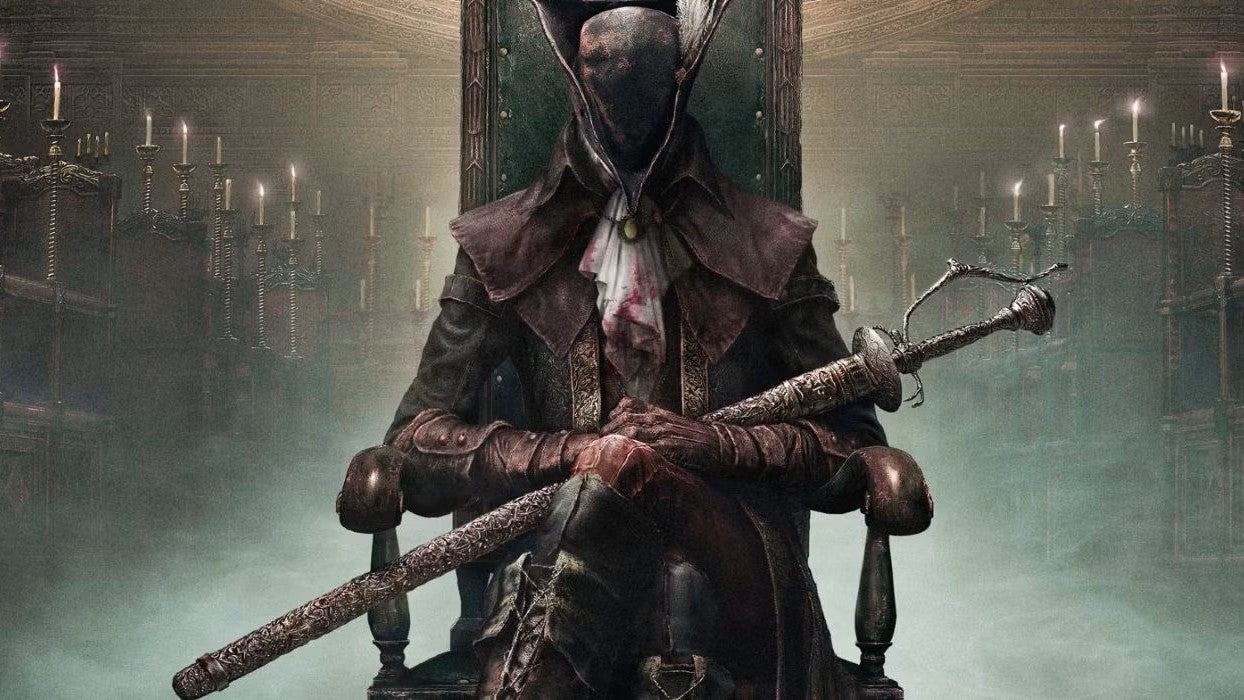
The complications surrounding Bloodborne extend deeper than mere corporate ownership. Over the years, reports have surfaced regarding aborted attempts by external studios to breathe new life into the franchise.
Among the most notable revelations is that Bluepoint Games—the Austin-based studio renowned for its technically immaculate remakes of Demon’s Souls and Shadow of the Colossus—reportedly pitched a full-scale Bloodborne remake to Sony. However, the project was allegedly turned down by FromSoftware itself, which reportedly preferred that the property not be handled externally. Ironically, this pitch occurred prior to Sony acquiring Bluepoint Games in 2021, a studio that Sony would ultimately shutter years later despite praising its exceptional contributions to the PlayStation ecosystem.
Furthermore, former PlayStation executive Shuhei Yoshida offered another perspective on the matter, suggesting that the game’s director guards the intellectual property fiercely. According to Yoshida, Hidetaka Miyazaki holds an extraordinarily deep personal attachment to Bloodborne.
"Miyazaki-san really, really loved Bloodborne, what he created… So I think he is interested, but he’s so successful and he’s so busy, so he cannot do it himself, and he doesn’t want anyone else to touch it," Yoshida noted in a previous interview.
Given FromSoftware’s explosive trajectory following the global phenomenon of Elden Ring—which sold over 25 million copies and expanded with the massive Shadow of the Erdtree downloadable content—Miyazaki and his core team have been intensely focused on new projects and future original IPs. Diverting resources to untangle the legal and creative web of Bloodborne simply does not align with the studio’s current developmental pipeline.
The Broader Implications for Gaming Preservation and IP Longevity
The stagnation of Bloodborne serves as a prominent case study in the modern vulnerabilities of video game preservation and intellectual property management. In an industry where platform exclusivity and corporate acquisitions dictate which games survive across hardware generations, titles caught in joint-ownership agreements are uniquely disadvantaged.
While traditional media like literature and cinema benefit from standardized distribution models and clear copyright inheritances, video games frequently involve complex contractual arrangements between platform holders, third-party developers, and external investors. When these partnerships yield a masterpiece, the very complexity of the collaboration can inadvertently seal the game’s fate, preventing it from ever being updated for modern hardware or expanded into a lasting franchise.
Despite the corporate roadblocks and the lack of official studio support, the cultural footprint of Bloodborne remains undiminished. The community continues to sustain itself through ongoing lore analysis, community-driven modding efforts, demake projects, and transmedia expansions—such as the recently announced Bloodborne animated feature adaptation featuring internet personality JackSepticEye as a co-producer.
For now, however, the streets of Yharnam remain closed to new exploration. As Layden’s remarks illustrate, until the corporate triad of Sony, FromSoftware, and Kadokawa can find a unified path forward—or until the creative leadership at FromSoftware finds the time and inclination to revisit the nightmare—the blood moon will continue to shine exclusively over the PlayStation 4, leaving fans to wonder what might have been.