The Walking Dead: Surrounded brings the iconic zombie apocalypse to the tabletop in a compact, portable format

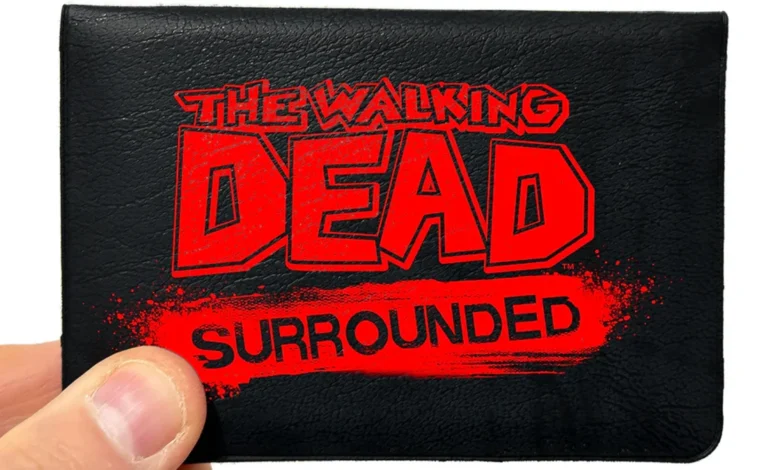
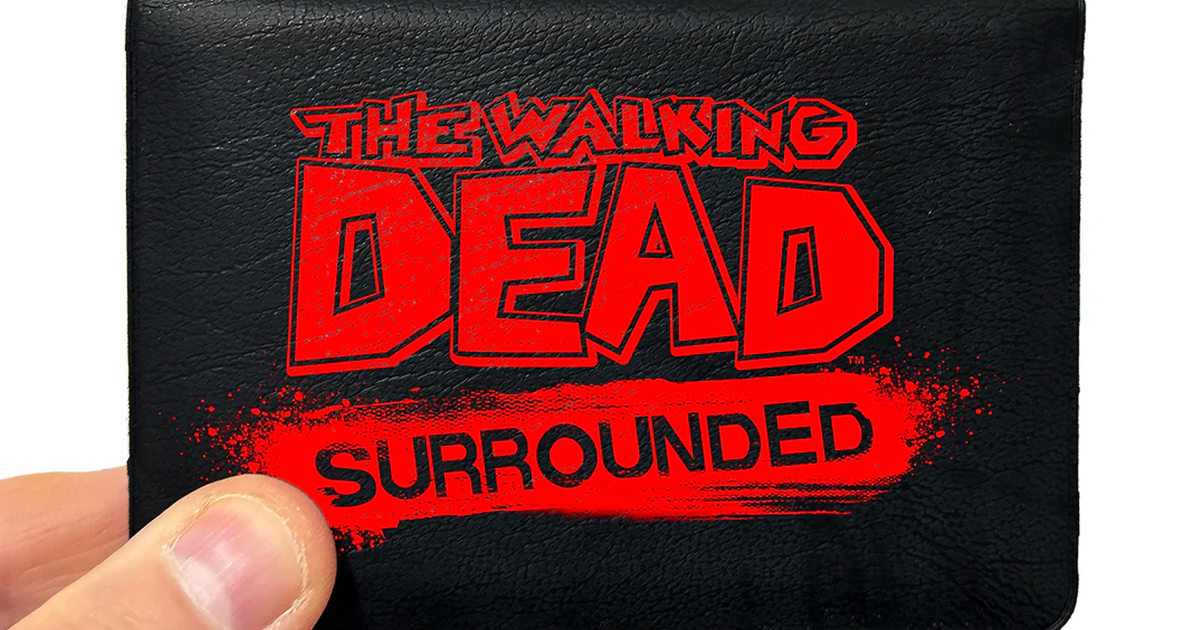
The landscape of tabletop gaming is witnessing a significant shift toward minimalist design, a movement exemplified by the latest partnership between Skybound Entertainment and Button Shy Games. The release of The Walking Dead: Surrounded represents a strategic effort to condense one of pop culture’s most expansive post-apocalyptic franchises into a pocket-sized cooperative experience. Designed for one to four players, the title utilizes a unique "wallet game" format, challenging the traditional notion that immersive thematic gaming requires large boxes, complex boards, and hundreds of plastic components.
A Legacy of Survival: From Comic Panels to Tabletop
The Walking Dead franchise has maintained a dominant cultural footprint since the debut of the original comic book series in 2003, authored by Robert Kirkman and illustrated by Tony Moore. The narrative, which centers on the collapse of societal order following a global undead outbreak, proved to be a versatile intellectual property. Its transition to the small screen via AMC in 2010 catalyzed a massive multimedia expansion, including the long-running flagship series, the prequel Fear the Walking Dead, and more recent explorations like The Walking Dead: Dead City and The Walking Dead: Daryl Dixon.
The integration of the franchise into the gaming sector has been equally prolific. From Telltale Games’ critically acclaimed narrative-driven episodic series to various mobile and console titles, the brand has consistently focused on themes of moral ambiguity, resource scarcity, and the psychological weight of survival. The Walking Dead: Surrounded represents a pivot toward the analog sector, aiming to capture the tension of the series within a 18-card footprint, a signature constraint of Button Shy Games’ publishing model.
Core Mechanics and Gameplay Dynamics
The Walking Dead: Surrounded operates as a cooperative engine-building and survival game. Players are tasked with navigating an expanding map, represented by tiles that are placed throughout the session. The fundamental objective is the acquisition of resources, which are vital to maintaining the health and stability of the player group.
The gameplay loop is centered on risk management. Each location tile provides potential benefits, but the flip side of these tiles introduces a dual-layered strategic decision: players may uncover either essential resources or potential allies. These allies are categorized into two types: survivors, who contribute to the party’s overall point tally and scavenging efficiency, and leaders, who provide unique, game-altering abilities. The inclusion of leaders adds a layer of factional complexity, as players must balance the utility of these powerful figures against the inherent dangers of the environment.
The primary antagonist in the game is the encroaching horde of "Walkers." As players draw new map tiles, they risk triggering the arrival of zombies, which can rapidly swarm the board if not managed effectively. The game ends in a failure state if the walkers overwhelm the player-controlled locations, forcing participants to constantly weigh the immediate need for supplies against the long-term threat of being overrun.
Chronology of Development and Distribution
The collaboration between Skybound Entertainment and Button Shy Games is a deliberate attempt to capture the "on-the-go" market. The project development cycle focused on distilling the franchise’s core tension into a format that adheres to the publisher’s strict wallet-game constraints—typically consisting of 18 cards and a small rulebook.
- 2003: Robert Kirkman and Tony Moore launch The Walking Dead comic book series.
- 2010: The Walking Dead television series premieres on AMC, establishing the brand’s global dominance.
- 2023-2024: Development of The Walking Dead: Surrounded reaches completion, emphasizing a compact design suitable for travel and quick setup.
- Mid-2024: Official launch of the base game on the Button Shy Games storefront, accompanied by the release of the "Under Siege" expansion.
The decision to release an expansion, Under Siege, simultaneously with the base game indicates a confidence in the game’s depth. This expansion introduces additional mechanics that complicate the survival loop, catering to experienced players looking for a higher degree of difficulty.
Market Implications and the Rise of Micro-Games
The release of Surrounded highlights a broader trend in the hobby board game industry. As the cost of logistics, shipping, and raw materials like cardboard and plastic continues to fluctuate, the "micro-game" segment has emerged as a viable economic alternative. By minimizing the physical footprint, companies can reduce retail prices—The Walking Dead: Surrounded is priced at approximately $12 (£10)—while maintaining the depth of gameplay associated with larger, more expensive titles.
Data from recent hobbyist surveys suggests that "pick-up-and-play" games are seeing a surge in popularity among demographics that lack the dedicated physical space or time for "heavy" strategy games. Button Shy Games, having carved a niche in this space, utilizes a direct-to-consumer model that bypasses traditional retail markup, a strategy that aligns well with the serialized, fan-driven nature of licensed properties like The Walking Dead.
Official Perspectives and Industry Context
While formal public statements from the design team remain focused on the accessibility of the game, the industry consensus views this as a low-barrier entry point for fans of the show who may not consider themselves "gamers." The collaborative nature of the gameplay—where all participants must work in unison to overcome the zombie threat—mirrors the collective survival ethos of the source material.

Industry analysts note that licensing intellectual property for tabletop games is a high-stakes endeavor. If a game fails to capture the "feel" of the source material, it risks alienating a massive existing fan base. By prioritizing a cooperative mechanic, Surrounded avoids the common pitfall of competitive zombie games, where players might inadvertently spend more time fighting each other than the undead, thereby staying true to the spirit of the television series.
Tactical Implications for Players
For those engaging with The Walking Dead: Surrounded, the tactical approach requires a departure from traditional "area control" logic. Because the map grows dynamically, players are encouraged to:
- Prioritize Resource Allocation: Early-game resource gathering is essential to survive the inevitable mid-game surge of walker tiles.
- Synergize Leader Abilities: Leaders are the primary defense against the horde; ignoring their recruitment in favor of minor resources can lead to a quick defeat.
- Manage Spatial Limitations: Given the small playing area, preventing the "clumping" of walker tiles is the single most important skill for long-term success.
The game effectively replicates the scarcity-driven tension of the franchise. In the world of The Walking Dead, survival is rarely about conquering a territory; it is about maintaining a tenuous hold on a location while waiting for the next crisis. By forcing players to make binary choices between resources and allies, the designers have successfully translated the narrative anxiety of the show into a mechanical challenge.
Broader Impact and Future Outlook
The success of such licensed micro-games could signal a shift in how major entertainment franchises approach tabletop merchandise. Rather than focusing solely on large-scale miniatures games—which are costly to produce and difficult to store—studios may look toward the portability of wallet games as a means to reach a wider, more casual audience.
Furthermore, the integration of expansion packs like Under Siege suggests a "living game" model for small-format titles. If The Walking Dead: Surrounded achieves strong sales metrics, it is highly probable that Skybound Entertainment will look to expand the line with additional scenarios or character-based decks, further cementing the franchise’s presence in the analog gaming space.
Ultimately, The Walking Dead: Surrounded succeeds by understanding its limitations. It does not attempt to simulate the entire history of the series; instead, it focuses on the essential, agonizing choices that define the genre. In an era where consumers are increasingly conscious of both physical space and expenditure, the game offers a potent example of how to leverage a multi-billion dollar brand without the need for unnecessary complexity. It serves as a reminder that the most compelling narratives—and games—are often those that force players to make the most of what little they have left.