A Legacy Spanning Six Decades
When Gene Roddenberry first pitched Star Trek to NBC in the mid-1960s, few could have predicted that the series would spawn a multi-billion-dollar empire spanning multiple television iterations, twelve feature films, thousands of novels, and an expansive catalog of digital and physical merchandise. The 60th anniversary serves as a pivotal moment for reflection. Over the last six decades, Star Trek has transitioned from a struggling television show—frequently threatened with cancellation—to a cornerstone of speculative fiction that has influenced real-world space exploration, linguistics, and social discourse.

The upcoming release of Star Trek: The Original Voyages Visual History, scheduled for November 10, is more than a mere collection of photographs. It is an ambitious cultural history that maps the brand’s trajectory through the lens of its original, seminal influence. The book features a foreword by William Shatner, whose portrayal of Captain James T. Kirk remains one of the most recognizable icons in media. By leveraging original interviews and never-before-seen archival imagery, the authors aim to provide a scholarly yet accessible look at how the series maintained relevance across generations.
Editorial Insight and Historical Context
The production of the book was spearheaded by Hugo-nominated writer and director Kyle Newman, alongside veteran pop-culture author and TrekMovie contributor Jeff Bond. Their collaborative process was designed to synthesize different eras of fandom. While Bond focused on the foundational history of The Original Series (TOS), Newman brought a contemporary perspective, utilizing his expertise in gaming and modern franchise management to curate the "ephemera" that has defined Star Trek for decades.

Bond emphasizes that the goal of the work is to strip away the layers of caricature that have accumulated around characters like Kirk over the last 60 years. "Kirk has been caricatured by fans, comedians, and pop culture for so long that we forget that he was a very thoughtful and deeply emotional character," Bond noted in discussions regarding the book’s thematic core. The authors argue that the show’s 1960s roots—often dismissed as kitschy by modern viewers—were actually deeply progressive. Bond highlights the nuance of Shatner’s performance, specifically his ability to explore gender dynamics in a way that was unprecedented for 1960s action-adventure television.
The book also delves into the "world-building" techniques that were born out of necessity. Bond points to the clever use of footage from the original, unaired pilot "The Cage" in the two-part episode "The Menagerie." While the decision was purely financial—an attempt to salvage expensive footage from the failed pilot—it inadvertently established a rich, historical "past" for the U.S.S. Enterprise. This move set a standard for narrative continuity that modern serialized dramas now take for granted.

A Multi-Platform Commemorative Strategy
Penguin Random House’s strategy for the 60th anniversary extends well beyond the flagship coffee table book. Recognizing the diverse demographics of the Star Trek fan base, the publisher has rolled out an array of interactive products aimed at both long-term enthusiasts and newer audiences.
This product suite includes:

- Star Trek: Warped Phrases: A party card game designed to leverage the franchise’s extensive vocabulary and situational humor, similar in mechanical spirit to popular "social" card games.
- Star Trek: The Ultimate Trivia Deck: A massive 400-question set categorized by technology, characters, events, and culture. The deck is designed for scalable play, accommodating solo users or large groups, and utilizes a tiered difficulty system to ensure engagement for casual and expert fans alike.
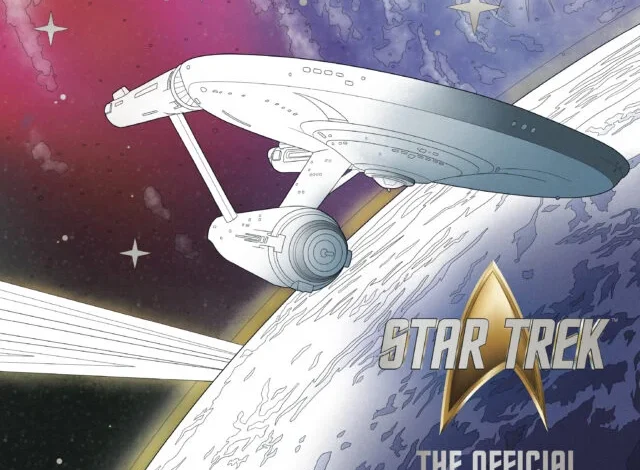
- The Official Star Trek Coloring Book: An all-ages creative outlet featuring 40 iconic scenes from the franchise’s history. Printed on high-quality, bleed-resistant paper, the book is a testament to the aesthetic longevity of the franchise’s art direction.
These releases are timed to capitalize on the sustained interest in physical collectibles. Data from the publishing industry suggests that high-quality, illustrative coffee table books and "interactive" print media have seen a resurgence as fans seek tangible connections to their favorite intellectual properties in an increasingly digital world.
Chronology of a Cultural Icon
The 60-year timeline of Star Trek can be broken down into distinct eras, each represented in the upcoming visual history:

- The Formative Years (1966–1969): The launch of TOS and the struggle for viewership, characterized by low budgets and high-concept social commentary.
- The Wilderness Period (1970–1979): The rise of the fanzine culture and the first conventions, where fans took ownership of the franchise and forced its return through syndication and the eventual launch of the motion picture franchise.
- The Expansion Era (1987–2005): The "golden age" of television, encompassing The Next Generation, Deep Space Nine, and Voyager.
- The Rebirth (2009–Present): The era of cinematic reboots and the subsequent return to television via streaming platforms, broadening the reach of the brand to a global audience.
The Significance of Fan-Driven History
A critical element of the new book is its deep dive into the role of the early fanzines. The authors discovered that the very concept of "realism" within the Star Trek universe began with the fans themselves. The first fanzine editors wrote their publications from the perspective that the characters were real people, treating episodes as historical reports. This fan-driven commitment to the reality of the show influenced how the writers themselves viewed the IP, eventually leading to the rigid, interconnected "canon" that governs the franchise today.
This symbiotic relationship between the production company and the audience is a central theme in the book. By exploring how fan conventions, merchandise, and amateur writing kept the brand alive during its most precarious years, the authors provide a case study on how intellectual property can survive and thrive through community engagement.

Implications for the Future of the Franchise
The release of these materials during the 60th anniversary is not merely a retrospective; it is a strategic effort to solidify the brand’s presence for the next decade. By documenting the "Original Voyages" in such a detailed manner, Penguin Random House is helping to curate the official history of the franchise, ensuring that the origins are not lost as the brand continues to expand into new, modern formats.
The commercial success of these items—particularly the trivia decks and the comprehensive visual history—will likely influence the types of licensed products produced for future anniversaries. As the Star Trek brand continues to evolve under its current management, maintaining a connection to the aesthetic and narrative roots of the 1960s remains essential. The books and games released this year serve as a bridge, grounding the futuristic concepts of the franchise in the rich, tangible history of its creation.

For collectors and casual fans alike, these releases represent a comprehensive effort to catalog a legacy that has fundamentally altered the landscape of science fiction. Whether through the lens of a historical report, an interactive trivia challenge, or a detailed visual archive, the 60th anniversary celebration provides a necessary pause to acknowledge the profound impact of the U.S.S. Enterprise and its crew on global culture. As Star Trek moves into its seventh decade, the foundations laid by these books and games will continue to inform how new generations perceive and participate in the ongoing mission to explore the final frontier.