Witchcraft The Lanterne of Light Unveils Atmospheric Poster as Franchise Pivots to Found-Footage Horror

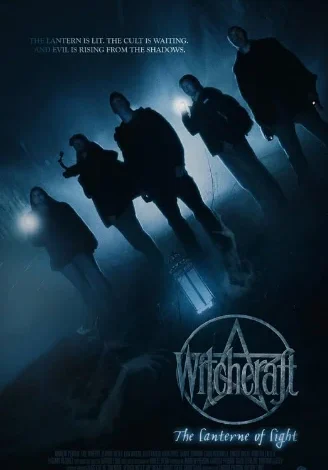
The long-running Witchcraft horror franchise is embarking on a significant stylistic departure with its latest installment, Witchcraft: The Lanterne of Light. This new chapter abandons the traditional cinematic structure of its predecessors in favor of a found-footage narrative, a shift punctuated by the unveiling of a haunting new promotional poster. Designed by acclaimed artist Colm Geoghegan of Creepy Duck Design, the artwork serves as both a marketing asset and a thematic manifesto for the film, signaling a darker, more grounded, and claustrophobic tone for the series.
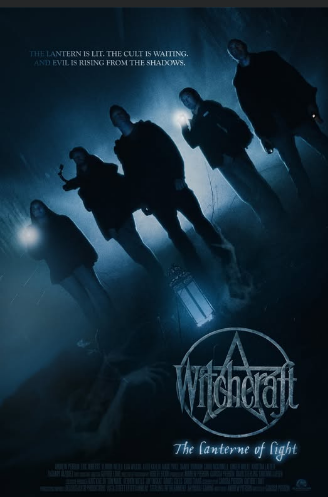
The poster features a stark, high-contrast aesthetic dominated by a chilling blue palette. It depicts a group of paranormal investigators—the protagonists of the film—treading cautiously into a dense, fog-laden woodland. A single, glowing lantern acts as the primary light source, cutting through the shadows and casting long, ominous silhouettes against twisted trees. This visual choice directly references the film’s central conceit: a team of researchers attempting to document the supernatural, only to find themselves ensnared in a web of cult-driven malevolence. The tagline, "The lantern is lit. The cult is waiting. And evil is rising from the shadows," reinforces the narrative stakes, suggesting that the light intended for discovery may ultimately serve as a beacon for the entities they seek to study.
A Legacy of Design Excellence
The collaboration with Colm Geoghegan represents a strategic move to align the film with contemporary prestige horror aesthetics. Geoghegan has become a titan in the industry, responsible for some of the most recognizable key art in modern horror. His portfolio includes official work for the 2022 revival of Scream, the breakout indie sensation Late Night with the Devil, and major studio projects such as The Black Phone, Smile, and the Saw franchise.
His influence extends beyond mere aesthetic appeal; his work has received public and private acclaim from some of the most prominent figures in the genre, including Guillermo del Toro, Mike Flanagan, Jordan Peele, James Wan, Scott Derrickson, M. Night Shyamalan, and Neil Marshall. By securing a designer with such deep ties to both major studio horror and independent genre hits, the production team behind Witchcraft: The Lanterne of Light is positioning the film to appeal to a sophisticated audience that values atmospheric tension over conventional jump scares.
Evolution of the Franchise: The Found-Footage Pivot
The Witchcraft franchise, which has sustained a loyal, niche following for years, faces the inherent challenge of maintaining relevance in an increasingly saturated horror market. The decision to adopt a found-footage format—a sub-genre popularized by The Blair Witch Project and later refined by the Paranormal Activity series—marks a bold attempt to modernize the franchise’s identity.
In this installment, the plot centers on the "Children of the Hollow," a mysterious cult whose history the investigative team is tasked with uncovering. By utilizing the found-footage medium, director Carissa Pierson aims to collapse the distance between the audience and the onscreen action. This technique typically relies on shaky-cam footage, naturalistic lighting, and the implication of "authentic" discovery, which forces the viewer to process the horror through the limited perspective of the characters. This shift is designed to transform the franchise from a standard supernatural narrative into an immersive, high-stakes investigation.
Production and Casting Dynamics
Witchcraft: The Lanterne of Light distinguishes itself further through a cast composed of seasoned genre performers and industry professionals. The film brings together actors who have cut their teeth in horror, television, and action cinema, ensuring a diverse range of performances. Perhaps most notably, the production features Chris McKinnell, the grandson of the world-famous paranormal investigators Ed and Lorraine Warren. As the founder and director of the Warren Legacy Foundation for Paranormal Research, McKinnell provides a layer of professional authenticity to the film’s depiction of paranormal inquiry. His involvement suggests that the filmmakers have prioritized a grounded, researched approach to the film’s supernatural elements, grounding the fictional horror in the reality of occult study.
Director’s Intent and Creative Strategy
Director Carissa Pierson has been vocal regarding the necessity of the film’s new visual identity. In a recent statement, Pierson underscored that the poster is intended to be more than a promotional image; it is a narrative tool.
"We wanted this poster to capture the essence of Witchcraft: The Lanterne of Light as a found-footage horror film," Pierson stated. "The figures you see are our paranormal investigation team, heading into the woods to uncover something they may not fully understand. Colm Geoghegan of Creepy Duck Design did an incredible job capturing that atmosphere of mystery, tension, and impending evil. The lantern becomes a beacon in the darkness, but in this story, finding the light doesn’t necessarily mean finding your way out."
This sentiment reflects a broader trend in horror filmmaking, where the marketing materials are increasingly used to signal a "return to form" or a pivot to psychological dread. By emphasizing the vulnerability of the investigators, the poster prepares the audience for a film that prioritizes suspense and the slow, inevitable encroachment of supernatural forces.
Market Context and Industry Implications
The horror genre has experienced a renaissance in the 2020s, driven by a mixture of theatrical success and streaming platform dominance. The shift toward found-footage in a legacy franchise like Witchcraft is indicative of a wider industry movement to deconstruct and reconstruct existing intellectual property. While legacy franchises often suffer from "sequel fatigue," the implementation of a new directorial vision and a distinct stylistic pivot can often revitalize interest.
Statistically, horror remains one of the most profitable genres in cinema, with relatively low production costs compared to blockbuster action films and a consistently high return on investment. The inclusion of figures like Chris McKinnell, combined with the prestige marketing of an artist like Geoghegan, suggests that the producers of Witchcraft: The Lanterne of Light are aiming to capture the "prestige horror" demographic. This audience, which favors films like The Witch, Hereditary, and Talk to Me, expects a higher level of narrative complexity and aesthetic intentionality than traditional B-movie horror.
Looking Ahead
As the release of Witchcraft: The Lanterne of Light approaches, the focus remains on whether the film can successfully bridge the gap between its long-standing franchise roots and its new, experimental direction. The use of a cold, blue-tinted visual language in the marketing suggests a departure from the warmer, more traditional lighting schemes often found in the earlier entries of the series.
The integration of the Children of the Hollow cult narrative into a found-footage structure creates a framework where the "horror" is not just a monster, but a mystery that the audience is invited to solve alongside the investigators. This engagement model is a staple of successful modern horror, which relies heavily on fan theories, social media discourse, and the communal experience of decoding complex plots.
By leveraging the legacy of the Warrens through Chris McKinnell, the pedigree of design from Creepy Duck Design, and a proven directorial vision from Carissa Pierson, the film is positioned to be a significant release for the franchise. The success of this project will likely depend on its ability to balance the expectations of long-time fans with the aesthetic requirements of a modern, horror-literate audience. For now, the "Lanterne" has been lit, and the industry will be watching to see if this pivot results in a resurgence for one of horror’s most persistent names.