Spend another five hours moving three spaces in the new Talisman board game from the studio behind Betrayal at House on the Hill

A Legacy of Fantasy Adventure
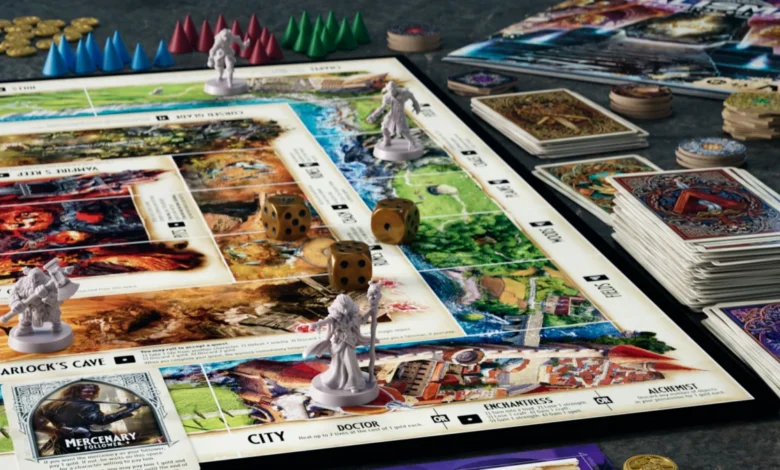
Since its inception in 1983, Talisman has stood as a cornerstone of the high-fantasy adventure genre. Designed by Robert Harris, the game was originally published by Games Workshop, a company that would later become a global powerhouse in the hobby miniatures space through its Warhammer intellectual properties. The core premise of Talisman has remained remarkably consistent throughout its various iterations: two to six players assume the roles of distinct fantasy archetypes, navigating a sprawling board divided into three concentric rings—the Outer, Middle, and Inner Regions.
The objective is simple yet notoriously treacherous: players must traverse these regions to reach the Crown of Command, located at the center of the board. The journey requires a blend of luck, strategic character development, and combat. As players move through the spaces, they encounter monsters, discover magical items, and complete quests that bolster their statistics—specifically Strength and Craft. These attributes are vital for overcoming the rigorous "skill checks" required to progress toward the center.
Chronology of a Classic
The evolution of Talisman is a case study in the longevity of tabletop game design. The title’s history is defined by several distinct eras of ownership and development:
- 1983: The original Talisman is published by Games Workshop, becoming an instant success and spawning numerous expansions that expanded the world and the number of playable characters.
- 1994: The Third Edition of the game is released, featuring significant changes to the artwork and the inclusion of more colorful, stylized character miniatures.
- 2008: Fantasy Flight Games secures the publishing rights and releases a revised Fourth Edition. This version is widely considered the most accessible iteration, incorporating high-quality plastic miniatures and refined rules that standardized the sometimes-clunky mechanics of the original.
- 2018: Games Workshop regains the rights to the IP, leading to a period of relative dormancy for physical board game releases under the Talisman banner, though digital adaptations continued to thrive.
- 2024: Avalon Hill announces the Fifth Edition, confirming that the franchise has shifted to the Wizards of the Coast/Avalon Hill umbrella, ensuring a major retail presence for the upcoming launch.
The 5th Edition: What to Expect
Avalon Hill’s approach to the Fifth Edition is defined by the goal of accessibility. While the core "magical quest" remains intact, the studio has explicitly stated that the gameplay has been "streamlined." This term, common in modern board game development, implies a focus on reducing "fiddly" maintenance, shortening playtimes, and clarifying ambiguous rules that have frustrated players in previous editions.
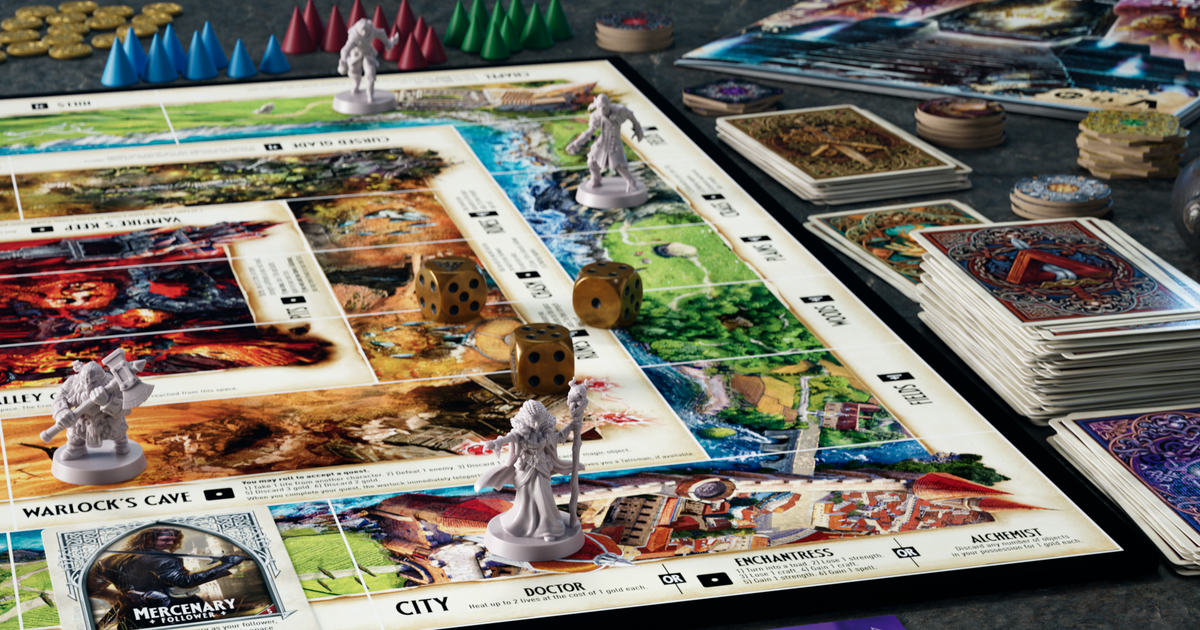
The package will include 12 playable characters, ranging from the classic Warrior and Monk to the more exotic Ghoul and Sorceress. Each character possesses unique abilities that fundamentally change how the game is played, encouraging high replayability. A centerpiece of the new release is the inclusion of 100 brand-new Adventure cards, all featuring original illustrations. This visual refresh is intended to modernize the game’s aesthetic, moving away from the dark, grim-fantasy art of the 80s toward a more vibrant, contemporary fantasy style.
The game is scheduled for a retail release on August 1, 2024, with an MSRP of $60 (£47). This price point positions the game as a premium "evergreen" title, intended to sit on retail shelves alongside other perennial hits like Betrayal at House on the Hill and HeroQuest.
Analysis of the Market Impact
The transition of Talisman to Avalon Hill is a calculated strategic move. Avalon Hill has spent the last several years successfully "re-introducing" classic titles to a new generation of gamers. By leveraging their established distribution network, they are positioning Talisman to compete with modern adventure games that often suffer from over-complexity.
Industry analysts note that the "adventure" category of board games is currently undergoing a resurgence. As modern players gravitate toward games that offer high-narrative stakes but low entry barriers, Talisman’s simple "roll-and-move" foundation—if properly updated—could see a significant surge in popularity. The challenge for Avalon Hill will be balancing the nostalgia of veteran players, who may be protective of the game’s brutal, random nature, with the expectations of new players who prioritize balanced, fluid mechanics.
Official Positioning and Industry Reception
While Wizards of the Coast has kept specific mechanical changes under wraps, the industry consensus suggests that this edition will likely focus on "quality of life" improvements. For instance, in previous editions, players often encountered "stagnation points" where progress would grind to a halt due to unfavorable dice rolls. Streamlining these elements through refined card effects or modified character progression could drastically improve the game’s pacing.

Avalon Hill’s involvement also suggests that the game will receive robust marketing support. By placing the game in the same catalog as Betrayal at House on the Hill, the company is signaling that Talisman is intended to be a "gateway game"—an entry point for casual players into the wider hobby.
Broader Implications for Tabletop Gaming
The revival of Talisman speaks to a larger trend in the tabletop industry: the "Legacy of the Brand." Intellectual property has become the most valuable currency in board gaming. Publishers are finding that re-releasing established, proven designs with modern production values often carries less risk than launching unproven new IPs.
Furthermore, the shift to Avalon Hill potentially opens the door for a new line of expansions. Given the sheer volume of content produced for the Fourth Edition, the community expects a roadmap for future expansions that could incorporate familiar monsters and locations, potentially integrated with the new, streamlined rule set.
For the existing Talisman community, the August launch is a significant event. After years of the game existing primarily in the secondary market or through digital ports, the return of a physical, widely available version ensures that the title will remain relevant in a market that has grown exponentially since the original 1983 release. As the August 1 release date approaches, the focus remains on whether the "streamlined" experience will retain the chaotic, unpredictable magic that made the original a classic, or if it will evolve into a safer, more predictable experience.
Ultimately, Talisman: The Magical Quest Board Game – 5th Edition represents a bridge between eras. It seeks to preserve the fundamental thrill of the race to the Crown of Command while ensuring that the game remains playable, engaging, and relevant for a contemporary audience that demands higher standards of production and more intuitive gameplay design. Whether it succeeds in capturing the lightning-in-a-bottle success of its predecessors remains to be seen, but the industry is watching closely.