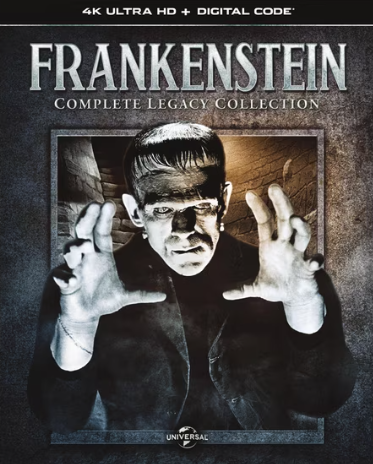
UNIVERSAL PICTURES HOME ENTERTAINMENT UNLEASHES THE ULTIMATE MONSTERPIECE: FRANKENSTEIN: COMPLETE LEGACY COLLECTION ARRIVES ON 4K ULTRA HD FOR THE FIRST TIME EVER

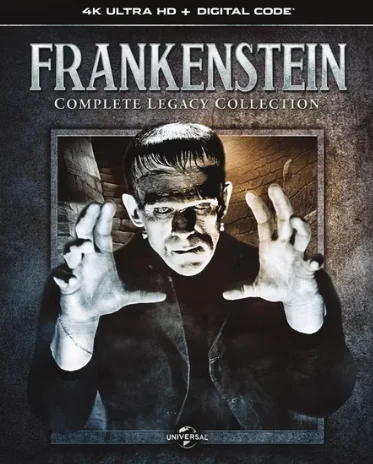
Universal Pictures Home Entertainment has officially launched the most ambitious physical media release in its storied history, debuting the Frankenstein: Complete Legacy Collection on 4K Ultra HD. For the first time, all eight foundational films from the original silver screen cycle have been meticulously remastered, offering cinema enthusiasts an unprecedented look at the series that effectively birthed the modern horror genre. This definitive box set, which arrived at major retailers on September 29, 2026, serves as both a preservation milestone and a celebration of nearly two decades of gothic cinematic innovation.
A Legacy Restored: Technical Advancements in 4K
The transition to 4K Ultra HD represents a significant leap for the Universal Classic Monsters library. The restoration process involved high-resolution scans of original film elements, addressing decades of degradation to ensure that the intricate chiaroscuro lighting—a hallmark of directors like James Whale—is presented with newfound depth. The increased dynamic range provided by the UHD format allows for a wider spectrum of blacks and grays, which is essential for films defined by their heavy use of shadows, fog, and claustrophobic laboratory settings.
Beyond the visuals, the audio tracks have been restored to preserve the original monaural integrity while mitigating the hiss and pop inherent in early sound-era recordings. This technical undertaking ensures that the iconic musical scores, which were instrumental in establishing the tone for early 20th-century horror, resonate with modern home theater systems while maintaining their authentic, period-accurate aesthetic.
Chronology of the Frankenstein Cycle
The collection spans the evolution of the Frankenstein mythos from 1931 through 1948, reflecting the changing cultural anxieties and cinematic trends of the era. The films included in this comprehensive set are:
- Frankenstein (1931): The film that cemented Boris Karloff as a horror icon and established the tragic, misunderstood nature of the creature.
- The Bride of Frankenstein (1935): Often cited by scholars as a rare example of a sequel surpassing the original in ambition and stylistic execution.
- Son of Frankenstein (1939): A critical transitional film that introduced Bela Lugosi’s Ygor and signaled a shift toward more elaborate production designs.
- The Ghost of Frankenstein (1942): Featuring Lon Chaney Jr., this installment expanded the lore by delving deeper into the scientific legacy of the Frankenstein family.
- Frankenstein Meets the Wolf Man (1943): A landmark in crossover cinema, establishing the concept of the "monster rally."
- House of Frankenstein (1944): A bold ensemble piece that consolidated Universal’s monster roster, including Dracula and the Wolf Man.
- House of Dracula (1945): An atmospheric continuation of the interconnected monster universe.
- Abbott and Costello Meet Frankenstein (1948): A genre-bending conclusion that successfully fused slapstick comedy with classic horror tropes, effectively bookending the era.
Physical Media and Collector Value
In an era increasingly dominated by streaming, Universal Pictures Home Entertainment has leaned heavily into the "premium collectible" market to distinguish this release. The set includes a 40-page booklet containing archival promotional material, which provides critical historical context for the films’ initial theatrical runs.
Furthermore, the inclusion of 10 reproduction theatrical lobby cards and a double-sided poster featuring original artwork by celebrated illustrator Alex Ross emphasizes the studio’s intent to appeal to long-term physical media collectors. By housing the set in a custom-designed slipcase, the studio is positioning the product as a centerpiece for home libraries rather than a disposable commodity. This strategy reflects current market trends where physical media sales have stabilized among enthusiasts who value ownership, high-fidelity presentation, and curated physical artifacts over the rotating libraries of digital subscription services.
Historical Context and Cultural Impact
The Frankenstein films were not merely horror movies; they were profound reflections of interwar anxieties. The 1931 film, released during the height of the Great Depression, tapped into a collective fear of scientific overreach and the consequences of "playing God." The imagery of the laboratory—filled with tesla coils, bubbling vats, and sparking equipment—became the visual shorthand for mad science that persists in pop culture today.
The later films in the cycle, particularly those released during the 1940s, mirrored the grim realities of World War II. The shift toward "monster rallies" reflected a desire for escapist entertainment during a period of global conflict. The inclusion of Abbott and Costello in the 1948 finale signaled the end of the "Golden Age" of monsters, as the public’s taste shifted toward science fiction, atomic-age paranoia, and more cynical, grounded narratives.
Expert Analysis: The Importance of Preservation
Film historians have long argued that the Universal Monsters series represents the backbone of the horror genre’s structural development. By releasing these films in 4K, Universal is engaging in a form of cultural stewardship. The restoration of these works is vital, as the original nitrate negatives are subject to inevitable physical decay.
"This is not just a commercial product; it is a library preservation effort," says one industry analyst. "When you provide a 4K scan of a 1931 print, you are capturing the grain, the performance nuances, and the precise level of contrast intended by the original cinematographer. For scholars and fans, this is the definitive record of how these stories were meant to be viewed."
Market Implications
The release of the Frankenstein: Complete Legacy Collection comes at a time when the "Universal Classic Monsters" brand remains a highly valuable intellectual property. Despite being nearly a century old, the characters—Frankenstein’s Monster, Dracula, and the Wolf Man—continue to be licensed for merchandise, theme park attractions, and reboots.
By maintaining high-quality home media releases, Universal sustains the brand’s visibility. Retailers like Walmart and Gruv Entertainment are currently reporting high demand, suggesting that the "legacy collector" demographic remains robust. The success of this set may influence future catalog releases for other Universal franchises, potentially leading to similar 4K treatments for the Dracula, The Mummy, and The Invisible Man series.
Conclusion
The Frankenstein: Complete Legacy Collection is more than a compilation of classic films; it is a comprehensive archive of cinematic history. By leveraging modern 4K technology to enhance the atmospheric, gothic visuals that defined the genre, Universal Pictures Home Entertainment has ensured that the "Monster" will remain a fixture of pop culture for new generations. Whether viewed as a technical achievement in restoration or a nostalgic treasure for long-time horror aficionados, this collection stands as a definitive tribute to the legacy of Henry Frankenstein and the creature he brought to life.