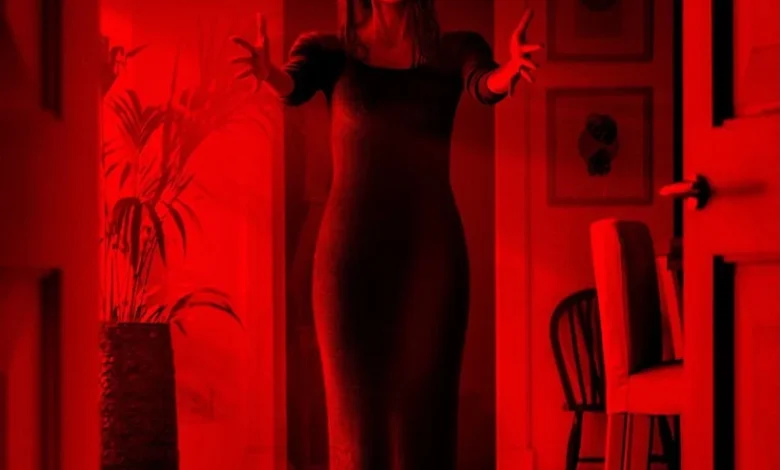
Universal Pictures’ latest horror offering, Other Mommy, directed by Rob Savage and written by Nathan Elston, arrived in theaters with considerable anticipation, boasting a pedigree that included a bestselling source novel and a talented principal cast. Adapted from Josh Malerman’s acclaimed 2024 book Incidents Around the House—written by the author best known for Bird Box—the film explores deep-seated familial anxieties through a supernatural lens. Clocking in at a brisk 85 minutes, excluding credits, the cinematic translation stars Jessica Chastain, young newcomer Arabella Olivia Clark, and Jay Duplass. Despite its creative foundations, the resulting feature struggles with structural pacing, narrative compression, and a tonal inconsistency that ultimately prevents it from achieving the haunting resonance of its literary predecessor.
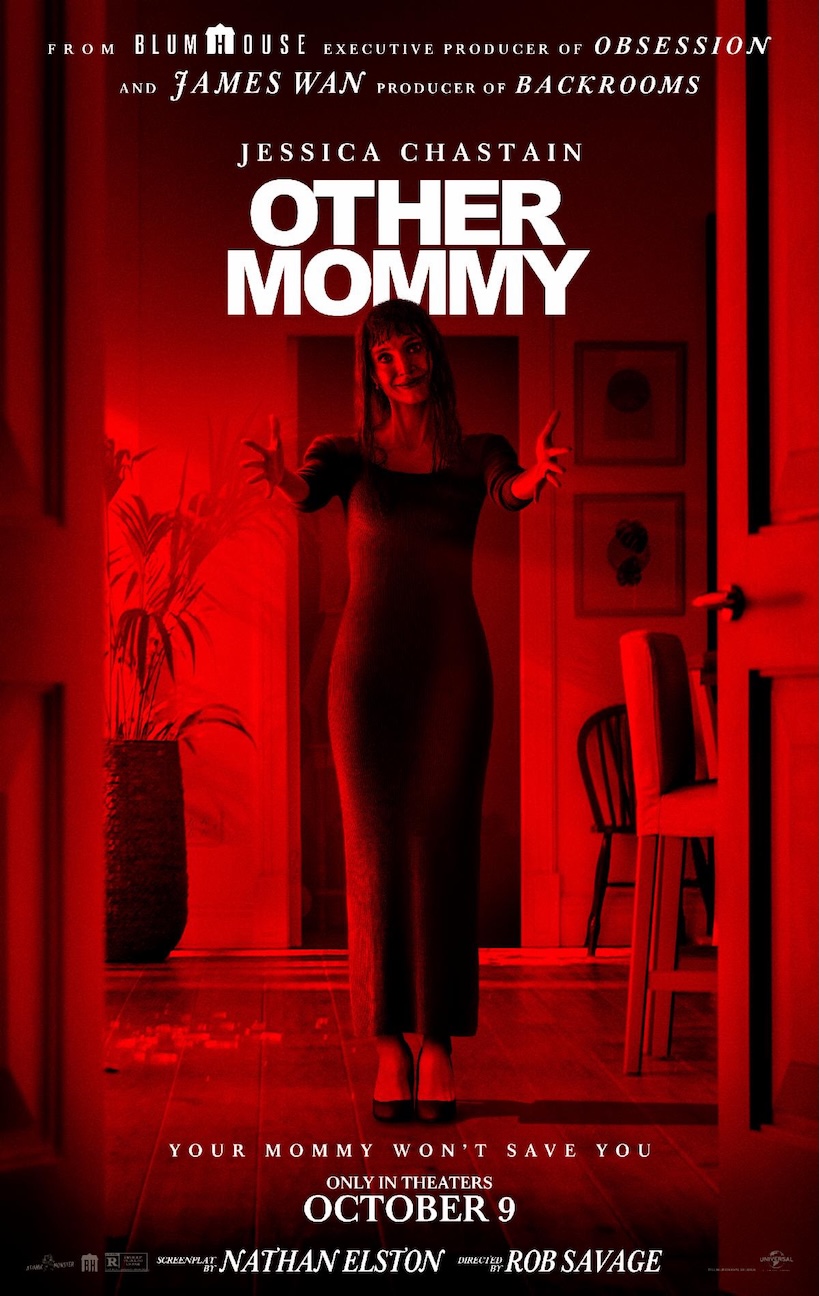
From its opening moments, Other Mommy introduces audiences directly into the domestic unease of its protagonist, seven-year-old Bela, portrayed with remarkable emotional range by Clark. Bela is already intimately familiar with the malevolent entity lurking behind the drywall of her family home—a presence she calls "Other Mommy." This immediate immersion bypasses the slow-burn atmospheric buildup typical of the genre, giving the movie the compressed narrative feel of a short story adaptation. While the film is indeed derived from Malerman’s expansive novel, the brisk 85-minute runtime suggests significant editorial excisions, leaving behind visually imaginative set pieces and genuinely unsettling imagery that lack sufficient dramatic and thematic connective tissue.

Thematic Foundations and Character Dynamics

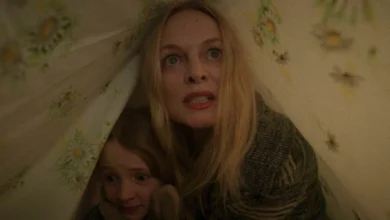
The early acts of Other Mommy briefly flirt with poignant domestic themes that could have elevated the material beyond standard creature-feature tropes. The narrative establishes that Bela’s mother, Ursula (played by Jessica Chastain), frequently works past dinnertime and into the late evening, leaving her husband, Russell (Jay Duplass)—affectionately dubbed "Daddo" and functioning as a secondary caregiver—to manage the household. This parental absence creates an emotional vacuum within the young girl’s life, a vulnerability that the entity haunting her bedroom eagerly exploits. Having already earned Bela’s trust and established a twisted friendship, the shapeshifting specter—also physically inhabited by Chastain—begins to reveal its true, malevolent intentions during a tense, jittery kitchen sequence prominently featured in the film’s marketing campaign.

Screenwriter Nathan Elston avoids one of the genre’s most frustrating tropes: the willfully oblivious parents who dismiss supernatural threats for the majority of the runtime. In Other Mommy, Ursula and Russell quickly discover that a chameleonic entity is terrorizing their daughter and compromising their home environment. However, this narrative logic hits an early stumbling block when the couple, despite knowing the severe danger, decides to proceed with hosting an anniversary party at the very house currently under siege. Director Rob Savage successfully captures Bela’s acute sense of alienation amidst a room full of celebrating adults, transitioning that awkwardness into a well-staged, surreal set piece. Yet, these moments of terror remain isolated jolts rather than contributing to a sustained, escalating tension, largely because the screenplay offers little emotional anchoring between the scares.

Performances and Ensemble Cast Challenges
Amidst the structural fractures of the production, the performances serve as the primary anchor for the audience’s attention. Arabella Olivia Clark emerges as a standout talent, joining a modern lineage of exceptional child actors in the horror genre. She navigates Bela’s extreme, conflicting emotions—torn between her affection for the entity and the primal fear of its true nature—with impressive technical skill and emotional maturity.
Jessica Chastain brings professionalism and gravitas to a role that requires her to play a narrow range of notes, particularly when compared to her much more robust and fleshed-out motherly role in Andy Muschietti’s similarly themed 2013 horror feature, Mama. Meanwhile, Jay Duplass approaches his character, Russell, with a lightheartedness that often positions him as comic relief. While intended to provide levity, this characterization feels out of place within a narrative framework that is already missing essential structural ingredients and dramatic gravity.

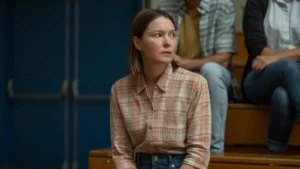
The inclusion of veteran actress Karen Allen as Bela’s grandmother, Ruth, introduces a nostalgic element to the cast, but her narrative purpose quickly turns awkward. The transition of the plot to Ruth’s residence marks the beginning of Other Mommy’s most problematic narrative stretch. Up until this point, the film manages to maintain pockets of creative inspiration; however, once the family relocates to Ruth’s home, the story devolves into a derivative Poltergeist knockoff. Like much of the plot development throughout the second half, this sequence is established too hastily to generate genuine suspense, frequently resulting in unintentional laughter from audiences rather than dread. A major confessional speech during the climax suffers from the exact same flaw, arriving as a pivotal emotional payoff with virtually no prior setup.

Comparative Analysis and Broader Genre Implications

When evaluating Other Mommy alongside landmark horror films centered around child protagonists, such as William Friedkin’s The Exorcist or M. Night Shyamalan’s The Sixth Sense, the core miscalculation of Savage’s film becomes glaringly apparent. The timeless classics of supernatural horror give both their characters and their audiences necessary room to breathe, allowing suspense to cultivate organically in the quiet spaces between moments of sheer terror. In contrast, Other Mommy attempts to function as a relentless, scare-a-minute thrill ride, resulting in a rushed and ultimately unsatisfying viewing experience.
A line of dialogue delivered by the antagonist late in the film encapsulates the overarching issue: "Something’s broken in this house." While intended to highlight the supernatural corruption eating away at the family unit, the statement inadvertently reflects the structural fragmentation of the movie itself. By prioritizing rapid-fire jump scares over a methodical exploration of parental guilt, domestic absence, and childhood vulnerability, Other Mommy misses an opportunity to translate Malerman’s psychological depth onto the big screen. Universal Pictures’ latest entry demonstrates that while visual imagination and strong lead performances can temporarily mask script deficiencies, they cannot fully substitute for the careful pacing required to sustain true cinematic horror.