Sabrina the Teenage Witch Turned a Comic Book Into One of the 90s Most Memorable Sitcoms

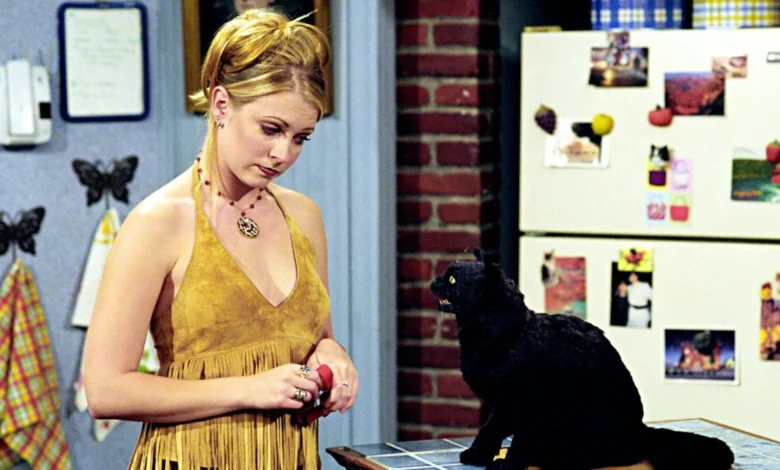
In the landscape of late-20th-century American television, the mid-1990s represented a golden era for the traditional broadcast sitcom. Networks were saturated with defining cultural touchstones such as Friends, Seinfeld, Full House, and Boy Meets World. Within this crowded and competitive media ecosystem, introducing a new comedy series required a unique hook to capture viewer attention. In September 1996, the American Broadcasting Company (ABC) debuted a half-hour television adaptation that successfully blended domestic family comedy with supernatural fantasy. Based on characters originally introduced in Archie Comics, Sabrina the Teenage Witch emerged as a durable commercial and critical success, sustaining a seven-season broadcast run comprising 163 episodes and cementing its place in the pop-culture lexicon.
Origins in Print and the Evolution of the Adaptation
The genesis of Sabrina Spellman dates back to October 1962, when the character first appeared in Archie’s Madhouse #22, created by writer George Gladir and artist Dan DeCarlo. Initially conceived as a lighthearted, secondary fixture within the broader Archie Comics universe, Sabrina was a gentle teenage witch navigating normal adolescent trials alongside her magical abilities. For decades, the character remained primarily within the confines of print, alongside animated adaptations that aired in the early 1970s.
By the mid-1990s, television producers recognized an opportunity to translate comic book properties into live-action formats tailored to a younger demographic. Developed for television by Nell Scovahn and executive produced by Hartbreak Films—the production company founded by star Melissa Joan Hart and her mother, Paula Hart—the live-action series reimagined the protagonist as a 16-year-old high school student residing in the fictional town of Westbridge, Massachusetts. Forced to live with her two eccentric aunts, Hilda and Zelda, after discovering her magical heritage on her sweet-sixteen birthday, Sabrina had to learn the responsibilities of witchcraft while concealing her supernatural identity from mortal peers.
Production Chronology and Network Transitions

The broadcasting history of Sabrina the Teenage Witch is divided into two distinct eras defined by network migration. The series premiered on ABC on September 27, 1996, anchoring the network’s high-performing TGIF Friday night programming block. During its first four seasons on ABC, the series regularly drew substantial audiences, often pulling in over 14 million viewers per episode and establishing itself as a cornerstone of Friday night family viewing.
Following the conclusion of its fourth season in May 2000, creative differences and licensing negotiations between the production company and ABC led to a network transition. The show moved to The WB television network for its final three seasons, premiering its fifth season in October 2000. While the move coincided with a natural aging of the characters—transitioning the narrative focus from high school to college and subsequent early adulthood in Boston—the ratings experienced a steady decline. The series ultimately concluded its run on April 24, 2003, with the finale episode, "The End of an Era."
Character Dynamics and Ensemble Cast
At the heart of the series was Melissa Joan Hart, who transitioned to the project following the cancellation of her previous hit Nickelodeon series, Clarissa Explains It All. Hart’s portrayal of Sabrina balanced grounded teenage vulnerability with comedic timing, providing a relatable anchor for an audience navigating similar adolescent anxieties regarding identity, peer pressure, romance, and academic performance.
The supporting cast formed a vital ecosystem of contrasting personalities. Actresses Caroline Rhea and Beth Broderick portrayed Aunts Hilda and Zelda, respectively. Their dynamic relied on classic comedic tropes: Hilda embodied the impulsive, carefree, and slightly rebellious maternal figure, while Zelda served as the pragmatic, academically rigorous, and scientifically minded voice of reason. Their centuries-old magical perspectives clashed continuously with contemporary human norms, generating situational humor.
In the mortal sphere, Sabrina’s early romantic interest Harvey Kinkel, played by Nate Richert, provided a steady emotional baseline, while high school friends Jenny Kelly (Michelle Beaudoin) and Valerie Birkhead (Lindsay Sloane), alongside antagonist Libby Chessler (Jenna Leigh Green), filled out the traditional high school archetypes. As the series progressed into the college years, the ensemble evolved to include characters such as Josh (David Lascher) and Morgan Cavanaugh (Soleil Moon Frye).
The Cultural Phenomenon of Salem Saberhagen
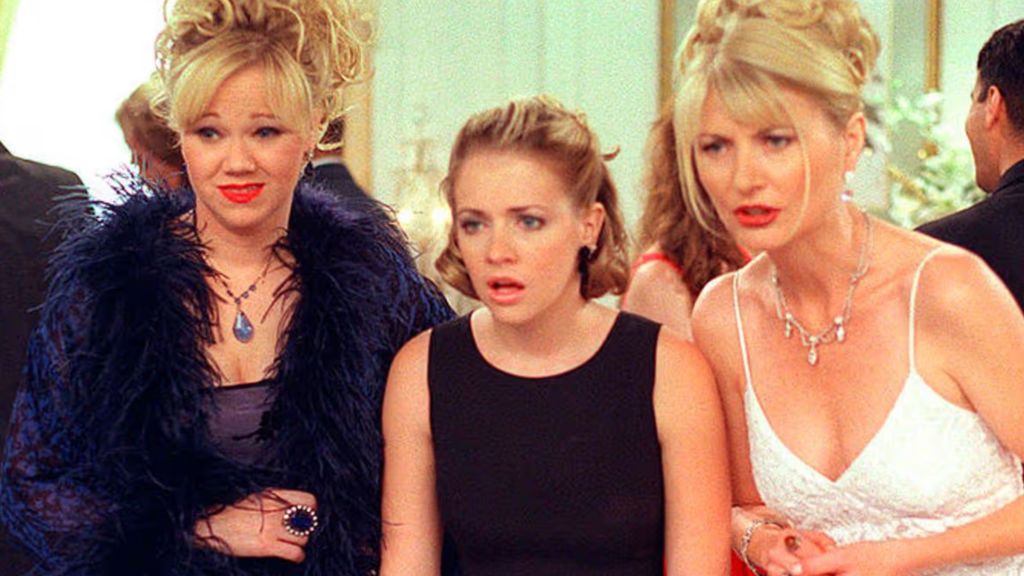
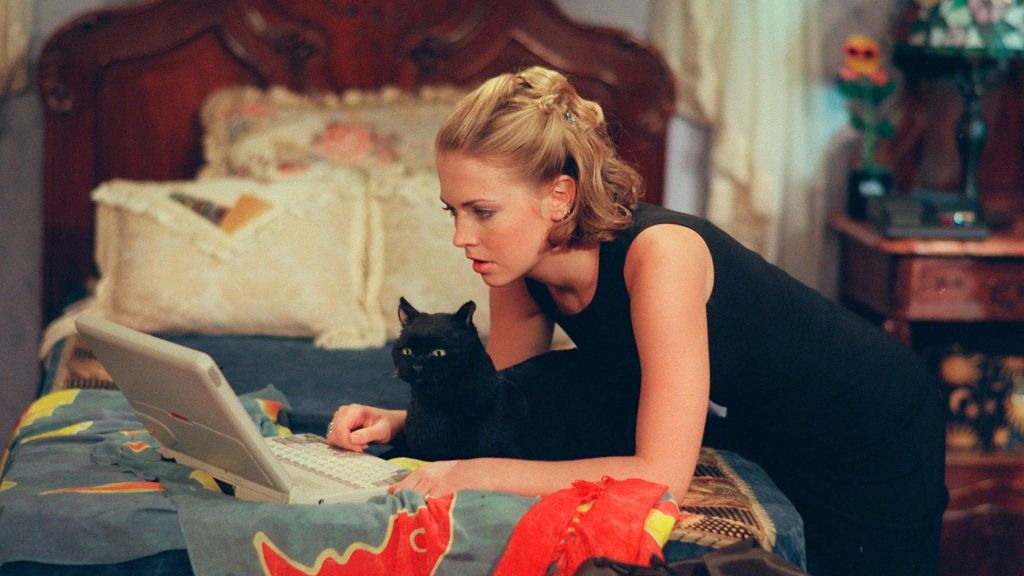
Despite the strength of the human ensemble, the character widely recognized by critics and fans as the series’ breakout star was Salem Saberhagen, a 500-year-old warlock condemned to spend 100 years trapped inside the body of a domestic shorthair cat as punishment for attempting to take over the world. Voiced by comedian and writer Nick Bakay, Salem combined megalomaniacal ambitions with the mundane frustrations of feline dependency.
Salem’s dialogue frequently subverted the wholesome nature of the family sitcom. Possessing an encyclopedic knowledge of dark magic, historical grievances, and pop culture, the character delivered deadpan, cynical commentary from his perch in the Spellman kitchen. This creative choice introduced a layer of subversive humor that appealed to older demographics watching alongside younger viewers.
The technical execution of Salem involved a combination of sophisticated animatronic puppets created by Jim Henson’s Creature Shop, mechanical stand-ins, and, when necessary, trained live cats. The seamless integration of these methods allowed Salem to interact believably with the human cast, further elevating the character’s status within the production. The impact of Salem extended beyond the screen; the character was nominated for and won the "Favorite Animal" category at Nickelodeon’s Kids’ Choice Awards for three consecutive years (1998, 1999, and 2000).
Syndication, Streaming, and Legacy
Following its network broadcast conclusion, Sabrina the Teenage Witch transitioned into domestic and international syndication, ensuring its exposure to subsequent generations of viewers. The show’s enduring popularity prompted its inclusion in the streaming libraries of major platforms, ensuring consistent visibility in the digital age.
The cultural footprint of the 1996 series also redefined how the source material was perceived. The success of the live-action sitcom permanently altered the character of Salem within Archie Comics, prompting comic publishers to incorporate the warlock-cat backstory into later comic book iterations. Furthermore, the property’s thematic flexibility was demonstrated decades later when Warner Bros. Television and Netflix developed Chilling Adventures of Sabrina (2018–2020), a much darker, horror-oriented adaptation of the same underlying comic book concepts.
Broader Industry Implications and Analysis
The longevity of Sabrina the Teenage Witch offers valuable insight into the mechanics of 1990s television production. By utilizing high-concept premises grounded in accessible, character-driven storytelling, networks were able to construct multi-demographic hits that appealed simultaneously to children, adolescents, and adults. The use of practical and animatronic effects for non-human characters also demonstrated the viability of hybrid physical performance in weekly television formats prior to the widespread implementation of computer-generated imagery.
Ultimately, the series remains a notable example of successful page-to-screen adaptation. By maintaining a balance between the fantastical elements of witchcraft and the universal struggles of coming of age, Sabrina the Teenage Witch secured its place as an enduring artifact of late-20th-century television history.