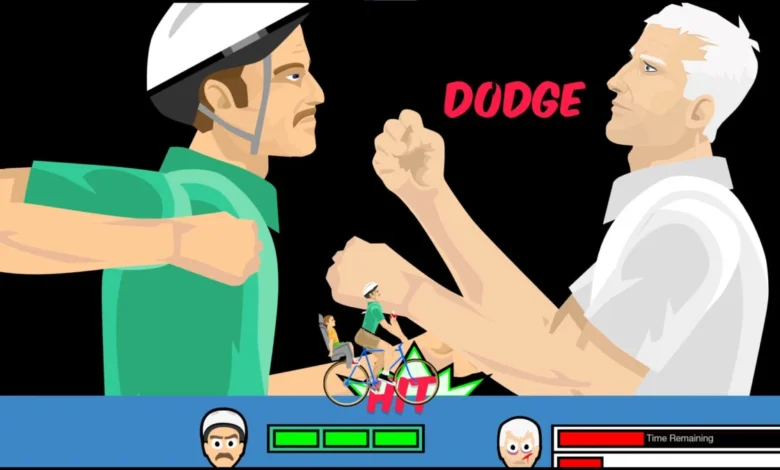
The release of the long-standing browser phenomenon Happy Wheels on the Steam platform marks a significant milestone in the preservation and commercial transition of early 21st-century web gaming. After more than a decade and a half as a staple of the Adobe Flash era, the ragdoll physics-based racing title has officially migrated to the Valve-operated storefront. The transition has been met with extraordinary consumer interest, evidenced by a staggering 750,000 user wishlists in the two weeks leading up to its formal launch.
For developer Jim Bonacci, the reception has been as unexpected as it is overwhelming. Having managed the title independently for over 16 years, the developer had initially projected modest interest, estimating a potential initial audience of approximately 5,000 users. Instead, the game has surged to the forefront of the indie gaming conversation, proving that the appetite for "gruesome nostalgia" remains robust among the modern PC gaming demographic.
A Chronology of a Web Classic
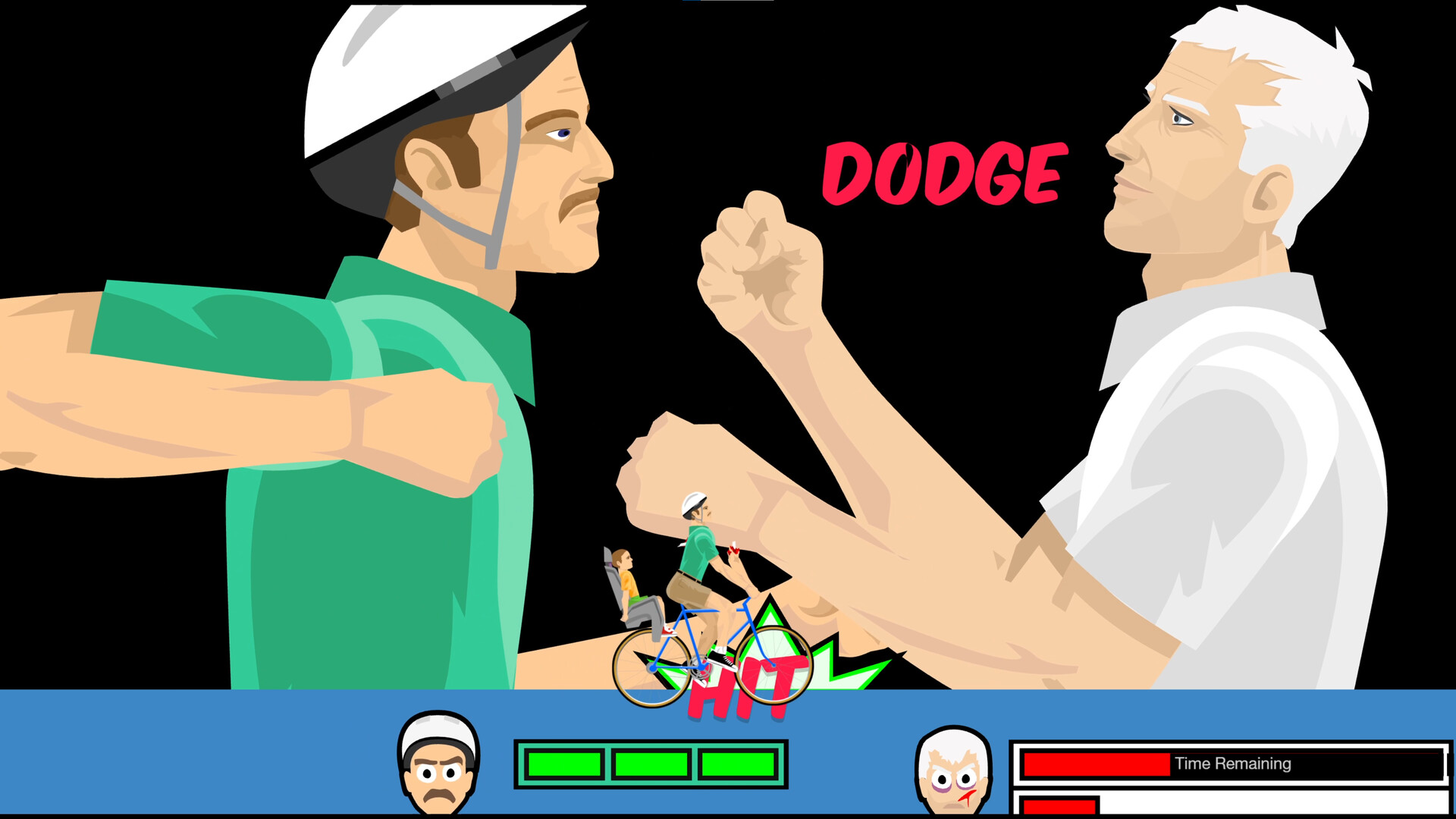
The journey of Happy Wheels began in 2010, at the height of the Flash gaming explosion. Developed by Jim Bonacci, the game distinguished itself through a brutal, physics-driven gameplay loop where players navigated various characters—ranging from a wheelchair-bound elderly man to a man on a bicycle—through obstacle courses filled with traps, spikes, and lethal machinery.
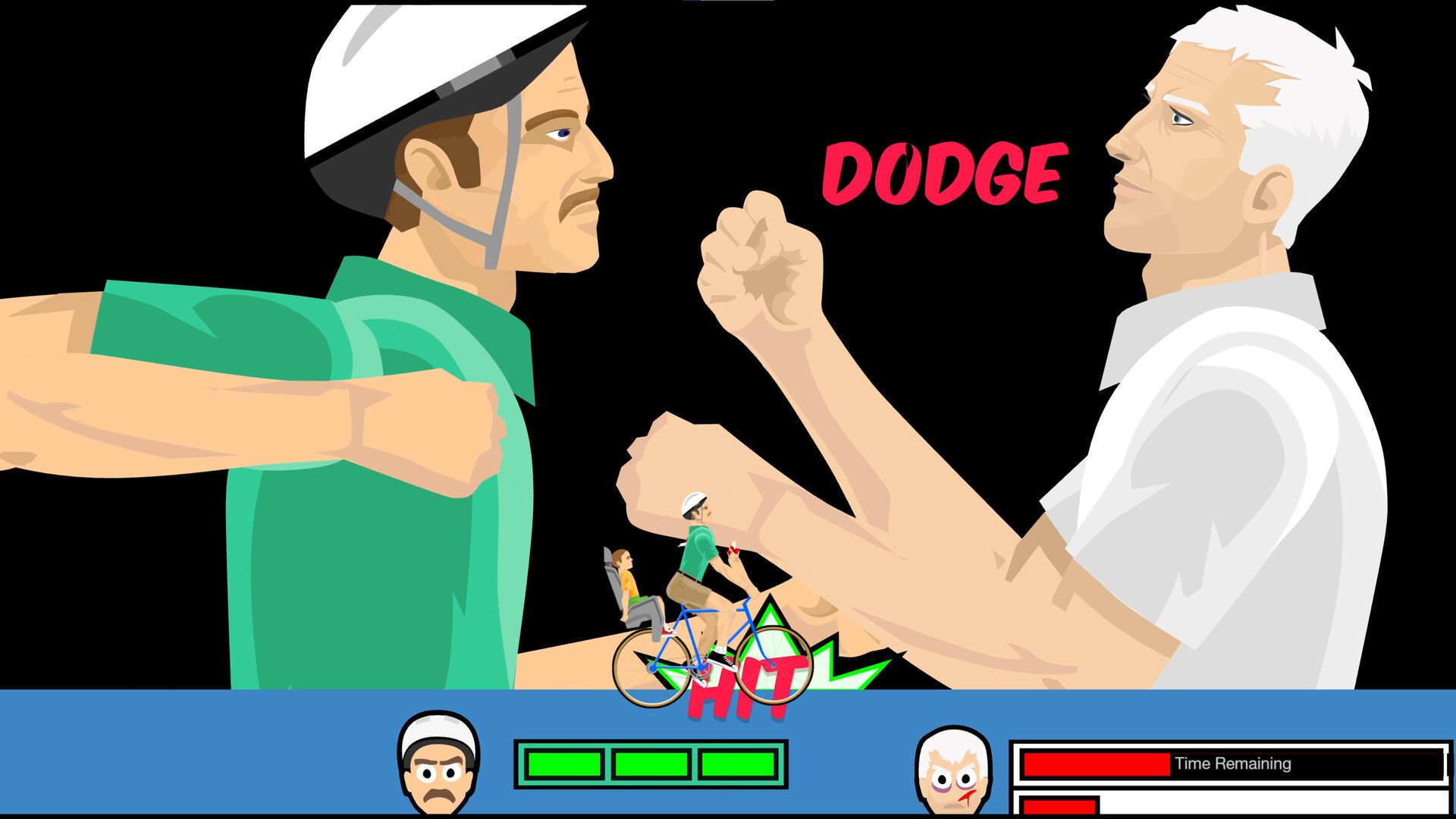
The game’s trajectory can be divided into several critical phases:
- 2010: Happy Wheels launches as a browser-based Flash game on the Total Jerkface website, quickly becoming a viral sensation due to its unpredictable, often hilarious, and visceral physics-based fatalities.
- 2010–2020: The game maintains a massive, consistent player base, supported by a prolific community of user-generated content creators who utilized the built-in level editor to create thousands of custom challenges.
- 2020: As Adobe announced the impending end-of-life for Flash, Bonacci transitioned the game to JavaScript. This move was critical in preventing the game from becoming "lost media" following the formal deprecation of the Flash Player plugin.
- 2021: Google Chrome officially finalized its support for Flash, rendering the majority of the internet’s browser-based gaming library inaccessible. Happy Wheels survived this transition due to the prior JavaScript port.
- 2024: The title officially enters the Steam marketplace, bringing the classic experience to a modern launcher, complete with performance optimizations and the stability required for contemporary operating systems.
The Technical Transition and Preservation
The shift to Steam is more than a simple distribution change; it represents a broader trend in the gaming industry toward the preservation of legacy titles. When Adobe Flash was officially retired by browser developers in 2021, thousands of titles—many of which defined the childhoods of the millennial and Gen Z demographics—were essentially erased from the web.
Happy Wheels represents a successful case study in digital preservation. By rewriting the game’s core architecture into JavaScript, Bonacci ensured that the title remained playable while browsers phased out the legacy software that once powered it. The move to Steam formalizes this longevity, providing a stable, high-performance environment for the game to reach a new generation of players who may have never experienced the original browser iteration.
"As a 20-plus year Steam connoisseur and a game developer with zero contacts in the industry, it’s both shocking and supremely welcoming to get this type of reception," Bonacci noted in a recent statement. The developer emphasized that the game’s success is a testament to the community that has sustained it for nearly two decades, many of whom have now transitioned from casual browser players to dedicated Steam users.
Analyzing the Market Impact
The decision to list the game at a modest $5 price point has been identified by analysts as a key factor in its high conversion rate. By maintaining a low barrier to entry while capitalizing on the brand equity built over 16 years, the developer has effectively bridged the gap between "free-to-play" nostalgia and the expectations of a modern digital storefront.
The 750,000 wishlists statistic is particularly notable for an indie title of this age. In the current market, where Steam hosts thousands of new releases annually, generating that level of organic interest without a massive marketing budget is rare. It suggests that brand recognition—coupled with a loyal, long-term fanbase—remains one of the most powerful drivers of success in the indie sector.
Implications for Future Remasters and Ports
The success of Happy Wheels on Steam may encourage other independent developers of the late-2000s web era to consider similar transitions. Many developers who created hit games during the "Flash Gold Rush" have moved on to other careers, leaving their portfolios to wither alongside the platforms that hosted them. However, the commercial potential demonstrated by this transition suggests that there is a viable, perhaps even lucrative, path for the preservation of these titles.
Industry observers note that the "nostalgia economy" is a growing force in video games. As the generation that grew up on sites like Newgrounds and Armor Games enters their prime working years, the demand for accessible, high-quality ports of their childhood favorites is increasing. If developers can successfully modernize their codebases—as Bonacci did with the JavaScript port—they can tap into a market that is both eager to relive the past and willing to support the original creators.

Conclusion: A Legacy Secured
The migration of Happy Wheels to Steam is a triumph of longevity. In an industry that often prioritizes the "next big thing" and high-fidelity graphics, the enduring popularity of this ragdoll physics title serves as a reminder that gameplay mechanics, community engagement, and a distinct identity remain the primary pillars of long-term success.
For the developer, the current moment is one of validation. The transition from a small-scale, hobbyist project to a commercially successful Steam title is the culmination of years of maintenance and community stewardship. As new players discover the game for the first time and veterans return to test their skills once more, Happy Wheels is poised to remain a relevant fixture in the gaming landscape for years to come, safely removed from the threat of browser-based obsolescence.
Moving forward, the focus for the title will likely remain on stability and the continued support of its robust level-creation community. With its place on the Steam store secured, the game is no longer just a memory of the internet’s past; it is a permanent fixture of its future, ensuring that the legacy of the Flash era continues to influence the digital gaming landscape.