Blizzard Entertainment takes a hardline stance against RMT in World of Warcraft Forever to preserve long-term economic stability

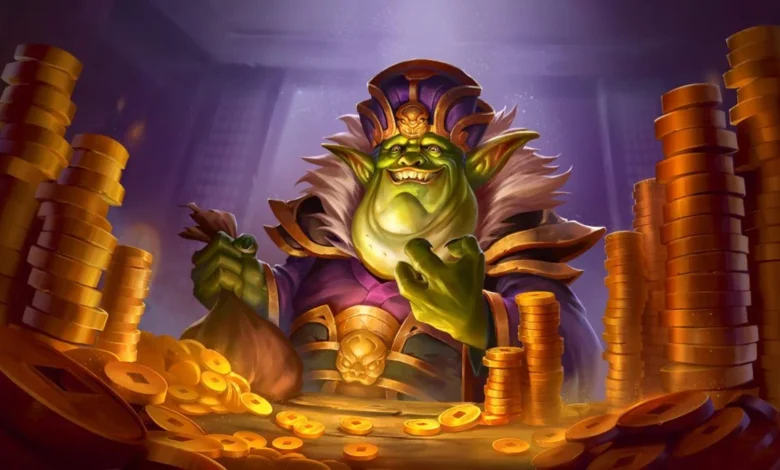
The early years of World of Warcraft were defined as much by the sprawling, emergent social landscape of Azeroth as they were by the invasive presence of "gold farmers." For many players logging in during the mid-2000s, the experience was punctuated by the sight of character corpses meticulously arranged in capital cities to spell out URLs, directing players toward third-party marketplaces where virtual gold could be purchased for real-world currency. This practice, known as Real-Money Trading (RMT), became a systemic issue that fundamentally altered the game’s internal economy, devaluing player effort and professional tradeskills.
As Blizzard Entertainment prepares for the launch of its latest iteration of the franchise, titled World of Warcraft: Forever, the developer has signaled a major shift in policy. No longer content with the "light touch" approach that characterized previous enforcement efforts, the studio is now promising a zero-tolerance policy toward players who engage in illicit currency exchanges.
The Evolution of the Gold Economy
In the original iteration of World of Warcraft, gold was a scarce resource. Players spent weeks accumulating enough capital to afford epic mounts or high-end gear enhancements. This scarcity created a vacuum that was quickly filled by offshore farming operations. These organizations employed armies of automated accounts—"bots"—that would harvest resources and gold at a speed no human player could match.
This influx of illicit currency led to rampant inflation. When gold is cheap to buy, the cost of goods on the Auction House skyrockets, pricing out legitimate players who rely on grinding quests and dungeons. Over the last two decades, this cycle has repeated across multiple versions of the game, including World of Warcraft Classic and the various expansions that followed. The introduction of GDKP (Gold Dragon Kill Points) runs—where players bid on raid items using gold—further incentivized RMT, as players sought to buy their way into powerful gear rather than earning it through traditional progression.
A Pivot Toward Aggressive Enforcement
The shift in policy was confirmed during a recent developer Q&A session, where senior game designer Josh Greenfield addressed the community’s mounting concerns. Greenfield explicitly linked the health of the game’s economy to the severity of the developer’s response.
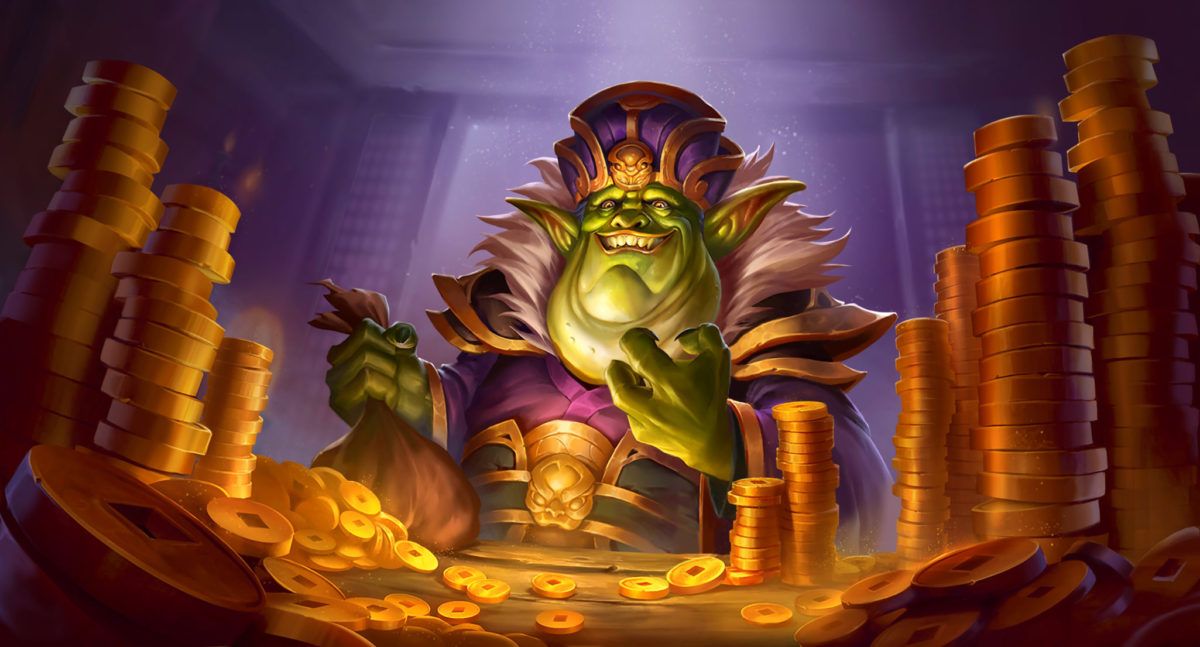
"Being frank, we’ve been probably too lenient on gold buyers and it’s been a little bit easy to get around some of our actions before and we are taking it very seriously," Greenfield stated. He underscored the gravity of the situation by highlighting the long-term risk to players: "As someone who’s got a 22-year-old World of Warcraft account, I can tell you it’s not worth losing it permanently."
This shift suggests that Blizzard is moving away from the temporary account suspensions that previously defined their anti-cheat strategy. Instead, the focus is now on permanent account termination for those caught purchasing gold. The intent is to raise the "cost" of cheating to a level that outweighs the perceived benefit of bypassing the game’s progression systems.
Economic Implications for World of Warcraft: Forever
The design philosophy behind World of Warcraft: Forever presents a unique challenge for the development team. Unlike standard expansions where the level cap increases and new gear tiers render old items obsolete, this version of the game is structured to maintain relevance across all levels. In an environment where the ceiling remains static, the value of the economy is the primary driver of player retention.
If the market is flooded with hyper-inflated currency, the incentive for players to engage with "tradeskills"—such as blacksmithing, alchemy, or engineering—evaporates. When a player can simply buy the best items on the market, the intricate web of resource gathering and crafting that makes an MMO ecosystem function begins to collapse. By targeting the demand side of the RMT market—the gold buyers—Blizzard aims to starve the supply side of the incentive to maintain bot networks.
Comparative Analysis: The MMO Trading Landscape
The challenges facing Blizzard are not unique to the Warcraft franchise. Other titles in the genre have faced similar struggles with black-market economies. Path of Exile 2, for example, operates on a complex player-driven trade system. In that title, even minor exploits can lead to massive price volatility within hours.
Financial analysts observing the gaming sector note that for an MMO to survive for multiple decades, it must maintain a "sanctity of labor." If a player feels that their time is worth less than the price of a gold purchase, the core engagement loop breaks. By implementing "tuning knobs" that control supply and demand, Blizzard is attempting to manage the economy with the precision of a central bank, rather than letting it be dictated by illicit external actors.
Looking Ahead: The Enforcement Timeline
While Blizzard has not released a granular timeline for when these new enforcement measures will reach full capacity, the message to the player base is clear. The developer is shifting the burden of economic integrity from the backend algorithms to the users themselves.
The effectiveness of this policy will ultimately depend on the accuracy of Blizzard’s detection systems. In the past, false positives—where legitimate players trading items among friends were flagged for RMT—have been a point of contention. The studio will need to balance its aggressive, permanent-ban policy with robust human-in-the-loop oversight to ensure that the "sanctity of the economy" does not come at the cost of alienating the legitimate player base.
Broader Industry Impact
The industry-wide move toward stricter anti-RMT enforcement reflects a growing trend among major publishers. As live-service games become more integrated into the financial lives of their players, the protection of in-game value has become a priority for user retention.
For the community of World of Warcraft: Forever, the promise of a "cleaner" economy is a welcome development. However, the success of this initiative will be measured not by developer statements, but by the stability of the Auction House prices in the months following the game’s launch. If Blizzard can successfully curb the influence of gold farmers and RMT, it may establish a new gold standard for how legacy MMOs handle the transition into the modern gaming era.
Ultimately, the choice facing players is stark. The allure of shortcutting the grind has always been tempting, but for the first time in the game’s history, the cost of doing so is being explicitly framed as the total loss of the player’s history in the game. Whether this will deter the persistent black market remains to be seen, but for now, the developers have drawn a line in the sand that few are likely to cross without consequence.
Related posts: