Guillermo del Toro’s Pan’s Labyrinth Marks Two Decades of Dark Fantasy with Comprehensive Anniversary Book Releases from Insight Editions

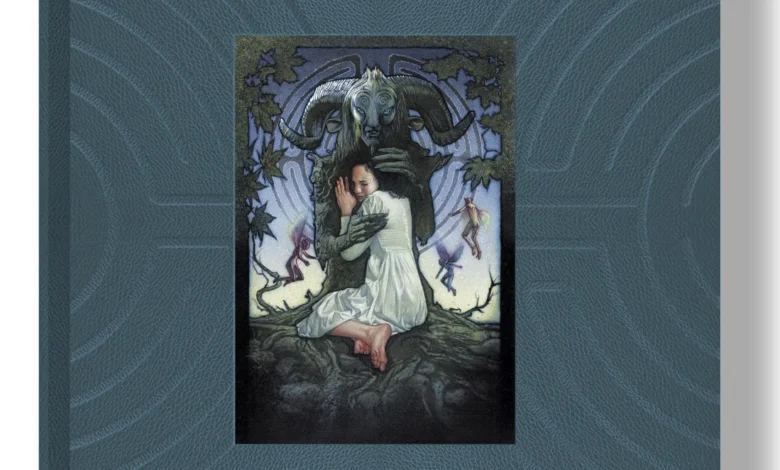
Two decades after its initial theatrical release, Guillermo del Toro’s Academy Award-winning masterpiece Pan’s Labyrinth continues to stand as a definitive milestone in modern dark fantasy. The film, which brilliantly intertwines the brutal socio-political reality of post-Civil War Francoist Spain with a haunting, folklore-infused fairy tale, is being commemorated by Insight Editions through the publication of two extensive companion hardcovers. Designed to chronicle the cinematic journey from its genesis on the page to its meticulous realization on the soundstage, these commemorative editions offer both casual fans and cinephiles an unprecedented look at the creation of a modern classic.
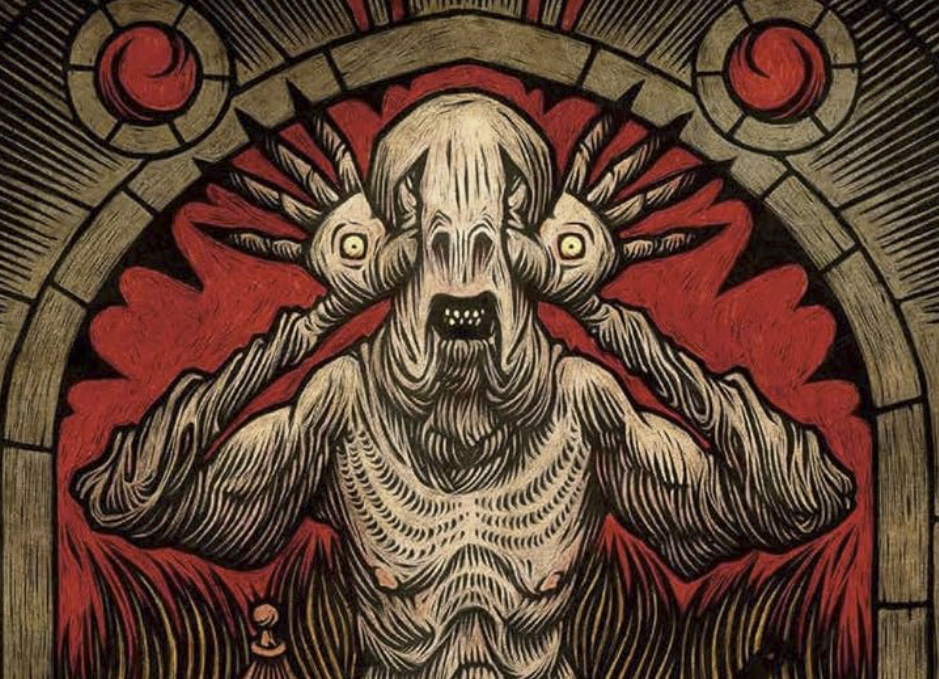
The anniversary rollout features two distinct publications: Pan’s Labyrinth: The Complete Screenplay and an expanded reissue titled Guillermo del Toro’s Pan’s Labyrinth: Inside the Creation of a Modern Fairy Tale — 20th Anniversary Edition. Together, these volumes illuminate the collaborative genius, artistic vision, and logistical hurdles that defined the 2006 international co-production between Spain and Mexico, cementing its legacy in cinematic history.
The Evolution of a Masterpiece: Main Facts and Publication Details
Insight Editions has structured the anniversary collection to cater to various tiers of film enthusiasts, ranging from scriptwriters to prop and concept art collectors.
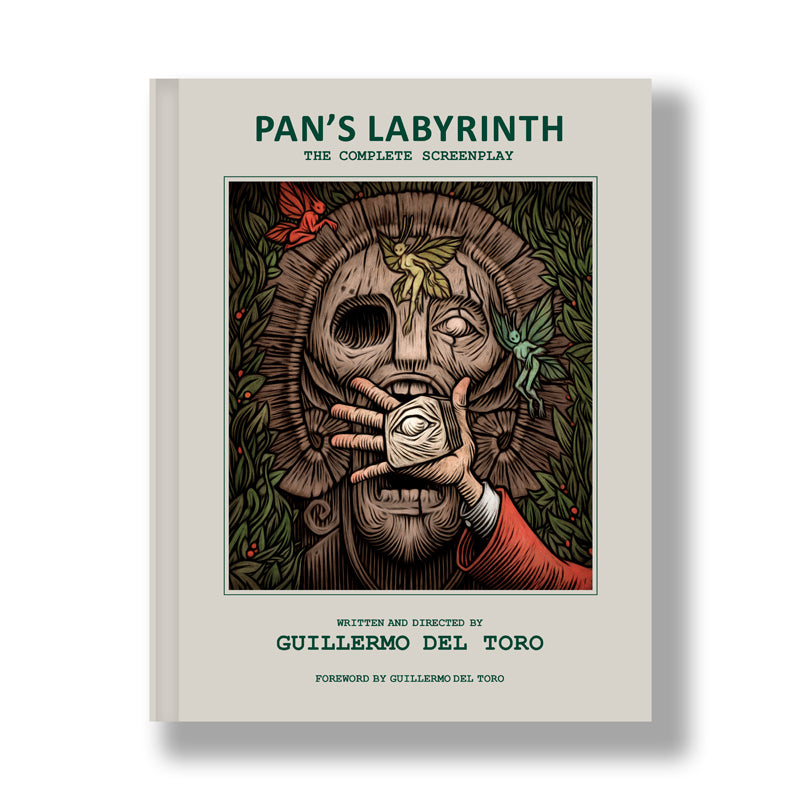
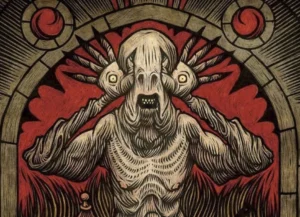
Priced at $50, Pan’s Labyrinth: The Complete Screenplay offers a 304-page deep dive into the written foundation of the film. Beyond the full shooting script, the book is heavily illustrated with early concept art and storyboards that trace the visual maturation of iconic creatures such as the Pale Man and the Faun. The publication benefits from a newly penned introduction by director Guillermo del Toro, setting a reflective tone, alongside a foreword contributed by acclaimed filmmaker Baz Luhrmann, who contextualizes the film’s operatic and emotional resonance. Furthermore, the edition incorporates newly commissioned artwork by Tomás Hijo, a Spanish illustrator whose distinct painterly style has become synonymous with the official marketing and poster designs of del Toro’s filmography.
Running parallel to the screenplay is the expanded 20th Anniversary Edition of the original making-of book. Originally authored by Mark Cotta Vaz and Nick Nunziata, with active contributions from del Toro, this updated version carries a prestigious foreword by legendary director Steven Spielberg. According to promotional materials from Insight Editions, this reissue features fresh interviews conducted with key cast and crew members, paired with previously unpublished concept art and behind-the-scenes photography.
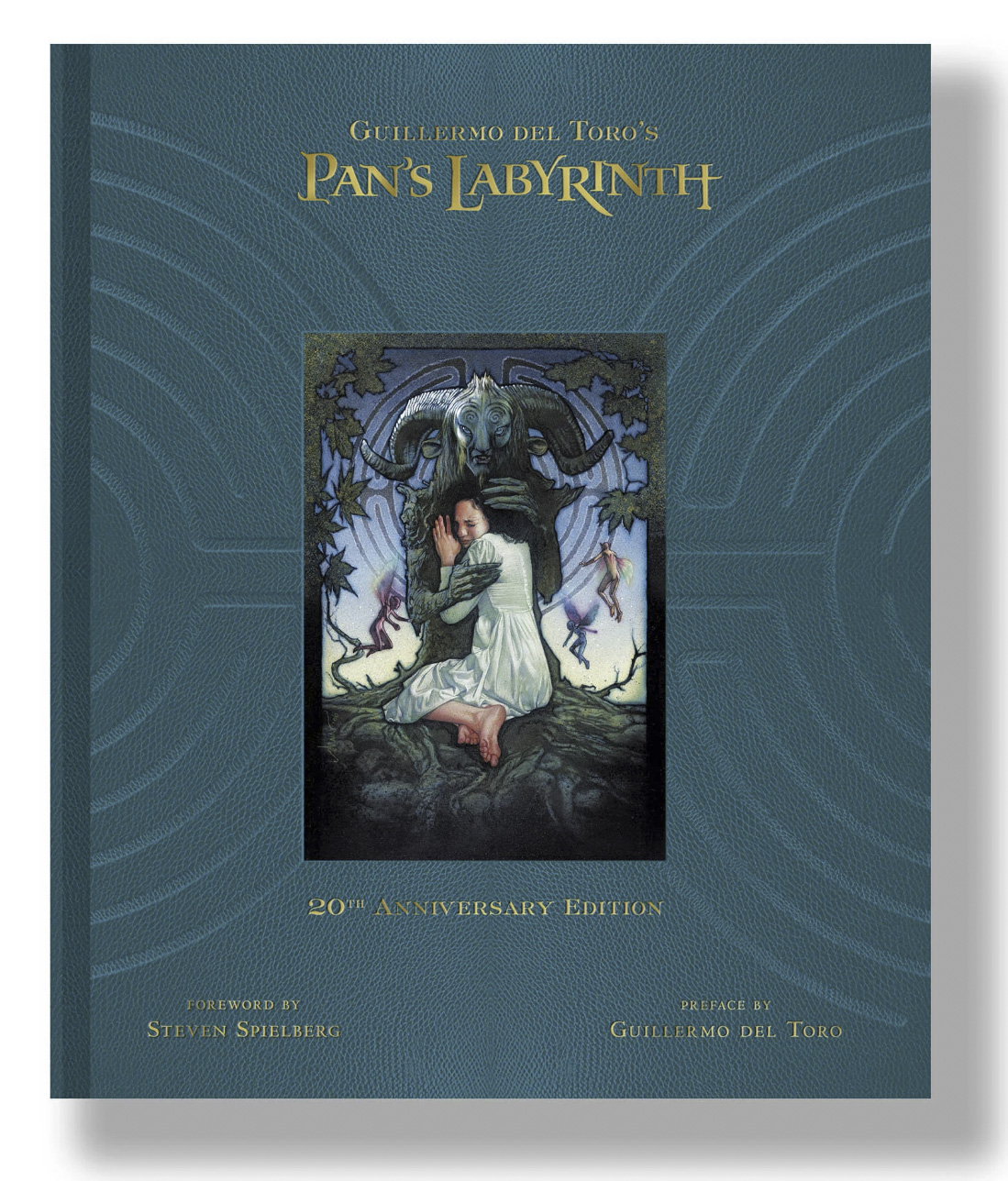
The making-of volume comes in multiple configurations. The standard edition is listed at $60, while a highly anticipated limited collector’s tier ranges from $175 to $350 depending on the specific bundle. Limited to just 500 copies worldwide, these high-end versions include exclusive portfolio inserts, additional prints by Tomás Hijo, and meticulous facsimile pages pulled directly from the film’s prop Book of Crossroads, offering a tangible connection to the prop-making craftsmanship of the original production.
However, the rollout has experienced minor logistical friction. While several retail outlets initially reported a street date of September 8, 2026, listings directly from Insight Editions indicated a pre-order schedule pointing toward a November 17, 2026, shipping date. Such discrepancies are common in the publishing industry for specialty art and film books, reflecting the complexities of international distribution and manufacturing limited-run collector items.

Chronology and Historical Context: From Conception to Legacy
To fully appreciate the significance of these 20th-anniversary publications, one must examine the timeline of Pan’s Labyrinth and the historical backdrop that inspired it. Conceived by del Toro years before production began, the film’s narrative framework operates on a dual track: the external historical reality of 1944 Spain under the fascist regime of General Francisco Franco, and the internal, psychological sanctuary sought by a young protagonist named Ofelia.
Following the Nationalist victory in the Spanish Civil War, the rural Spanish countryside remained a site of violent insurgency, where Republican partisans (the Maquis) waged guerrilla warfare against the Guardia Civil and the Falangist military. Del Toro utilized this setting—specifically the brutal Captain Vidal, played by Sergi López—to personify institutional fascism, bureaucratic cruelty, and patriarchal violence. Contrastingly, the labyrinthine underworld governed by the Faun serves not merely as a whimsical escape, but as a morally ambiguous realm of tests and trials that mirror the harsh realities of Ofelia’s waking life.

Upon its premiere at the 2006 Cannes Film Festival, Pan’s Labyrinth received a sweeping critical ovation, eventually securing six Academy Award nominations and winning three: Best Art Direction, Best Cinematography, and Best Makeup. The film proved that dark fantasy, when executed with intellectual rigor and emotional sincerity, could transcend genre boundaries and achieve status as high art. Over the past two decades, its influence has permeated the fantasy genre, inspiring a generation of filmmakers to explore historical trauma through metaphorical and supernatural lenses.
Industry Perspectives and Official Contributions
The inclusion of high-profile industry figures in these anniversary volumes underscores the cultural impact del Toro’s work has had on his peers. Baz Luhrmann’s foreword in the screenplay book positions del Toro as an auteur who bridges the gap between classic European art-house cinema and modern populist myth-making. Luhrmann’s commentary emphasizes the geometry of the film’s framing, the deliberate color grading—shifting from the harsh, sterile blues of the fascist encampment to the earthy, organic tones of the labyrinth—and the rigorous architectural planning required to bring the subterranean sets to life.

Meanwhile, Steven Spielberg’s foreword in the making-of volume reflects on the rare mastery required to balance historic atrocities with whimsical folklore without undermining either. Spielberg’s endorsement highlights del Toro’s unique position in Hollywood and international cinema as a custodian of practical effects, creature design, and handcrafted cinematic magic.
The contributions from Tomás Hijo further reinforce the cultural exchange at the heart of the project. As a Spanish artist engaging with a quintessentially Spanish historical trauma filtered through a modern cinematic lens, Hijo’s prints provide a contemporary visual dialogue that honors the film’s roots while introducing fresh interpretations for longtime collectors.

Broader Economic and Cultural Implications
The release of these commemorative hardcovers arrives at a time when the market for high-end, behind-the-scenes film literature is experiencing robust growth. Physical media collectors, art book enthusiasts, and fans of physical artifacts have increasingly driven demand for premium publishing initiatives. Companies like Insight Editions have capitalized on this trend by transforming standard making-of books into luxury collector items featuring facsimile ephemera, bespoke slipcases, and limited press runs.
From an analytical standpoint, the longevity of Pan’s Labyrinth and the commercial viability of publishing a $350 prop-replica-infused art book two decades after a film’s release illustrate a significant shift in film fandom. Modern audiences do not merely consume media; they collect the historiography of its creation. Books that document storyboards, script revisions, and makeup tests serve as archival documents that preserve the labor-intensive practical artistry of an era increasingly dominated by digital workflows.
Furthermore, the dual release of the screenplay and the expanded making-of volume acts as an educational resource for aspiring filmmakers and screenwriters. By examining the transition of words on a page to storyboards, and ultimately to physical sets populated by actors and practical animatronics, readers gain insight into the collaborative machinery of international filmmaking.
As Pan’s Labyrinth enters its third decade, these publications ensure that the meticulous craftsmanship, historical gravity, and timeless fairy-tale architecture of del Toro’s vision remain documented for future generations of artists, historians, and lovers of dark fantasy.
Related posts: