Bulkhead CEO Joe Brammer Defends Studio Work Culture and Social Media Vetting Practices Following Podcast Backlash

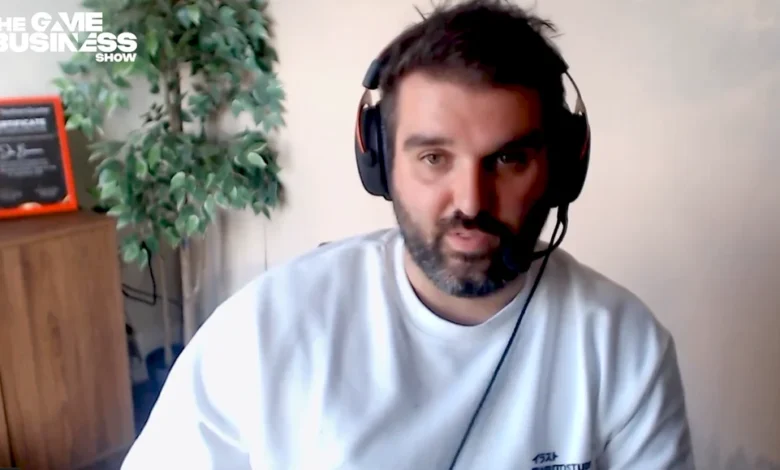
The video game industry is once again reckoning with the delicate balance between creative ambition and labor ethics, following a controversial interview given by Joe Brammer, CEO of UK-based developer Bulkhead. Known for titles such as The Turing Test, Battalion 1944, and the recently successful Early Access release Wardogs, Brammer found himself at the center of a fierce social media debate after discussing his studio’s management philosophy, particularly regarding mandatory overtime—commonly known as "crunch"—and pre-employment social media screening.
The controversy highlights ongoing tensions within the interactive entertainment sector, where traditional expectations of rapid development cycles frequently clash with modern movements toward sustainable work-life balance, employee mental health protection, and strict regulatory compliance regarding recruitment practices.
The Interview That Sparked the Backlash
The discourse began following Brammer’s appearance on The Game Business podcast, hosted by industry analyst Chris Dring. During the wide-ranging conversation about running a modern independent game studio, the conversation naturally turned toward crunch culture—a deeply sensitive subject within an industry historically plagued by labor exploitation and burnout.
When questioned about his management style, Brammer made no secret of the fact that Bulkhead occasionally requires extended hours to meet development milestones. He stated that applicants who openly oppose crunch on social platforms generally do not make it through the hiring process.
"A lot of people who may have an issue with crunch—rightly so, I understand that issue, we always try and avoid it, but we don’t hide that this is going to happen at some point," Brammer told the podcast host. He explained that candidates who are ideologically opposed to overtime are typically filtered out because Bulkhead brands itself as a high-intensity workplace where intense effort is expected in exchange for high engagement and financial rewards.
Furthermore, Brammer remarked that the studio routinely reviews the public social media profiles of prospective employees. "If you’re constantly tweeting anti-crunch messaging… we know that and go, ‘Look, you’re not going to be happy here, so we’re not going to go with you,’" he said.
These comments swiftly circulated across various industry platforms, including X (formerly Twitter) and gaming news outlets, drawing sharp criticism from labor advocates, developers, and consumers alike. Critics pointed out that screening candidates based on public political or labor-related stances could violate UK employment regulations, while others condemned the explicit normalization of overtime as an admission of systemic labor pressure.
Chronology of Events and Public Clarifications
Following a day of intense online scrutiny and critical coverage—most notably an article by PC Gamer which used the word "mandatory" to describe Bulkhead’s overtime policies—Brammer took to social media to push back against how his remarks were framed.
In an X post, Brammer argued that his comments had been stripped of crucial context. He categorically denied that crunch at Bulkhead was mandatory, writing: "No information says mandatory, they made this up."
To contextualize the studio’s broader operational philosophy, Brammer highlighted several employee-centric initiatives implemented during the development of Wardogs. He pointed out that Bulkhead had previously experimented with a four-day work week for half of the game’s production cycle, that 80 percent of the studio’s company shares are owned by 50 percent of the staff, and that all employees are traditionally granted the entire month of December off. He also emphasized that the studio’s recent commercial success would translate directly into financial rewards for the workforce.
Seeking to clear the air formally, Brammer subsequently issued a detailed statement to gaming publication Eurogamer. In the statement, he addressed a specific instance of overtime that occurred in June 2026, when the studio fell behind schedule on the Wardogs beta build.
"In this instance I apologised and said the only way I thought we could get the game into beta, was by working an extra 2 hours a day Monday through Thursday, for 4 weeks (16 working days total)," Brammer explained. He clarified that the overtime was entirely optional, noting that four individuals opted out without facing any negative repercussions. He acknowledged, however, that the social dynamics within a tight-knit team can occasionally generate subtle internal pressure.
Explaining the technical rationale behind the two-hour extension, Brammer noted that the adjustment allowed the team to process an additional daily game build, review it, and secure Quality Assurance (QA) passes without waiting overnight.
Industry Context: The Persistent Shadow of Crunch
To fully understand the gravity of the public reaction to Brammer’s statements, one must examine the historical context of labor practices within the video game industry. For decades, crunch has been treated as an inevitable byproduct of software development, often romanticized as a badge of honor necessary to deliver ambitious artistic visions.
However, investigative reporting over the past decade has exposed the severe human toll of this culture. High-profile studios—including CD Projekt Red during the turbulent development of Cyberpunk 2077, Rockstar Games during Red Dead Redemption 2, and Naughty Dog during major milestones—have faced intense public backlash after reports revealed systemic reliance on excessive, unpaid, or heavily coerced overtime.
In response to sustained pressure from labor unions, media outlets, and disgruntled employees, many prominent developers have publicly committed to eradicating crunch entirely, prioritizing sustainable production pipelines and mental health safeguards. Against this backdrop, an executive openly acknowledging an expectation of overtime and actively filtering out anti-crunch candidates represents a stark contrast to the industry’s official PR messaging, even if the studio attempts to balance it with employee equity and profit-sharing.
Regulatory Scrutiny: Social Media Vetting Under UK Law
Beyond the ethical debate surrounding overtime, Brammer’s casual admission regarding the screening of applicants’ social media accounts raised serious legal questions. In the United Kingdom, pre-employment vetting is strictly regulated by data protection legislation and the oversight of the Information Commissioner’s Office (ICO).
According to ICO guidelines, organizations are prohibited from conducting general, exploratory social media checks on job applicants unless there is a specific legal obligation—such as mandatory right-to-work checks—or if the employer can identify documented, significant risks to the business, its clients, or customers. Furthermore, candidates must be explicitly notified in advance if such screening is part of the recruitment protocol.
When pressed by journalists regarding potential legal violations, Brammer provided an official clarification to Eurogamer, insisting that his podcast remarks were informal commentary rather than an accurate reflection of company policy.
"We understand your concern, but I was speaking informally about our culture and the kind of environment we have at Bulkhead, rather than setting out our formal recruitment process," Brammer stated. "Where we do consider publicly available information as part of recruitment, it is done in line with applicable UK employment and data protection law. We don’t access private accounts or carry out covert or intrusive checks."
Legal experts note that while employers frequently review publicly available professional profiles like LinkedIn, utilizing personal social media feeds to filter out candidates based on ideological stances—such as public opposition to unpaid overtime—walks a dangerous legal tightrope under UK employment law, potentially opening companies up to claims of discrimination or unfair recruitment practices.
Innovative Experiments and Frustrations with British HR Law
Throughout the interview and subsequent statements, Brammer expressed ongoing frustration with traditional British HR frameworks, which he believes hinder innovative attempts to improve workplace flexibility. He cited the studio’s two-year experiment with a four-day work week as a prime example of an initiative that required navigating restrictive labor laws.
Brammer also discussed an unconventional approach to paternity leave that the studio attempted. After discovering that extended ten-week paternity leaves caused integration issues when new fathers returned home, Bulkhead restructured the policy to offer shorter initial leave combined with phased half-days and flexible floating days spread across the child’s first year.
While designed to support new parents and help families build sustainable routines, Brammer admitted that such bespoke policies could technically conflict with rigid statutory HR interpretations regarding equitable treatment among employees. Expressing a characteristically rebellious attitude toward bureaucratic constraints, he remarked that navigating such regulations often prompts a "sue us" mentality when trying to implement progressive internal benefits.
Commercial Success and Financial Rewards for Staff
Despite the operational controversies and social media storms, Bulkhead is currently celebrating a monumental commercial triumph. Wardogs achieved explosive success upon its release on Steam Early Access, selling an impressive two million copies within its first five days on the market.
Brammer emphasized that the financial windfall resulting from this success will not solely benefit upper management or external publishers. Because 50 percent of Bulkhead’s staff collectively hold 80 percent of the studio’s shares, a significant portion of the revenue will be distributed directly to the development team via bonuses and life-changing equity returns.
"If we’re going to be a company who says, ‘We do crunch’, then we have to also say, ‘But you get something for it,’" Brammer concluded. "We want people to know that those people who do work hard get that return, and it is life-changing… I’m going to be really excited to see juniors who have been with us for two or three years who are going to get money to buy a house, or at least a down payment."
As the gaming industry continues to evolve, the debate sparked by Bulkhead’s leadership style serves as a microcosm of a larger philosophical division: whether substantial financial compensation and progressive profit-sharing can—or should—justify the normalization of high-intensity workplace demands and cultural screening in modern game development.