Cultural evolution invariably transforms how society consumes, interprets, and evaluates art from past eras. As social norms, technological landscapes, and ethical boundaries shift, the cinematic touchstones of previous decades often face a rigorous reassessment. Films that once enjoyed universal acclaim or dominated box offices can become complex viewing experiences for contemporary audiences, who find themselves weighing historical cinematic achievements against problematic tropes, outdated humor, or objectionable social values. This phenomenon has created a distinct cultural dilemma: appreciating the undeniable filmmaking craft, stellar performances, and historical significance of classic movies while acknowledging elements that have aged poorly. Consequently, modern viewers frequently feel that expressing fondness for certain iconic films requires immediate disclaimers or contextual qualifiers.
The Friction Between Historical Context and Modern Sensibilities
The tension between yesterday’s entertainment and today’s ethical frameworks is not merely a byproduct of changing artistic standards; it reflects a broader societal maturation regarding representation, consent, power dynamics, and inclusivity. Media studies scholars note that cinema acts as a cultural artifact, capturing the prevailing prejudices, blind spots, and comedic conventions of the specific moments in which they were produced.

When historical artifacts are viewed through contemporary lenses, viewers often encounter content that ranges from casually insensitive to deeply offensive. Major studios and streaming platforms have increasingly responded to this cultural shift by appending content warnings, historical disclaimers, or introductory contextual essays to legacy titles. Rather than burying or altering historical films, these interventions aim to preserve cinematic history while encouraging critical media literacy among modern audiences.
From Frat House Antics to Old South Romances: The Evolution of Comedy and Drama
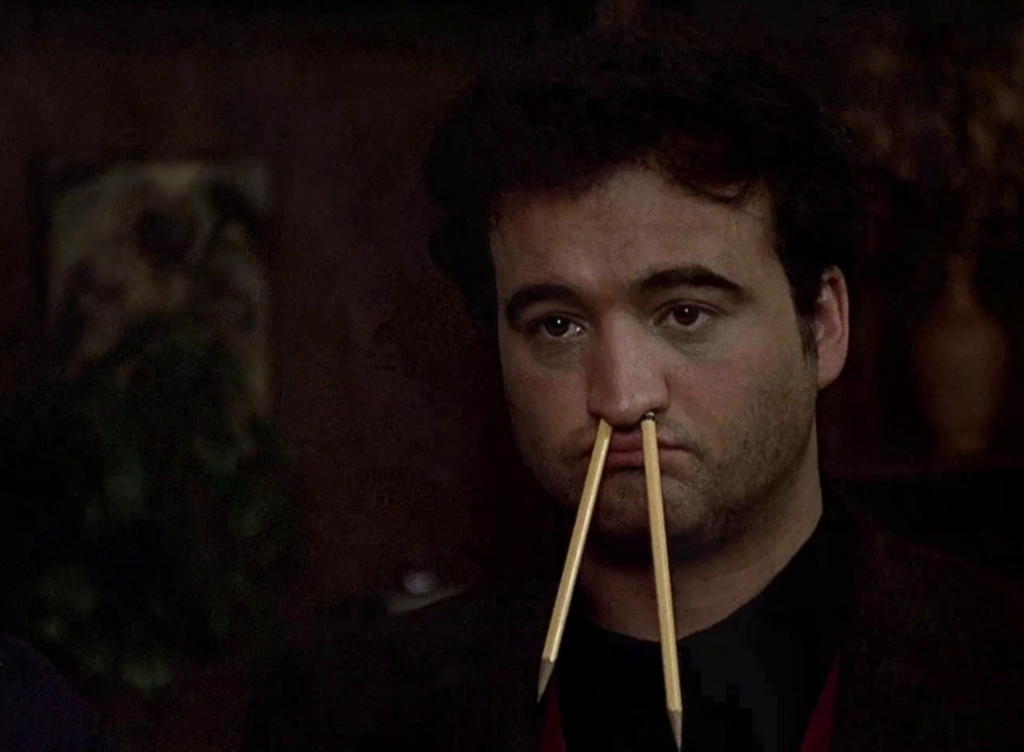
The comedy genre has perhaps experienced the most dramatic erosion of public grace. Landmark college comedies like National Lampoon’s Animal House (1978) fundamentally shaped the trajectory of American humor, yet its depiction of voyeurism, frat house hazing, and the subjugation of women creates a formidable barrier for today’s viewers. What was once broadly accepted as rebellious, anti-establishment high jinks is now frequently categorized as harassment and predatory behavior.
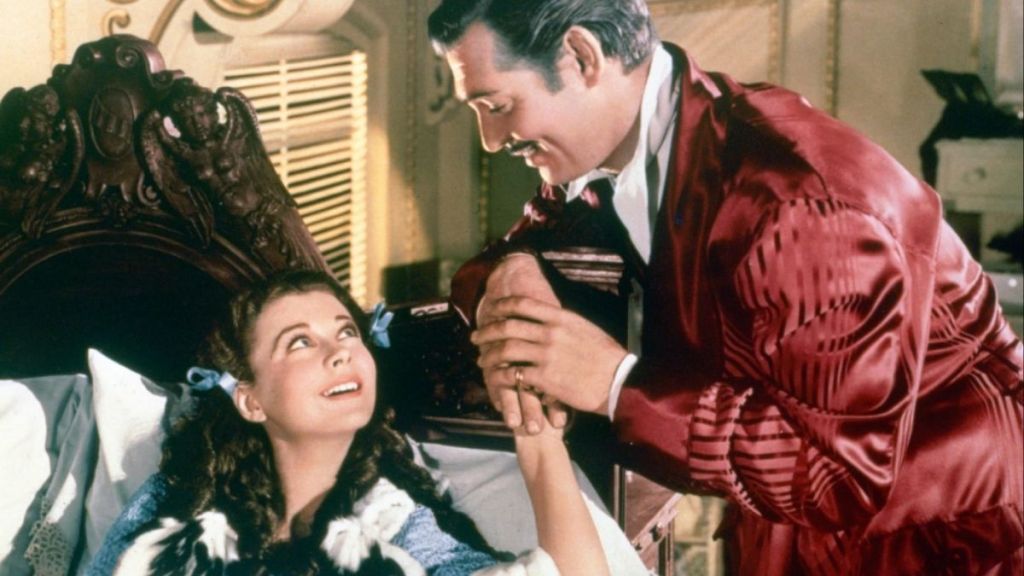
Similarly, sweeping historical dramas face profound scrutiny. David O. Selznick’s 1939 monumental epic Gone With the Wind remains a technical and artistic milestone in Hollywood history, capturing multiple Academy Awards and defining the Golden Age of studio filmmaking. However, its romanticized, sanitized depiction of the antebellum American South and its passive or paternalistic framing of chattel slavery have generated decades of fierce debate. Modern theatrical re-releases and home video distributions now routinely package the film alongside historical retrospectives and expert discussions to contextualize its racial politics.
Stereotypes and Caricatures in Golden Age and Modern Family Cinema
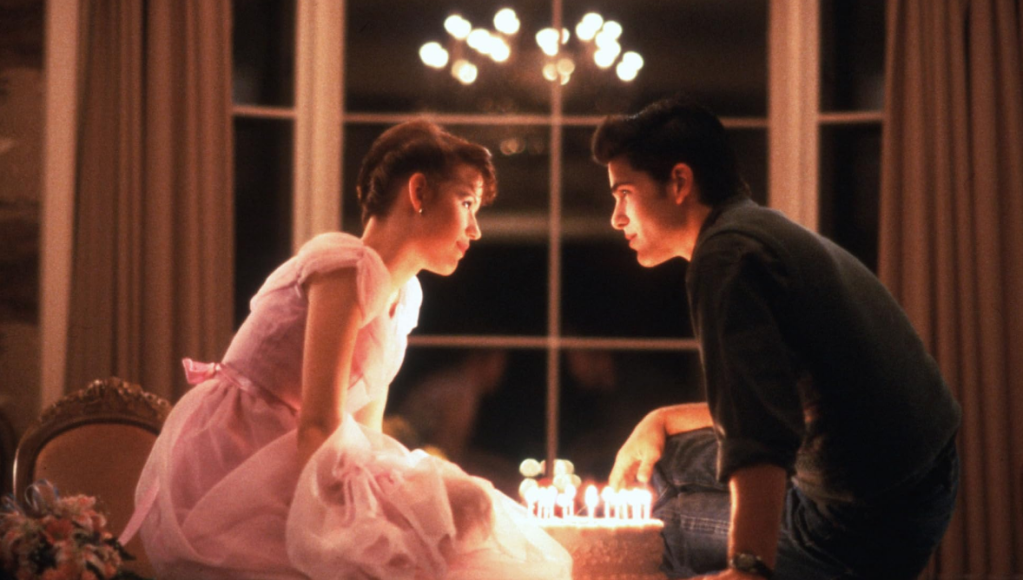
The history of cinema is also marked by persistent reliance on racial, ethnic, and cultural caricatures. John Hughes’s 1984 defining teen comedy Sixteen Candles is celebrated for capturing adolescent angst, yet the character Long Duk Dong has long been criticized as an accumulation of offensive East Asian stereotypes. Furthermore, the film’s subplot involving an intoxicated teenager left vulnerable to predatory behavior prompts serious ethical questions about consent that modern audiences find difficult to dismiss as mere slapstick.
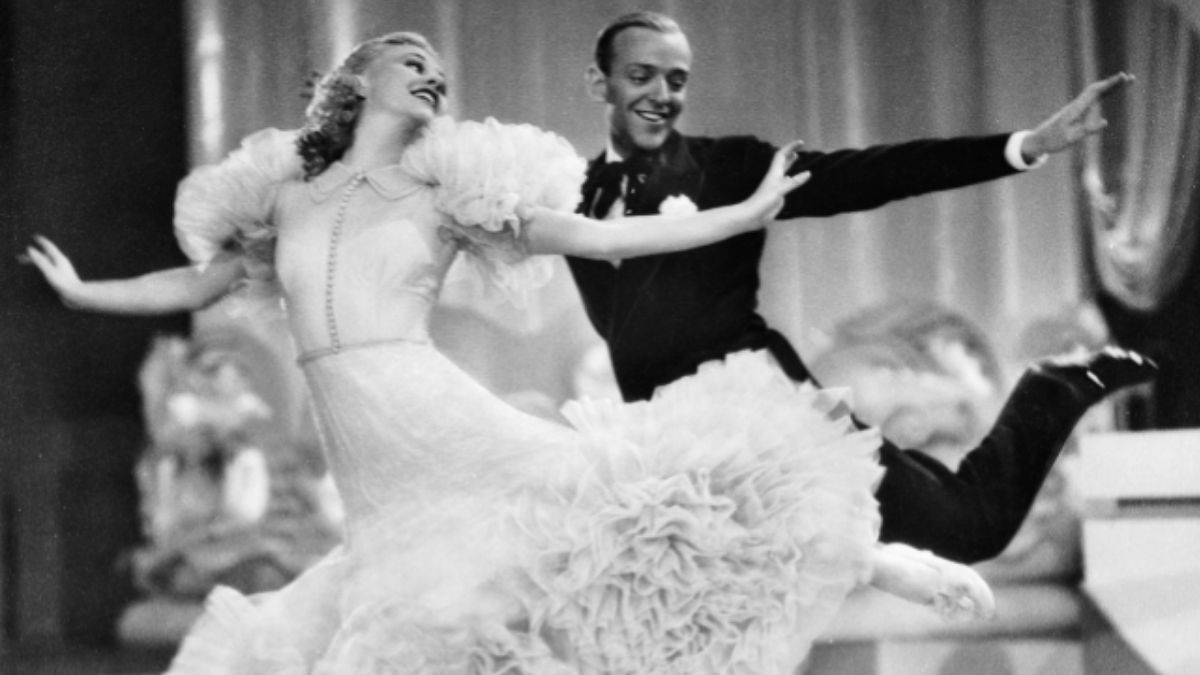
Musical cinema is not immune to these retrospective critiques. The beloved Fred Astaire and Ginger Rogers musical Swing Time (1936) features extraordinary choreography and enduring musical numbers, but it also includes Astaire’s "Bojangles of Harlem" routine performed in blackface. This creative choice directly invokes the deeply harmful legacy of minstrel shows. A similar historical shadow hangs over Warner Bros.’ The Jazz Singer (1927), a revolutionary milestone as the first feature-length talking picture, which nonetheless relies heavily on Al Jolson’s blackface performances.
Animation and Family Entertainment Under Scrutiny
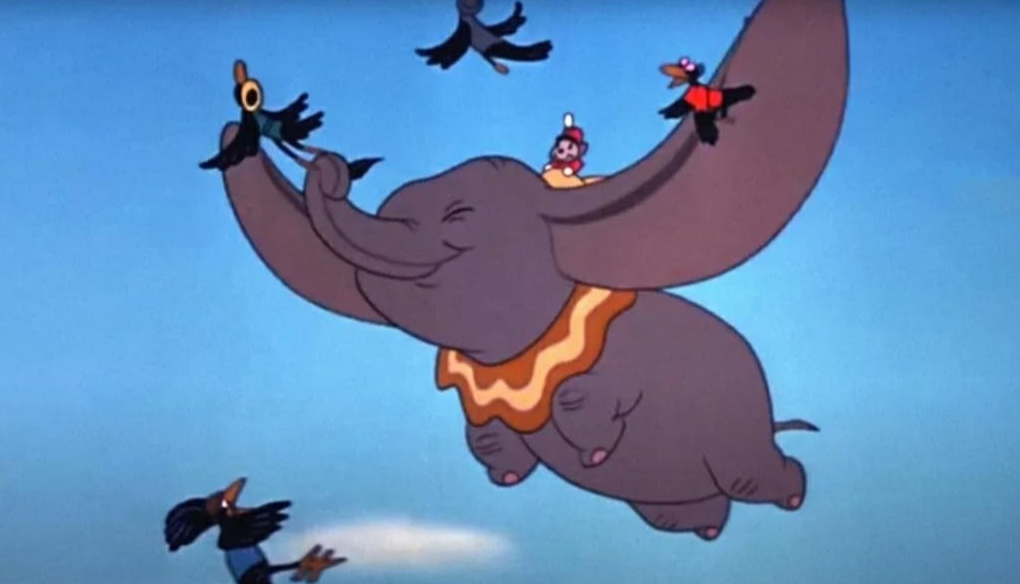
Even cherished family and animated classics have required extensive institutional reconsideration. Walt Disney Animation Studios has faced recurring scrutiny over catalog titles containing controversial depictions. Disney’s 1941 feature Dumbo features a group of crows—most notably their leader, whose name evokes historical minstrelsy—that have drawn decades of criticism for relying on racial caricatures. Similarly, King Louie in The Jungle Book (1967) has been analyzed for racial coding, while the 1995 historical romance Pocahontas faces harsh criticism from historians and Indigenous advocates for dangerously sanitizing and distorting the violent reality of European colonization in North America.
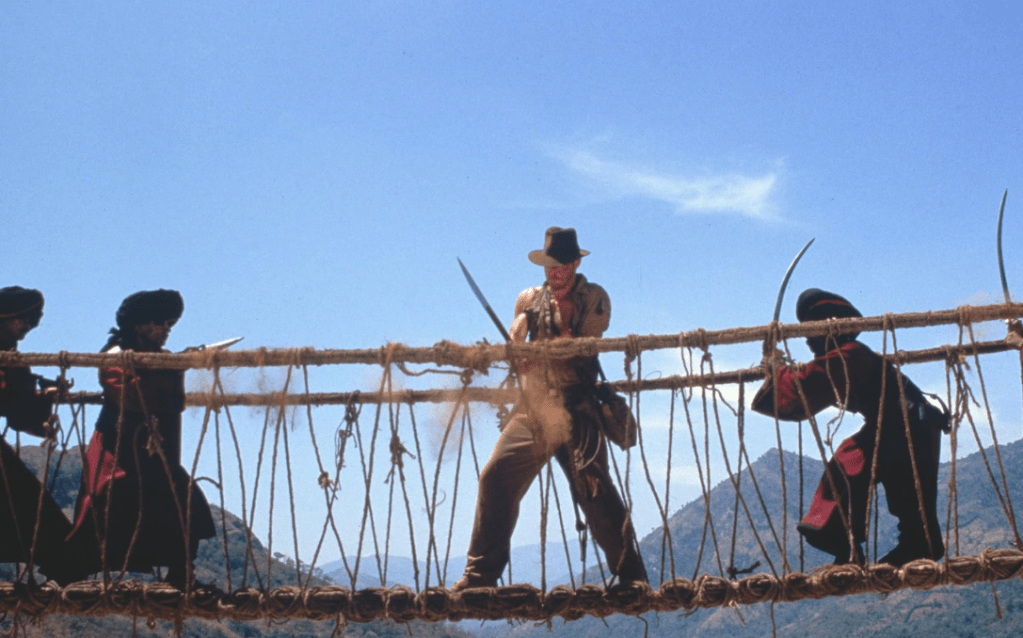
Adventure films and Westerns from the mid-to-late 20th century similarly reflect dominant Western, ethnocentric biases. Steven Jones and George Lucas’s Indiana Jones and the Temple of Doom (1984) delivered spectacular action set-pieces but relied on reductive and exoticized tropes regarding South Asian culture and cuisine. In the Western genre, John Ford’s masterwork The Searchers (1956) is universally cited as one of the greatest films ever made, yet its visceral exploration of racial hostility and dehumanizing depictions of Indigenous populations create a deeply complex viewing experience, even among its most ardent defenders.
Shifting Standards in Romance, Consent, and Satire
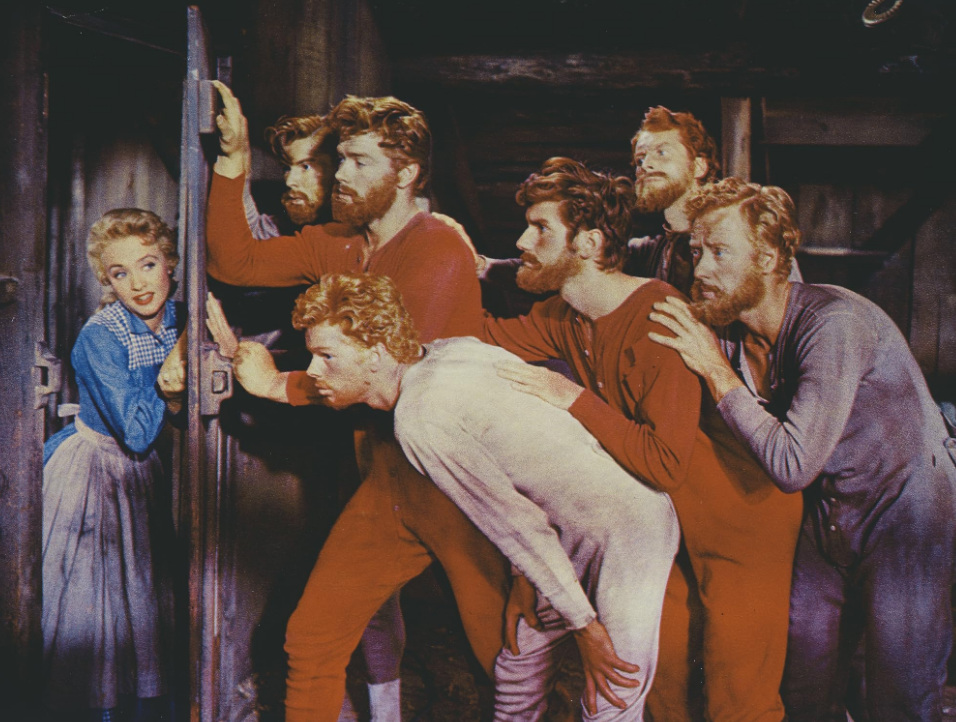
Romantic dynamics in cinema have undergone a severe conceptual overhaul. Musical hits like Seven Brides for Seven Brothers (1954) utilize a cheerful, energetic framework to depict the literal kidnapping of women from a nearby town to serve as wives, a premise that modern audiences find impossible to divorce from real-world implications of abduction and non-consent.

Similarly, John Hughes’s enduring classic The Breakfast Club (1985) features a central romance between Claire and Bender that includes persistent intimidation, verbal harassment, and boundary violations by Bender. Framing these coercive behaviors as the foundation of a romantic connection complicates the film’s celebratory legacy.
Musical favorite Grease (1978) likewise prompts modern dissection regarding its underlying message. While celebrated for its nostalgic soundtrack and high-energy performances, the ultimate resolution—where Sandy radically alters her appearance, personality, and personal style entirely to win the approval of Danny—runs counter to contemporary values of female autonomy and self-acceptance.
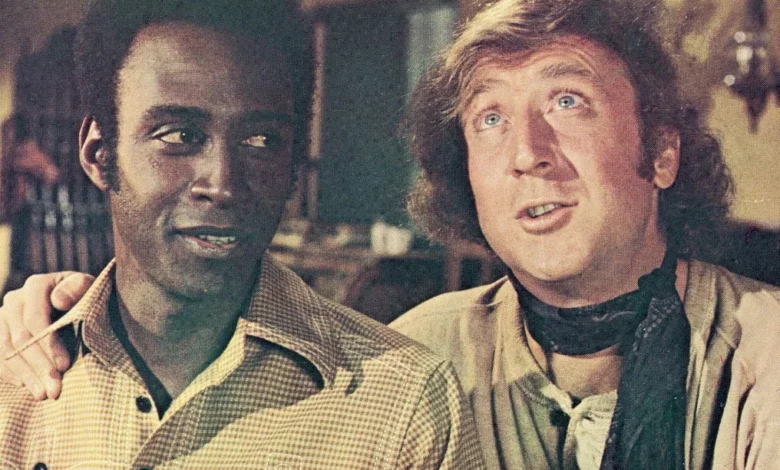
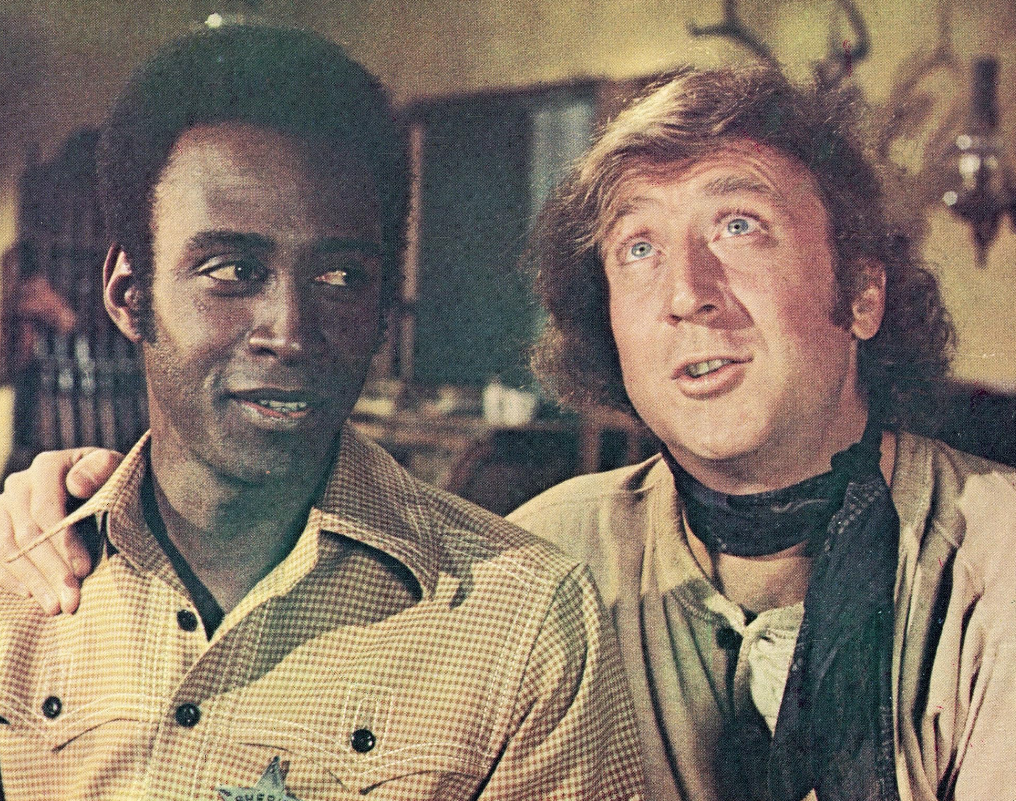
Satirical works occupy a particularly ambiguous space in film history. Mel Brooks’s brilliant 1974 western satire Blazing Saddles was explicitly designed to expose and mock the absurdity of American racism by deploying relentless slurs and offensive tropes. Media analysts frequently debate whether the film successfully executes its satirical mission or if the sheer volume of explicit prejudice obscures its progressive intent, proving that context and media literacy remain paramount when revisiting provocative art.
The Broad Implications for Film Preservation and Cultural Literacy
The ongoing cultural discourse surrounding these 15 classic films—ranging from Porky’s (1981) and Shallow Hal (2001) to Last Tango in Paris (1972) and Flash Gordon (1980)—highlights a maturing relationship between audiences and historical media. Rather than calling for censorship or the erasure of problematic cinematic art, cultural critics and historians advocate for expanded contextual framing.
By analyzing why certain films make modern viewers uncomfortable, society gains a clearer understanding of its own moral and ethical progression. The ability to recognize flaws in historical cinema does not necessitate discarding artistic achievements entirely; instead, it fosters a sophisticated media landscape capable of honoring technical and narrative innovation while holding past cultural blind spots clearly in view.