Freak War Merges Pokémon Mechanics with Exploding Kittens Chaos in New Hybrid Trading Card Game

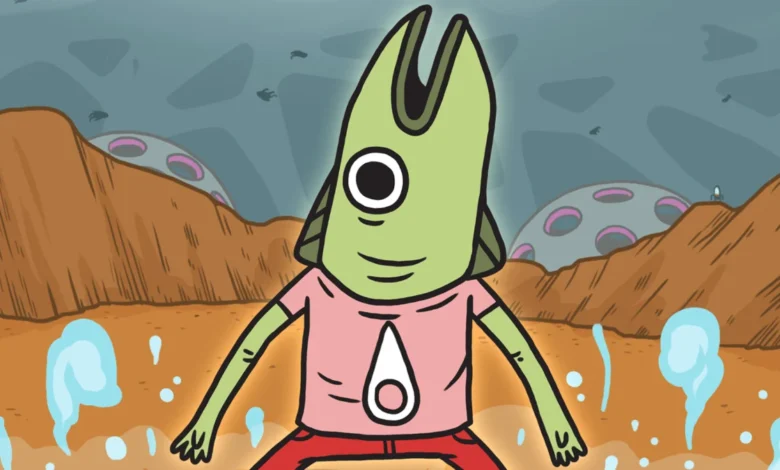
The tabletop gaming landscape is witnessing a significant shift toward accessibility and cross-genre fusion, a trend exemplified by the recent unveiling of Freak War. Developed by cartoonist Nate Galbraith—widely known by his professional moniker "sketchnate"—Freak War represents a strategic marriage between the high-stakes evolution mechanics of the Pokémon Trading Card Game (TCG) and the high-energy, unpredictable nature of modern party games like Exploding Kittens. By stripping away the often-intimidating barriers to entry associated with traditional collectible card games, such as complex deck-building requirements and dense rulebooks, Freak War aims to capture a broad demographic ranging from casual family gamers to dedicated TCG enthusiasts.
Conceptual Origins and Design Philosophy
The genesis of Freak War was rooted in direct observation of grassroots play patterns. Galbraith’s inspiration reportedly stemmed from observing children attempting to simulate the complex battles of Pokémon using a standard deck of Uno cards. Recognizing the inherent desire for monster-battling mechanics but noting the friction caused by complex rulesets, Galbraith suggested the children pivot to "War"—a classic, luck-based card game also known as "Battle." This interaction served as the blueprint for Freak War: a game that retains the aesthetic and progression appeal of a TCG while utilizing the intuitive, "highest-number-wins" foundation of traditional card games.
The project is being published under the Sheltonshire Games banner. The design philosophy centers on "low-friction" engagement. Unlike traditional TCGs, which often require players to purchase randomized booster packs and spend hours constructing optimal decks before a single match can begin, Freak War is designed to be played immediately out of the box. While the game does support custom deck construction for more advanced players, the primary mode of play involves simply shuffling a shared deck and distributing it among participants.
Core Gameplay Mechanics and Modes
Freak War distinguishes itself through its versatility in player count and mechanical depth. While many TCGs are strictly designed for one-on-one competition, Freak War supports up to four players simultaneously, with provisions for even larger groups depending on the number of decks integrated.
The Combat Loop
The fundamental loop follows the structure of "War." Players simultaneously reveal a creature card from their hand or the top of their deck. The creature with the highest attack level wins the round, claiming all played cards for the winner’s "win pile." These won cards are eventually reshuffled back into the player’s active deck. The ultimate objective is total elimination: a player wins once they have successfully claimed every card from their opponents.
Evolution and Modifiers
To elevate the game beyond simple luck, Galbraith integrated "evolution" and "modifier" systems. Drawing direct inspiration from the Pokémon franchise, certain creatures can evolve into more powerful forms, drastically increasing their attack values and changing the tide of a battle.
Modifier cards add a layer of "take-that" strategy reminiscent of Exploding Kittens. These include:
- Equipment: Items like the "Super Sword" or the "Super Duper Sword" can be attached to creatures to boost their power.
- Sabotage: Players can attach negative modifiers to an opponent’s creature to reduce its strength.
- Utility: Cards that allow players to swap hands with rivals, cancel an opponent’s modifier, or engage in coin-flipping gambles for sudden power surges.
Strategic vs. Chaotic Play
The game offers two distinct primary modes to cater to different playstyles:
- War Mode: A high-chaos version where players simply flip the top card of their deck. This mode emphasizes luck and speed, making it ideal for younger players or quick sessions.
- Battle Mode: A more strategic variant where players maintain a hand of cards, allowing for calculated decisions on when to deploy high-value creatures or hold back modifiers for a more opportune moment.
Additional rule variations, such as "King of the Hill" and team-based play, further expand the game’s replayability, allowing the community to tailor the experience to their specific social setting.
Narrative Context: The Second Sun and Mutant Lore
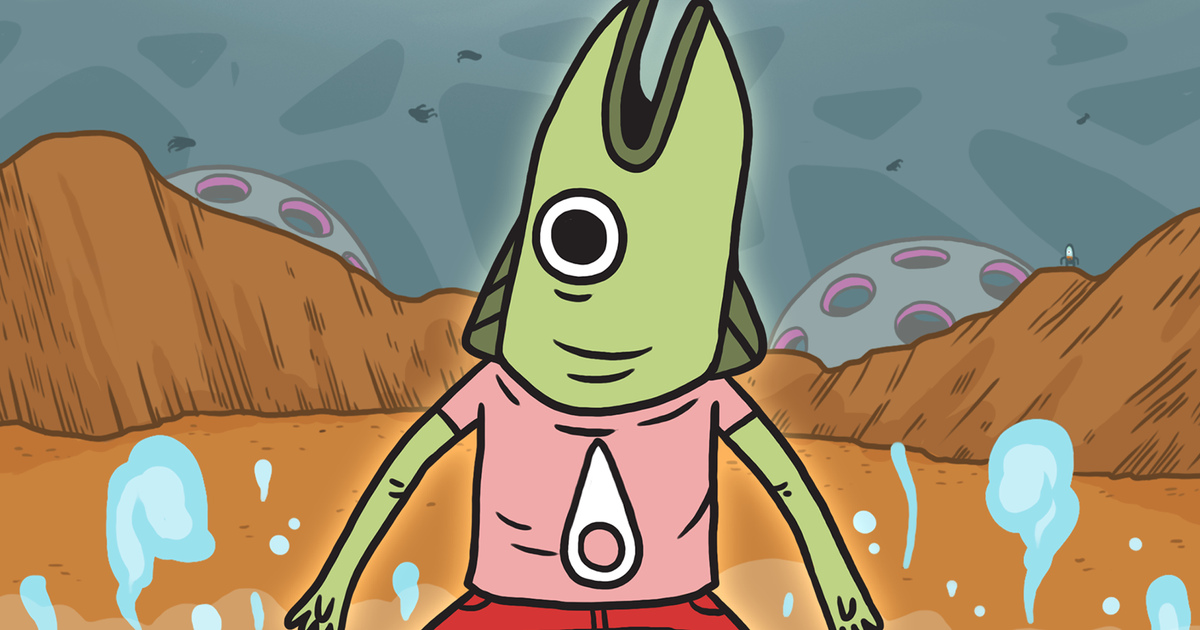
The aesthetic appeal of Freak War relies heavily on Galbraith’s background as a cartoonist. The game is set in a world transformed by the emergence of a "Second Sun," a celestial event that caused rapid, bizarre mutations across the animal kingdom. This narrative framework justifies the eclectic and often humorous character designs that define the game’s visual identity.
The roster of "freaks" includes a diverse array of creatures, such as:
- The Man Cat: Described as essentially a human male in a cat costume.
- The Partying Platypus: A festive take on the monotreme.
- The Time-Travelling Tiger: A high-concept predator.
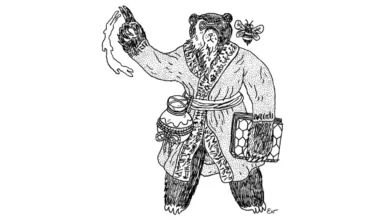
- The Sad Bee: A creature that brings a touch of pathos to the chaotic battlefield.
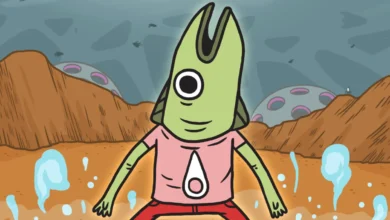
- Buff Penguins and Muscly Fishpeople: Subversions of traditionally non-threatening aquatic life.
Some cards even employ "meta-mechanics," which break the fourth wall to involve the physical environment of the players. For example, the "Fly Guy" card gains additional power if there is uneaten food in the immediate vicinity of the game table. This blend of surrealism and meta-humor is a hallmark of the modern party game genre, designed to provoke laughter and table talk.
Crowdfunding Performance and Market Trajectory
Freak War was launched on the crowdfunding platform Kickstarter with a modest initial goal of $10,000. The campaign quickly resonated with the tabletop community, surpassing its funding target well ahead of its June 13th deadline. This success indicates a strong market appetite for "bridge games"—products that serve as an entry point for hobbyist genres like TCGs without the associated financial or intellectual "gatekeeping."

Financial and Distribution Data
- MSRP: Approximately $20 per deck.
- Funding Status: Fully funded (as of late May).
- Campaign End Date: June 13th.
- Projected Delivery: June 2025.
- Product Variety: Multiple expansion packs and themed decks featuring dozens of unique creatures have already been planned to ensure long-term viability.
The year-long lead time between the conclusion of the Kickstarter and the projected delivery date is standard for indie tabletop productions, accounting for final art assets, manufacturing in bulk, and international shipping logistics.
Analysis of Market Implications
The emergence of Freak War occurs during a period of significant saturation in the TCG market. While the "Big Three"—Magic: The Gathering, Pokémon, and Yu-Gi-Oh!—continue to dominate global sales, there has been a notable rise in "boutique" or "indie" TCGs that prioritize unique art styles and simplified mechanics.
Lowering the Barrier to Entry
The TCG industry has often been criticized for its "pay-to-win" dynamics, where players with larger budgets can purchase rarer, more powerful cards to gain a competitive advantage. By emphasizing a "War-style" shared deck mechanic, Freak War effectively democratizes the experience. It removes the need for secondary market speculation and expensive "chase cards," positioning itself instead as a self-contained social experience.
The "Exploding Kittens" Effect
Since its record-breaking Kickstarter in 2015, Exploding Kittens has redefined what constitutes a successful card game. It proved that quirky, artist-driven intellectual property (IP) combined with simple, aggressive mechanics could achieve mainstream retail success. Freak War follows this lineage, utilizing a distinct art style to build a brand that is recognizable and "collectible" in its own right, even if the gameplay is simplified.
Educational and Developmental Value
From a developmental perspective, Freak War’s hybrid nature offers a stepping stone for younger players. It introduces fundamental TCG concepts—such as turn order, card synergy, resource management (in Battle Mode), and basic arithmetic—within a framework that is familiar and non-threatening. This "educational" aspect may contribute to its appeal among parents and educators looking for screen-free entertainment that encourages social interaction and cognitive skills.
Conclusion and Outlook
Freak War represents a calculated bet on the power of simplicity and humor in the tabletop space. By identifying a gap between the hyper-casual nature of "War" and the mechanical complexity of Pokémon, Nate Galbraith and Sheltonshire Games have created a product that feels both nostalgic and contemporary.
As the campaign heads toward its conclusion on June 13th, the focus will shift to production and fulfillment. If the game succeeds in its 2025 release, it could signal a broader trend of "de-complexifying" genre-specific games to reach the burgeoning casual gaming market. For now, Freak War stands as a testament to the enduring appeal of "weird" creatures and the timeless thrill of a well-timed card flip.