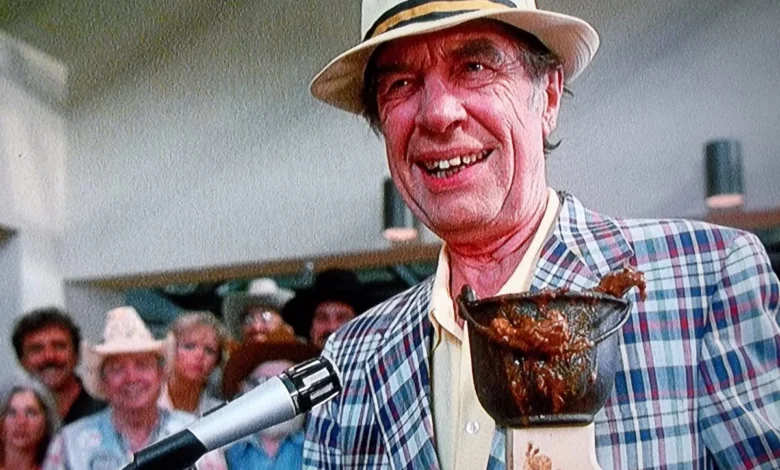
Horror cinema, a genre deeply entrenched in the human psyche, frequently relies on a singular, recurring trope: the character who demonstrably lacks common sense. While the spectral apparitions, monstrous entities, and relentless killers are the undeniable architects of terror, it is the often baffling decisions of the protagonists that truly propel these narratives forward. Were these characters to exhibit even a modicum of rational thought – by staying united, heeding dire warnings, seeking immediate assistance, or simply retreating from palpable danger – many iconic horror sagas would conclude not with a scream, but with a quiet, anticlimactic fizzle. This phenomenon, while frustrating for viewers often found shouting advice at their screens, has become an enduring tradition within the genre, contributing to the enduring memorability of these cinematic cautionary tales. The following films, while celebrated for their scares, stand as prime examples of how a swift application of logic could have drastically altered their outcomes, potentially resolving the core conflicts within the span of a typical television commercial break.
The Perils of Curiosity and the Unseen Dangers
The foundation of many horror narratives is laid by characters who, despite overwhelming evidence to the contrary, actively pursue the source of their unease or ignore blatant red flags. This deliberate disregard for self-preservation transforms mundane settings into arenas of dread and prolongs the suffering of those caught in the crosshairs of supernatural or monstrous forces. The subsequent analysis delves into specific instances where a single, sensible action could have averted prolonged terror and saved lives, highlighting the crucial role of human fallibility in the perpetuation of cinematic horror.
The Cabin in the Woods (2012): A Catalogue of Catastrophic Choices
In Drew Goddard’s meta-horror masterpiece, The Cabin in the Woods, a group of college students embarks on a weekend getaway to a secluded cabin. The narrative is meticulously constructed to exploit classic horror archetypes, but its central premise hinges on the characters’ descent into a series of increasingly poor decisions. The film posits that if the group had exercised basic caution and refused to interact with the cryptic artifacts discovered in the cabin’s basement, the horrifying chain of events might have been entirely circumvented. The collection of peculiar objects, each a potential trigger for a specific nightmare scenario, serves as a tangible representation of forbidden knowledge and dangerous curiosity. The act of disturbing these items, driven by a youthful desire for exploration and perhaps a subconscious succumbing to the film’s predetermined narrative arc, directly awakens the malevolent forces that orchestrate their demise. A simple refusal to tamper with the unknown, a fundamental tenet of prudence, would have kept the horrors dormant and allowed the characters to depart unharmed, rendering the film’s intricate plot obsolete.

Barbarian (2022): The Unforeseen Depths of Airbnb Misfortune
Zach Cregger’s Barbarian offers a more contemporary exploration of the "bad decision" trope, initially presenting a seemingly mundane scenario of a booking gone awry. Tess, a young woman arriving at an Airbnb, discovers that the property has been double-booked by Keith, a seemingly amiable but ultimately sinister individual. The turning point, and the moment where common sense could have decisively ended the unfolding terror, occurs when Tess uncovers a hidden basement door. Instead of recognizing this discovery as a significant anomaly and opting to immediately vacate the premises, perhaps by seeking alternative accommodation or contacting the booking platform, Tess chooses to investigate further. This decision to delve into the unknown, driven by a combination of investigative instinct and a growing sense of unease that paradoxically fuels her curiosity, leads her directly into the film’s horrifying subterranean world. Had Tess simply left upon discovering the illicit passage, the monstrous threats lurking below would have remained contained, and her ordeal would have concluded with a minor inconvenience rather than a harrowing fight for survival.
The Blair Witch Project (1999): The Perils of Unfounded Bravery
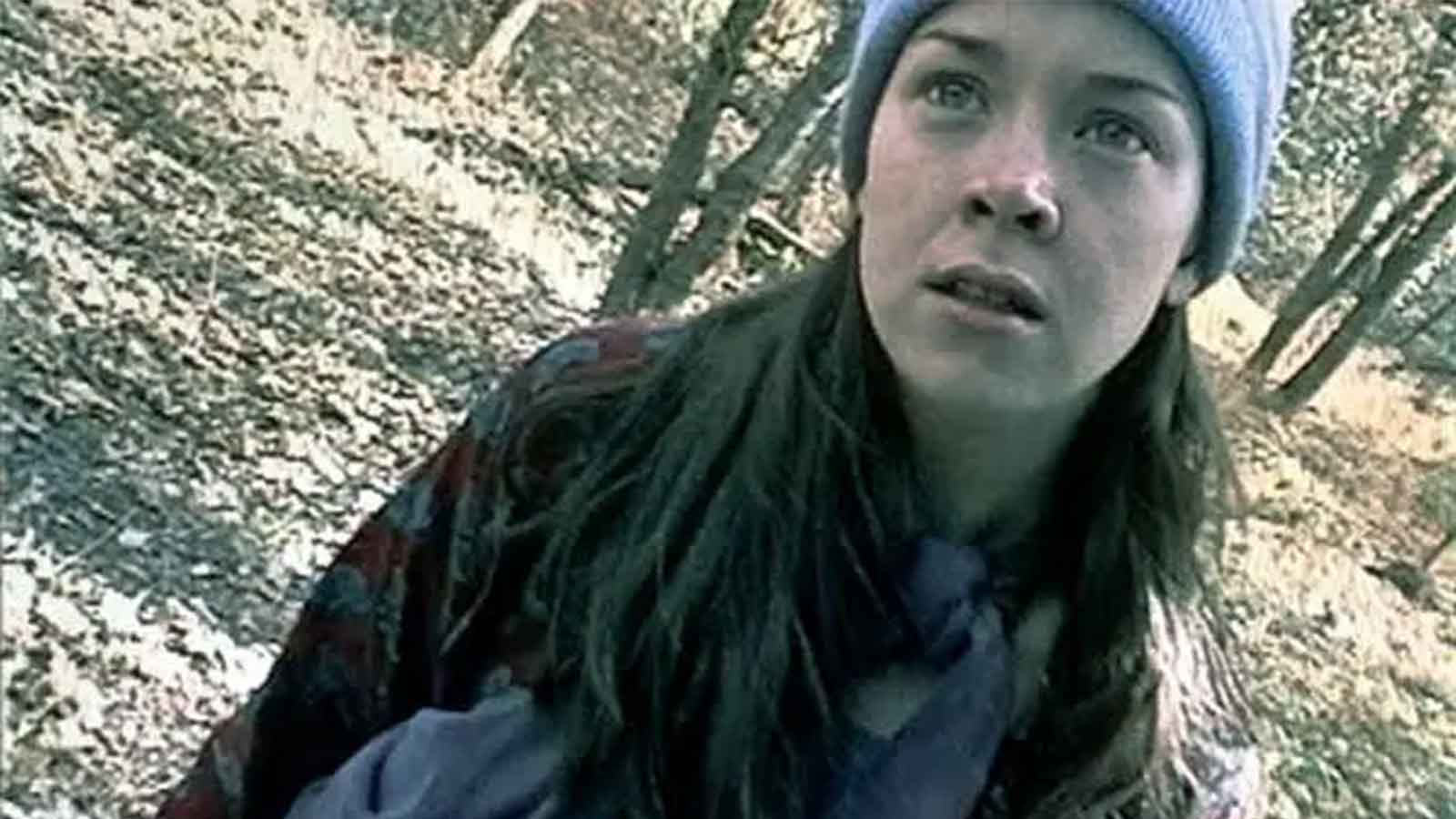
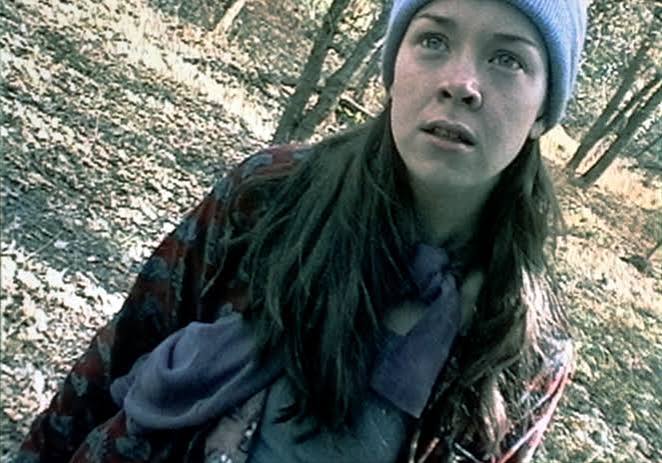
Daniel Myrick and Eduardo Sánchez’s groundbreaking found-footage film, The Blair Witch Project, masterfully utilizes ambiguity and psychological dread. The narrative follows three student filmmakers venturing into the Black Hills Forest to document the legend of the Blair Witch. From the outset, the characters are presented with a series of unsettling occurrences: strange symbols, inexplicable sounds, and an increasing sense of being watched. The critical juncture where rational action could have averted their grim fate arises when these disturbing phenomena begin to escalate. Instead of prioritizing their safety and abandoning their project to return to civilization, the filmmakers press on, their commitment to capturing footage overriding their survival instincts. The repeated instances of disembodied noises in the woods, the unsettling stick figures, and the palpable fear that begins to permeate their interactions should have served as an unequivocal signal to retreat. A collective decision to turn back at the first significant sign of trouble, prioritizing their well-being over the pursuit of a documentary, would have undoubtedly spared them the horrors that ultimately befell them, leaving the legend of the Blair Witch undisturbed by their unfortunate pursuit.
The Descent into Uncharted Territories and Ancient Evils
Many horror films exploit the allure of the unknown, drawing characters into environments where their usual rules of engagement no longer apply. These settings, often characterized by isolation and a lack of familiar reference points, become fertile ground for terror when characters fail to respect their inherent dangers.
The Descent (2005): A Cave-In of Poor Planning
Neil Marshall’s visceral horror film, The Descent, plunges a group of friends into the claustrophobic depths of an unexplored cave system. The premise is rooted in a disastrous decision made before the descent even begins: choosing to explore an uncharted network of caves rather than opting for a well-documented and safer alternative. This choice, driven by a desire for adventure and a potential underestimation of the risks involved, sets in motion a cascade of terrifying events. The subsequent discovery of an ancient, predatory humanoid species within the cave system amplifies the initial poor judgment. Had the group opted for a known and mapped cavern, they would have avoided the territorial grounds of these creatures, eliminating the primary source of their peril. The film’s horrifying conclusion is a direct consequence of this initial, fundamental miscalculation in planning, demonstrating how a simple adherence to established safety protocols could have rendered the entire horrifying expedition moot.

Evil Dead (1981): The Curse of the Necronomicon
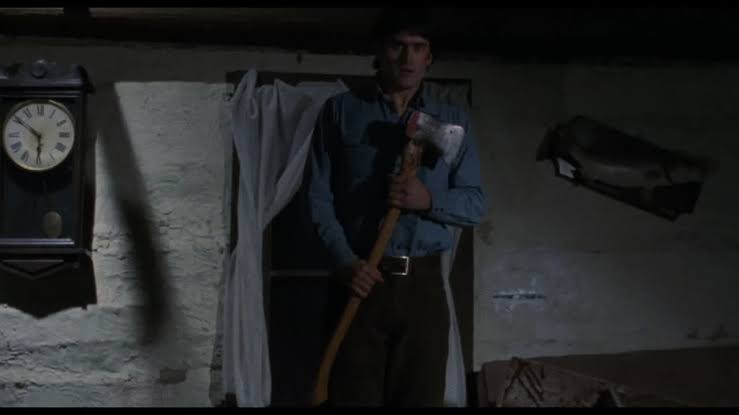
Sam Raimi’s seminal low-budget horror film, The Evil Dead, illustrates the catastrophic consequences of meddling with forces beyond human comprehension. A group of friends seeking a rustic getaway discovers a mysterious, ancient book – the Necronomicon Ex-Mortis – and a tape recorder in a remote cabin. The decision to not only find but subsequently read aloud incantations from this forbidden tome, a clear violation of any sensible approach to unfamiliar artifacts, unleashes demonic entities. The very act of playing the recorded passages, which serve as a gateway for the demonic possession, is the pivotal moment where the entire terrifying ordeal could have been averted. Had the characters shown restraint and left the book and its accompanying audio recording undisturbed, they would have remained oblivious to the ancient evil contained within, and their weekend retreat would have concluded without supernatural interference or the ensuing carnage.
The Texas Chain Saw Massacre (1974): Ignoring Every Warning Sign
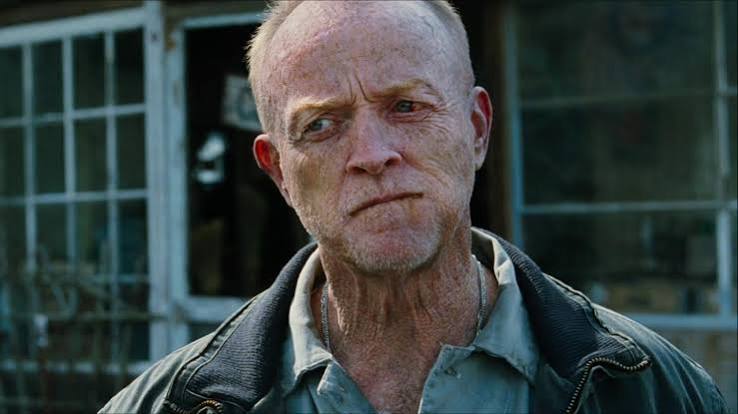
Tobe Hooper’s iconic and profoundly disturbing film, The Texas Chain Saw Massacre, presents a relentless onslaught of terror stemming from a group’s persistent inability to heed obvious danger signals. As the characters travel through rural Texas, they encounter a series of increasingly unsettling individuals and environments, each serving as a potent warning of the peril that awaits. From the bizarre behavior of the gas station attendant to the ominous atmosphere of the isolated farmhouse, every indication points to a swift and immediate departure. The group repeatedly ignores these escalating red flags, opting instead to investigate further or press on with their journey, a decision that proves fatal. Had they, at any point after the initial unsettling encounters, made the rational choice to simply get back in their van and leave the area, the terrifying Sawyer family and their gruesome activities would have remained unknown to them, effectively ending the narrative before the true horror could unfold.
Wrong Turn (2003): The Allure of the Shortcut
Rob Schmidt’s Wrong Turn exemplifies how a seemingly minor deviation from a planned route can lead to unimaginable terror. The film’s premise begins with a group of friends encountering a traffic delay and subsequently deciding to take an isolated shortcut through unfamiliar back roads. This decision, born out of impatience and a desire for expediency, transforms a trivial inconvenience into a desperate fight for survival against a family of cannibalistic mountain dwellers. The core of the horror is directly linked to this initial choice to venture off the beaten path into a region known for its isolation and lack of civilization. Had the characters chosen to wait out the traffic or find an alternative, more conventional route, they would have avoided the territory of their pursuers, thus preventing the entire harrowing ordeal and ensuring their safe arrival at their intended destination.
The Taking of Deborah Logan (2014): The Price of a Premature Documentary
The found-footage horror film The Taking of Deborah Logan centers on a documentary crew filming Mia, a woman caring for her ailing mother, Deborah. As Deborah’s condition inexplicably deteriorates, exhibiting increasingly disturbing and violent behavior, the documentary’s focus shifts from a medical case study to something far more sinister. The critical juncture for the film’s protagonists arrives when Deborah’s actions transition from unsettling to outright terrifying. At this point, continuing the documentary and remaining in close proximity to her becomes an incredibly high-risk endeavor. A sensible decision would have been to immediately cease filming, abandon the project, and prioritize the safety of the crew, potentially contacting authorities or seeking professional help for Deborah. However, their dedication to capturing the "story" overrides their survival instincts, leading them deeper into the supernatural horror that has ensnared Deborah, a horror that could have been contained if they had simply recognized the insurmountable danger and made a timely exit.
The Grudge (2004): The Unseen Power of a Cursed Locale
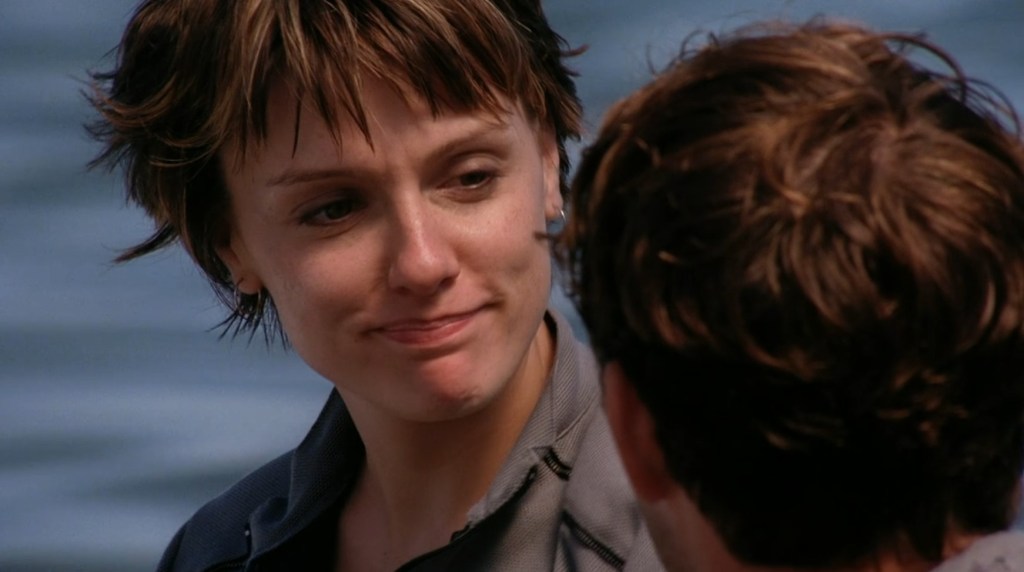
Takashi Shimizu’s American remake of The Grudge presents a narrative woven around a vengeful curse emanating from a house where a violent death occurred. The film’s structure deliberately illustrates how a pervasive malevolent force ensnares anyone who enters its domain. A recurring theme throughout the movie is the numerous opportunities individuals have to escape the curse’s clutches. Nearly every character who steps foot inside the cursed house is confronted with unsettling phenomena, ghostly apparitions, and escalating signs of danger. These experiences, far from being subtle, provide ample warning that something is profoundly wrong. A simple act of turning around, leaving the property, and never returning would have severed their connection to the curse’s influence. The film’s relentless horror stems from the characters’ continued presence within the haunted dwelling, a choice that directly leads to their tragic fates, demonstrating that a quick exit could have prevented their incorporation into the house’s deadly cycle.
Business Ventures into the Supernatural and the Escalation of Dread
Some horror films explore the intersection of commerce and the supernatural, showcasing how ambitious ventures can lead to unforeseen and terrifying consequences when the founders disregard the inherent dangers of their chosen locations or methods.
Hell House LLC (2015): A Business Built on Bad Omens
The found-footage film Hell House LLC chronicles the ill-fated attempt to open a haunted attraction in an abandoned hotel with a disturbing history. The narrative unfolds through the perspective of a journalist investigating the tragic events that led to the attraction’s abrupt closure and the deaths of its staff. The central flaw in the business plan is evident from the outset: establishing a Halloween-themed attraction within a building with an increasingly unsettling and violent past. The history of the hotel, replete with unexplained occurrences and past tragedies, should have served as a colossal red flag for any prospective business owner. A more prudent approach would have involved thorough investigation into the building’s history and, upon discovering its ominous reputation, seeking an alternative location. The decision to proceed with the venture, despite mounting evidence of supernatural activity and disturbing premonitions, directly contributes to the catastrophic events that unfold, highlighting how a simple re-evaluation of the business location could have saved lives and prevented the tragic legacy of "Hell House."
Smile (2022): The Contagion of a Terrifying Curse
Parker Finn’s Smile introduces a supernatural curse that spreads through a horrifying visual and psychological manifestation. The film’s protagonist, Dr. Rose Cotter, a psychiatric professional, becomes entangled in this curse after witnessing a traumatic event. The central impediment to her survival, and the primary driver of the film’s escalating dread, is her decision to keep the terrifying curse a secret rather than seeking help or confiding in others. This isolation allows the curse to gain a stronger hold on her and to continue its insidious spread to other victims. Had Rose immediately disclosed her experiences and the nature of the curse to her colleagues or sought specialized assistance, the collective knowledge and resources could have potentially provided a means to combat it or at least mitigate its effects. Instead, her attempt to manage the ordeal alone only serves to empower the entity, demonstrating how communication and seeking support are crucial in confronting supernatural threats, and that withholding information can be as detrimental as direct confrontation.
The Ruins (2008): The Hubris of Ignoring Local Wisdom
Carter Smith’s The Ruins transports a group of friends to Mexico, where their vacation takes a terrifying turn when they venture to an ancient Mayan ruin. The film’s central conflict is initiated by the group’s blatant disregard for local warnings and their decision to climb onto a forbidden archaeological site. The locals, aware of the inherent dangers associated with the area, attempt to dissuade them, but their pleas are ignored by the tourists. This act of defiance, driven by a sense of entitlement and a dismissive attitude towards indigenous knowledge, directly leads to their entrapment and subsequent terror. The ruins are revealed to be inhabited by carnivorous vines that pose a deadly threat. Had the friends respected the warnings and refrained from entering the forbidden zone, they would have avoided the perilous plant life and the ensuing fight for survival. The film underscores the importance of heeding local advice and respecting culturally significant or potentially dangerous sites, as ignorance and arrogance often pave the path to disaster.
Talk to Me (2022): A Party Game with Deadly Consequences
Danny and Michael Philippou’s directorial debut, Talk to Me, explores a group of teenagers who discover a ceramic hand that allows them to communicate with spirits. What begins as a morbid curiosity and a thrill-seeking party game quickly devolves into uncontrollable chaos. The core of the film’s escalating horror lies in the teenagers’ failure to respect the established rules of engagement with the supernatural. They treat possession like a fleeting amusement, disregarding the potential for lasting harm and ignoring the crucial time limits set for these interactions. The decision to prolong the possession or to continue the "game" beyond its intended scope is the catalyst for the dire consequences. Had the group adhered strictly to the time limits and treated the ritual with the gravity it clearly demands, understanding the risks of prolonged spiritual influence, they might have avoided the demonic possession and the subsequent bloodshed. Their casual approach to a dangerous supernatural phenomenon transforms a fleeting thrill into an unmitigated disaster.